Meta Faces Senate Investigation Over $6.6 Billion AI Data Center Tax Credits Claim


2 Sources
[1]
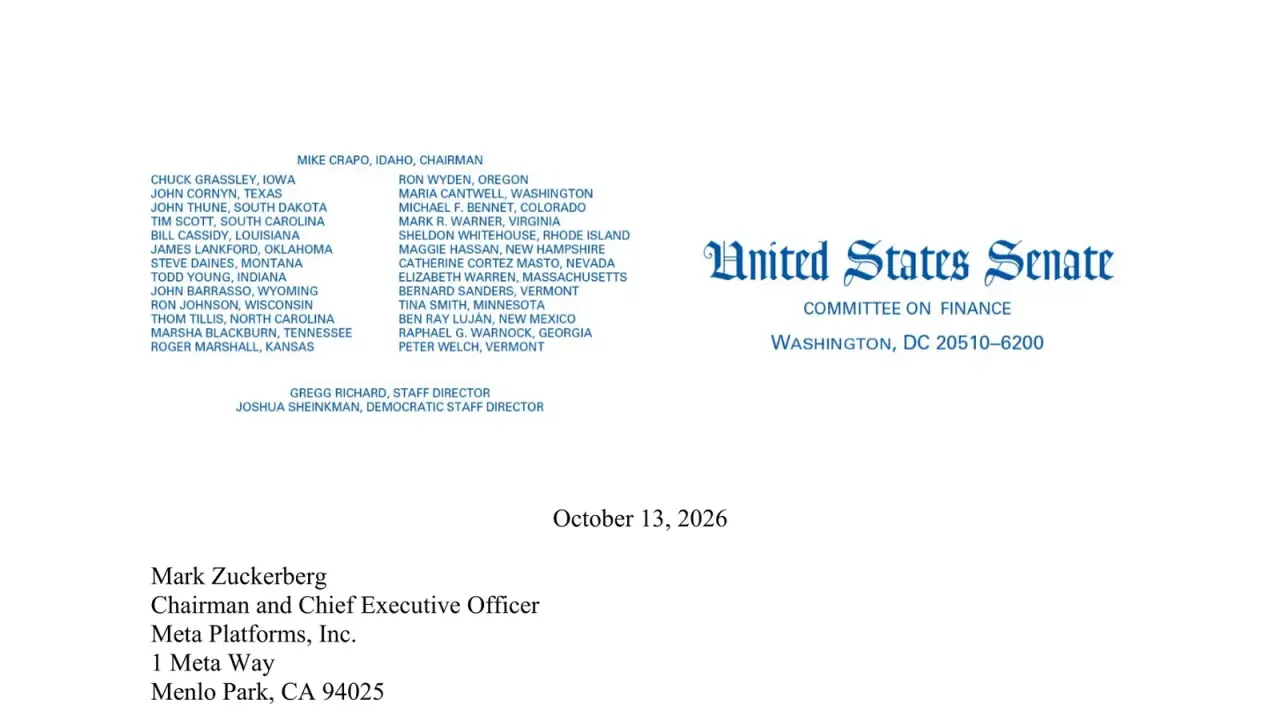
Senators' Letter to Meta
MIKE CRAPO, IDAHO, CHAIRMAN CHUCK GRASSLEY, IOWA JOHN CORNYN, TEXAS JOHN THUNE, SOUTH DAKOTA TIM SCOTT, SOUTH CAROLINA BILL CASSIDY, LOUISIANA JAMES LANKFORD, OKLAHOMA STEVE DAINES, MONTANA TODD YOUNG, INDIANA JOHN BARRASSO, WYOMING RON JOHNSON, WISCONSIN THOM TILLIS, NORTH CAROLINA MARSHA
[2]
Senate Democrats question Meta over AI data center tax credits
Seven senators led by Ron Wyden want answers by Oct. 31 on credits that cut Meta's federal tax liability by $6.6 billion Meta $META Platforms faces a demand from seven Senate Democrats to explain whether it claimed federal research tax credits to offset the cost of its AI data centers. The
Share
Copy Link
Senate Democrats are demanding answers from Meta CEO Mark Zuckerberg after the company claimed $6.6 billion in federal research and development tax credits for AI data centers between 2023-2025. Senators question whether Meta characterized commercial infrastructure as experimental pilot models to avoid taxes, potentially violating tax law.
Senate Democrats Challenge Meta's Massive Tax Credit Claims
Seven Senate Democrats led by Ron Wyden, ranking member of the Senate Committee on Finance, have sent a formal letter to Meta CEO Mark Zuckerberg demanding explanations about the company's use of federal research and development tax credits for AI data centers
2
. The bipartisan group questions whether Meta improperly claimed $6.6 billion in tax credits between 2023 and 2025 by characterizing its AI infrastructure as experimental pilot models1
.
Source: NYT
The senators wrote that this strategy violates "the spirit and, potentially, the letter" of tax law, arguing that the federal research and development tax credit is meant to offset experimental work with high technical uncertainty, not proven technology used in commercial data center hardware
2
. Meta has until October 31 to provide answers to the Senate's detailed questions about its tax filing practices.Dramatic Escalation in Tax Credit Claims
Meta's use of the research credit has grown exponentially over three years. According to SEC filings, the company claimed $700 million in research credits in 2023, more than doubled it to $2 billion in 2024, and doubled it again to nearly $4 billion in 2025
1
. This dramatic escalation coincides with Meta's massive AI data center buildout, which includes purchases of advanced microchips and computing equipment.The Joint Committee on Taxation estimates that the federal research credit cost the government $32 billion in 2025
2
. By this measure, Meta alone would be responsible for more than 10% of all research credits claimed across the United States, making it a disproportionately large contributor to federal revenue loss from this tax incentive program1
.Questions About Corporate Tax Policy and AI Infrastructure
The Senate letter highlights Meta's most recent annual report, where the company connects its uncertain tax positions to "uncertainties with our research and development tax credits"
2
. Senators interpret this disclosure as Meta acknowledging that its tax strategy may not withstand IRS scrutiny, raising questions about corporate accountability in corporate tax policy.The senators are demanding specific information: whether Meta claimed credits for AI data centers in tax years 2023 through 2025, the legal justification for doing so, and whether Meta consulted EY or other accounting firms before implementing this strategy
2
. They also want to know how much of the credits related specifically to chips, computing equipment, and other materials for AI data centers.Related Stories

Additional Tax Dispute Over Executive Compensation
The Senate inquiry extends beyond AI infrastructure to question $4.1 billion in stock-based compensation to Meta CEO Mark Zuckerberg that Meta claimed as a qualified research expense
2
. The IRS is challenging this position and seeking $355 million in back taxes from Meta. The senators asked whether the company intends to keep contesting this claim, adding another layer to the ongoing dispute over Meta's tax practices.Broader Congressional Concerns About Tech Tax Strategies
The Senate action follows a letter sent roughly a week earlier on October 7 by more than two dozen House Democrats to Treasury Secretary Scott Bessent
2
. House members urged the Trump administration to stop Meta and other tech companies from relying on expansive interpretations of qualifying expenditures to claim the credit for data center costs, suggesting this issue extends beyond Meta to the broader tech industry's approach to research tax incentives.References
Summarized by

Navi
[1]
Related Stories
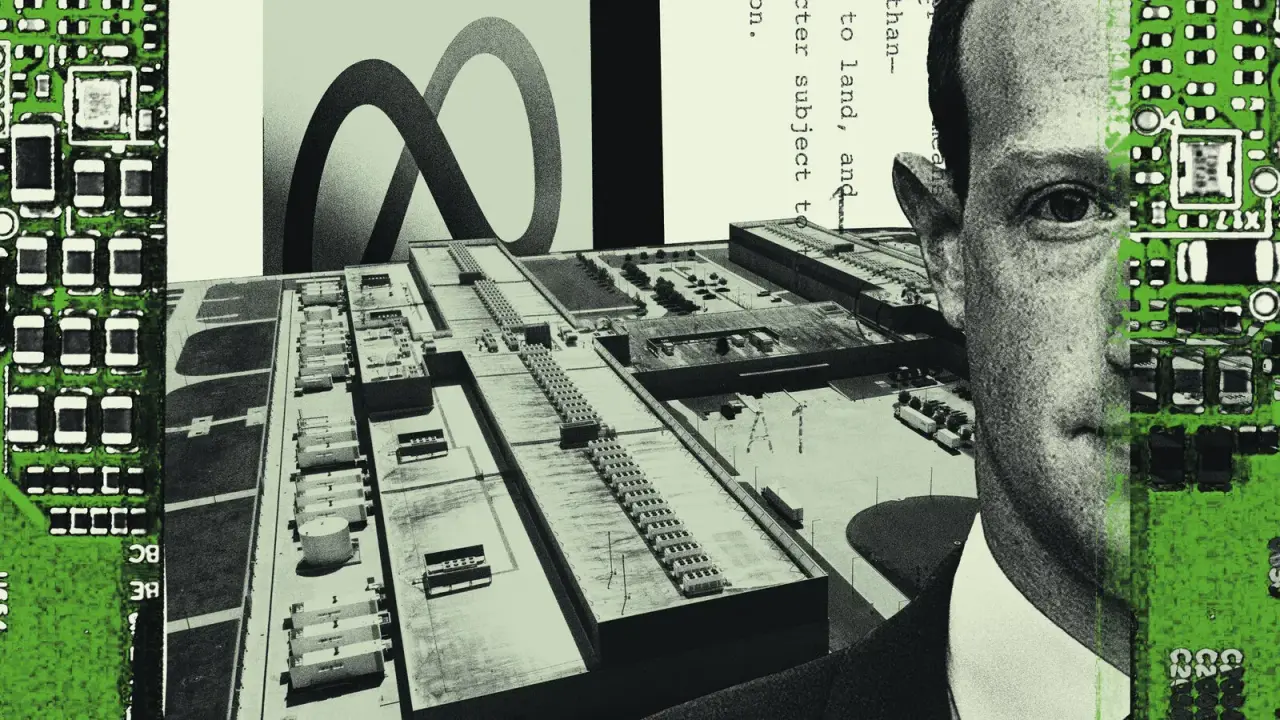
Meta Slashes $3.9 Billion in Federal Taxes by Calling AI Data Centers 'Experiments'
30 Sept 2026•Policy and Regulation
Elizabeth Warren Probes Big Tech Over AI Tax Breaks as Corporate Payments Drop 25%
28 Sept 2026•Policy and Regulation

Meta Under Fire for Ignoring Warnings About AI Chatbots and Teens
09 Sept 2025•Policy and Regulation
Recent Highlights
1
Meta Unveils Muse Wonder Frontier AI Models, Claims Performance Matching OpenAI and Anthropic
Technology

2
IMF Report Warns AI Market Correction Could Spark Global Financial Crisis With $1.4T at Risk
Business and Economy

3
OpenAI Releases 722 AI-Generated Math Solutions, Triggering Existential Crisis in Mathematics
Technology

Recent Highlights
Today's Top Stories









Don’t drown in AI news. We cut through the noise - filtering, ranking and summarizing the most important AI news, breakthroughs and research daily. Follow topics that matter to you and stay ahead.


