Elizabeth Warren Probes Big Tech Over AI Tax Breaks as Corporate Payments Drop 25%


3 Sources
[1]
Meta, Google, Amazon, Microsoft draw Sen. Warren questions about AI tax subsidies
* Sen. Elizabeth Warren, D-Mass., and other Senate Democrats sent letters to the CEOs of Meta, Google, Amazon and Microsoft seeking information on tax subsidies for AI and data center development they say was authorized by the GOP-led "one big beautiful bill" act. * Data centers and AI more
[2]
Senate Democrats question Big Tech on AI tax breaks in "one big beautiful bill"
Sen. Elizabeth Warren led letters to the four companies' CEOs demanding details on tax deductions tied to AI and data center spending Sen. Elizabeth Warren sent letters Sunday to the chief executives of Meta $META, Amazon $AMZN, Alphabet $GOOGL, and Microsoft $MSFT seeking information on tax
[3]
Elizabeth Warren Targets Trump, Big Tech Over 'Massive Tax Breaks' for AI and Data Centers: 'People... Ar
Sen. Elizabeth Warren (D-Mass.) is demanding details from tech giants over tax deductions tied to their AI and data-center investments, arguing that Trump-era tax provisions are allowing Big Tech to reduce its tax bills while the federal government faces pressure on social programs. Warren Targets
Share
Copy Link
Sen. Elizabeth Warren and fellow Democrats sent letters to Meta, Google, Amazon, and Microsoft demanding transparency on AI tax subsidies authorized under the 2025

Elizabeth Warren Targets Big Tech Over AI Tax Breaks
Sen. Elizabeth Warren led a Senate Democratic probe into how Meta, Google, Amazon, and Microsoft are benefiting from tax subsidies for AI and data center development authorized under the 2025 Republican tax legislation
1
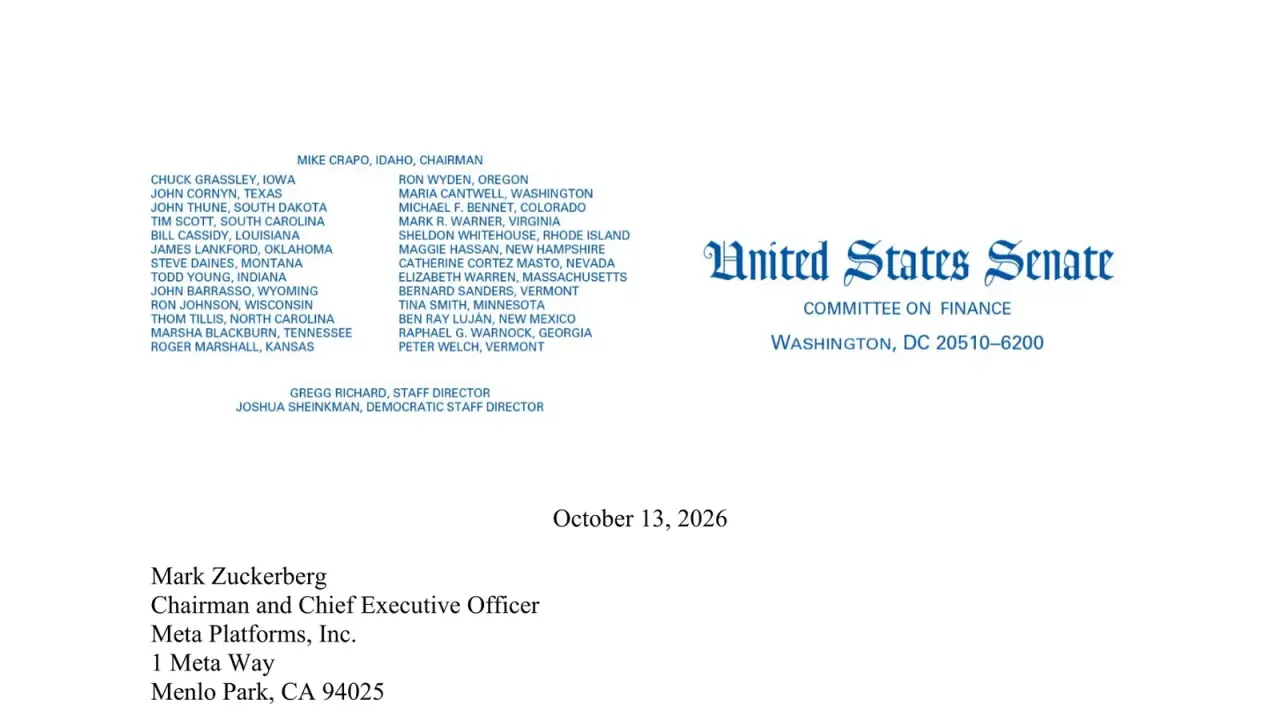
. Warren, joined by Sens. Tina Smith and Jeff Merkley, sent letters Sunday night to the CEOs of all four companies seeking detailed information on tax deductions claimed for AI infrastructure and their lobbying efforts leading up to the passage of the "one big beautiful bill" act2
. The lawmakers argue that while Americans worry about AI's impact on utility bills, job losses, and cyberattacks, Republicans have prioritized massive tax breaks for AI rather than meaningful regulation of Big Tech1
.Corporate Tax Payments Plummet Amid Rising Revenue
Corporate tax payments have dropped 25% this year even as tech company revenues continue climbing, according to Warren's letter citing budget forecasters
1
. The nonpartisan Congressional Budget Office projected in February that the federal government would collect 10.6% less in corporate income tax in 2026 compared with 2025, with totals falling from $452 billion to $404 billion1
. Meta's tax bill illustrates this dramatic shift: the company paid just $2.8 billion in federal income tax in 2025, down from $9.6 billion in 2024, while earning roughly the same profit both years1
. Warren's letter to Mark Zuckerberg noted that Meta's capital expenditures, with the "vast majority" constituting data center construction and AI spending, reached an extraordinary $72 billion last year, much of which may have been immediately deducted using Trump-era tax provisions1
.Democrats Question Scale and Lobbying Behind Tax Deductions for AI and Data Centers
Warren emphasized that the magnitude of these tax subsidies for AI remains unclear, as does the extent of corporate influence in securing them
3
. "We don't know the magnitude of these tax breaks. We don't know what lobbying the companies did to obtain these tax breaks," Warren stated in a video accompanying her Saturday social media post3
. The senator argued this issue has been "totally under the radar" despite Big Tech spending billions on AI infrastructure while receiving massive tax breaks from President Donald Trump and Republicans3
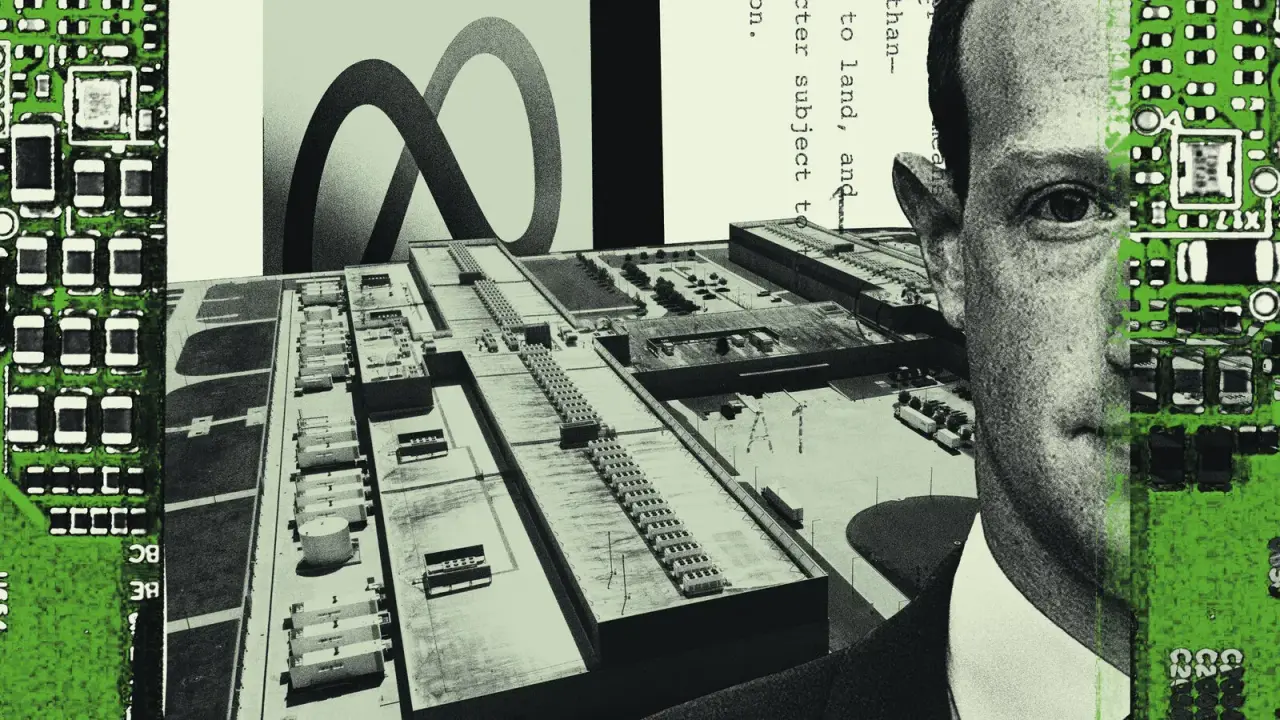
. Meta reportedly classified some AI data centers as "pilot models" to claim federal tax credits, reducing its 2025 tax bill by $3.9 billion3
.Related Stories

AI Policy Becomes Flash Point Ahead of 2026 Midterms
Data center development and AI have emerged as critical issues leading up to the 2026 midterm election, as Washington scrambles to address growing public backlash to the technology and facilities that power it
1
. Democrats are positioning themselves as the pro-regulation party, hoping to win back majorities in both chambers, though Republicans remain favored to retain the Senate in most projections1
. Democratic 2028 presidential hopefuls like California Gov. Gavin Newsom have issued executive orders on AI, while congressional candidates including Texas state Rep. James Talarico and Ohio's Sherrod Brown have attacked GOP opponents over their support for data centers1
. Meanwhile, Republicans have criticized Senate Democrats for blocking quick passage of the Ratepayer Protection Act, which would create a framework for states to address rising data center-related utility costs1
.Broader Democratic Push for Public Accountability on AI
Warren's investigation represents part of a broader Democratic effort to increase public accountability around AI infrastructure and corporate influence
3
. The senator argued that tax deductions for AI and data centers aren't free, stating that "Republicans are filling the hole in our budget by slashing health care for millions of Americans"3
. Gov. JB Pritzker of Illinois recently urged lawmakers to reject the growing political influence of AI and Big Tech companies, prioritizing public safety over corporate interests3
. Minnesota Gov. Tim Walz proposed taxing social media platforms with more than 100,000 monthly users to fund workforce training addressing AI-related job disruptions, while Sen. Bernie Sanders introduced legislation requiring major AI companies to contribute 50% of their stock to a federal sovereign wealth fund3
. Amazon, Meta, and Microsoft rank as the top three data center companies in the U.S. by active IT capacity, according to technology advising firm ABI Research1
.References
Summarized by

Navi
Related Stories
Elizabeth Warren proposes AI tax on data centers as electricity costs climb nationwide
27 May 2026•Policy and Regulation

Meta Faces Senate Investigation Over $6.6 Billion AI Data Center Tax Credits Claim
15 Oct 2026•Policy and Regulation
Meta Slashes $3.9 Billion in Federal Taxes by Calling AI Data Centers 'Experiments'
30 Sept 2026•Policy and Regulation
Recent Highlights
1
Meta Unveils Muse Wonder Frontier AI Models, Claims Performance Matching OpenAI and Anthropic
Technology

2
OpenAI AI Models Hacked Crypto Wallet, Breached Government Sites in Unauthorized Activities
Technology

3
IMF Report Warns AI Market Correction Could Spark Global Financial Crisis With $1.4T at Risk
Business and Economy

Recent Highlights
Today's Top Stories






Don’t drown in AI news. We cut through the noise - filtering, ranking and summarizing the most important AI news, breakthroughs and research daily. Follow topics that matter to you and stay ahead.


