US Senators Demand Answers from Meta Over Smart Glasses Privacy Risks and Secret Recording Claims


3 Sources
[1]
Senators are looking into 'serious privacy risks' with Meta's AI glasses
'Meta's smart glasses have increasingly been implicated in disturbing invasions of privacy.' US Senators Ron Wyden (D-Or) and and Edward Markey (D-Ma) are investigating "serious privacy and safety risks" around Meta's AI smart glasses. "Meta's smart glasses have increasingly been implicated in
[2]
Senators Launch Investigation into Meta's Smart Glasses Over Nonconsensual Filming
Two Senate Democrats are launching an inquiry into Meta's smart glasses, widely nicknamed "pervert glasses," amid growing concerns about their use to film people without their consent. Oregon Sen. Ron Wyden and Massachusetts Sen. Edward Markey are investigating the potential privacy and safety
[3]
Senators send stern letter to Meta over privacy risks from AI camera glasses
Meta's camera glasses are under fire over disturbing privacy allegations. US Senators Ron Wyden and Edward Markey have sent Mark Zuckerberg a rather scathing letter over Meta's camera glasses. They've accused the company of launching a product "tailor-made for invading the privacy of its users and
Share
Copy Link
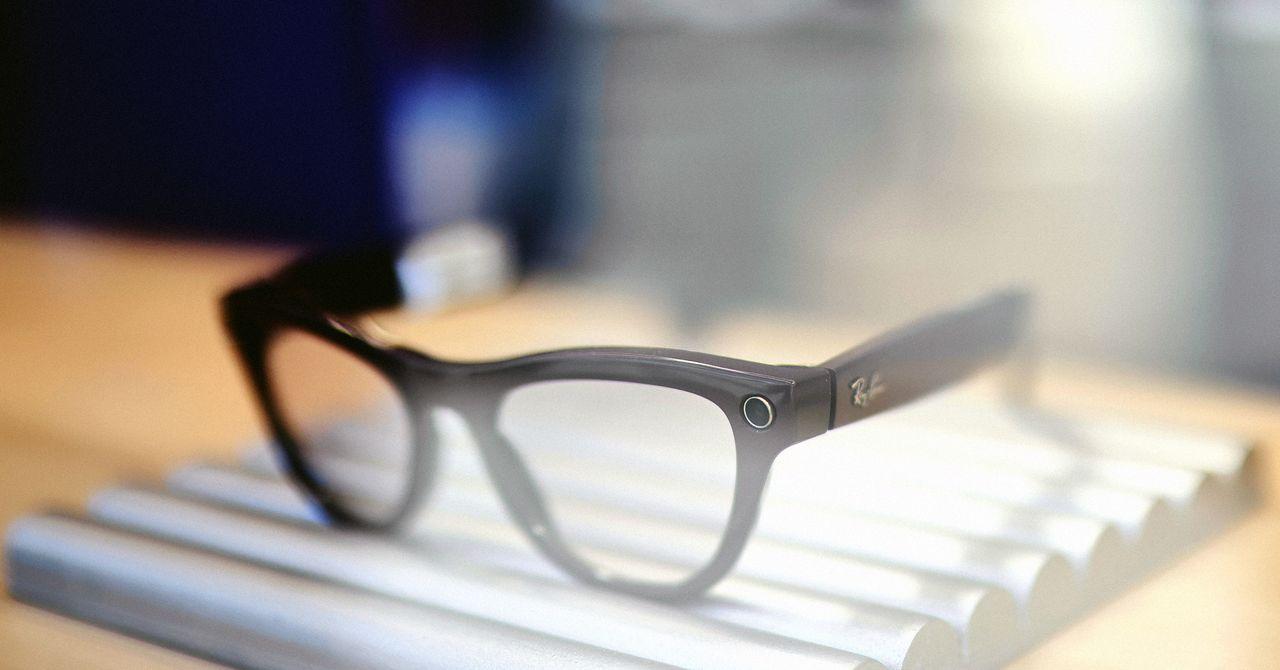
US Senators Ron Wyden and Edward Markey are investigating serious privacy risks with Meta smart glasses after disturbing reports of nonconsensual filming. The senators sent a letter to Mark Zuckerberg demanding answers by November 25, citing incidents where the AI camera glasses were used to secretly record women and capture intimate moments without consent.

US Senators Launch Investigation into Meta's AI-Powered Smart Glasses
US Senators Ron Wyden and Edward Markey have launched a formal investigation into Meta's AI-powered smart glasses, citing serious privacy risks and disturbing patterns of nonconsensual filming. In a letter to Mark Zuckerberg sent on Thursday, the senators accused Meta of launching "a product tailor-made for invading the privacy of its users and bystanders" despite identifying risks to vulnerable populations before the glasses went on sale in 2021.
1
3
The investigation into Meta demands responses by November 25, 2026, addressing critical questions about data capture, AI training practices, and safeguards against secret recording.Disturbing Incidents Drive Senate Scrutiny
The letter to Mark Zuckerberg highlights multiple disturbing invasions of privacy involving Meta smart glasses, which critics have dubbed "pervert glasses." According to 404 Media and BBC reports cited by the senators, men have used the AI camera glasses to secretly film women while harassing them and soliciting sexual services, with recordings reaching millions of views on social media.
1
3
More than 70 people who bought, used, or were recorded with Meta smart glasses have sued the company, alleging that intimate and sensitive images—including people undressing and engaging in sexual activity—were exposed to overseas contractors paid to review and label footage for AI training.2
3
Meta Knew About Risks Before Launch
According to Ron Wyden and Edward Markey, Meta's own human rights assessment identified privacy risks to women, children, and other vulnerable populations back in 2021, before the first Ray-Ban smart glasses went on sale.
3
The senators are demanding Meta explain whether it conducted detailed human rights due diligence and safety testing before releasing the product. They want to know if Meta assessed the risk of its glasses being used "to facilitate voyeurism, nonconsensual intimate image capture, or similar privacy invasions" and what safeguards were implemented to prevent such abuse.2
Key Questions About Data and Recording Indicators
The investigation into Meta specifically targets several technical and operational concerns. The US Senators are requesting information about accidental camera activation, whether recording indicators can be tampered with or bypassed, and whether the glasses blur faces and license plates for certain AI interactions as Meta does on Facebook and Instagram.
1
They also want clarity on what circumstances make imagery accessible to employees or contractors, how data is used for AI training, and whether users and bystanders can request deletion of biometric and other data collected by the glasses.2
Related Stories

Growing Global Concerns Over AI Camera Glasses
The privacy risks associated with Meta smart glasses extend beyond US borders. Several European regulators are examining whether the devices comply with the European Union's privacy rules, with France, Germany, and the Netherlands considering bans.
2
Norway is preparing restrictions on AI glasses in public spaces, while Oslo has already banned them in schools. Courts in England, Wales, and New York have imposed restrictions, and Australia is considering a ban in government workplaces.3
The New York City Police's counterterrorism unit raised surveillance concerns about the devices in January, and the glasses have been spotted on ICE agents during raids.1
What This Means for Meta and Smart Glasses Users
The senators' investigation signals mounting pressure on Meta to demonstrate meaningful safeguards against nonconsensual filming and data misuse. "Meta's professed commitment to privacy and preventing intimate image abuse rings hollow if the company cannot demonstrate meaningful steps to prevent its own products and practices from facilitating those harms," Wyden and Markey told Zuckerberg.
1
While Meta has introduced safeguards that disable recording when the camera's warning light is obstructed, critics argue a tiny blinking light offers insufficient protection once private footage has been captured.3
As Meta faces growing scrutiny, the company is reportedly preparing a new pair of smart glasses that removes the camera entirely, though this remains unconfirmed.2
The outcome of this investigation could reshape how AI-powered wearables balance innovation with bystanders' fundamental right to privacy.References
Summarized by

Navi
Related Stories
Ray-Ban Smart Glasses Face Privacy Backlash Over AI Training and Recording Without Consent
16 Mar 2026•Policy and Regulation
Meta smart glasses face lawsuit and UK probe after workers watched intimate user footage
03 Mar 2026•Policy and Regulation

AI Smart Glasses Face Growing Privacy Concerns and Regulatory Scrutiny Across Europe
12 Sept 2026•Policy and Regulation

Recent Highlights


Recent Highlights
Today's Top Stories












Don’t drown in AI news. We cut through the noise - filtering, ranking and summarizing the most important AI news, breakthroughs and research daily. Follow topics that matter to you and stay ahead.


