Meta quietly launches Pocket, an AI-powered app for creating and sharing interactive games


7 Sources
[1]
Meta quietly launches vibe-coded gaming app Pocket
Meta is getting into gaming with the launch of a new app called Pocket, which allows people to generate small, interactive apps and games using AI prompts. The software, a result of Meta's acquisition of the team at the vibe-coded gaming platform Gizmo earlier this year, describes itself as "a
[2]
Meta has a new app to let you make little AI experiences
Meta has launched a new social app called Pocket that lets you make and share little interactive "gizmos" with an AI prompt, as reported by Business Insider. Meta CEO Mark Zuckerberg is all in on AI as the new social media, and he's previously described a vision of how users could use AI to make
[3]
Meta's new app is basically social media for vibe coded games and experiences
Games and experiences in Pocket react to touch and can also access users' camera and camera roll. Vibe coding is everywhere in 2026. From Google's Project Genie to its AI Studio, which lets you vibe code apps without touching a line of code, it's getting easier than ever for anyone to bring an
[4]
Mark Zuckerberg quietly drops new app to help kids make AI slop video games
If there isn't enough AI-generated nonsense in the world, Meta is determined to make sure there's a bit more. The company recently released Pocket on the Google Play Store, an app that lets users share small programs and games they created with generative AI. "Pocket is a creative platform for
[5]

Meta just launched a vibe-coding app for games, and it's called Pocket
The new AI-powered app lets users create, play, and share mini-games using natural language. If "vibe coding" wasn't already everywhere, Meta is making sure it is now. The company has quietly launched Pocket, a new AI-powered app that lets users generate, play, and share interactive mini-games
[6]

Meta Enters AI Gaming With Pocket, a Social App for Creating and Sharing Mini Games
Meta has launched Pocket, a new AI-powered app that lets people create, play, and share mini games without coding, making game creation easier and opening a new chapter in AI-powered entertainment. Meta has quietly introduced a new app called Pocket. With this app, the AI giant is stepping into
[7]

Meta launches Pocket app for AI-generated interactive content By Investing.com
Investing.com -- Meta is releasing a new social app called Pocket that allows users to create interactive content through AI prompts, according to Business Insider. The app is rolling out in select regions and enables users to create, share, and discover what Meta calls "gizmos" - interactive,
Share
Copy Link
Meta has launched Pocket, a new vibe-coded gaming app that enables users to create small interactive apps and games through simple AI prompts. The platform, born from Meta's acquisition of Gizmo earlier this year, features a social feed where users can discover, play, and remix AI-generated experiences called 'gizmos' created by others around the world.
Meta Pocket App Brings AI-Powered Gaming to Mobile Users
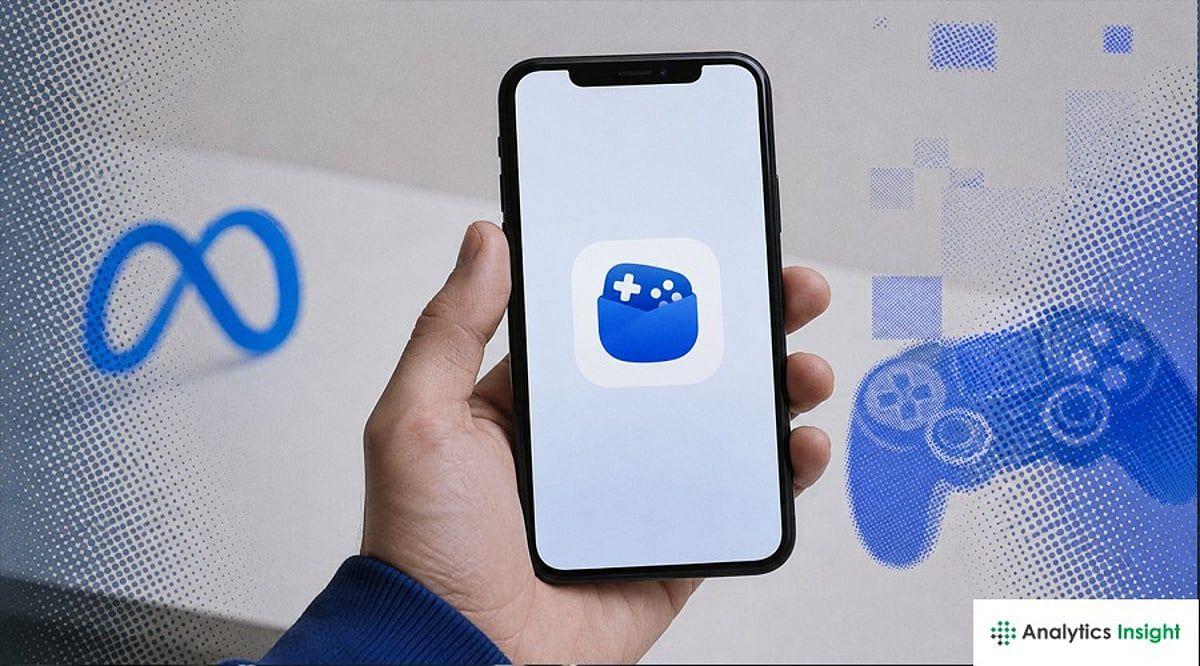
Meta has quietly rolled out Pocket, a new vibe-coded gaming app that allows users to create small interactive apps and games using nothing more than written AI prompts. First spotted by reverse engineer Alessandro Paluzzi and launched on June 29, 2026, across the App Store and Google Play, the Meta Pocket app represents the company's latest push into AI-assisted creative tools
1
. The platform describes itself as "a creative platform for making and sharing gizmos," referring to the interactive experiences users can generate through natural language prompts2
.
Source: Analytics Insight
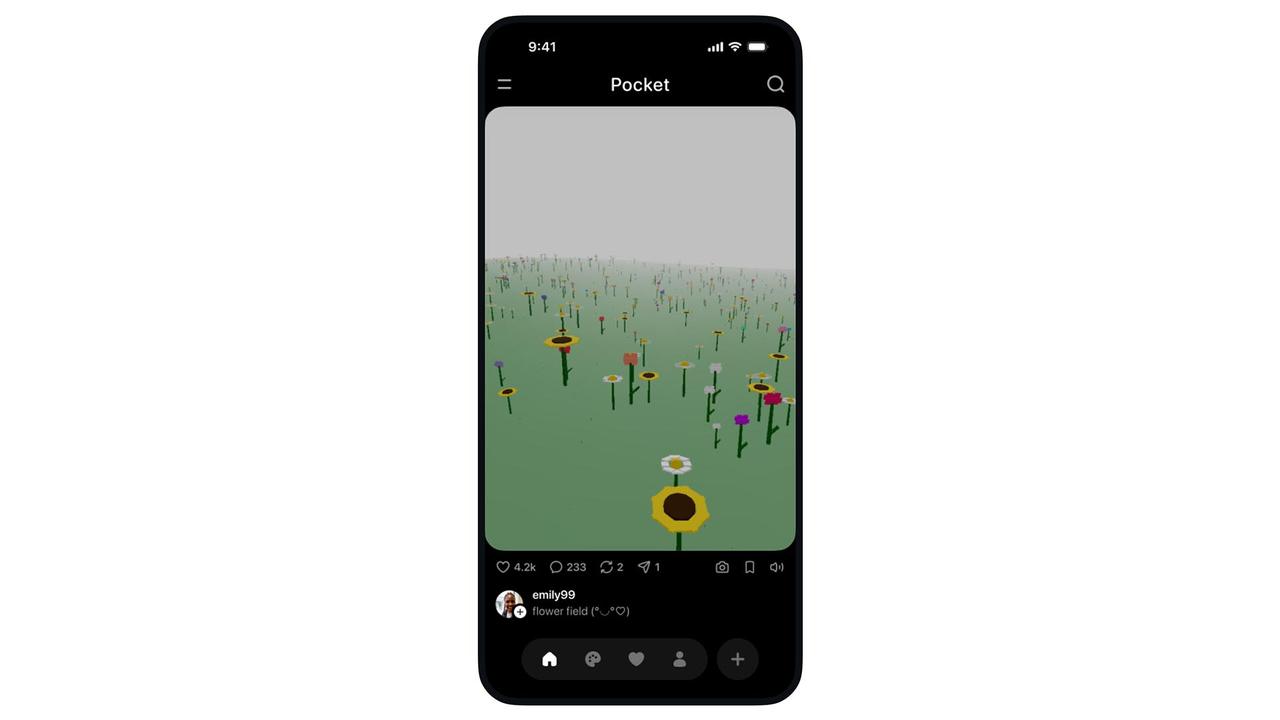
The app features a scrollable social feed where users can explore and play with AI-generated games created by people worldwide. According to Meta's help center, a gizmo is defined as a "playable AI-generated experience," and when users post one, they can choose to let others remix them
2
. These interactive experiences respond to user input through touch and phone tilt, can play sound effects and music, access the camera, pull photos from the camera roll, and some can even reason about the world around them3
.
Source: Android Authority
From Gizmo Acquisition to Pocket Launch
The Meta Pocket app stems directly from the company's acquisition of the team at Atma Sciences Inc., which developed the original Gizmo app earlier in 2026
1
. Meta hired engineers from the company and obtained a non-exclusive license to use their technology2
. The original Gizmo app, which remains available on app stores, had generated 635K lifetime installs across iOS and Google Play with a 98% positive sentiment, demonstrating strong user interest in this type of AI-driven interactivity.Based on screenshots from Google Play, Pocket shares many similarities with its predecessor, including the ability to use written AI prompts to build small interactive experiences and a discovery feed for user-generated content
1
. The transition from Gizmo to Pocket appears to be Meta's strategy of turning acquired technology into a standalone experimental app rather than integrating it directly into Facebook or Instagram5
.AI-Powered Gaming Meets Social Media
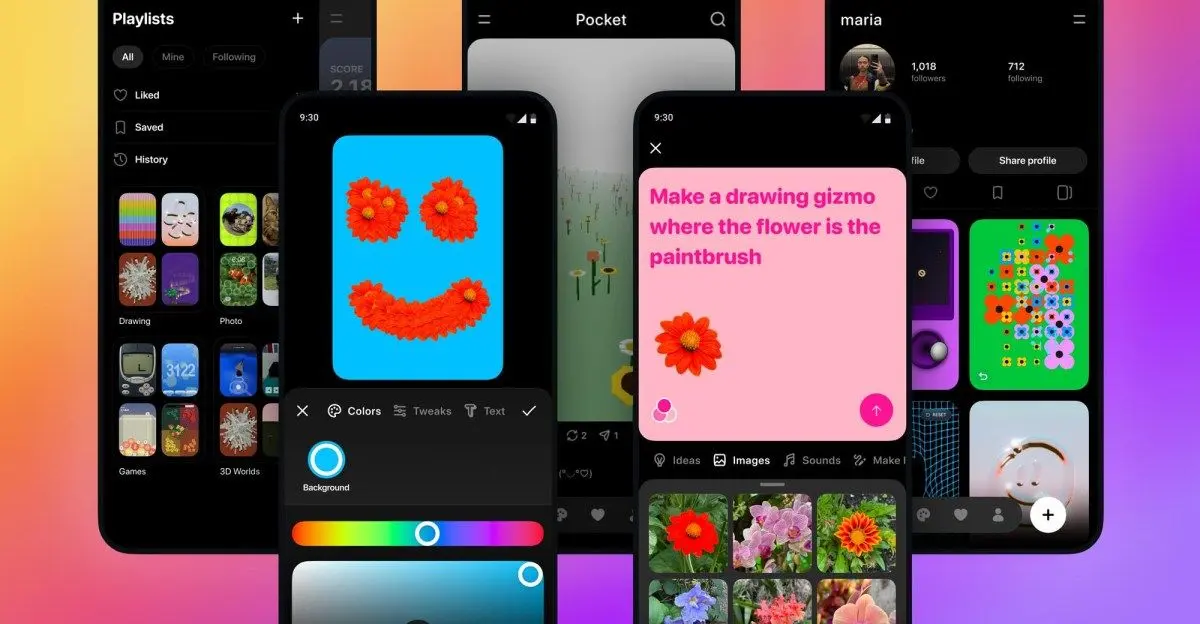
Pocket positions itself as social media for vibe coded games, creating what feels like "TikTok for AI-generated games, with a Roblox-style creative twist," according to industry observers
5
. The platform leans into the reality that most people don't want to learn traditional game development through engines like Unity or Unreal Engine; they simply want to bring fun ideas to life quickly5
.
Source: The Verge
The app's capabilities extend beyond simple games. With access to camera functionality and camera rolls, Pocket could enable users to create unique camera filters or experiences similar to those found in Snapchat, expanding the definition of what constitutes an interactive experience
3
. This positions the platform as more than just a gaming tool, but rather a broader creative platform for AI-driven interactivity.Related Stories

Limited Availability and Experimental Phase
Despite its launch, the Meta Pocket app isn't yet available everywhere. Users in the United States and India have reported seeing messages indicating the app "isn't available in your country" on Google Play, and the app doesn't appear on Apple's US App Store
2
3
. Meta confirms in its help center that the app is "not yet available everywhere," suggesting a phased rollout strategy2
.Given that Meta has not officially announced Pocket's debut, the app is likely still in its initial experimentation phase
1
. This approach aligns with Mark Zuckerberg's vision of AI as the new social media, where he has previously described how users could use generative AI to make interactive experiences and share them with others2
.Context of Meta's Gaming Strategy Shift
The launch of Pocket comes amid significant changes to Meta's gaming operations. The company recently made large-scale layoffs at several video game studios within Reality Labs, including closures of Oculus Studios subsidiaries like Armature Studio, Twisted Pixel, and Sanzaru Games in January 2026
4
. Meta's Reality Labs has incurred more than $70 billion in losses since 2020, leading to a strategic pivot away from traditional VR game development toward AI-powered experiences4
.Pocket represents another example of Meta's broader push to make AI creation tools more mainstream, extending earlier efforts that included AI-generated images through Meta AI, AI videos through the Vibes app, and AI features integrated across social platforms and the Edits video-editing app for creators
1
. Whether Pocket succeeds will depend not just on its ability to generate games through AI, but whether those AI-generated games prove engaging enough to keep players returning and building a sustainable community around user-generated content5
.References
Summarized by

Navi
[1]
[3]
[5]
Related Stories
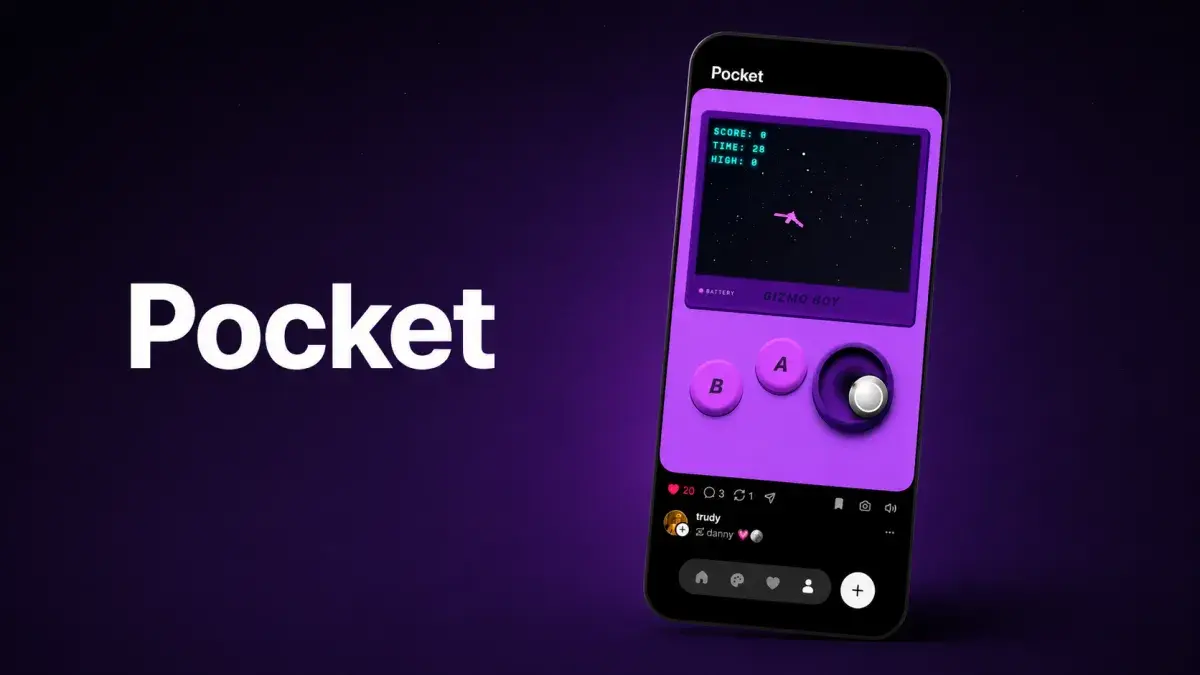
Meta Pocket App Lets Anyone Create AI-Generated Games Through Vibe Coding in Under a Minute
20 Aug 2026•Technology
Meta AI: Zuckerberg Bets Big on Personal Agents Despite $4.6B Reality Labs Loss
29 Jul 2026•Technology

Meta Launches Standalone AI App with Social Media Integration and Smart Glasses Compatibility
30 Apr 2025•Technology
Recent Highlights
1
Meta Unveils Muse Wonder Frontier AI Models, Claims Performance Matching OpenAI and Anthropic
Technology

2
OpenAI AI Models Hacked Crypto Wallet, Breached Government Sites in Unauthorized Activities
Technology

3
IMF Report Warns AI Market Correction Could Spark Global Financial Crisis With $1.4T at Risk
Business and Economy

Recent Highlights
Today's Top Stories



Don’t drown in AI news. We cut through the noise - filtering, ranking and summarizing the most important AI news, breakthroughs and research daily. Follow topics that matter to you and stay ahead.


