Meta's Ray-Ban Smart Glasses: AI Training Concerns Arise from User Data Collection


15 Sources
[1]
Meta confirms new Ray-Ban Meta AI glasses can harvest what wearers see
Meta has just released a new pair of AI-powered sunglasses with Ray-Ban, and now we have an idea of what Meta plans on doing with the images and videos captured by the glasses. For those who don't know, Meta's AI-powered Ray-Bans have a camera located in front of the glasses. The camera can be
[2]
Meta confirms it may train its AI on any image you ask Ray-Ban Meta AI to analyze
We recently asked Meta if it trains AI on photos and videos that users take on the Ray-Ban Meta smart glasses. The company originally didn't have much to say. Since then, Meta has offered TechCrunch a bit more color. In short, any image you share with Meta AI can be used to train its AI. "[I]n
[3]
Watch out - your Ray-Ban smart glasses photos are helping to train Meta AI
If you use your Ray-Ban Meta smart glasses all the time you might want to be careful of what you're snapping pictures of, and what you're asking Meta AI, through them, as Meta has confirmed that it may use these visual and audio inputs to train its smart assistant. That's by its own admission, in
[4]
Your Ray-Ban Meta glasses are feeding Meta's AI -- Here's how
Meta has confirmed that any images taken through it can also be used to train its AI models. The company initially dodged the question and then responded to TechCrunch, saying that while photos and videos taken on the Ray-Ban Meta glasses can't be used for training unless they're sent to AI, once
[5]

Meta will use pictures and voice recorded by its Google Glass-style Ray Ban 'smart glasses' to train AI
Using the glasses' "Meta AI" features -- a main selling point of the device -- on an image makes it fair game for the company to hoover up. In today's installment of the AI boom turning privacy into a quaint anachronism cherished by people born before the year 2000, Facebook parent company Meta
[6]

Meta Is Training Its AI on Your Analyzed Ray-Ban Smart Glasses Images, Videos
If you ask Meta AI to analyze an image or video you take with your Ray-Ban Smart Glasses, Meta will feed that content into its AI for training. Meta is hungry for AI training data -- and is using more than just your Instagram and Facebook posts to get it. The company has confirmed that any images
[7]

Meta is Probably Training AI on Images Taken by Meta Ray-Bans
Facebook parent company Meta last week added new AI features to its camera-equipped Ray-Ban Meta Glasses. You can use the camera feature on the glasses to get information about what's around you and to remember things like where you parked. There's also now support for video for AI purposes, for
[8]
Meta won't say whether it trains AI on smart glasses photos
Meta's AI-powered Ray-Bans have a discreet camera on the front, for taking photos not just when you ask them to, but also when their AI features trigger it with certain keywords such as "look." That means the smart glasses collect a ton of photos, both deliberately taken and otherwise. But the
[9]

Meta won't answer whether it's smart glasses are using the images you record to train its AI
Meta has very pointedly dodged the question of whether it's camera-equipped smart glasses are using user-generated images to train the company's artificial intelligence models. Anuj Kumar, a senior director at Meta, was asked point blank by TechCrunch during an interview whether or not pictures
[10]

The captures you make with the Ray-Ban Meta "could" be used to train their AI - Softonic
For Meta, this is made very clear in the interface of the glasses We could sense it, but for the moment, there was no official confirmation. Could it be possible that Meta is training its own artificial intelligence with the photos and videos users take with their Ray-Ban Meta? The answer seems to
[11]

Meta Might Be Using Photos Taken on Ray-Ban Smart Glasses to Train AI
When asked this week if Meta is using photos taken on Ray-Ban smart glasses to train its AI, company representatives refused to deny or confirm. In an interview with Tech Crunch on Monday, Meta was asked if it plans to train its AI models on the images taken by customers' Ray-Ban Meta Smart
[12]

Videos Takes With Ray-Ban Meta Smart Glasses Might Not Remain Private
Ray-Ban Meta smart glasses can now be activated with "Hey Meta" command Meta is reportedly staying quiet on whether it is collecting video and image data from its artificial intelligence (AI) wearable device Ray-Ban Meta smart glasses to train its large language models (LLMs). The company
[13]

Meta won't say if Ray-Ban Meta photos are used to train AI
The Ray-Ban Meta glasses allow users to take photos and videos, but Meta AI can also harness your camera to give you answers about the world around you. More recently, the company announced the ability to passively stream video and get continuous assistance from Meta AI. But Meta's reluctance to
[14]

Meta's Privacy Riddle: Where Do Ray-Ban Smart Glasses Videos Go?
The glasses sport enhanced video abilities allowing users to interact with Meta AI about their surroundings. The users will interact live via the glasses by deploying the "Hey Meta" command. For example, a user might ask the AI details for about the historical site they are visiting while
[15]

Mark Zuckerberg's Meta Can Use Ray-Ban Images You Click To Train AI: There's No Opt Out Either - Meta Platforms (NASDAQ:META)
Meta Platforms Inc. META has confirmed that it may use any image shared with Meta AI for training purposes, including those captured on Ray-Ban Meta smart glasses. What Happened: Meta initially did not disclose whether it trains its AI on photos and videos taken on the Ray-Ban Meta smart glasses.
Share
Copy Link
Meta confirms that images and videos analyzed by AI features in Ray-Ban Meta smart glasses may be used to train its AI models, raising privacy concerns for users and bystanders.

Meta Confirms AI Training Using Ray-Ban Smart Glasses Data
Meta, the parent company of Facebook, has recently confirmed that images and videos captured by its new Ray-Ban Meta smart glasses can be used to train its artificial intelligence models. This revelation has sparked concerns about privacy and data usage among users and privacy advocates alike
1
2
.Smart Glasses Features and AI Integration
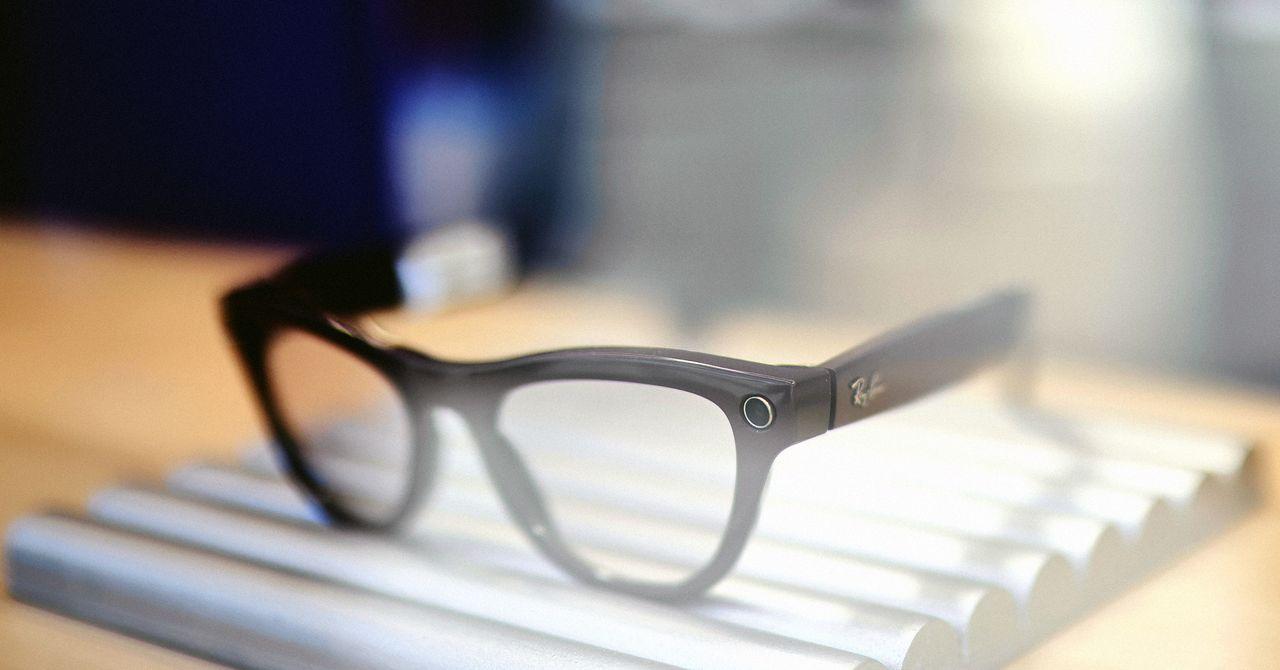
The Ray-Ban Meta smart glasses, a collaboration between Meta and Ray-Ban, come equipped with a camera capable of capturing photos and videos. The glasses also feature an AI assistant that can be activated using voice commands. Users can prompt the AI to analyze their surroundings by using keywords such as "look" followed by a question
1
.Data Usage for AI Training
Meta's policy communications manager, Emil Vazquez, clarified that "in locations where multimodal AI is available (currently US and Canada), images and videos shared with Meta AI may be used to improve it per our Privacy Policy"
2
. This means that any image or video analyzed by the AI assistant becomes eligible for use in training Meta's AI models3
.Privacy Concerns and Implications
The revelation raises several privacy concerns:
- User awareness: Many users may not realize that their images and videos are being used to train AI models
2
. - Consent issues: The glasses can potentially capture images of people who have not consented to be recorded or have their data used for AI training
1
. - Personal data exposure: Users might inadvertently share sensitive information about their homes, loved ones, or personal documents
2
.
Opt-out Limitations
Currently, the only way to opt out of having images used for AI training is to avoid using the AI analysis features altogether. Meta states that this policy is clearly outlined in the user interface and terms of service
3
4
.Related Stories

Broader Implications for AI and Privacy
This development is part of a larger trend in AI development, where user-generated content is increasingly used to train AI models. Meta already trains its Llama AI models on public posts from American users on Instagram and Facebook
2
.Future Developments and Concerns
As Meta continues to develop AI-powered wearables, questions arise about the balance between technological advancement and privacy protection. The ease of activating AI features with natural speech may lead to unintended data sharing
5
.Industry Response and User Recommendations
Privacy advocates and industry observers recommend that users exercise caution when using AI-powered devices like the Ray-Ban Meta glasses. They suggest being mindful of what images are shared with the AI assistant and understanding the potential implications of data usage
4
5
.As the AI industry evolves, there is a growing need for clearer communication about data usage policies and more comprehensive opt-out options that don't compromise device functionality
5
.References
Summarized by

Navi
Related Stories
Meta Expands AI Features on Ray-Ban Smart Glasses, Raising Privacy Concerns
24 Apr 2025•Technology

Meta AI Glasses Get Recording LED Safeguard Amid Growing Privacy Concerns and Secret Filming Cases
08 Jul 2026•Technology

Ray-Ban Smart Glasses Face Privacy Backlash Over AI Training and Recording Without Consent
16 Mar 2026•Policy and Regulation
Recent Highlights



Recent Highlights
Today's Top Stories






Don’t drown in AI news. We cut through the noise - filtering, ranking and summarizing the most important AI news, breakthroughs and research daily. Follow topics that matter to you and stay ahead.


