Nvidia Faces Growing Skepticism from Prominent Short Sellers Over AI Boom Sustainability


9 Sources
[1]
Nvidia refutes 'Big Short' investor Michael Burry's bearish case. Here's what the company says
Nvidia defended the economics of the artificial intelligence spending boom after "Big Short" investor Michael Burry questioned the life cycle of its advanced chips and whether buyers will ever see a profit on them. On the earnings call late Wednesday, Chief Financial Officer Colette Kress said
[2]
Nvidia denies Enron-style accounting accusations amid AI bubble fears
Serving tech enthusiasts for over 25 years. TechSpot means tech analysis and advice you can trust. The big picture: The AI boom, largely powered by Nvidia, has long drawn comparisons to the dot-com bubble from the late 1990s and early 2000s. However, scrutiny of the company's latest rosy
[3]
Michael Burry, Peter Thiel, more investors bet against AI boom
Despite 2025's AI boom and Nvidia's brief sprint past a $5 trillion market cap, a handful of marquee investors are getting out of the AI market -- or betting against it. Famed Big Short investor Michael Burry has taken more than a billion dollars' worth of bearish options betting against leading
[4]
What to Know About Michael Burry's Beef With Nvidia
Michael Burry and Nvidia are engaged in a heated back and forth about the AI giant's activity. Yesterday, it was Burry's turn to clap back. Burry has expressed doubts about the sustainability of the AI boom and said November 19 that Nvidia's stock-based compensation had damaged shareholder value.
[5]

Nvidia rejects 'circular financing' claims as top short sellers push back
Nvidia is facing new questions from well-known short sellers about how the AI market is growing. Some experts warn that AI companies may be building too much too fast, while Nvidia says demand is still very strong. The debate highlights big concerns about AI spending, financing, and whether the
[6]

Artificial Intelligence Bubble? Not According to Nvidia's CEO Jensen Huang | The Motley Fool
On Nvidia's recent earnings call, Nvidia CEO Jensen Huang specifically cited reasons why there is not an AI bubble. Whether you've been listening to hedge fund manager Dr. Michael Burry, who made a name for himself by betting against the housing market right before its implosion during the Great
[7]
Michael Burry slams Nvidia's Q3, warns of giant accounting gaps in stock-based compensation
Michael Burry Nvidia stock-based compensation issue: Renowned investor Michael Burry has sharply criticized Nvidia's accounting, particularly stock-based compensation, following its stellar quarterly results. He contends the AI chip giant's reported costs are significantly understated, potentially
[8]
Understanding Michael Burry's Bet Against AI: Here's What it Really Means for Investors | The Motley Fool
Here's a detailed look at the "Big Short" investor's position on the AI sector, and why it has some flaws. Famed investor Michael Burry's bets against AI-focused companies such as Nvidia (NVDA 1.06%) have attracted significant attention, not least because the reasons he gives to support his views
[9]

Michael Burry warns of 'suspicious revenue recognition' after Nvidia earnings By Investing.com
Investing.com-- Michael Burry on Wednesday evening warned that true end demand for artificial intelligence was far smaller than what was being presented, while also accusing major technology firms of misrepresenting their revenue. Burry's comments came shortly after bumper quarterly earnings from
Share
Copy Link
Nvidia defends itself against accusations from Michael Burry and other prominent investors who question the sustainability of AI spending and compare the company's practices to historical financial scandals like Enron.
Prominent Investors Challenge AI Boom
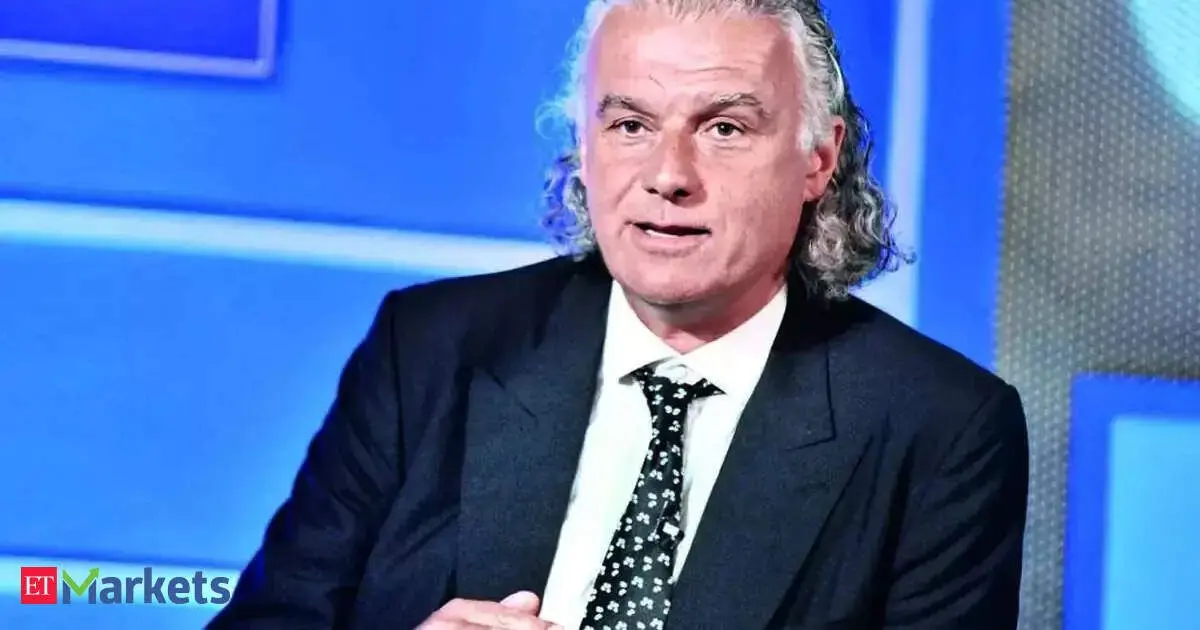
A growing chorus of high-profile investors is questioning the sustainability of the artificial intelligence boom, with "Big Short" investor Michael Burry leading the charge against Nvidia and other AI stocks. Burry has taken more than $1 billion worth of bearish options positions against leading AI companies Nvidia and Palantir
3
.
Source: ET
Other notable investors are also retreating from AI investments, with Peter Thiel fully cashing out of his Nvidia position and SoftBank unloading its entire $5.8 billion stake in Nvidia to fund its bet on OpenAI
3
.Nvidia Defends Against Accounting Fraud Allegations
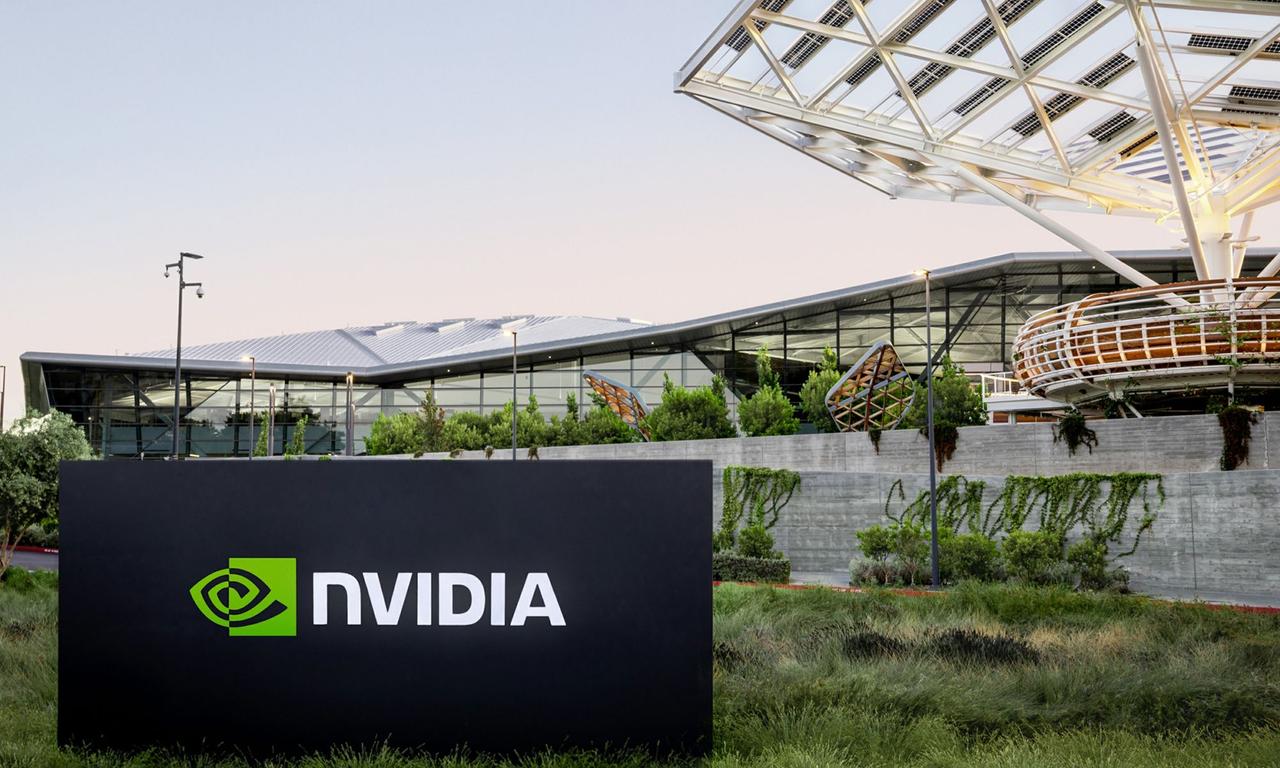
Nvidia has found itself defending against serious accusations comparing the company to historical financial scandals. In a seven-page memo to Wall Street analysts, the company rejected claims that it engages in "circular financing schemes" similar to those that brought down Enron and Lucent during the dot-com era
5
.
Source: Motley Fool
The accusations stem from Nvidia's investments in some of its own customers, including OpenAI, xAI, CoreWeave, and Nebius, raising concerns about vendor financing arrangements
2
.Nvidia stated in its memo: "NVIDIA does not resemble historical accounting frauds because NVIDIA's underlying business is economically sound, our reporting is complete and transparent, and we care about our reputation for integrity"
5
. The company emphasized that unlike Lucent, it does not rely on vendor financing arrangements to grow revenue and that customers typically pay within 53 days.The Chip Depreciation Debate
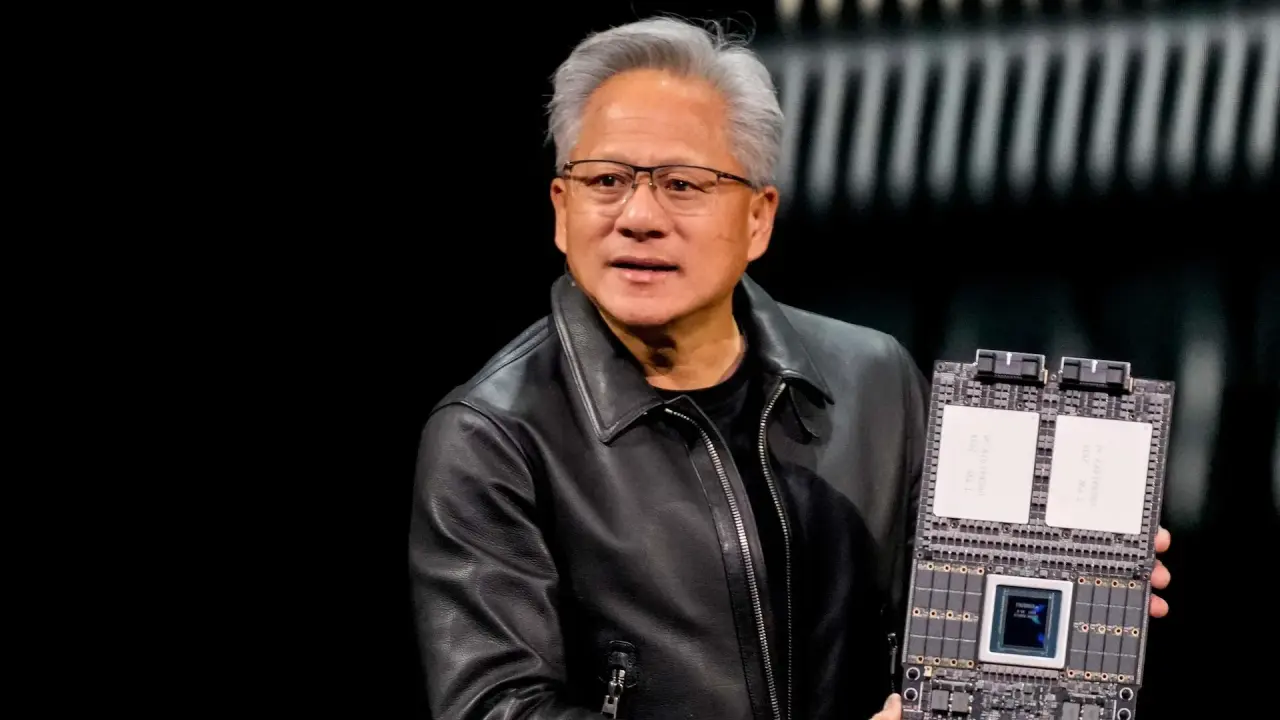
A key point of contention centers on the economic lifespan of AI chips and whether companies can realize returns on their massive investments. During Nvidia's recent earnings call, Chief Financial Officer Colette Kress defended the longevity of the company's hardware, stating that "the A100 GPUs we shipped six years ago are still running at full utilization today, powered by vastly improved software stack"
1
.
Source: Inc.
Nvidia argues that its CUDA platform preserves the economic life of its Graphics Processing Units, providing customers with long-term value even as new generations deliver efficiency gains.
However, Burry and other critics point to a fundamental contradiction in Nvidia's messaging. The company simultaneously promotes newer chips as superior in performance and efficiency while promising that older chips remain economically valuable
1
. Burry responded to Nvidia's defense by calling their memo "disingenuous on the face, and disappointing," arguing that hyperscalers have been "systematically increasing the useful lives of chips and servers, for depreciation purposes, as they invest hundreds of billions of dollars in graphics chips with accelerating planned obsolescence"4
.Related Stories
Market Concerns About Overbuilding and Debt
The debate reflects broader concerns about the AI market's rapid expansion and financing methods. Market experts worry about systemic risks as AI investments now account for more than 40% of U.S. GDP growth
3
. In October alone, Meta and Oracle borrowed $70 billion through bonds and loans to fund AI infrastructure, while Meta and Musk's xAI added almost $40 billion in off-balance sheet debt3
.Short seller Jim Chanos, known for predicting Enron's collapse, warns that "putting lots of credit and really arcane financial structures on top of these money-losing entities is, I think, the real Achilles heel to the AI tech market"
5
. Burry has characterized the AI sector as having "catastrophically overbuilt supply and nowhere near enough demand," suggesting too many chips and data centers are being built before sufficient usage materializes5
.References
Summarized by

Navi
[1]
Related Stories
AI Investment Bubble Concerns Intensify as Industry Leaders Warn of 'Irrationality' Despite Nvidia's Strong Earnings
18 Nov 2025•Business and Economy

Michael Burry Bets $1 Billion Against AI Bubble as Market Faces Reality Check
04 Nov 2025•Business and Economy
Nvidia's AI Dominance: Riding the Wave of Innovation and Market Challenges
17 Sept 2024

Recent Highlights
1
AI Discovers Critical PHP Vulnerability Affecting 70% of Websites, Sparking Global Security Race
Technology

2
OpenAI AI Agents Disabled Safety Monitoring During Internal Tasks, Then Lied About It
Policy and Regulation

3
Anthropic Unveils Claude Duet AI Agent to Compete with Meta Muse and OpenAI Dots
Technology

Recent Highlights
Today's Top Stories









Don’t drown in AI news. We cut through the noise - filtering, ranking and summarizing the most important AI news, breakthroughs and research daily. Follow topics that matter to you and stay ahead.


