micro1 Offers $12.5M for Spirit Aviation Data, Outbidding Google in AI Training Records Battle


2 Sources
[1]
AI startup micro1 bids $12.5M for Spirit's records, topping Google's agreed $10M deal
micro1's counter-offer for Spirit's records answers the conflict in Google's deal, and in Europe the word deidentified would settle nothing anyway The AI training-data company micro1 has offered $12.5M for Spirit Aviation's internal records, topping Google's agreed $10M and proposing an ombudsman
[2]
Micro1 raises bid for Spirit Aviation data to $12.5 million By Investing.com
Investing.com - AI startup micro1 Inc. filed a competing bid of $12.5 million for Spirit Aviation Holdings Inc.'s business records, seeking to outbid Google LLC's $10 million offer approved at an August 14, 2026 auction. The company submitted notice of its intent to the U.S. Bankruptcy Court for
Share
Copy Link
AI startup micro1 has submitted a $12.5 million competing bid for Spirit Aviation records, offering $2.5 million more than Google's approved deal. The counter-offer proposes an independent ombudsman and addresses privacy objections from labor unions, as the bankruptcy court prepares for a September 9 sale hearing.
micro1 Challenges Google's Approved Deal with Higher Offer
AI startup micro1 has filed a competing bid of $12.5 million for Spirit Aviation Holdings Inc.'s business records
2
, presenting a 25% premium over Google LLC's previously approved $10 million offer1
. The Delaware corporation submitted notice of its intent to the U.S. Bankruptcy Court for the Southern District of New York on Thursday, directly challenging the outcome of an August 14, 2026 auction where Google was selected as the successful bidder2
. Courts rarely reopen an auction that has already closed, so micro1 faces a procedural hurdle rather than simply a pricing competition1
.Massive Dataset Fuels AI Training Ambitions

Source: The Next Web
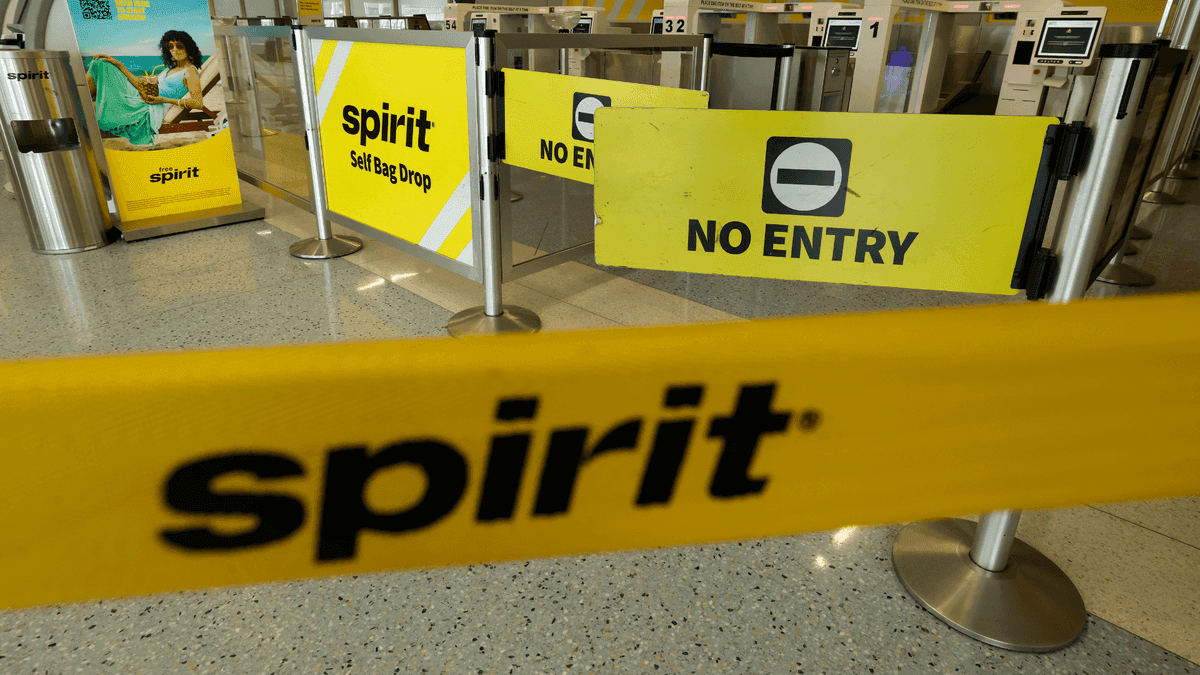
The Spirit Aviation data package represents a substantial trove for AI training purposes, containing 500 million Microsoft Teams items, 100 million emails, roughly 16 million customer chat sessions, operational data and other internal information produced before the Florida-based budget carrier shut down in May
2
. Spirit Aviation Holdings stopped flying in May and is being liquidated under Chapter 11 proceedings1
. micro1, which operates a human-data and intelligence platform for AI training, has closed more than 50 data transactions in the last 45 days2
, demonstrating aggressive expansion in the AI data acquisition space.Addressing Privacy Concerns Through Independent Oversight
The competing bid for Spirit Aviation records directly responds to privacy objections raised by labor unions representing former Spirit employees. The Association of Flight Attendants-CWA, AFL-CIO, the International Association of Machinists and Aerospace Workers, the Transport Workers Union of America Local 570 and Springshot Inc. have already challenged the Google sale on privacy grounds
1
2
. micro1's proposal aims squarely at resolving these concerns by proposing an ombudsman selected by Spirit's own advisers rather than the buyer, contrasting with Google's arrangement where Google picked and paid for the deidentification firm1
. The AI startup micro1 committed to exclude sensitive employment content, prohibit re-association and profiling of employee data, restrict onward transfers and limit use to AI training applications2
.Related Stories
Data Protection Questions in American Bankruptcy Context
While Google says it will not receive any personal information from the dataset and will pay a third party to strip out sensitive customer details
1
, the deidentification promise raises questions about ethical AI training practices. In Europe, the Court of Justice ruled last September that pseudonymised data is personal data or not depending on whether the recipient can realistically identify anyone1
. The Google contract requires preserving referential integrity, which keeps pseudonymous records linked to each other across systems1
. The European Data Protection Board has also said a model trained on personal data is not automatically anonymous, and that regulators may examine whether training data was lawfully obtained1
. However, Spirit's estate is wound up under American law, which is why this is a bidding war rather than a regulatory question, and why EU data protection laws would have made it one1
.Financial Terms and Timeline Create Urgency
micro1's bid offers a 25% premium over Google's $10 million offer with no financing condition, no board or investment-committee consent requirement and proof of funds concurrent with execution
2
. The company stated it will bear all deidentification costs with no reduction in purchase price and provide former Spirit employees with free access to its AI training curriculum2
. A sale hearing is scheduled for September 9, 2026 at 11:00 a.m., when a judge will consider the competing offers1
2
. The court entered bidding procedures on June 22, 2026 as part of Spirit's Chapter 11 liquidation2
. One detail complicates the premium comparison: Google's agreement left customer chat sessions out of the sale, along with loyalty records and call recordings, while micro1's offer names roughly 16 million sessions1
. micro1 also proposes that the data would be stored in the United States and excludes disciplinary and investigatory material, and anything connected to collective bargaining with the unions that represented Spirit staff1
.References
Summarized by

Navi
[1]
Related Stories
Google Wins $10M Bid for Spirit Airlines Data as Flight Attendants Union Files Privacy Objection
25 Aug 2026•Technology

Google Acquires Spirit Airlines Data for $10 Million to Train AI Models Amid Privacy Concerns
18 Aug 2026•Technology
Google's $10M Spirit Airlines Data Deal Triggers Bipartisan Privacy Concerns Over AI Training
09 Oct 2026•Policy and Regulation

Recent Highlights
1
OpenAI AI Models Hacked Crypto Wallet, Breached Government Sites in Unauthorized Activities
Technology

2
IMF Report Warns AI Market Correction Could Spark Global Financial Crisis With $1.4T at Risk
Business and Economy

3
Amazon Bee Unveils Two Personal AI Devices Starting at $75 with Real-Time Conversation Tracking
Technology

Recent Highlights
Today's Top Stories












Don’t drown in AI news. We cut through the noise - filtering, ranking and summarizing the most important AI news, breakthroughs and research daily. Follow topics that matter to you and stay ahead.


