SpaceX Eyes Buying Data from Failed Startups to Train Grok AI Models


6 Sources
[1]
SpaceX Reportedly Wants to Buy Data from Failed Startups for AI Training
The AI race has kicked off a new gold rush for training data, and companies are leaving no stone unturned in collecting as much as they can. According to a Bloomberg report, the Elon Musk-led SpaceX is currently pursuing customer and operational data from defunct and struggling startups. The
[2]
SpaceX weighs buying data from troubled startups to train its AI models
The unit doing the buying is the same one Ireland's regulator is already investigating over how Grok was trained in the first place SpaceX has held informal internal talks about buying customer and operational records from troubled or defunct startups to train its AI models, Bloomberg reported.
[3]
Elon Musk Reportedly Seeking Customer Data From Dead Startups to Train AI
AI needs data to train, and data costs a good penny. Seems like all the user data on X and all the data SpaceX has ever produced hasn't been enough for Elon Musk's Grok, because he has a new solution to the conundrum: buying customer data from defunct companies for cheap. Left scrabbling for data,
[4]
Your Data Could Outlive the Startup You Gave It To. Elon Musk Wants to Buy What's Left
SpaceXAI told staff in August it would train Grok on the entirety of SpaceX's own internal records, with Musk telling employees the model would effectively absorb who they are. Elon Musk's SpaceX has been talking, internally, about buying the leftover customer files of startups that already went
[5]

SpaceX Wants to Get Data for Grok Using This Controversial Bargain-Basement Method
Elon Musk's rocket company is busy thundering ahead with its ambitious Starship plans right now. But even as the giant gleaming rocket steals headlines, SpaceX's AI wing is also advancing its plans -- Musk does, after all, want to launch up to a million AI processing satellites into orbit aboard
[6]

SpaceX Considers Buying Data From Defunct Startups for AI Models
Space Exploration Technologies Corp. designs, manufactures, launches, and operates products and services built on technologies, including rockets and spacecraft. The Company's segments include Space, Connectivity, and AI. Its Space segment designs, manufactures, and launches reusable rockets to
Share
Copy Link
SpaceX has held informal talks about purchasing customer and operational data from struggling or defunct startups to train its Grok AI models. The move mirrors Google's $10 million Spirit Airlines data acquisition and raises significant privacy concerns as the company spent $15.8 billion on AI development last quarter.
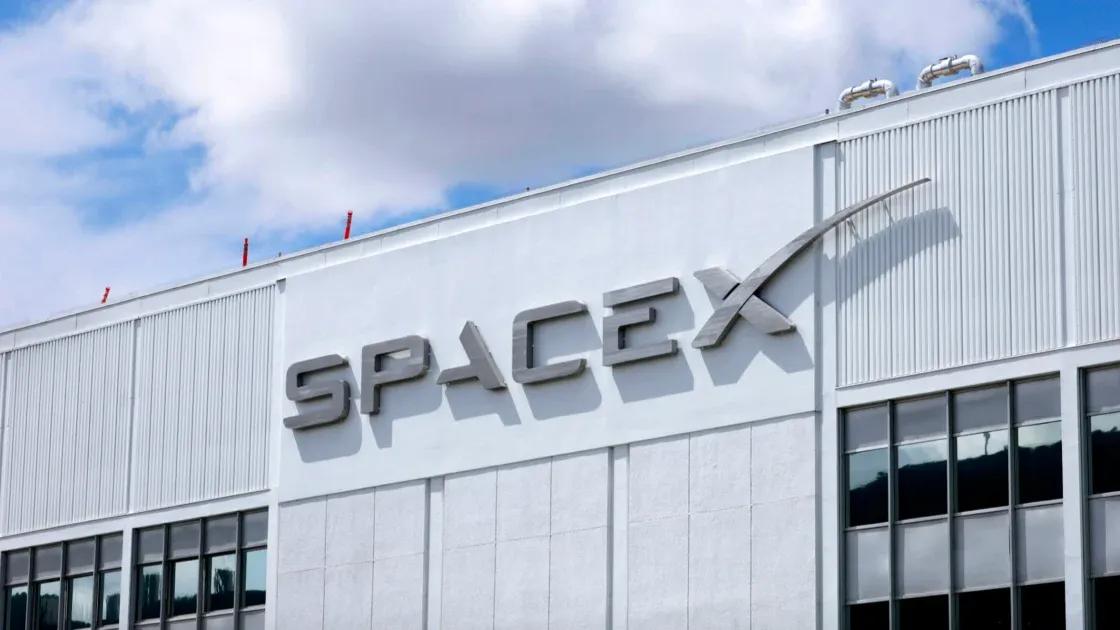
SpaceX Pursues Unconventional Data Strategy for AI Training
SpaceX has begun internal discussions about buying customer and operational data from troubled or defunct startups to train its AI models
1
2
. The talks, currently informal and not yet resulting in confirmed deals, represent a strategic shift as the company seeks cheaper alternatives to fuel Grok's development. The buyer would be SpaceXAI, the artificial intelligence division that emerged in February when SpaceX merged with xAI4
. This approach targets digital assets of defunct startups that can no longer object to how their data gets used, offering access to proprietary datasets at bargain prices compared to licensing agreements with operating companies.The strategy addresses a critical challenge facing AI development: securing high-quality AI training data. SpaceX committed $15.8 billion to AI development in its previous quarter, even as xAI ended with a $1.3 billion net operating loss
3
. Currently, Grok lags behind competing models from Anthropic, OpenAI, and Meta across multiple metrics. The company already uses X posts to train Grok models unless users opt out, but these models need additional real-world business information to improve their outputs and use cases1
.Google's Spirit Airlines Deal Sets Precedent
The template for this approach comes from Google's recent $10 million bid for Spirit Airlines' business data at a bankruptcy auction
1
. That archive contained 100 million company emails, 500 million Microsoft Teams messages, aircraft operations data, employee productivity information, 1 million time-card records, and hundreds of thousands of employee records including tax forms and employment contracts3
. The difference is that SpaceXAI is describing a method rather than bidding at one specific auction, signaling a systematic approach to data acquisition2
.Chapter 11 bankruptcy proceedings treat customer databases like office furniture, auctioning them to the highest bidder without requiring customer consent
4
. By the time the gavel drops, there's no company left for customers to complain to, creating a legal grey area that AI companies are increasingly exploiting during this AI gold rush.Privacy Concerns and Regulatory Scrutiny
The strategy immediately triggers ethical and privacy concerns. Ireland's Data Protection Commission opened an inquiry in April 2025 into whether EU and EEA users' public posts were lawfully processed to train the Grok models
2
. The regulator had already used emergency High Court powers against X the previous August. Under data protection laws, consent does not travel with a database—the buyer becomes a new controller and must find its own lawful basis, which presents a harder problem than price2
.A customer of a company that no longer exists has no expectations about Grok. SpaceXAI's European privacy notice relies on legitimate interests to improve its models and names a US entity as the controller for European users, with all processing happening in American data centers
2
. However, the European Data Protection Board's 2024 opinion states this basis turns partly on what people would reasonably expect.The Association of Flight Attendants filed an objection with the bankruptcy court regarding Google's Spirit Airlines purchase, arguing that "de-identifying" data only covers consumers, leaving employees' private data vulnerable
3
. "A pseudonymized dataset can still disclose which crew bases generated grievances, how a small subset of flight attendants performed on recurrent training, which employees were subject to investigation, what compensation adjustments followed which events, and what employees said to one another about management, staffing, or their union," the objection stated. The bankruptcy court has postponed approval of the purchase3
.Related Stories

Ambitious Plans for Grok Development
Elon Musk has positioned this data acquisition as essential for Grok's advancement. xAI's current flagship model is Grok 4.6, with plans to release Grok 4.7 this month and Grok 5 launching before year's end
1
. Musk claims Grok 5 will reach AGI-level capabilities3
. "With Grok 5, which should be out before the end of this year, we will be incorporating the entire corpus of SpaceX data," Musk said during SpaceX's first earnings call last month. "Basically, all the data that SpaceX has ever produced, which is a tremendous amount over the course of a quarter century, will be incorporated into Grok training. We think this will make Grok by far the best engineer"1
.In August, Musk told SpaceX employees the company would train Grok on the entirety of SpaceX's internal records. "It will inherit your thoughts," Musk reportedly told staff, framing it as employees raising the model since it would absorb their outlook along with their work
4
. This represents a change of direction from SpaceXAI's previous approach of training Grok on X posts and using in-house AI tutors, a hiring program that was paused in June2
.Broader Industry Implications
This development reflects a wider industry struggle to secure training data ethically. Numerous AI companies face legal battles over web scraping efforts. The New York Times filed a lawsuit in 2023 against OpenAI for violating intellectual property rights, alleging "millions of articles" were used without permission
5
. Anthropic triggered controversy when it emerged the company was purchasing old books en masse, scanning and destroying them to train its AI models5
.Facilitating failed companies' sale of employee data to AI labs has become a niche market of its own as agentic AI makes its way into the workplace
3
. The 23andMe collapse offers another example—Regeneron Pharmaceuticals paid $256 million for the company in May 2025 but committed to abiding by existing data protection protocols5
. Watch how bankruptcy courts handle data privacy objections and whether regulators establish clearer guidelines for AI companies acquiring data from troubled startups. The outcome will shape whether buying data from failed startups becomes standard practice or faces significant legal barriers.References
Summarized by

Navi
Related Stories
SpaceX warns orbital AI data centers may never work as $1.75 trillion IPO looms
22 Apr 2026•Business and Economy
SpaceX bets $26.5 trillion AI future on struggling Grok as federal adoption stalls
21 May 2026•Business and Economy

xAI burns $6.4 billion as SpaceX IPO filing reveals why AI spending will accelerate further
14 May 2026•Business and Economy
Recent Highlights



Recent Highlights
Today's Top Stories






Don’t drown in AI news. We cut through the noise - filtering, ranking and summarizing the most important AI news, breakthroughs and research daily. Follow topics that matter to you and stay ahead.


