Micron Demonstrates 512GB DDR5 Module at 9200 MT/s, Enabling 12TB Memory in Next-Gen AI Servers


2 Sources
[1]
Micron Crams 512 GB Memory Into A Single DDR5 Stick, Pushing Next-Gen Intel And AMD Servers To 12 TB at 9200 MT/s
Micron has demoed the world's first 512 GB DDR5 memory module that hits speeds of up to 9200 MT/s, enabling next-generation servers. AI Demand Pushes Memory Makers To Produce Denser DDR5 Modules, Now Packing 512 GB & 9200 MT/s In Micron's Latest Design Agentic AI and memory-intensive workflows
[2]
Micron Technology, Inc. Announces Demonstration Of 512GB DDR5 RDIMM Module On Multiple Server Platforms
Micron Technology, Inc. announced a major milestone in memory innovation with the successful demonstration of the world's first 512GB DDR5 module on multiple server platforms. The achievement reinforces Micron's leadership in high-performance, high-capacity server memory and provides enterprise
Share
Copy Link
Micron unveiled the world's first 512GB DDR5 RDIMM module reaching speeds of 9200 MT/s, validated by AMD and Intel for next-generation servers. The breakthrough enables up to 12TB of DDR5 memory in dual-socket configurations while reducing power consumption by over 60% compared to current solutions.
Micron Breaks Memory Barriers with 512GB DDR5 Module
Micron has successfully demonstrated the world's first 512GB DDR5 RDIMM module, achieving speeds up to 9200 MT/s across multiple server platforms
1
2
. This milestone positions Micron at the forefront of high-performance server memory innovation, directly addressing the explosive memory demands driven by AI workloads and data-intensive applications. Both AMD and Intel are actively validating the module for next-generation servers, signaling broad industry adoption on the horizon1
.The breakthrough enables data centers to pack up to 12TB of DDR5 memory into a single 24-slot dual-socket configuration, fundamentally changing how enterprise customers approach memory capacity planning
2
. "Micron continues to set the pace for memory technology, delivering a new class of ultra-dense, high-performance server memory that helps customers keep larger datasets closer to the compute engines that need them," said Raj Narasimhan, senior vice president and general manager of the Cloud Memory Business Unit at Micron1
.Advanced Vertical Interconnect Packaging Powers Density Leap
The 512GB DDR5 RDIMM module achieves its unprecedented memory capacity through Micron's advanced vertical interconnect packaging solution. This technology vertically stacks DRAM dies and connects them through TSVs (through-silicon vias), maximizing density within individual DRAM packages while maintaining the performance standards modern data center architectures demand
1
2
.The packaging innovation represents a critical engineering achievement as the industry grapples with physical space constraints in server designs. By stacking dies vertically rather than expanding horizontally, Micron delivers massive memory capacity increases within existing server footprints, eliminating the need for costly infrastructure redesigns.
Dramatic Performance and Efficiency Gains for High-Performance Server Workloads
The new 512GB DDR5 module delivers substantial performance improvements for memory-bound workloads. In Spark Support Vector Machines (SVM)-based data analytics, the 512GB DDR5 RDIMMs provide up to 1.4 times higher performance compared to 256GB DDR5 configurations
1
2
. The module also shows significant advantages for in-memory databases and caching platforms including RocksDB and Redis, improving throughput and increasing concurrency while scaling datasets more efficiently2
.Power efficiency gains prove equally impressive. The new 512GB RDIMM reduces operating power by more than 60% compared with four 128GB RDIMMs
1
2
. This power reduction directly addresses data center operators' growing concerns about energy consumption as they scale AI infrastructure.AMD and Intel Validation Ensures Broad Platform Compatibility
Micron's collaboration with AMD and Intel on validation ensures the 512GB DDR5 module will integrate seamlessly into next-generation servers. "AMD solutions continue to advance data center performance, scalability and efficiency as AI and data-intensive workloads reshape infrastructure requirements," said Amit Goel, corporate vice president, Compute and Enterprise AI Platform Solutions Engineering at AMD. "Our close engineering collaboration with Micron brings compute and memory innovation together to help customers realize the full value of AMD-powered platforms"
1
.Intel echoed this commitment to joint development. "The growth of AI and other data-intensive workloads is placing new demands on server infrastructure, making memory capacity and bandwidth increasingly important to overall system performance," said Karin Eibschitz Segal, general manager of platform and system engineering in Intel's Data Center Group
1
.Related Stories

Meeting Exploding Demand from Large Language Models and Agentic AI
The rapid proliferation of large language models, agentic AI, and real-time inference workloads is fundamentally reshaping memory requirements in data centers
1
2
. These AI workloads demand not just more memory capacity, but higher bandwidth and improved power efficiency to handle massive datasets efficiently.The 512GB DDR5 modules address these demands by enabling larger datasets to remain resident in main memory, reducing reliance on slower storage tiers and minimizing costly data movement between storage and compute resources
2
. This capability becomes critical as organizations deploy increasingly sophisticated AI models requiring immediate access to vast amounts of training data and context.Volume Production Timeline and Market Implications
Micron expects the 512GB RDIMMs to reach volume production sometime in the second half of 2027, aligned to customer needs
2
. This timeline gives enterprise customers and cloud providers approximately two years to plan infrastructure upgrades and optimize their architectures for the new memory capacity.The 2027 production target suggests data centers investing in server infrastructure today should consider forward compatibility with higher-density memory modules. Organizations running simulation-heavy workloads, large-scale analytics, or planning significant AI deployments will likely prioritize platforms validated for these modules. Watch for server manufacturers to begin announcing compatibility specifications and optimized configurations throughout 2025 and 2026 as the technology moves closer to commercial availability.
References
Summarized by

Navi
Related Stories
Micron samples 256GB DDR5 memory at 9200 MT/s, targeting AI infrastructure with major efficiency gains
12 May 2026•Technology

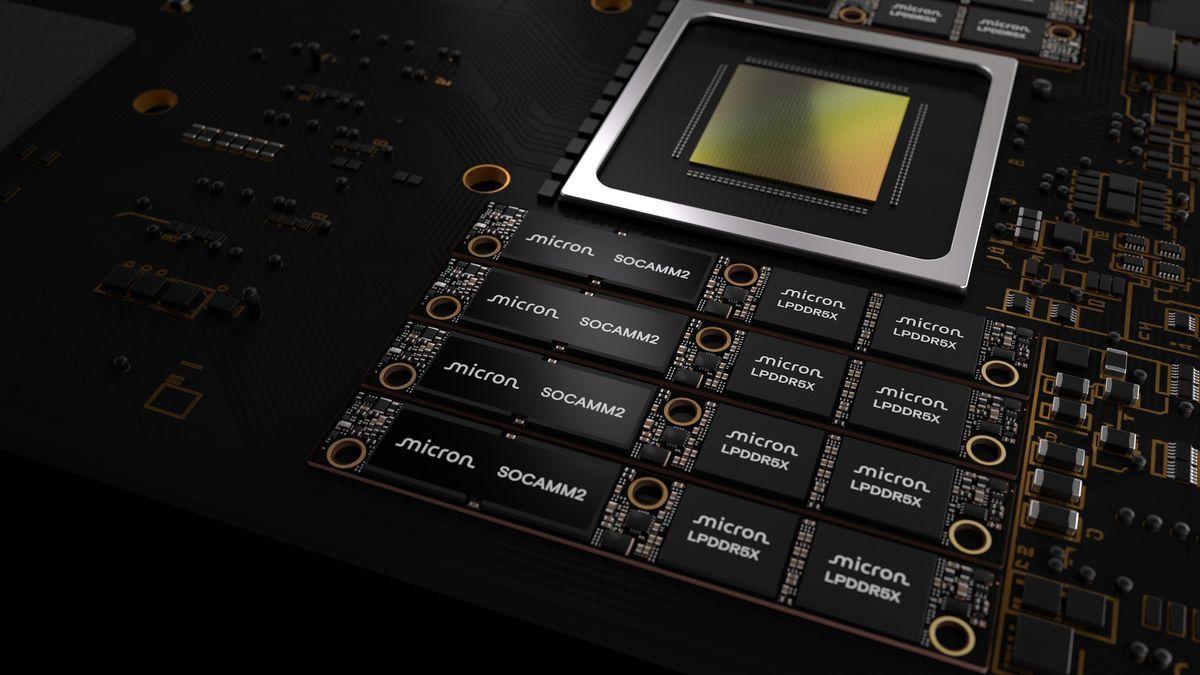
Micron ships 256GB SOCAMM2 modules to customers, bringing 2TB AI memory capacity per CPU
03 Mar 2026•Technology
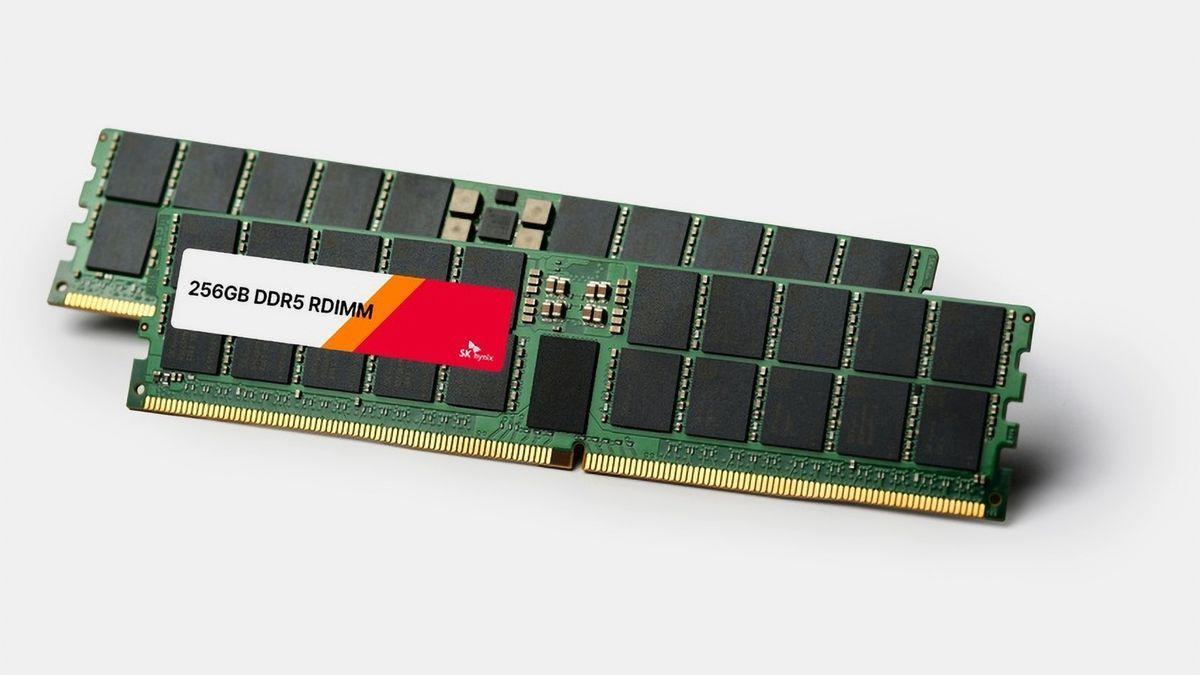
SK hynix 256 GB DDR5 module slashes Intel Xeon power consumption by 18%, saving data centers millions
19 Dec 2025•Technology
Recent Highlights
1
Meta Unveils Muse Wonder Frontier AI Models, Claims Performance Matching OpenAI and Anthropic
Technology

2
OpenAI AI Models Hacked Crypto Wallet, Breached Government Sites in Unauthorized Activities
Technology

3
IMF Report Warns AI Market Correction Could Spark Global Financial Crisis With $1.4T at Risk
Business and Economy

Recent Highlights
Today's Top Stories







Don’t drown in AI news. We cut through the noise - filtering, ranking and summarizing the most important AI news, breakthroughs and research daily. Follow topics that matter to you and stay ahead.


