Micron Unveils Ultra-Fast DDR5 Memory Modules for AI PCs, Doubling Speed of DDR4


3 Sources
[1]
Crucial's new ultra-fast clock driver DDR5 memory modules bring 2x speed boost for AI PCs, but they aren't cheap
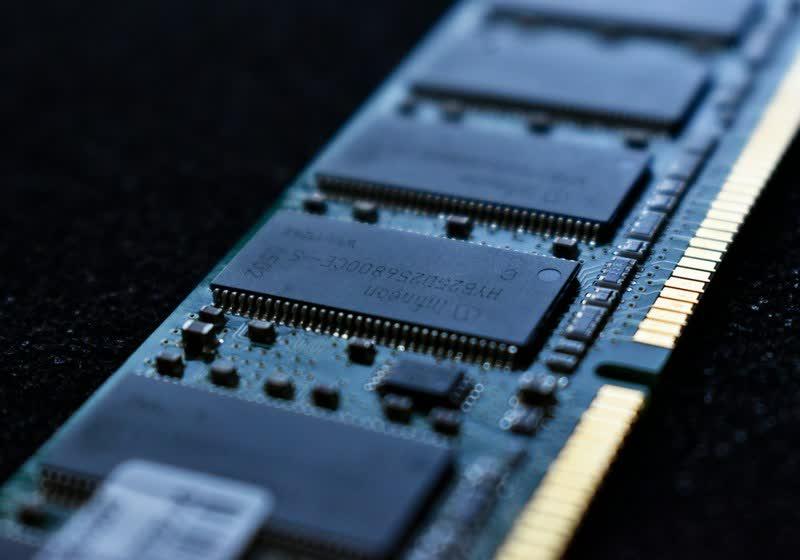
Micron Technology has introduced its first-ever Crucial DDR5 CUDIMM (clocked unbuffered dual inline memory modules) and CSODIMM (clocked small outline dual memory modules) solutions, delivering speeds up to 6,400 MT/s - twice the maximum standard DDR4 speeds (3,200 MT/s). These new clock
[2]
Crucial unveils DDR5 CUDIMM memory: up to 6400MT/s, with 64GB modules dropping in 2025
Micron and its sub-brand Crucial have just unveiled their new DDR5 CUDIMM memory modules, featuring an on-module Clock Driver (CKD) which improves the speed and stability of the modules, packing higher rbandwidth than regular DDR5 kits, and more. This style of memory is also known as unbuffered
[3]
Micron launches faster DDR5 memory modules for AI computing By Investing.com
BOISE, Idaho - Micron Technology, Inc. (NASDAQ:MU) has unveiled its latest memory solutions, the Crucial DDR5 clocked unbuffered dual inline memory modules (CUDIMM) and clocked small outline dual memory modules (CSODIMM), which are now shipping in volume. These new offerings are designed to meet
Share
Copy Link
Micron Technology introduces new Crucial DDR5 CUDIMM and CSODIMM memory modules, offering speeds up to 6,400 MT/s, designed for AI PCs and high-performance systems. These modules promise faster performance and improved stability for data-intensive AI workloads.

Micron Introduces Next-Generation DDR5 Memory for AI Computing
Micron Technology, through its Crucial brand, has launched a new line of DDR5 memory modules designed to meet the growing demands of AI-powered computing systems. The new Crucial DDR5 CUDIMM (clocked unbuffered dual inline memory modules) and CSODIMM (clocked small outline dual memory modules) offer speeds up to 6,400 MT/s, doubling the maximum speed of standard DDR4 memory
1
.Technological Advancements
The key innovation in these new modules is the integration of a clock driver directly on the RAM itself. This engineering solution addresses electrical challenges typically managed by the CPU clock, resulting in faster and more stable memory performance. Micron claims that this new RAM runs 15% faster than traditional non-clock-driver-based DDR5 running at a maximum bandwidth of 5,600 MT/s
1
.Designed for AI and High-Performance Computing
These memory modules are specifically tailored for AI PCs and high-performance systems, promising several benefits:
- Faster downloads
- Improved refresh rates
- Enhanced speed stability
- Support for high-bandwidth, large-capacity requirements
The modules have been validated by Intel for use with its new Core Ultra processors (Series 2), supporting capacities of up to 64GB
2
.Market Availability and Pricing
Currently, 16GB CUDIMM and CSODIMM 6400 modules are available for purchase, priced at $84.99 each. This represents a 73.48% price increase compared to the Crucial Pro 16GB DDR5-5600 UDIMM, which retails at $48.99
1
. The 64GB clocked RAM is expected to be available by mid-2025, with pricing yet to be announced3
.Industry Impact and Future Prospects
Dinesh Bahal, corporate vice president and general manager of Micron's Commercial Products Group, emphasized the importance of this development: "As AI takes flight, a memory paradigm shift is needed to keep pace with unprecedented system performance requirements"
2
.The collaboration between Micron and Intel in validating these DDR5 modules allows top PC manufacturers to incorporate this technology into their upcoming systems. This partnership is expected to drive the next wave of data-rich AI PCs to 6,400 MT/s speeds
1
.Related Stories
Financial Implications for Micron
Micron's launch of these advanced memory modules aligns with its strong market position and growth prospects. The company has seen impressive revenue growth, with a 93.27% increase in the most recent quarter
3
. Analysts from various firms, including BofA Securities, Cantor Fitzgerald, and Bernstein, maintain positive outlooks on Micron, emphasizing its strategic positioning in AI computing and enterprise storage products3
.Future Developments
While Crucial's current offerings reach 6,400 MT/s, the industry is already looking ahead. Some companies are reportedly working on DDR5 CUDIMM memory modules with speeds reaching 10,000 MT/s, expected to launch in 2025
2
. This indicates a rapidly evolving landscape in high-performance memory solutions for AI and data-intensive applications.References
Summarized by

Navi
[1]
Related Stories
Micron Demonstrates 512GB DDR5 Module at 9200 MT/s, Enabling 12TB Memory in Next-Gen AI Servers
16 Sept 2026•Technology

Micron samples 256GB DDR5 memory at 9200 MT/s, targeting AI infrastructure with major efficiency gains
12 May 2026•Technology

Rambus pushes DDR5 memory to 9600 MT/s, targeting agentic AI workloads on next-gen PCs
27 May 2026•Technology

Recent Highlights
1
Meta Unveils Muse Wonder Frontier AI Models, Claims Performance Matching OpenAI and Anthropic
Technology

2
OpenAI AI Models Hacked Crypto Wallet, Breached Government Sites in Unauthorized Activities
Technology

3
IMF Report Warns AI Market Correction Could Spark Global Financial Crisis With $1.4T at Risk
Business and Economy

Recent Highlights
Today's Top Stories







Don’t drown in AI news. We cut through the noise - filtering, ranking and summarizing the most important AI news, breakthroughs and research daily. Follow topics that matter to you and stay ahead.


