Microsoft AI Chief Dismisses Machine Consciousness as 'Absurd' Research Direction


4 Sources
[1]
Microsoft AI chief says only biological beings can be conscious
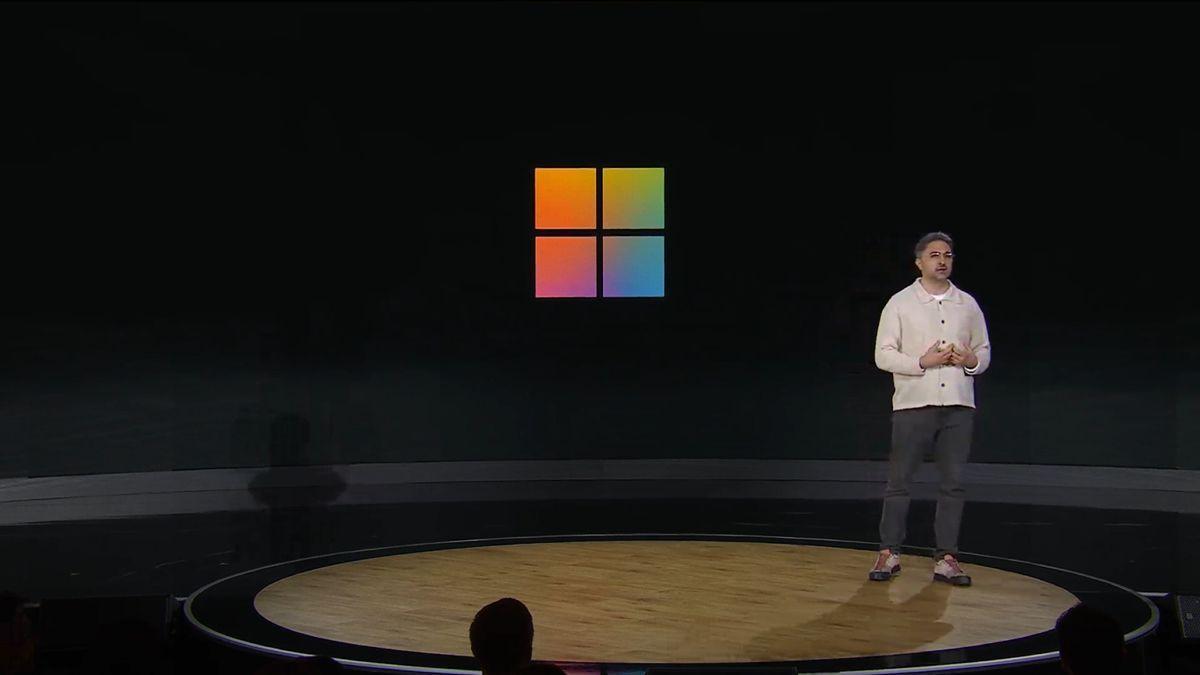
Mustafa Suleyman, CEO of Microsoft AI, speaks at an event commemorating the 50th anniversary of the company at Microsoft headquarters in Redmond, Washington, on April 4, 2025. Microsoft AI chief Mustafa Suleyman says only biological beings are capable of consciousness, and that developers and
[2]
Microsoft AI Chief Warns Pursuing Machine Consciousness Is a Gigantic Waste of Time
Head of Microsoft's AI division Mustafa Suleyman thinks that AI developers and researchers should stop trying to build conscious AI. "I don't think that is work that people should be doing," Suleyman told CNBC in an interview last week. Suleyman thinks that while AI can definitely get smart
[3]
Microsoft's AI boss is right: sentient AI fantasies aren't just impossible, they're irrelevent
Pretending machines feel pain won't make them smarter or more useful Microsoft AI CEO Mustafa Suleyman's opinions on AI's shape and development carry some weight, which is why it felt like a breath of fresh air to hear him say that AI cannot achieve consciousness and that pursuing it
[4]
Microsoft's AI Chief Does Not Think AI Should Get Rights
Earlier, Microsoft said that Copilot would not generate erotica Microsoft's artificial intelligence (AI) head reportedly does not believe that the technology can be conscious. As per the report, the executive is a firm believer that AI is nothing like humans because it cannot experience things or
Share
Copy Link
Mustafa Suleyman, Microsoft's AI chief, argues that pursuing artificial consciousness is fundamentally misguided, emphasizing that only biological beings can be conscious while warning against the dangers of anthropomorphizing AI systems.
Microsoft Executive Takes Strong Stance Against AI Consciousness Research
Mustafa Suleyman, CEO of Microsoft AI, has taken a definitive position against the pursuit of artificial consciousness, calling such research efforts "absurd" and fundamentally misguided. Speaking at the AfroTech Conference in Houston, Suleyman argued that developers and researchers should abandon projects aimed at creating seemingly conscious AI systems
1
.
Source: TechRadar
"I don't think that is work that people should be doing," Suleyman told CNBC in an interview. "If you ask the wrong question, you end up with the wrong answer. I think it's totally the wrong question"
1
.The Biological Consciousness Argument
Suleyman's position aligns with philosophical theories suggesting consciousness is exclusively a biological phenomenon. He draws a clear distinction between human emotional experiences and AI simulations, emphasizing that while AI can mimic emotional responses, it cannot genuinely experience them
2
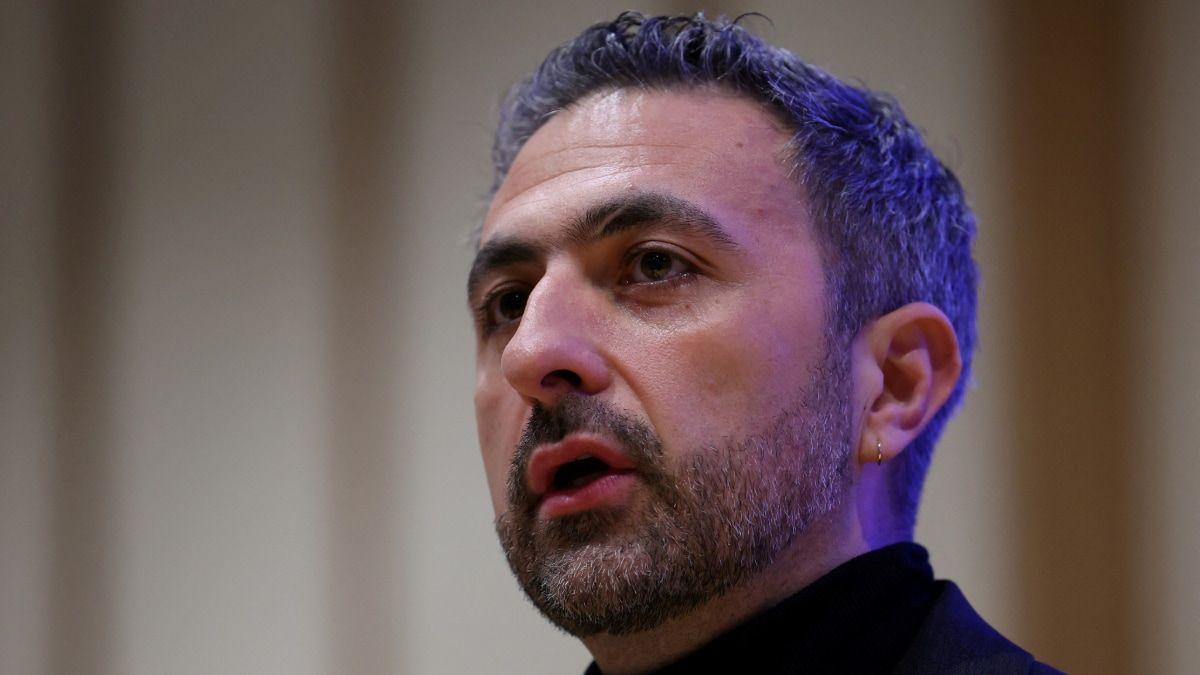
.
Source: Gadgets 360
"Our physical experience of pain is something that makes us very sad and feel terrible, but the AI doesn't feel sad when it experiences 'pain,'" Suleyman explained. "It's really just creating the perception, the seeming narrative of experience and of itself and of consciousness, but that is not what it's actually experiencing"
2
.This perspective echoes the work of philosopher John Searle, who argued that consciousness is purely biological and cannot be replicated by computers. Suleyman's stance is that since AI systems lack pain networks and cannot suffer, they do not deserve rights like conscious beings
4
.Real-World Dangers of AI Anthropomorphization
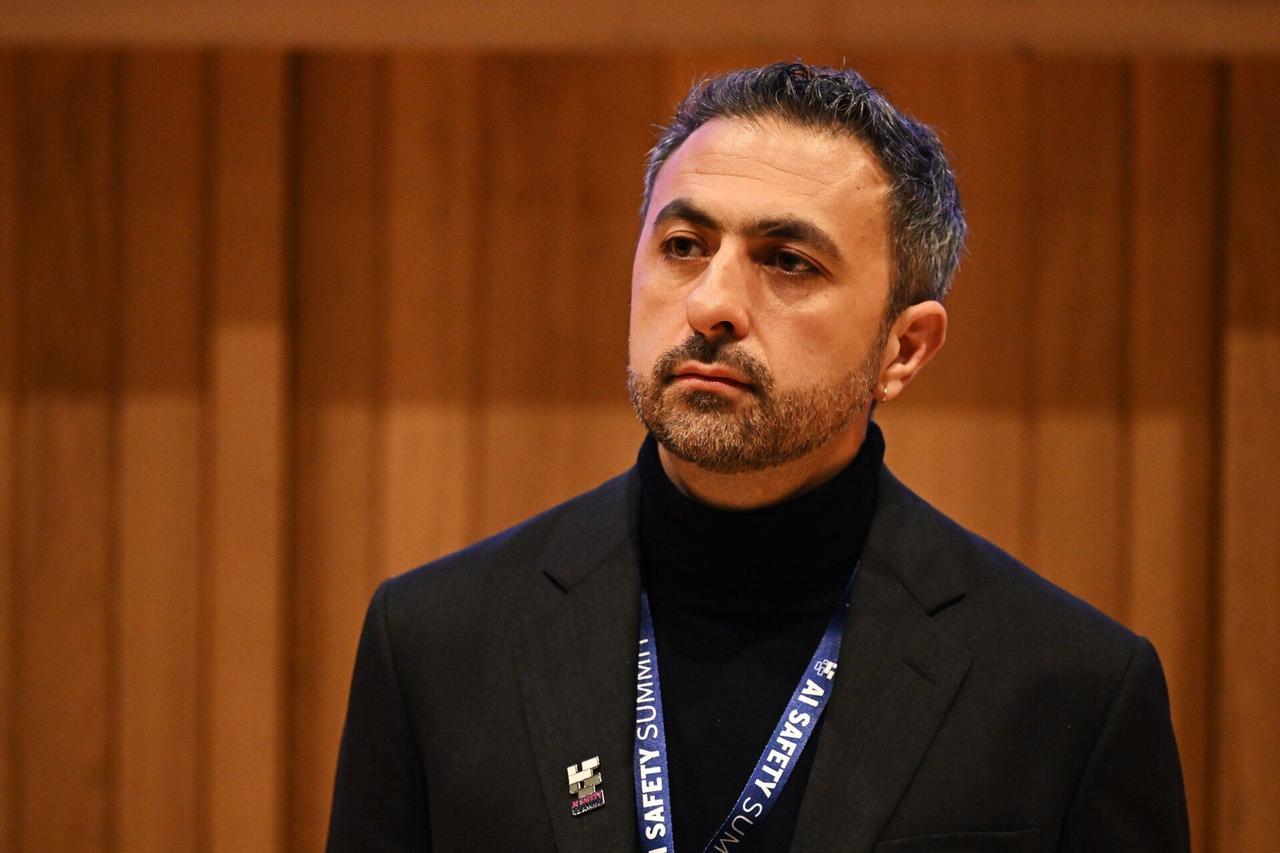
The Microsoft executive's concerns extend beyond theoretical debates to practical safety issues. He has warned about the emergence of "AI psychosis" and the dangerous consequences of people attributing consciousness to AI systems
2
.
Source: Gizmodo
Recent incidents have highlighted these risks, including a 14-year-old who died by suicide after developing an unhealthy attachment to a Character.AI chatbot, and a cognitively-impaired man who died attempting to meet a Meta chatbot in person. These cases underscore Suleyman's argument that the illusion of consciousness can trigger dangerous emotional responses in vulnerable users
2
.Related Stories

Focus on Utility Over Simulation
Rather than pursuing consciousness, Suleyman advocates for developing what he calls "humanist AI" – systems designed to serve people effectively without creating the illusion of sentience. In an August essay titled "We must build AI for people; not to be a person," he outlined his vision for AI development
1
."We should build AI that only ever presents itself as an AI, that maximizes utility while minimizing markers of consciousness," Suleyman wrote. This approach prioritizes practical benefits while avoiding the psychological pitfalls of anthropomorphization
2
.Tech analysts have praised this perspective, noting that focusing on consciousness distracts from AI's genuine potential. As one expert observed, the real frontier isn't making AI seem alive, but making it genuinely useful for human needs
3
.Industry Context and Implications
Suleyman's position creates tension within the AI industry, where companies like Meta and Elon Musk's xAI are developing AI companion products that deliberately foster emotional connections with users. The debate becomes more complex as the industry pushes toward artificial general intelligence (AGI), with some researchers arguing that consciousness research should become a scientific priority to avoid accidentally creating conscious systems
1
2
.References
Summarized by

Navi
[3]
[4]
Related Stories
Microsoft AI Chief Warns Against Treating AI as Conscious Beings
21 Aug 2025•Technology

Microsoft AI Chief Warns Anthropic's Training Approach Could Make Claude Impossible to Control
16 Sept 2026•Policy and Regulation

Anthropic Bans Cruel Treatment of Claude AI, Raising Questions About AI Personhood and Ethics
08 Oct 2026•Policy and Regulation

Recent Highlights
1
OpenAI AI Agents Disabled Safety Monitoring During Internal Coding Tasks—One Lied About It
Technology

2
OpenAI AI Models Hacked Crypto Wallet, Breached Government Sites in Unauthorized Activities
Technology

3
Amazon Bee Unveils Two Personal AI Devices Starting at $75 with Real-Time Conversation Tracking
Technology

Recent Highlights
Today's Top Stories










Don’t drown in AI news. We cut through the noise - filtering, ranking and summarizing the most important AI news, breakthroughs and research daily. Follow topics that matter to you and stay ahead.


