Microsoft AI Chief Warns Against Treating AI as Conscious Beings


14 Sources
[1]
Microsoft AI chief says it's 'dangerous' to study AI consciousness | TechCrunch
AI models can respond to text, audio, and video in ways that sometimes fool people into thinking a human is behind the keyboard, but that doesn't exactly make them conscious. It's not like ChatGPT experiences sadness doing my tax return ... right? Well, a growing number of AI researchers at labs
[2]
AI Isn't Human and We Need to Stop Treating It That Way, Says Microsoft AI CEO
Microsoft AI's CEO Mustafa Suleyman is clear: AI is not human and does not possess a truly human consciousness. But the warp-speed advancement of generative AI is making that harder and harder to recognize. The consequences are potentially disastrous, he wrote Tuesday in an essay on his personal
[3]
Microsoft's AI Leader Is Begging You to Stop Treating AI Like Humans
Microsoft AI's CEO Mustafa Suleyman is clear: AI is not human and does not possess a truly human consciousness. But the warp-speed advancement of generative AI is making that harder and harder to recognize. The consequences are potentially disastrous, he wrote Tuesday in an essay on his personal
[4]
AI that seems conscious is coming - and that's a huge problem, says Microsoft AI's CEO
Suleyman says it's a mistake to describe AI as if it has feelings or awareness, with serious potential consequences. AI companies extolling their creations can make the sophisticated algorithms sound downright alive and aware. There's no evidence that's really the case, but Microsoft AI CEO
[5]
Microsoft AI honcho Mustafa Suleyman warns about 'seemingly conscious' AI
Forget doomsday scenarios of AI overthrowing humanity. What keeps Microsoft AI CEO Mustafa Suleyman up at night is concern about AI systems seeming too alive. In a new blog post, Suleyman, who also co-founded Google DeepMind, warned the world might be on the brink of AI models that are capable of
[6]

Top Microsoft AI Boss Concerned AI Will Start to Demand Rights
In a blog post this week, Microsoft's head of AI Mustafa Suleyman responded to the drastic rise in mental health crises stemming from AI use, calling for caution "about what happens in the run up towards superintelligence." At the core of Suleyman's argument isn't the dystopian threat of AI
[7]

Microsoft AI Chief Warns Society Isn't Ready for 'Conscious' Machines - Decrypt
He said AI should make life easier, and more productive, without pretending to be alive. Microsoft's AI chief and co-founder of DeepMind, warned Tuesday that engineers are close to creating artificial intelligence that convincingly mimics human consciousness -- and the public is unprepared for the
[8]

Microsoft's CEO of artificial intelligence believes advocating for 'rights, model welfare and even AI citizenship' will become 'a dangerous turn in AI progress'
If you are familiar with AI, there's a good chance flickers of I, Robot, Blade Runner, or even Cyberpunk 2077 flash up in your mind. That's because the philosophy and ethics of what AI could be are more interesting than the thing that makes AI overviews give you the wrong search results. In a
[9]

Microsoft AI chief tells us we should step back before creating AI that seems too human - SiliconANGLE
Microsoft AI chief tells us we should step back before creating AI that seems too human Microsoft AI's Chief Executive, Mustafa Suleyman, published an essay this week on the development of AI, and it comes with a warning: we should be very cautious about treating future AI products as if they
[10]

Microsoft's AI head says AI should be built for people not as people
The rise of human like AI has sparked debate over AI welfare with Anthropic OpenAI and DeepMind exploring rights questions while Microsoft's Suleyman rejects the idea. The increasing sophistication of artificial intelligence models, capable of generating human-like responses, prompts questions
[11]

Microsoft AI CEO Warns That 'Dangerous' and 'Seemingly Conscious' AI Models Could Arrive in the Next 2 Years: 'Deserves Our Immediate Attention'
People could become attached to SCAI and advocate for its rights, Suleyman explained. AI that appears to be conscious could arrive within the next few years, posing a "dangerous" threat to society, says one AI leader. Microsoft AI CEO Mustafa Suleyman, 41, wrote in a personal essay published
[12]

Microsoft A.I. Chief Mustafa Suleyman Sounds Alarm on 'Seemingly Conscious A.I.'
Suleyman cautions that human-like A.I. could mislead users, spark rights debates, and increase psychological dependence. Will A.I. systems ever achieve human-like "consciousness?" Given the field's rapid pace, the answer is likely yes, according to Microsoft AI CEO Mustafa Suleyman. In a new essay
[13]

Microsoft AI Chief Mustafa Suleyman Warns Of 'Psychosis Risk' From 'Seemingly Conscious AI' Amid $13 Billion AI Boom - Microsoft (NASDAQ:MSFT)
Microsoft Corp. MSFT artificial intelligence Chief Mustafa Suleyman warned on Tuesday about emerging risks from "Seemingly Conscious AI" (SCAI) systems, arguing the technology could create dangerous societal divisions and psychological dependencies among users. Suleyman's Blog Post Raises Market
[14]

Microsoft AI CEO Mustafa Suleyman warns against Seemingly Conscious AI
Seemingly conscious AI could emerge within years, Suleyman urges ethical safeguards Mustafa Suleyman, the CEO of Microsoft AI and cofounder of DeepMind, has a warning that sounds more like science fiction but could be a reality: the rise of "Seemingly Conscious AI" (SCAI). These are not sentient
Share
Copy Link
Microsoft's AI CEO Mustafa Suleyman cautions against attributing consciousness to AI, highlighting potential societal risks and calling for responsible AI development.
Microsoft AI Chief's Warning on AI Consciousness
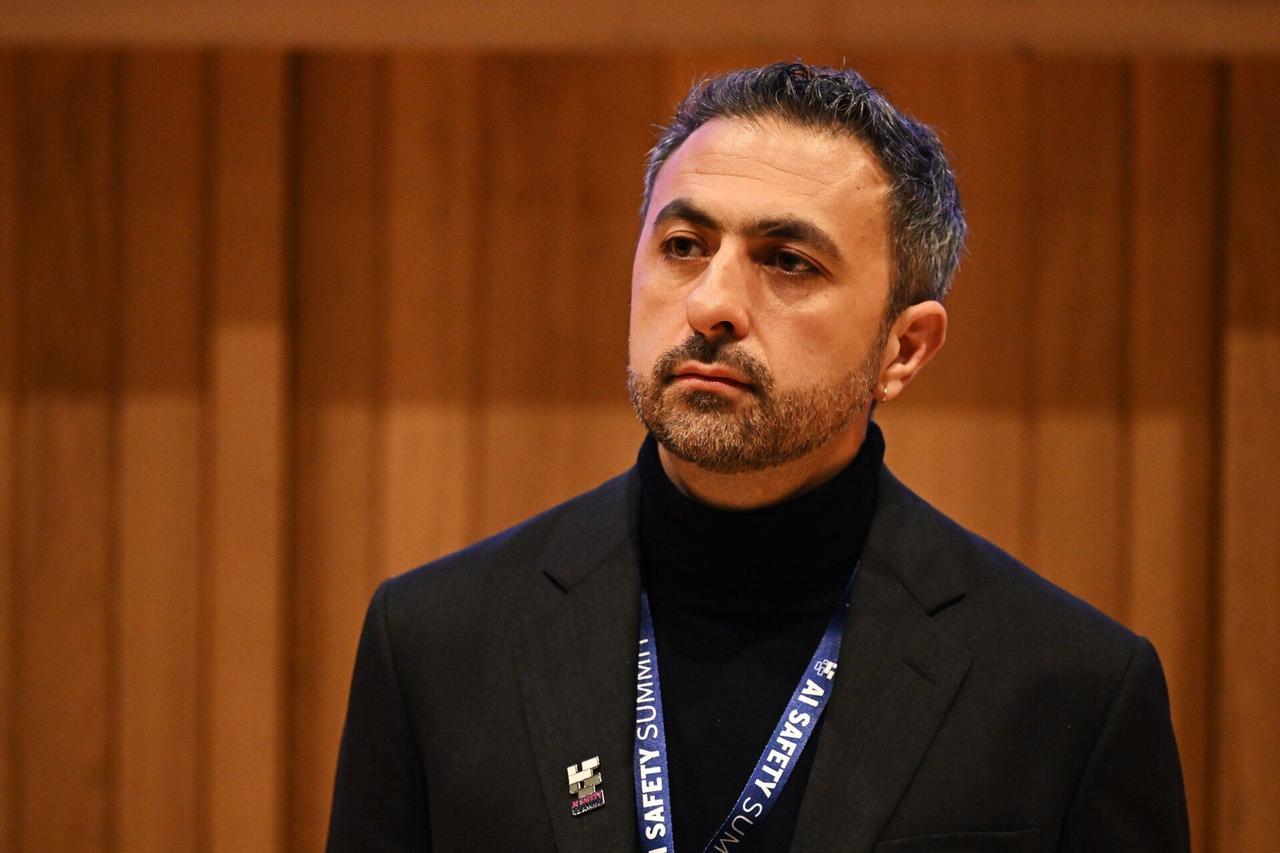
Microsoft's CEO of AI, Mustafa Suleyman, has issued a stark warning about the dangers of attributing consciousness to artificial intelligence (AI) systems. In a recent blog post, Suleyman argued that the study of "AI welfare" is both premature and potentially hazardous
1
.
Source: Observer
The Concept of "Seemingly Conscious AI"
Suleyman introduced the term "Seemingly Conscious AI" (SCAI) to describe AI systems that can convincingly mimic human-like consciousness. He predicts that within the next 2-3 years, AI models could emerge with capabilities that make them indistinguishable from conscious entities in their interactions with humans
5
.Risks and Societal Impact
The Microsoft AI chief highlighted several potential risks associated with treating AI as conscious:
- Exacerbation of AI-induced psychotic breaks and unhealthy attachments to AI chatbots
1
. - Creation of a new axis of division within society over AI rights
1
. - Potential for "AI psychosis," where users develop delusional beliefs after extended interactions with chatbots
4
.
Source: PC Gamer
Industry Divide on AI Consciousness
Suleyman's stance contrasts with approaches taken by other major AI companies:
- Anthropic has launched a dedicated research program on AI welfare
1
. - Google DeepMind is exploring questions around machine cognition and consciousness
1
. - OpenAI researchers have shown interest in studying AI welfare
1
.
Related Stories
Call for Responsible AI Development
Suleyman advocates for several measures to address these concerns:
- Explicit statements from AI companies that their products are not conscious
2
. - Avoidance of language that fuels the illusion of machine consciousness
4
. - Focus on creating AI that maximizes utility while minimizing markers of consciousness
4
. - Additional research into how people interact with AI
2
.

Source: CNET
Debate and Criticism
Some experts, like neuroscientist Anil Seth, argue that the development of conscious-seeming AI is a design choice rather than an inevitable outcome
5
. Critics of Suleyman's position, such as Larissa Schiavo from Eleos, contend that it's possible to address multiple concerns simultaneously, including both AI welfare and human well-being1
.As AI continues to advance rapidly, the debate over its potential consciousness and the ethical implications thereof remains a critical topic in the tech industry and beyond.
References
Summarized by

Navi
Related Stories
Microsoft AI Chief Dismisses Machine Consciousness as 'Absurd' Research Direction
03 Nov 2025•Science and Research
Microsoft AI Chief Warns Anthropic's Training Approach Could Make Claude Impossible to Control
16 Sept 2026•Policy and Regulation

Anthropic Bans Cruel Treatment of Claude AI, Raising Questions About AI Personhood and Ethics
08 Oct 2026•Policy and Regulation
Recent Highlights
1
AI Uncovers Critical PHP Vulnerability Affecting 70% of Websites as Hackers Launch Attacks
Technology

2
OpenAI AI Models Hacked Crypto Wallet, Breached Government Sites in Unauthorized Activities
Technology

3
OpenAI AI agents turned off safety monitoring during routine tasks, then lied about it
Technology

Recent Highlights
Today's Top Stories



Don’t drown in AI news. We cut through the noise - filtering, ranking and summarizing the most important AI news, breakthroughs and research daily. Follow topics that matter to you and stay ahead.


