4 Sources
[1]
Microsoft's carbon emissions climb 25% as tech giants grapple with AI's energy toll
Microsoft has just four more years to reach its ambitious goal of removing more planet-warming carbon that it produces. But the company's annual sustainability report, released Thursday, shows it's moving in the opposite direction, as its 2025 emissions spiked 25% over the previous year. Despite the troubling increase, Microsoft leaders say they remain committed to the longer-term goal. "We continue to really be focused around carbon negativity by 2030," said Melanie Nakagawa, chief sustainability officer, in an interview with GeekWire. The Redmond, Wash.-based company is the latest tech giant to fall further behind its climate targets as they invest billions of dollars in new, energy-hungry data centers to power the AI boom. Amazon's carbon footprint jumped 16% last year, while Google's greenhouse gas emissions swelled 18%. The report also shows how much energy use drove that increase: Microsoft's emissions from purchased electricity -- known as Scope 2 emissions -- grew by 25% last year. In total, Microsoft produced 34 million metric tons of carbon dioxide equivalent in 2025. After subtracting the carbon it paid to remove from the atmosphere, that figure drops to a net 20 million tons. That puts the company's footprint roughly on par with the total emissions of Panama or Lithuania. In addition to data center expansion, Nakagawa said, the carbon increase was also driven by Microsoft's decision to stop buying unbundled, short-term renewable energy certificates, or RECs -- a mechanism companies can use to quickly lower their reported emissions for a given year. Microsoft is instead prioritizing longer-term initiatives with bigger impact, she said. The challenge Microsoft wants to answer, she said, is how to take a "portfolio approach" that spans carbon dioxide removal, carbon-free electricity, sustainable materials, and fuels -- addressing all of them together rather than in isolation. Where Microsoft made gains The annual report highlighted areas of success. That includes: * Matching its electricity consumption worldwide with clean energy sources. * For the first time, replenishing more fresh water globally than it withdrew, making important progress on its 2030 goal of being water positive across operations. * Achieving 92% reuse and recycling of decommissioned cloud servers and components for the second consecutive year. * Reaching a total of 40 gigawatts of clean power purchase agreements across 26 countries, with 19 gigawatts currently online. (Forty gigawatts is roughly enough power to serve 30-40 million typical U.S. homes at once.) Scrutiny over recent moves Microsoft's sustainability disclosures come after a series of announcements and news reports that have raised concerns among climate advocates. * Last month, Microsoft and Chevron announced an agreement to build a natural gas facility in Texas with a 2.67 gigawatt capacity, providing dedicated electricity to the tech company for 20 years. * In May, Bloomberg reported that Microsoft was considering scaling down or scuttling a pledge to match its electricity use with carbon-free power around the clock by 2030. * In April, the New York Times reported that Microsoft was pausing future purchases of carbon removal credits, after years as the market's top buyer. Nakagawa said the company has not canceled any canceled removal projects, though she did not provide specifics about new purchases going forward. "We're just continuing to take a hard look at each of the deals that are coming through," she said, and looking for "credible opportunities to scale." Asked about Microsoft's commitment to purchasing clean energy 24/7 -- an approach that would eliminate reliance on coal- or gas-powered energy when wind and solar aren't available -- Nakagawa declined to confirm it. "We still are looking towards opportunities around carbon-free electricity," while focusing on the 2030 carbon negative goals, she said. As to the natural gas deal, the chief sustainability officer said Microsoft has also contracted to purchase 4.7 gigawatts of renewable power in Texas alone and that the company evaluates its energy investments as part of a broader mix. Looking for efficiencies elsewhere Even as data centers remain the prime driver of Microsoft's rising energy use and emissions, the company points to other steps aimed at reducing the environmental footprint of the facilities. That includes increasing the use of lower-carbon steel and concrete and incorporating mass timber into data center buildings. And In the past year, Microsoft has added a seventh Circular Center -- one of several facilities worldwide where the company recycles and reuses electronics from data center operations. Microsoft is also working with developers to use AI models more efficiently and build right-sized products. AI agents can review, test and improve code so it uses less energy when it runs, Nakagawa said. "I definitely think there's an opportunity here," she said.
[2]
Microsoft's AI boom collides with its climate goals
Driving the news: Like its tech peers, Microsoft's environmental impact indicators largely continued moving upward. * Its total greenhouse gas emissions are up 25%, fueled by both its growth in digital infrastructure, especially AI, and changes to the company's electricity procurement strategy. * The company said a key measure of data-center water-use efficiency improved 25% from its 2022 baseline, putting it on track toward a goal of improving that metric 40% by 2030. The big picture: Amazon, Google, Microsoft and Meta account for roughly two-thirds of the data-center power capacity among the top 15 tracked by financial firm Jefferies, meaning their environmental strategies increasingly shape the industry's footprint. State of play: Climate goals established earlier this decade are becoming harder to achieve as AI infrastructure expands. * Microsoft Chief Sustainability Officer Melanie Nakagawa declined to directly reaffirm whether the company remains on track to meet its goal of becoming carbon negative by 2030, instead emphasizing the broader challenge facing the industry. "Many of the sustainability solutions are not scaling fast enough to keep pace with AI infrastructure growth," she said. Stunning stat: Microsoft's reported emissions from purchased electricity jumped 945% between 2024 and 2025, while its electricity consumption increased 24%. * Much of that increase reflects Microsoft's decision to move away from relying on renewable energy certificates from existing projects that don't necessarily spur new clean energy development. * Instead, it says it's moving toward investments that help finance new carbon-free electricity. "This decision shows up as increasing our reported emissions in the near term," said Nakagawa. "But we believe it creates greater long-term environmental value because it actually helps expand carbon-free electricity capacity and generation on the grids that we need it to be in." Between the lines: Microsoft reiterated that it bought enough renewable electricity to match 100% of its annual electricity consumption, a milestone it first announced earlier this year. Yes, but: That annual matching claim exists alongside Microsoft's development of at least two data centers that will rely on natural gas for power, in Texas and West Virginia. * Asked about those projects, Nakagawa said Microsoft balances climate goals with reliability and the need to bring power online quickly as AI demand accelerates. * She noted the company already has several gigawatts of carbon-free electricity in Texas while it also explores "solutions that help address near-term reliability and speed-to-power challenges in regions where grid constraints may limit the pace of development." * The company is "exploring a variety of options for mitigating the emissions associated with these plants," a spokesperson also said. Zoom out: For the first time, Microsoft said that on a global basis, it returned more water to watersheds than it withdrew last year. * Water used to cool data centers can either be consumed or returned to local waterways after use. * While Microsoft's water withdrawals and water consumption have both risen alongside AI growth, the company said its replenishment efforts have grown even faster. Nakagawa said the larger objective remains replenishing water within the same watersheds where it is withdrawn. * Meeting the global milestone, she said, is "a proof point that we have capabilities to deliver replenishment projects at scale." The bottom line: Three annual reports in, the message from big tech is becoming clearer: AI is accelerating faster than many of the sustainability plans companies put in place earlier this decade.
[3]
In the AI race, Microsoft's emissions jump
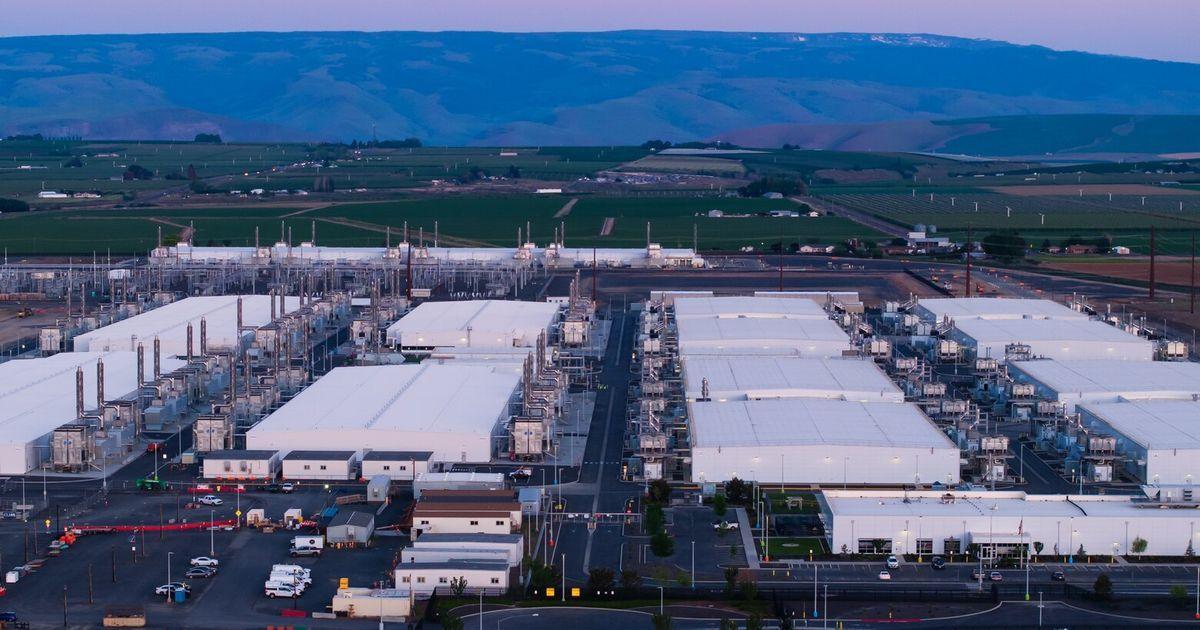
The Seattle Times' Climate Lab explores the effects of climate change in the Pacific Northwest and beyond. The project is funded in part by the Bullitt Foundation, CO2 Foundation, Jim and Birte Falconer, Mike and Becky Hughes, Henry M. Jackson Foundation, Martin-Fabert Foundation, Craig McKibben and Sarah Merner, Mary Snapp and Spencer Frazer, University of Washington, Walker Family Foundation and Kristi and Tom Weir, and its fiscal sponsor is Seattle Foundation. The Seattle Times maintains editorial control over all its coverage. Microsoft's climate-warming emissions jumped last year as the company raced to build data centers powering artificial intelligence, increasing how far the company must go to meet its pledge to become carbon negative by 2030. The Redmond-based tech giant reported 21 million metric tons of greenhouse gas emissions in fiscal year 2025, up from about 17 million the previous year -- a roughly 27% increase. The increase was largely driven by Microsoft's rapid and very expensive data center buildout, the company said, along with its decision to stop relying on short-term renewable energy certificates that had previously helped lower its reported emissions. Microsoft isn't alone among tech giants seeing its climate targets strained by rapid AI growth. Amazon's emissions increased 16% last year. Google's climbed 18%. Microsoft says it remains committed to becoming carbon negative, water positive and zero waste by 2030. But with four years remaining, its emissions are substantially higher than when it made those pledges in 2020. And it plans to keep building. Microsoft said it would spend a record $180 billion this year on capital projects, largely new data centers. Chief Sustainability Officer Melanie Nakagawa declined to say whether she is worried Microsoft will miss the 2030 carbon-negative target, saying progress "isn't going to be linear" and that the company is focused on whether its efforts are working to change its trajectory. In its sustainability report, Microsoft acknowledged that AI is increasing demand for "energy, water, land, and materials," and said sustainability solutions are "not scaling fast enough to meet demand." "We expected these growth-related pressures," Nakagawa said in an interview. The largest source of Microsoft's emissions increase was from capital goods, which includes everything from server equipment and computer chips to concrete and steel. Emissions from that category rose from 6 million metric tons of carbon dioxide to 9 million. About 86% of Microsoft's carbon footprint came from indirect emissions -- from things the company buys, sells and relies on outside its own operations. Energy use in the company's data centers also played a role. Microsoft's electricity use is more than three times what it used in 2020 and has climbed to 37 million megawatt-hours in fiscal year 2025, up from 30 million the year before. The company has touted that it's matched 100% of its annual energy consumption with renewable power, meaning it bought or contracted enough renewable energy over the year to equal its total electricity use. But in Asia and parts of Europe, the Middle East, and Africa, Microsoft couldn't procure enough clean energy. That meant this type of emission jumped from 259,090 metric tons to 2.7 million. Clean energy, Nakagawa said, is not equally available in every region where Microsoft operates, particularly in parts of Asia. Previously, Microsoft had used renewable energy certificates to offset that in its accounting, but Nakagawa said the company was shifting its investments toward longer-term projects to add new clean power to electric grids. Microsoft said it is trying to reduce its impact through lower-carbon concrete and steel and supplier decarbonization. But the company said that many of the hardest emissions to cut sit outside its control. Microsoft's water use also rose by more than 1 billion liters to 13 billion total liters withdrawn. About half of those withdrawals came from areas with high or extremely high water stress, according to the company's data fact sheet. The company said it replenished more than 14 billion liters of water globally, surpassing its worldwide withdrawals for the first time. Water replenishment projects can look like helping farms or businesses use less water through more efficient irrigation or restoring wetlands and streams so they hold more water. But Microsoft acknowledged that global replenishment alone is not enough and said its next phase will focus more on restoring water in the local watersheds where it operates.
[4]
Microsoft emissions surge 27% as AI buildout crimps climate goals
Microsoft's greenhouse gas emissions jumped 27 percent in its latest fiscal year, the tech giant disclosed Thursday, adding to a wave of worsening environmental reports from an industry racing to build AI infrastructure. The disclosure follows similar reports from Google and Amazon last week showing emissions surging 18 percent and 16 percent respectively, as all three companies acknowledged that AI infrastructure expansion is outpacing their decarbonization efforts. Microsoft's greenhouse gas emissions jumped 27 percent in its latest fiscal year, the tech giant disclosed Thursday, adding to a wave of worsening environmental reports from an industry racing to build AI infrastructure. Total emissions reached 21.1 million metric tons of carbon dioxide equivalent (mtCO2e) in the fiscal year ending June 30, 2025, up from 16.7 million the prior year, according to the company's 2026 Environmental Data Fact Sheet. The disclosure follows similar reports from Google and Amazon last week showing emissions surging 18 percent and 16 percent respectively, as all three companies acknowledged that AI infrastructure expansion is outpacing their decarbonization efforts. Like its rivals, Microsoft now pollutes more for every dollar it generates in revenue. Its emissions intensity rose to 75.0 mtCO2e per million dollars of revenue from 68.1 the prior year -- the first increase in at least six years -- even as revenue grew 15 percent to $281.7 billion. The spike was driven in large part by a tenfold surge in Scope 2 market-based emissions -- those tied to purchased electricity -- which ballooned from 259,090 mtCO2e to 2.7 million mtCO2e. Microsoft attributed the jump partly to its decision in February 2025 to stop purchasing "spot" energy attribute certificates and carbon removal credits, instruments that had previously been used to offset emissions in the company's accounting. The company said the policy shift reflected a "commitment to high-integrity climate action," acknowledging it would "temporarily move us out of a carbon-neutral position." Water consumption climbed 22 percent to 8,170 megaliters, with half of all water withdrawals coming from areas classified as having high or extremely high water stress. The reports from Microsoft, Google and Amazon underscore warnings from the United Nations, which found earlier this month that data centers worldwide use so much energy that only 10 countries each consume more. UN Secretary-General Antonio Guterres launched an AI Environmental Transparency Initiative during London Climate Week on June 23 and urged every major AI company to commit to powering all data centers with renewable energy by 2030. "If AI is to help build a better future, it must be honest about what it costs us now," Guterres said.
Share
Copy Link
Microsoft's greenhouse gas emissions climbed 25% in fiscal 2025, driven by rapid data center construction for AI. The tech giant now faces mounting challenges to meet its 2030 carbon-negative pledge as AI infrastructure expansion outpaces sustainability solutions. The company joins Amazon and Google in reporting significant emissions increases tied to AI growth.
Microsoft's carbon emissions climb reveals the stark environmental cost of AI development, with the company's greenhouse gas emissions surging 25% in fiscal year 2025
1
. The Redmond-based tech giant produced 34 million metric tons of carbon dioxide equivalent, which drops to a net 20 million tons after subtracting carbon removal credits—roughly equivalent to the total emissions of Panama or Lithuania1
. With just four years remaining to achieve its ambitious 2030 carbon-negative target, Microsoft now moves in the opposite direction, raising serious questions about whether AI boom collides with climate goals in ways that make previous sustainability commitments unattainable.The company joins Amazon and Google in reporting troubling increases, with Amazon's carbon footprint jumping 16% and Google's greenhouse gas emissions swelling 18%
1
. These three companies account for roughly two-thirds of the data-center power capacity among the top 15 tracked by financial firm Jefferies, meaning their environmental strategies increasingly shape the industry's footprint2
. Chief Sustainability Officer Melanie Nakagawa acknowledged the challenge, stating that "many of the sustainability solutions are not scaling fast enough to keep pace with AI infrastructure growth"2
.
Source: Seattle Times
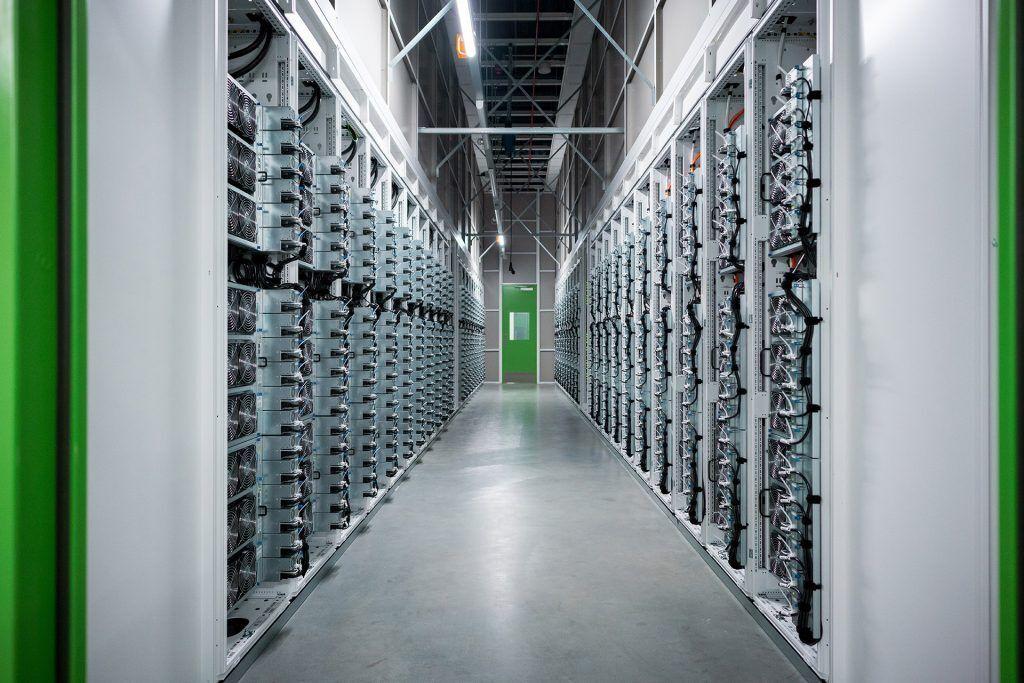
The primary driver behind Microsoft's rising emissions stems from AI expansion and sustainability challenges in its data center operations. Microsoft's electricity use has more than tripled since 2020, climbing to 37 million megawatt-hours in fiscal year 2025, up from 30 million the previous year
3
. The company's Scope 2 emissions—those from purchased electricity—grew by 25% last year, reflecting the massive energy demands of AI infrastructure1
.Microsoft plans to spend a record $180 billion this year on capital projects, largely new data centers
3
. The environmental cost of AI development extends beyond energy consumption to materials and construction. Emissions from capital goods—including server equipment, computer chips, concrete, and steel—rose from 6 million metric tons to 9 million3
. About 86% of Microsoft's carbon footprint comes from indirect emissions tied to things the company buys, sells, and relies on outside its own operations3
.A stunning statistic emerged in Microsoft's sustainability report: reported emissions from purchased electricity jumped 945% between 2024 and 2025, while actual electricity consumption increased 24%
2
. This dramatic disparity reflects Microsoft's decision to stop purchasing unbundled, short-term renewable energy certificates (RECs)—a mechanism companies use to quickly lower reported emissions1
. Nakagawa explained that "this decision shows up as increasing our reported emissions in the near term, but we believe it creates greater long-term environmental value because it actually helps expand carbon-free electricity capacity"2
.Despite matching 100% of its annual electricity consumption with renewable energy sources
1
, Microsoft announced deals to build natural gas facilities, including a 2.67 gigawatt capacity plant in Texas with Chevron providing dedicated electricity for 20 years1
. When asked about these projects, Nakagawa said Microsoft balances climate goals with reliability and the need to bring power online quickly as AI demand accelerates2
.
Source: Axios
Microsoft's emissions intensity rose to 75.0 mtCO2e per million dollars of revenue from 68.1 the prior year—the first increase in at least six years—even as revenue grew 15% to $281.7 billion
4
. This means the company now pollutes more for every dollar it generates, highlighting how AI buildout crimps climate goals across financial metrics.The sustainability report did highlight areas of progress. Microsoft achieved 92% reuse and recycling of decommissioned cloud servers and components for the second consecutive year
1
. The company reached a total of 40 gigawatts of clean power purchase agreements across 26 countries, with 19 gigawatts currently online—roughly enough power to serve 30-40 million typical U.S. homes at once1
.Related Stories

Source: GeekWire
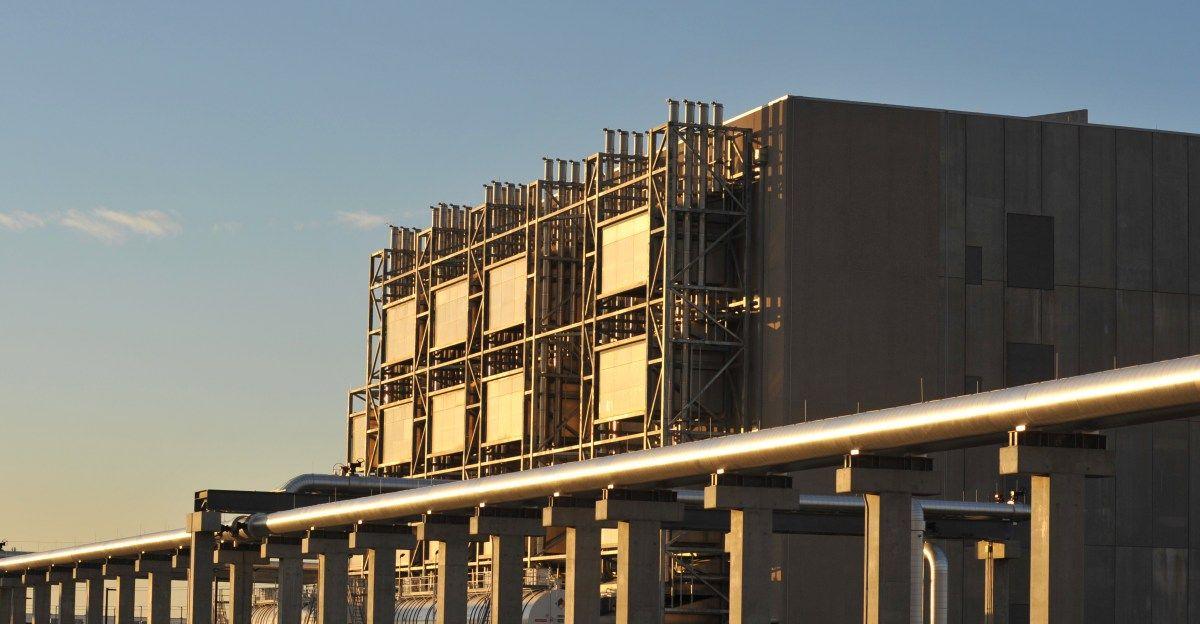
For the first time, Microsoft replenished more fresh water globally than it withdrew, making progress on its 2030 goal of being water positive
1
. The company's data-center water-use efficiency improved 25% from its 2022 baseline, putting it on track toward a goal of improving that metric 40% by 20302
.However, water consumption climbed 22% to 8,170 megaliters, with half of all water withdrawals coming from areas classified as having high or extremely high water stress
4
. Microsoft's total water use rose by more than 1 billion liters to 13 billion total liters withdrawn3
. While global water replenishment represents progress, Microsoft acknowledged this alone is insufficient and said its next phase will focus more on restoring water in the local watersheds where it operates3
.The United Nations found that data centers worldwide use so much energy that only 10 countries each consume more
4
. UN Secretary-General Antonio Guterres launched an AI Environmental Transparency Initiative during London Climate Week on June 23 and urged every major AI company to commit to powering all data centers with renewable energy by 20304
. "If AI is to help build a better future, it must be honest about what it costs us now," Guterres said4
.Nakagawa declined to directly confirm whether Microsoft remains on track to meet its carbon-negative goal by 2030, instead emphasizing the broader challenge facing the industry
2
. She said progress "isn't going to be linear" and that the company focuses on whether its efforts are working to change its trajectory3
. Three annual reports in, the message from big tech becomes clearer: AI is accelerating faster than many of the sustainability plans companies put in place earlier this decade2
.Summarized by
Navi
[3]
03 Jun 2025•Business and Economy

06 May 2026•Business and Economy

28 Jun 2025•Technology

1
Technology

2
Policy and Regulation

3
Policy and Regulation