Microsoft Patent Proposes Paying Users to Train AI Models on Idle GPUs


4 Sources
[1]
Microsoft Patent Describes Using Your Idle Gaming PC to Train AI
The patent, published last week, describes an opt-in system, so this isn't something Microsoft would include as a background Windows task, at least not in its currently described form. Microsoft is seeking to patent technology that uses idle gaming PCs to train AI models in exchange for some form
[2]
Microsoft patent describes paying you to train AI on your idle GPU
Serving tech enthusiasts for over 25 years. TechSpot means tech analysis and advice you can trust. In a nutshell: The AI boom needs every spare gigabyte of RAM and GPU cycle it can get. Just a few days after OpenAI CEO Sam Altman controversially complained about memory sitting idle in consumer
[3]
Microsoft patent points to a future where your spare GPU resources could be used to train AI -- but Windows 11 users would need a lot of convincing
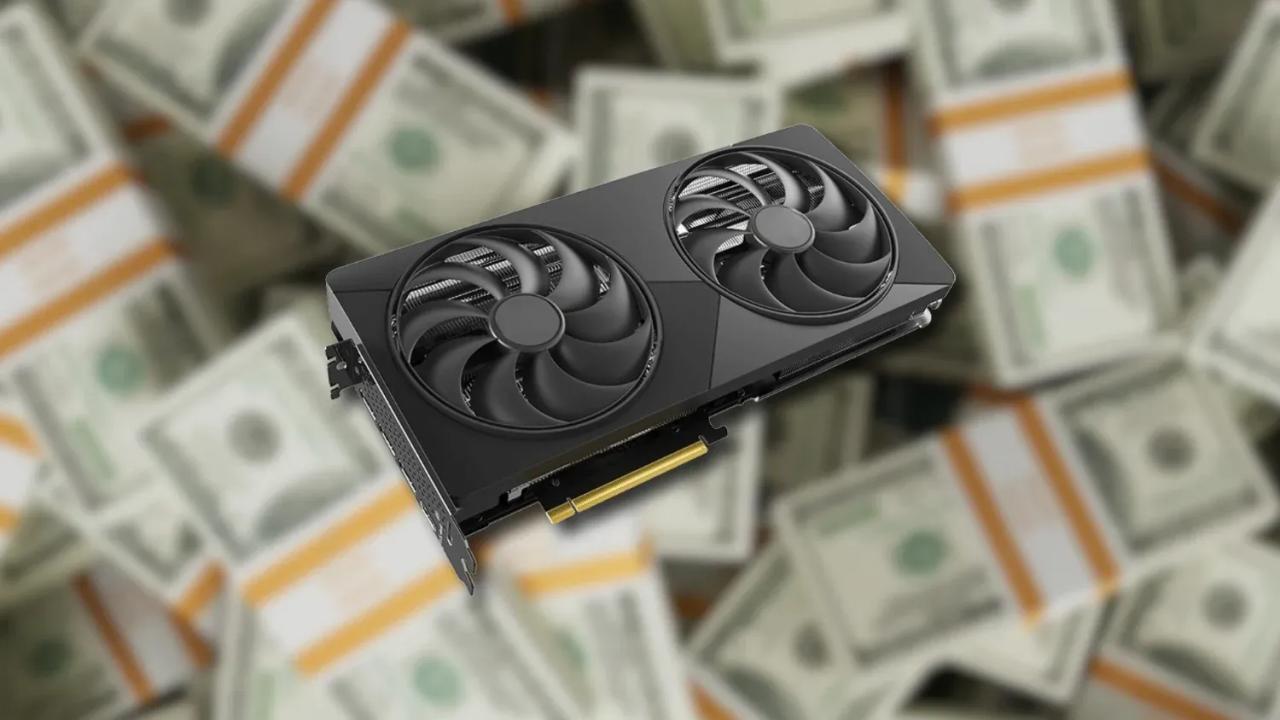
Paid a stack of cash for your GPU? Microsoft patent suggests it could have a plan to help you earn some of that back * Microsoft has a patent for a system which uses your spare GPU resources to train AI * The graphics card would process micro-tasks in combination with other PCs * You'd be paid
[4]
Microsoft wants to pay you to use your idle gaming GPU for AI training
Microsoft has filed a new patent that details a system that uses 'spare GPU capacity' on consumer devices for AI training via 'micro-training' workloads. Microsoft has recently published a new patent (via Inside Gaming) that's all about "micro-training" AI models by leveraging "spare GPU capacity"
Share
Copy Link
Microsoft filed a patent for a system that would use spare GPU resources on idle gaming PCs to train AI models through distributed micro-tasks. Users who opt in could receive compensation through credits, software access, or direct payment, but concerns about privacy, power costs, and hardware wear remain.
Microsoft Patent Targets Idle GPU Capacity for AI Training
Microsoft Technology Licensing filed a patent titled "Opportunistic Micro-training on Edge Devices Using Spare GPU Utilization" (US-20260349820-A1), published in early November 2025
1
. The Microsoft patent describes a distributed computing system that would use idle gaming PCs to train AI models by breaking down massive AI training workloads into micro-tasks assigned to participating devices2
. This approach mirrors distributed computing projects like Folding@home, which previously allowed users to contribute GPU cycles to scientific research.The system would monitor edge devices for available computing capacity across multiple parameters. According to the patent, Microsoft would track CPU and GPU utilization, memory usage, temperature, power consumption, memory bandwidth, and compute queue depth to determine optimal times for assigning workloads
2
. The technology specifically searches for periods when the GPU runs cool and sits completely idle, ensuring no interference with regular usage.
Source: TechSpot
How the Decentralized AI Training System Would Work
The proposed system would operate as an opt-in service, meaning Microsoft wouldn't include it as a mandatory background Windows task
1
. Training tasks would be divided into independently trainable subtasks and distributed across a network of participating devices, including desktop PCs, servers, and potentially smartphones2
. Each micro-task would be appropriately matched to devices with sufficient spare GPU resources to handle the workload.Users would maintain control over the system through manual start and stop functions, preventing AI training from interfering with gaming or other GPU-intensive activities
1
. The patent also describes usage limits that users could set to prevent overuse of energy or hardware1
. Various verification checks would detect errors or manipulated results to ensure training quality3
.User Compensation and Reward Structure
Microsoft would track completed computational work and issue credits redeemable for multiple forms of compensation
1
. Paying you to train AI on your idle GPU could take several forms: use with resulting AI models, free software, direct cash payments, or potentially software credits1
4
. The system wouldn't be limited to training Microsoft's internal models but could allow third parties to leverage idle GPU compute capacity4
.
Source: TweakTown
Whether the compensation would exceed electricity costs remains unclear. Power costs represent a significant consideration, as increased GPU usage leads to higher sustained power draw and elevated day-to-day electricity expenses
4
. For the system to gain traction, payouts would need to clearly outweigh energy consumption1
.Timing Amid Growing Computational Demands
The patent filing comes shortly after OpenAI CEO Sam Altman sparked controversy by claiming that memory in end-user PCs sitting idle represents waste and might be better utilized in data centers
1
. Though Altman attempted to walk back his comments, they underscore the insatiable hardware demands facing major AI companies. The computational demands of training AI models continue escalating with model complexity, straining GPU manufacturing capacity2
.Memory shortages from AI data center buildout have contributed to consumer GPU affordability challenges. AMD CEO Lisa Su recently characterized her company as a data center-first organization, reflecting how server GPUs have become more lucrative than consumer products like the RTX 5090
2
. The RAM market faces even more extreme capacity constraints, driving up prices across various consumer devices.Related Stories
Privacy Concerns and System Monitoring Requirements
Implementing this system would require system monitoring beyond Windows 11's standard telemetry. Microsoft would need to track deeper data on GPU activity and system load to effectively assign micro-tasks
3
. This raises privacy questions about the extent of monitoring required to determine spare capacity.Users have expressed trust concerns about Microsoft's ability to reliably limit RAM usage and prevent GPU overheating during training workloads
3
. Given existing bugs in Windows 11, some worry about system safeguards failing and potentially damaging hardware. The comparison to cryptomining highlights similar concerns about hardware longevity and warranty coverage4
.
Source: PC Magazine
Challenges and User Skepticism
Hardware wear represents another significant concern. Consistent GPU usage at higher loads could substantially reduce graphics card longevity compared to typical idle periods
3
. Whether AI training would fall under warranty coverage remains uncertain1
. Users might also blame the system for game stuttering or other performance issues, even when unrelated problems like Windows 11 updates are responsible.Early reactions on Reddit reveal skepticism about Microsoft's intentions. Some users worry this signals broader plans to implement AI training routines without explicit consent, particularly on Xbox consoles
3
. One commenter suggested the development might accelerate Linux desktop adoption. However, not all responses are negative, with some users open to the concept if compensation proves worthwhile.References
Summarized by

Navi
Related Stories
Startups Launch 'Airbnb for AI Inference' to Rent Your Idle Gaming PC for Passive Income
02 Sept 2026•Technology
Microsoft patent reveals AI helper that can take over and play your Xbox games for you
04 Mar 2026•Technology

Microsoft's AI Chip Strategy: Shifting Away from Nvidia and AMD
02 Oct 2025•Technology
Recent Highlights



Recent Highlights
Today's Top Stories







Don’t drown in AI news. We cut through the noise - filtering, ranking and summarizing the most important AI news, breakthroughs and research daily. Follow topics that matter to you and stay ahead.


