Microsoft pushes to develop state-of-the-art AI models by 2027 after ending OpenAI restrictions


6 Sources
[1]
Microsoft Aims to Create Large Cutting-Edge AI Models By 2027
Microsoft Corp. aims to develop large, cutting-edge artificial intelligence models by next year, part of a push to build in-house alternatives to the most powerful AI tools from OpenAI and Anthropic. "We must deliver the absolute frontier," said Mustafa Suleyman, chief executive officer of
[2]
Microsoft launches 'mid-class' AI model as compute limits bite
Microsoft has unveiled its latest midsized model as it seeks to gain a foothold in the sector, but AI chief Mustafa Suleyman said the tech giant still lacks the computing power needed to build cutting-edge systems. The software giant on Thursday released a speech transcription model that Suleyman
[3]
AI Is Killing Microsoft
Can't-miss innovations from the bleeding edge of science and tech OpenAI made headlines this year after announcing it was giving up on what one exec categorized as distracting "side quests," including its Sora text-to-video app, to double down on enterprise and coding, which are lucrative revenue
[4]
Microsoft no longer wants to borrow its AI, it wants to build it
Frontier AI is the goal, and Microsoft is pulling out all the stops to get there by 2027. Microsoft has been pushing AI on consumers whether they wanted it or not. Given the ferocity with which the company has been pushing AI into its products, you might be surprised to learn that it didn't use
[5]

Microsoft AI Chief Wants to Deliver State-of-the-Art AI Models by 2027
Microsoft recently released new open-source image and audio models Microsoft's AI chief has reportedly set his sights on developing cutting-edge artificial intelligence (AI) models by 2027. As per the report, the executive wants the Redmond-based tech giant to become self-sustaining in the AI
[6]

Microsoft plans to develop frontier AI models by 2027 By Investing.com
Investing.com -- Microsoft Corp. (NASDAQ:MSFT) is working to develop large-scale artificial intelligence models by next year as part of efforts to create in-house alternatives to advanced AI tools from OpenAI and Anthropic. Mustafa Suleyman, chief executive officer of Microsoft AI, said in an
Share
Copy Link
Microsoft AI chief Mustafa Suleyman announced plans to develop cutting-edge AI models by 2027, marking a major shift toward AI self-sufficiency. The move follows a renegotiated OpenAI deal that previously barred Microsoft from building broadly capable models. However, computing power constraints mean the company still can't compete with frontier AI leaders like Anthropic and OpenAI.
Microsoft AI Charts Path to Independence After OpenAI Deal Restructure
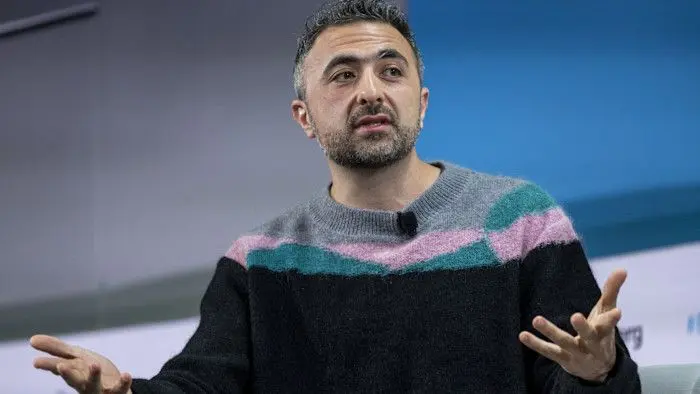
Microsoft AI is accelerating efforts to develop in-house AI models capable of competing with industry leaders, with CEO Mustafa Suleyman declaring the company must "deliver the absolute frontier" by 2027
1
. The ambitious timeline represents a fundamental shift in strategy following the collapse of Microsoft's original partnership agreement with OpenAI, which had prevented the tech giant from building its own broadly capable AI systems5
.
Source: FT
The renegotiated deal between Microsoft and OpenAI last year removed contractual restrictions that had long constrained the company's AI development efforts. In exchange for licensing ChatGPT for integration into Microsoft products, the original agreement prohibited the development of competing large-scale AI systems
1
. This clause disappeared in the new arrangement, simultaneously allowing OpenAI to pursue cloud computing deals with Microsoft's competitors while freeing Microsoft to build advanced models and compete directly with the startup2
.Computing Power Constraints Limit Current Capabilities
Despite ambitious goals for AI development by 2027, Microsoft AI currently lacks the computing power needed to build cutting-edge systems that can compete with Anthropic, Google, and OpenAI in sophisticated areas like coding and text generation
2
. "We are not able to build models in the very largest scale yet although our computation ramp is coming to enable us to do that later this year," Suleyman told the Financial Times, adding that the company is "competing in the mid-class range"2
.Microsoft began assembling the necessary infrastructure in October by deploying a cluster of Nvidia GB200 chips, expanding available computing resources
1
. The company is "ramping over the next sort of 12 to 18 months to get to frontier-scale compute," according to Suleyman1
. These constraints stem from multiple factors including local opposition to data centers, equipment shortages, power limitations, and labor availability2
.Speech Transcription Model Signals First Step Toward AI Self-Sufficiency
Microsoft AI released a speech transcription model on Thursday that demonstrates superior accuracy compared to rival products in benchmark testing across 11 of the 25 most widely spoken languages
1
. Designed to filter out background chatter in noisy environments, the model will begin supporting Microsoft Teams videoconference service and other products in coming months1
.However, this remains a specialized tool built for efficiency and trained on fewer data points than general-purpose systems like Claude 3 Opus or OpenAI's GPT-4
1
. The company unveiled its first foundation model MAI-1 last year, describing it as an "in-house mixture-of-experts model" trained on 15,000 Nvidia H100 GPUs, though this model remains in preview and not generally available2
.Related Stories
Organizational Shifts Reflect Changing Priorities
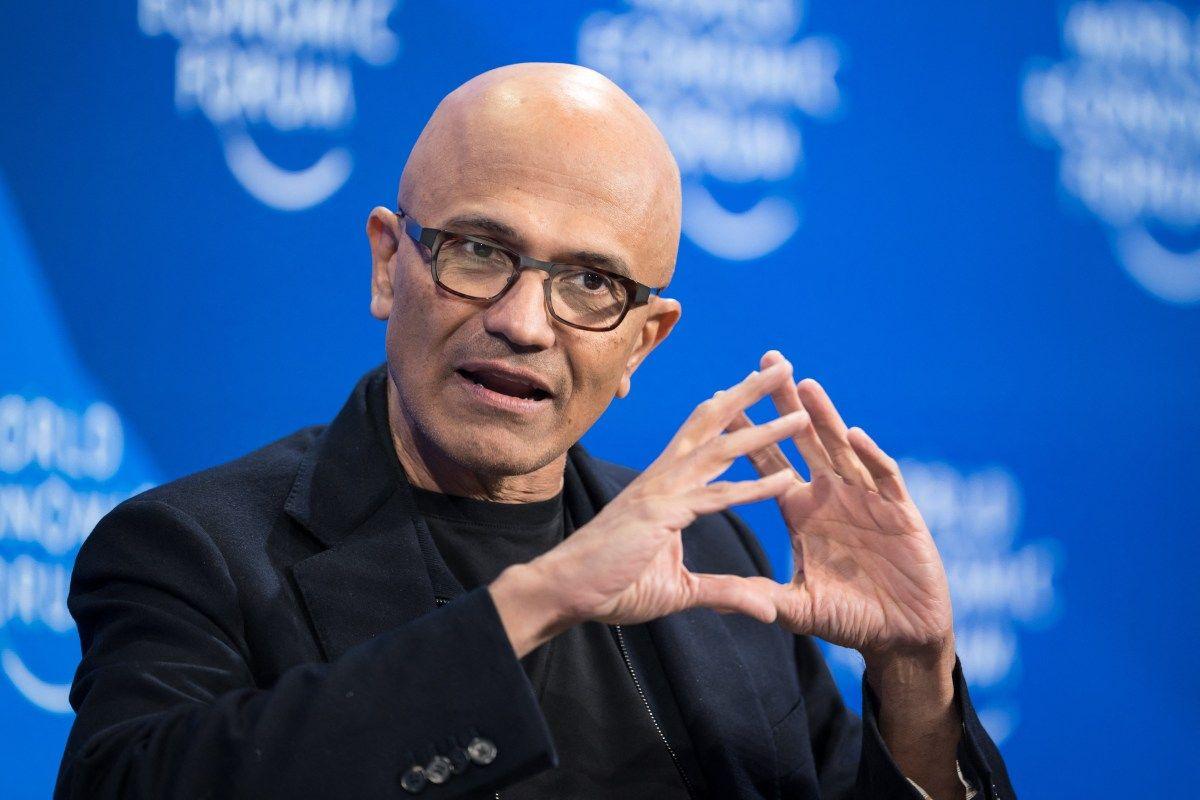
Mustafa Suleyman, who joined Microsoft in 2024 to lead consumer AI efforts, saw his responsibilities narrow last month to focus exclusively on model development
1
. Former Snap executive Jacob Andreou assumed oversight of Microsoft's Copilot assistant for both corporate and individual users, acknowledging the company's struggle to build a standalone ChatGPT competitor for mass adoption1
.CEO Satya Nadella addressed a gathering of the company's 350-strong Superintelligence team this week in Miami, emphasizing "the importance of our own state-of-the-art long-term AI self-sufficiency mission over the next three to five years"
1
. The mission centers on building chip clusters at frontier scale and investing in data budgets to achieve state-of-the-art capabilities2
.
Source: Futurism
Market Pressures Mount as Competition Intensifies
Microsoft's stock performance reflects investor concerns about the company's position in the AI race. The tech giant closed its worst quarterly stock performance since the 2008 financial crisis, with shares sliding over 20 percent this year
3
. Microsoft's reliance on OpenAI technology, essentially wrapping ChatGPT into Copilot and calling it complete, has contributed to perception challenges4
.Analysts note concerns that Microsoft 365 Copilot hasn't met expectations, with potential for new competitors to emerge
3
. The company must balance allocation of data center capacity between internal AI development efforts, customers like OpenAI and Anthropic using Azure cloud services, and traditional enterprise software2
. Despite market turbulence, Microsoft reported revenue growth of almost 17 percent in the first quarter compared to the same period last year3
.The path to developing state-of-the-art AI models that can handle text, image, and audio generation won't be straightforward for Microsoft, given that rivals have spent years on AI research
5
. Increased competition in frontier AI development should yield better tools for users, though ramped-up purchases of GPUs and computing infrastructure may drive consumer hardware prices higher4
.References
Summarized by

Navi
[3]
[4]
Related Stories
Microsoft unveils seven AI models to compete with OpenAI and Anthropic as it cuts dependencies
29 May 2026•Technology

Microsoft Develops In-House AI Models to Reduce Dependence on OpenAI
08 Mar 2025•Technology

Microsoft pushes for AI self-sufficiency as it builds in-house models to reduce OpenAI dependence
12 Feb 2026•Business and Economy

Recent Highlights



Recent Highlights
Today's Top Stories






Don’t drown in AI news. We cut through the noise - filtering, ranking and summarizing the most important AI news, breakthroughs and research daily. Follow topics that matter to you and stay ahead.


