Microsoft Revamps Controversial AI-Powered Recall Feature with Enhanced Security Measures


15 Sources
[1]
Microsoft's beefed up Recall security model includes a blessed uninstall option
Recall will finally be available for testing on Copilot Plus PCs in October. Big companies don't need to listen to the little guy, right? Progress is coming for us all, whether we like it or not? One of the many AI-adjacent controversies to grab headlines this year has been Microsoft's
[2]
Microsoft will let Windows Copilot+ PC users completely uninstall new Recall AI feature
In its latest attempt to address AI security and privacy concerns, Microsoft provided new details about the underlying architecture for its upcoming Recall feature, which promises to let Windows users quickly locate information they've previously viewed on their PCs with help from artificial
[3]
Microsoft's Maligned AI-Enabled 'Recall' Gets a Security Reboot
Microsoft Corp. has announced upgrades for Recall, an artificial intelligence feature that creates a record of everything users do on their PCs, following criticism that the tool created an attractive target for hackers. In an interview Thursday, David Weston, a vice president for enterprise and
[4]
Microsoft Gives Controversial Recall AI Feature Some Extra Security
After security experts raised concerns about Microsoft's upcoming Recall AI feature, the tech giant has added a few more security features to help Windows users protect their data and browsing history from attackers or snoops. Microsoft will now require Recall users to biometrically authenticate
[5]

Microsoft Makes Security Case for Much-Maligned Copilot Plus Recall Feature
Microsoft says the controversial Recall search feature will only be on Copilot Plus PCs that meet its security standards. In a detailed blog post on Friday, Microsoft vice president for enterprise and OS security David Weston gave an update on how security will work on the company's controversial
[6]

Microsoft: Windows Recall now can be removed, is more secure
Microsoft has announced security and privacy upgrades to its AI-powered Windows Recall feature, which now can be removed and has stronger default protection for user data and tighter access controls. Today's announcement comes in response to customer pushback requesting stronger default data
[7]

Microsoft describes Recall's new security features, says the feature is opt-in
After a major PR blunder, Microsoft is detailing its Recall's new security model. Microsoft is set to bring back Recall, the Copilot+ feature it, well, recalled back in June just before its release due to security concerns and negative feedback. Today, the company released a detailed blog post
[8]

Microsoft has some thoughts about Windows Recall security
AI screengrab service to be opt-in, features encryption, biometrics, enclaves, more Microsoft has revised the Recall feature for its Copilot+ PCs and insists that the self-surveillance system is secure. "Recall," as Microsoft describes it, "is designed to help you instantly and securely find what
[9]

Microsoft AI PC Recall Feature Gets Security Update
'We've taken some important steps to secure your snapshots and then put you in complete control,' Microsoft Consumer CMO Yusuf Mehdi says. Microsoft has a new security architecture for its controversial Recall feature powering improved search on artificial intelligence PCs, set to become available
[10]

Microsoft explains how it's tackling security and privacy for Recall
The company is being more careful after Recall's botched launch alongside Copilot+ AI PCs. The condemnation of Microsoft's Recall feature for Copilot+ AI PCs was swift and damning. While it's meant to let you find anything you've ever done on your PC, it also involves taking constant screenshots
[11]

Microsoft announces sweeping changes to controversial Recall feature for Windows 11 Copilot+ PCs
Microsoft's Recall was supposed to be the marquee feature for the new Copilot+ PCs Microsoft announced in May 2024. Its stated goal was to give Windows 11 users an AI-powered "photographic memory" to help them instantly find something they'd previously seen on their PC. In theory, Recall offers a
[12]

The controversial Windows Recall is returning to Copilot+ PCs -- here's how Microsoft says it will keep your data safe
Here's how Microsoft plans to keep its AI-powered snapshots secure on your Copilot+ PC Ahead of its October relaunch, Microsoft is highlighting the security and privacy features baked into Windows Recall that are designed to help keep your private data and the AI-powered Snapshots it takes safe
[13]

Microsoft now confirms you can opt out of, and remove, Windows Recall
If you don't want to deal with Windows Recall, Microsoft says that you won't have to. Microsoft has released a white paper of sorts outlining what the company is doing to secure user data within Windows Recall, the controversial Windows feature that takes snapshots of your activity for later
[14]

Microsoft finally details how Recall on Windows 11 will keep your data safe
Microsoft has been dealing with a lot of blowback ever since the reveal of its Recall software, powered by Copilot+. As a recap, every few seconds, Windows will take snapshots of whatever you're doing on your computer. These snapshots can then be searched, and your device will profile what's going
[15]

Microsoft to re-launch 'privacy nightmare' AI screenshot tool
"We will be continuing to assess Recall as Microsoft moves toward launch", it said in a statement. When it initially announced the tool at its developer conference in May, Microsoft said it used AI "to make it possible to access virtually anything you have ever seen on your PC", and likened it to
Share
Copy Link
Microsoft addresses privacy concerns surrounding its AI-enabled Recall feature in Copilot, implementing new security measures to regain user trust and improve functionality.

Microsoft's Recall Feature: A Rocky Start
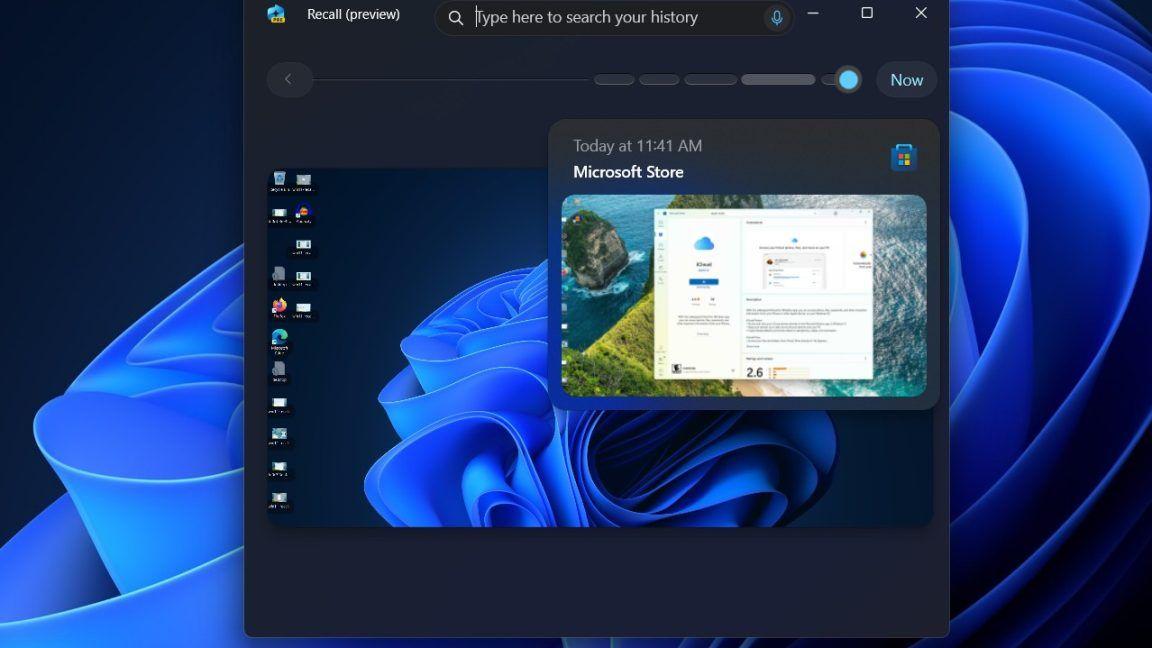
Microsoft's AI-powered Recall feature, introduced as part of its Copilot AI assistant, faced significant backlash upon its initial release. The feature, designed to help users retrieve information from their digital history, raised serious privacy concerns among users and cybersecurity experts alike
1
. Many users were alarmed by the potential for unauthorized access to sensitive personal data, leading to a wave of uninstallations and criticism.Security Overhaul and New Measures
In response to the widespread concerns, Microsoft has announced a comprehensive security reboot for the Recall feature
2
. The tech giant has implemented several new security measures aimed at addressing user privacy and data protection:-
Enhanced encryption: All data processed by Recall is now end-to-end encrypted, ensuring that even Microsoft cannot access users' personal information
3
. -
Granular controls: Users now have more detailed options to control what information Recall can access and for how long
4
. -
Transparency reports: Microsoft has committed to regular transparency reports detailing how Recall data is used and protected.
Rebuilding Trust and Improving Functionality
Microsoft's efforts to address privacy concerns go beyond just security measures. The company has also focused on improving the overall functionality and user experience of the Recall feature:
-
Improved accuracy: The AI algorithms powering Recall have been refined to provide more relevant and accurate information retrieval
5
. -
User education: Microsoft has launched a comprehensive education campaign to help users understand how Recall works and how to use it safely.
-
Third-party audits: The company has invited independent security firms to audit the Recall feature, aiming to provide additional assurance to users.
Related Stories


Industry Implications and Future Outlook
The controversy surrounding Microsoft's Recall feature and the subsequent security overhaul have broader implications for the AI industry. As AI-powered tools become more integrated into our daily lives, the incident highlights the critical importance of prioritizing user privacy and security from the outset.
Microsoft's response to the Recall backlash may set a precedent for how tech companies handle similar challenges in the future. The incident serves as a reminder that even tech giants must remain vigilant and responsive to user concerns, especially when dealing with sensitive personal data in AI applications.
References
Summarized by

Navi
[1]
Related Stories
Recent Highlights



Recent Highlights
Today's Top Stories





Don’t drown in AI news. We cut through the noise - filtering, ranking and summarizing the most important AI news, breakthroughs and research daily. Follow topics that matter to you and stay ahead.


