MiniMax plans China's biggest AI model with 2.7 trillion parameters, will open-source it


2 Sources
[1]
MiniMax plans China's biggest AI model, and will open-source it
MiniMax is building a 2.7-trillion-parameter model, six times the size of its current flagship and the largest in China, The Information reports. It plans to open-source the system, targeted for the third quarter, in another blow to the paid frontier. MiniMax plans its biggest model yet, a
[2]
China's MiniMax plans to launch giant 2.7 trillion parameter model
Chinese AI firm MiniMax is developing a 2.7 trillion-parameter model. This new model could become the world's largest open-weight AI system. Cheaper Chinese AI models are gaining traction as alternatives to US systems. MiniMax will also launch a multimodal video generation model soon. The company
Share
Copy Link
Chinese AI startup MiniMax is developing a 2.7 trillion-parameter large language model, six times larger than its current flagship. The company plans to open-source the system by Q3 2025, making it China's biggest AI model and potentially the world's largest open-weight system. The move intensifies competition with U.S. frontier labs already facing pressure from cheaper Chinese alternatives.
MiniMax Builds 2.7 Trillion Parameter Model for Open Release
MiniMax is developing a large language model with 2.7 trillion parameters, according to The Information, citing two people familiar with the effort
1
. The Chinese AI startup plans to open-source the system, with a potential release as early as the third quarter of 20252
. Internally known as M3 Pro, the model would become China's biggest AI model and possibly the world's largest open-weight AI system.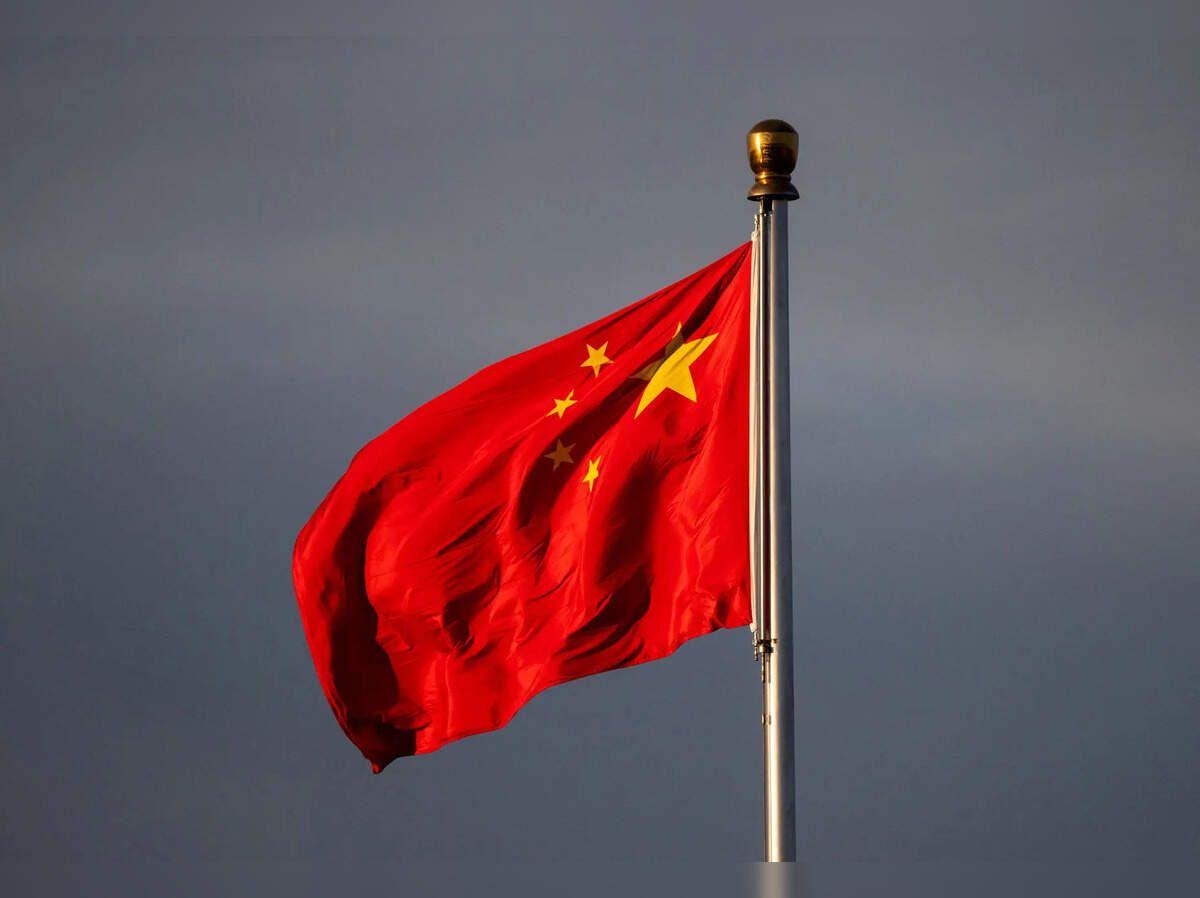
Source: ET
The scale represents a dramatic leap for MiniMax. The company's current flagship, M3, contains 428 billion parameters. The new 2.7 trillion parameter model runs roughly six times bigger
1
. Larger models typically handle complex reasoning and multi-step tasks more effectively, capabilities that define the current frontier race in artificial intelligence. The global push toward trillion-parameter models stems from growing demand for autonomous systems capable of executing long-horizon operations without human intervention2
.Fierce Competition in China's AI Market
MiniMax faces intense competition from other Chinese AI firms including DeepSeek, Zhipu, and Moonshot AI. Each company races to ship capable models cheaply, with many carrying open weights
1
. Currently, Meituan's LongCat-2.0 and DeepSeek's V4-Pro lead the domestic market with 1.6 trillion total parameters, while several rivals have already passed the trillion-parameter threshold2
.The stakes extend beyond technical achievement. MiniMax trades publicly in Hong Kong, where AI stocks have experienced significant volatility this year. A strong open-source AI model would help the company differentiate itself in a brutal home market
1
. Founded in 2021, MiniMax raised HK$4.8 billion ($614 million) in its Hong Kong initial public offering in January and is planning a second listing on Shanghai's STAR Market2
.Related Stories

Pressure Mounts on U.S. Frontier Labs
Cheaper, open-source-based models from Chinese providers are gaining traction as alternatives to U.S. proprietary AI systems
2
. Developers increasingly reach for these models to run high-volume, less-critical work at a fraction of the cost of U.S. frontier systems. Enterprises are adopting open models too, a trend that concerns American labs1
.U.S. labs spend billions training frontier-level models, then charge premium prices. Capable open weights undercut that business logic entirely. The friction already spills into disputes over distillation and access. Beijing, meanwhile, weighs curbs on who abroad can use its best models
1
. The massive architectural expansion relies heavily on Mixture of Experts engineering to balance intelligence with operational costs, organizing models into specialized subnetworks that activate only a small fraction of their capacity per query2
.MiniMax will also launch H3, its frontier-level multimodal video generation model, later this month
2
. For MiniMax, the launch of its 2.7 trillion parameter model serves as a critical test. Success would help it pull clear of Chinese rivals and democratize AI access globally. The proof arrives when the weights drop, potentially this quarter.References
Summarized by

Navi
[1]
Related Stories
Chinese AI Startup MiniMax Challenges Industry Giants with Advanced AI Models
16 Jan 2025•Technology

MiniMax M1: China's New Open-Source AI Model Challenges Global Leaders with Efficiency and Performance
18 Jun 2025•Technology
Alibaba Unveils Trillion-Parameter AI Model: Qwen-3-Max-Preview
08 Sept 2025•Technology

Recent Highlights



Recent Highlights
Today's Top Stories




Don’t drown in AI news. We cut through the noise - filtering, ranking and summarizing the most important AI news, breakthroughs and research daily. Follow topics that matter to you and stay ahead.


