Astrocytes: The Unsung Heroes of Brain Memory Storage


5 Sources
[1]
Overlooked cells might explain the human brain's huge storage capacity
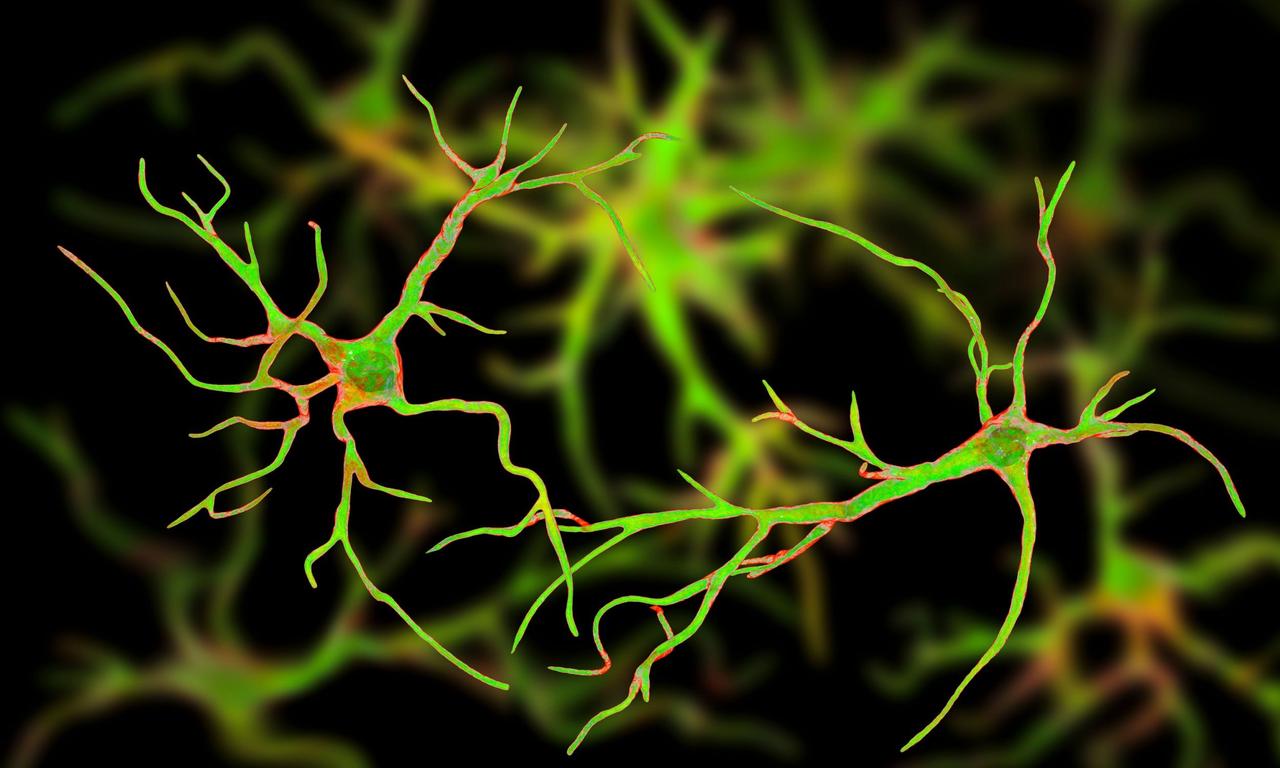
The human brain contains about 86 billion neurons. These cells fire electrical signals that help the brain store memories and send information and commands throughout the brain and the nervous system. The brain also contains billions of astrocytes -- star-shaped cells with many long extensions
[2]
Overlooked cells might explain the human brain's huge storage capacity
The human brain contains about 86 billion neurons. These cells fire electrical signals that help the brain store memories and send information and commands throughout the brain and the nervous system. The brain also contains billions of astrocytes -- star-shaped cells with many long extensions
[3]
Astrocytes may contribute to memory storage in the brain
Massachusetts Institute of TechnologyMay 27 2025 The human brain contains about 86 billion neurons. These cells fire electrical signals that help the brain store memories and send information and commands throughout the brain and the nervous system. The brain also contains billions of astrocytes
[4]
Astrocytes May Hold the Key to Brain's Vast Memory Capacity - Neuroscience News
Summary: New research proposes that astrocytes -- long thought to be merely supportive cells -- may significantly enhance the brain's ability to store memories. Unlike neurons, astrocytes cannot fire electrical signals but can influence synaptic activity through calcium signaling and
[5]

Cells called 'astrocytes' help human brains store so much data - Earth.com
Astrocytes are the brain's star-shaped support cells, and they might be doing more than just backing up neurons. While we usually credit neurons for storing memories and processing thoughts, astrocytes are just as abundant and far more involved than was once believed. The human brain contains
Share
Copy Link
MIT researchers propose a new model suggesting astrocytes, long thought to be mere support cells, may play a crucial role in the brain's vast memory storage capacity.
The Overlooked Stars of Brain Function
For decades, neurons have been the stars of brain research, credited with storing memories and processing thoughts. However, recent studies are shedding light on another abundant cell type in the brain: astrocytes. These star-shaped cells, long considered mere support staff, may play a crucial role in the brain's vast memory storage capacity
1
.
Source: Earth.com
Astrocytes: More Than Just Support Cells
The human brain contains approximately 86 billion neurons and a similar number of astrocytes. While neurons fire electrical signals to transmit information, astrocytes use calcium signaling to communicate with other cells. Recent research has shown that disrupting the connections between astrocytes and neurons in the hippocampus impairs memory storage and retrieval
2
.The Tripartite Synapse: A New Perspective on Neural Connections
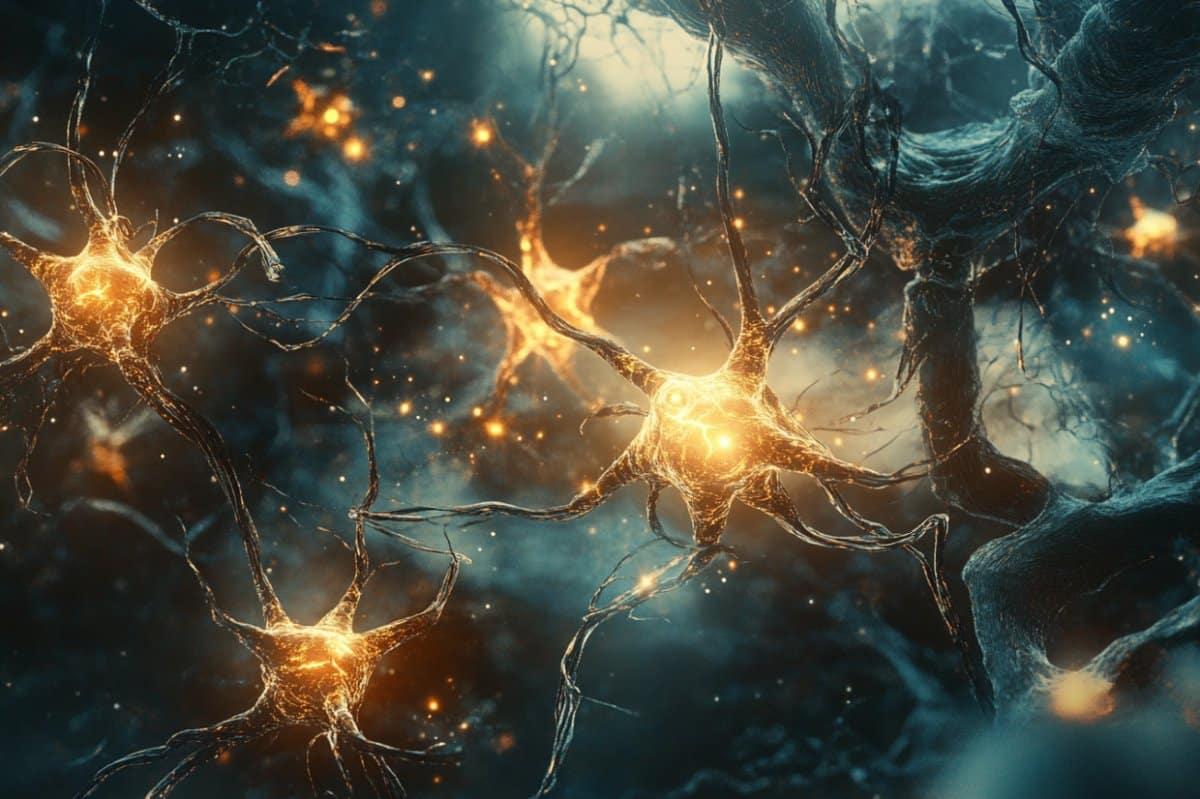
Astrocytes extend thin processes that can wrap around synapses, forming what's known as a "tripartite synapse." This structure involves a presynaptic neuron, a postsynaptic neuron, and an astrocyte process. Through calcium signaling, astrocytes can detect neural activity and respond by releasing gliotransmitters, potentially influencing synaptic function
3
.
Source: Neuroscience News
A New Model for Memory Storage
MIT researchers have proposed a novel hypothesis for how astrocytes might contribute to memory storage. Their model, based on dense associative memory networks, suggests that astrocytes could link multiple neurons at once, significantly boosting storage capacity beyond what traditional neuron-only models can explain
4
.Astrocytes as Computational Units
One key feature of the new model is that it treats astrocytes as collections of processes, rather than single entities. Each process is considered a computational unit, capable of interacting with many synapses. This approach helps explain how the brain might store vast amounts of information with relatively low energy consumption
5
.Related Stories

Implications for Neuroscience and AI
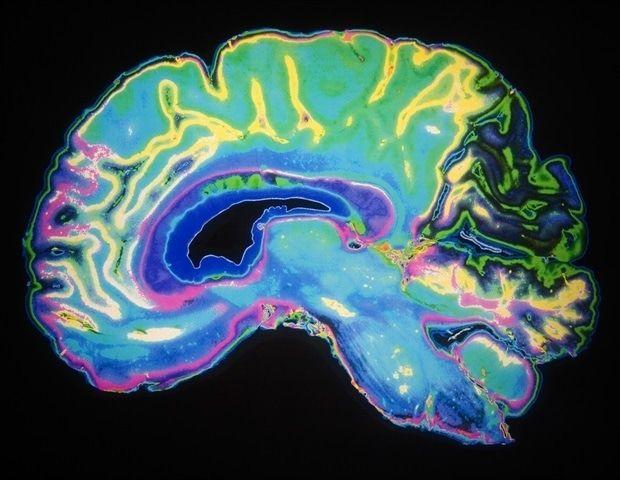
The researchers hypothesize that within astrocytes, memories are encoded by gradual changes in calcium flow patterns. This information is then conveyed to neurons through gliotransmitters released at connected synapses. If proven correct, this theory could not only revolutionize our understanding of brain function but also inspire new approaches in artificial intelligence design
1
.Future Research Directions
Source: News-Medical
To validate this model, researchers aim to conduct experiments manipulating the connections between astrocyte processes and observing the impact on memory. The findings could lead to new avenues for understanding and treating memory-related disorders, as well as developing more efficient AI systems inspired by the brain's intricate memory storage mechanisms
5
.References
Summarized by

Navi
[3]
[4]
Related Stories
New Input-Driven Plasticity Model Revolutionizes Understanding of Memory Retrieval in AI
15 May 2025•Science and Research
Neuroscientists Discover Stable Synapses in the Brain's Adaptable Zone
17 Sept 2024

Scientists discover how hippocampal CA1 memory switchboard safeguards past knowledge
03 Jun 2026•Science and Research
Recent Highlights
1
Microsoft and Nvidia Launch Surface Laptop Ultra: A $2,599 AI-Ready PC With RTX Spark Chip
Technology

2
Trump Consulted Grok AI Before Ordering Venezuela Invasion and Capture of Nicolás Maduro
Policy and Regulation

3
Scientists Build AI Model That Reconstructs Images From Brain Scans in Record Time
Science and Research

Recent Highlights
Today's Top Stories






Don’t drown in AI news. We cut through the noise - filtering, ranking and summarizing the most important AI news, breakthroughs and research daily. Follow topics that matter to you and stay ahead.


