6 Sources
[1]
EXCLUSIVE: China's Moonshot in talks with Microsoft, Amazon, Google over K3 revenue sharing, sources say
BEIJING/SINGAPORE, Aug 26 (Reuters) - China's Moonshot AI is negotiating revenue-sharing agreements with Microsoft (MSFT.O), opens new tab, Amazon (AMZN.O), opens new tab and Alphabet's Google (GOOGL.O), opens new tab that would allow the U.S. cloud giants to host its blockbuster Kimi K3 model, three people familiar with the talks said. Any deal could mark the first big revenue-sharing pact between a Chinese AI firm and a major U.S. cloud company. The discussions highlight how China's leading AI models, often far cheaper than Western offerings, are gaining traction in the U.S., despite national security concerns in Washington that have led to bans on exports of AI chips to China. They are also taking place despite critical comments about Moonshot from senior U.S. officials. IPO-bound Moonshot is seeking up to a 30% share of revenue generated from K3-related services on Microsoft's Azure, Amazon Web Services and Google Cloud, â according to the sources who declined to be identified because the discussions are private. That would be in line with terms that sources have said the startup has outlined for major customers using the open-weight model. The discussions are at an early stage and there is no certainty they will result in agreements, the sources said. Moonshot did not respond to a request for comment about the potential deals. Microsoft, Google, and AWS declined to comment. Moonshot has come under fire from U.S. Treasury Secretary Scott Bessent who said last month that he might add it to a trade blacklist. U.S. officials have accused the Beijing-based company of stealing from Anthropic's most sophisticated model, Fable, to help create Kimi K3 and illegally acquiring Nvidia (NVDA.O), opens new tab chips. Moonshot has rejected suggestions that Kimi K3's performance was achieved via distillation, telling China's National Business Daily last month that its performance gains came from original changes to underlying architecture. UNRESOLVED ISSUES IN THE TALKS According to â one of the sources, unresolved issues in Moonshot's negotiations with the U.S. cloud companies include how revenue might be split, data access and auditing token usage. Tokens are units of text processed by AI models, and measuring their use is central to calculating revenue under usage-based billing. Kimi K3 has posted strong results in third-party evaluations. Arena.ai has ranked it first in a benchmark assessing web interface-building capabilities, while Artificial Analysis says it delivers performance comparable to OpenAI's GPT-5.5 and Anthropic's Claude Opus 4.8, particularly on â tests measuring complex, multi-step tasks. For big AI model providers like Moonshot, major cloud providers are the main route to enterprise adoption. Although Kimi K3 is an open-weight model that can be downloaded and modified, analysts say few customers are likely to run a system with 2.8 trillion parameters on their own infrastructure because of the huge computing â costs involved. Moonshot has signed similar agreements with some smaller cloud platforms, the sources said, without providing details. In July, Chinese IT services provider Chinasoft International (0354.HK), opens new tab said it had a revenue-sharing agreement with Moonshot, though it did not disclose how the revenue will be split. Founded in 2023 by Carnegie Mellon-trained AI researcher â Yang Zhilin, Moonshot is backed by several Chinese tech giants including cloud computing giant Alibaba (9988.HK), opens new tab. The startup raised more than $2 billion in May and is preparing for a potential Hong Kong listing, sources have said. Alibaba is also seeking revenue-sharing agreements with major users of its new open-source AI model, sources have also said. Reporting by Liam Mo in Beijing and Fanny Potkin in Singapore; Editing by Eduardo Baptista, Miyoung Kim and Edwina Gibbs Our Standards: The Thomson Reuters Trust Principles., opens new tab
[2]
Moonshot AI wants 30% of what US clouds earn from Kimi K3
Talks with Microsoft, Amazon and Google are early, and the US Treasury Secretary has suggested blacklisting the company. Moonshot AI is in early discussions with Microsoft, Amazon, and Google about hosting Kimi K3 on their cloud platforms, seeking up to 30% of the revenue those services generate, according to Reuters. It would be the first arrangement of its kind between a Chinese AI company and the major American clouds, involving a model that Moonshot released as the world's largest open model and that rattled markets when it landed. The model K3 runs to 2.8 trillion parameters, which makes it open in licence but impractical for most organisations to host themselves, because the compute required to serve it is beyond what all but a handful of companies can assemble. Open weights therefore do not remove the need for a cloud provider; they change who the cloud provider is competing with. Moonshot gets distribution it could not build, and the hyperscalers get a model that has been performing well against the American frontier, with Arena.ai ranking K3 first for web interface work. What has not been settled is most of the deal. The revenue split itself, data access provisions, and how token usage would be audited are all open, and token counts are what usage-based billing rests on. That auditing question is more delicate than it sounds. Both sides would need to agree a method for counting the units of text a model processes, in an arrangement where the party doing the counting is the party paying the share. Data access is the provision most likely to decide this. A Chinese company hosting a model on Azure or AWS raises immediate questions about what it can see of the prompts and outputs flowing through it, and enterprise customers will want an answer before they route anything sensitive. The politics are considerably harder than the accounting. US Treasury Secretary Scott Bessent has suggested adding Moonshot to trade blacklists, and American officials have accused the company of distilling other companies' models and acquiring chips illegally, allegations Moonshot denies. Three US cloud providers signing revenue-sharing agreements with a company the Treasury Secretary wants blacklisted is not a straightforward proposition. Whether these talks conclude may depend less on the terms than on whether Washington decides they are permissible at all. For Moonshot, the timing is commercially significant. The company has been preparing a Hong Kong listing at a $30bn valuation, and international distribution through the largest clouds in the world would materially change the revenue story it takes to investors. The valuation trajectory is its own story. Moonshot reached a $30bn target after a sevenfold jump in six months, which is the kind of repricing that makes distribution deals urgent rather than opportunistic. Its valuation has already moved at a pace that requires explanation. Moonshot went from roughly $20bn to a $30bn target in about six months, and a business selling model access to Chinese customers alone has a smaller ceiling than one selling through Azure, AWS, and Google Cloud. There is also a sovereignty argument that cuts against the deal in Europe, where buyers have spent two years being told to reduce dependence on foreign models. A Chinese model served through an American cloud is not obviously the answer to that concern, though it may be the cheapest one. The hyperscalers have their own calculation. Customers keep asking for cheaper, capable models; K3 is both, and the alternative to hosting it is watching enterprises route to it some other way, which is exactly the argument that has driven every previous decision to carry a rival's model. A 30% share is aggressive, though it reportedly matches what Moonshot has been asking large customers. It also inverts the usual arrangement, in which the platform takes the cut, and the developer receives the remainder. Nothing has been agreed, and all four companies declined to comment beyond confirming nothing further. Early-stage talks reported by sources are the most likely of all deal stories to end quietly, particularly ones that require a US policy question to be resolved first.
[3]
Moonshot AI seeks revenue-sharing deals with Microsoft, Amazon, Google
The Beijing-based startup wants up to 30% of revenue from Kimi K3-related services on Azure, AWS, and Google Cloud, unnamed sources say Moonshot AI has entered into negotiations with Microsoft $MSFT, Amazon $AMZN, and Alphabet $GOOGL's Google over deals that would let the U.S. cloud giants offer its Kimi K3 model to customers, according to Reuters, which spoke with three people close to the matter. The startup is asking for as much as 30% of what Microsoft's Azure, Amazon Web Services, and Google Cloud earn from services tied to K3.
[4]
China's Moonshot in talks with Microsoft, Amazon, Google over K3 revenue sharing
The discussions highlight how China's leading AI models, often far cheaper than Western offerings, are gaining traction in the US, despite national security concerns in Washington that have led to bans on exports of AI chips to China. They are also taking place despite critical â comments about â Moonshot from senior US officials. China's Moonshot AI is negotiating revenue-sharing agreements with Microsoft, Amazon and Alphabet's Google that would allow the US cloud giants to host its blockbuster Kimi K3 model, three people familiar with the talks said. Any deal could mark the first big revenue-sharing pact between a Chinese AI firm and a major US cloud company. The discussions highlight how China's leading AI models, often far cheaper than Western offerings, are gaining traction in the US, despite national security concerns in Washington that have led to bans on exports of AI chips to China. They are also taking place despite critical â comments about â Moonshot from senior US officials. IPO-bound Moonshot is seeking up to a 30% share of revenue generated from K3-related services on Microsoft's Azure, Amazon Web Services and Google Cloud, according to the sources who declined to be identified because the discussions are private. That would be in line with terms that sources have said the startup has outlined for major customers using the open-weight model. The discussions are at an early stage and there is no certainty they will result in agreements, the sources said. Moonshot did not respond to a request for comment about the potential deals. Microsoft, Google, and AWS declined to comment. Moonshot has come under fire from â US Treasury Secretary Scott Bessent who said last month that he might add it to a trade blacklist. US officials have accused the Beijing-based company of stealing from Anthropic's most sophisticated model, Fable, to help create Kimi K3 â and illegally acquiring Nvidia chips. Moonshot has rejected suggestions that Kimi K3's performance was achieved via distillation, telling China's National Business Daily last month that its performance gains came from original changes to underlying architecture. Unresolved issues in the talks According to one of the sources, unresolved issues in Moonshot's negotiations with the US cloud companies include how revenue might be split, data access and auditing token usage. Tokens are units of text processed by AI models, and measuring their use is central to calculating revenue under usage-based billing. Kimi K3 has posted strong results in third-party evaluations. Arena.ai has ranked it first in a benchmark assessing web interface-building capabilities, while Artificial Analysis says it delivers performance comparable to OpenAI's GPT-5.5 and Anthropic's Claude Opus 4.8, particularly on tests measuring complex, multi-step tasks. For big AI model providers like Moonshot, major cloud providers are the main route to enterprise adoption. Although Kimi K3 is an open-weight model that can be downloaded and modified, analysts say few â customers are likely to run a system with 2.8 trillion parameters on their own infrastructure because of the huge computing costs involved. Moonshot has signed similar agreements with some smaller cloud platforms, the sources said, without providing details. In July, Chinese IT services provider Chinasoft International said it had a revenue-sharing agreement with Moonshot, though it did not disclose how the revenue will be split. Founded in 2023 by Carnegie Mellon-trained AI researcher Yang Zhilin, Moonshot is backed by several Chinese tech giants including cloud computing giant Alibaba. The startup raised more than $2 billion in May and is preparing for a potential Hong Kong listing, sources have said. Alibaba is also seeking revenue-sharing agreements with major users of its new open-source AI model, sources have also said.
[5]
China's Moonshot AI negotiates Microsoft, Amazon, Google over Kimi K3 revenue sharing - report
China's Moonshot AI is negotiating revenue-sharing agreements with Microsoft, Amazon and Alphabet's Google that would allow the US cloud giants to host its blockbuster Kimi K3 model, three people familiar with the talks said. Any deal could mark the first big revenue-sharing pact between a Chinese AI firm and a major US cloud company. The discussions highlight how China's leading AI models, often far cheaper than Western offerings, are gaining traction in the US, despite national security concerns in Washington that have led to bans on exports of AI chips to China. They are also taking place despite critical comments about Moonshot from senior US officials. IPO-bound Moonshot is seeking up to a 30% share of revenue generated from K3-related services on Microsoft's Azure, Amazon Web Services and Google Cloud, according to the sources who declined to be identified because the discussions are private. That would be in line with terms that sources have said the startup has outlined for major customers using the open-weight model. Potential deals with Microsoft, Google, Amazon The discussions are at an early stage, and there is no certainty they will result in agreements, the sources said. Moonshot did not respond to a request for comment about the potential deals. Microsoft, Google, and AWS declined to comment. Moonshot has come under fire from US Treasury Secretary Scott Bessent, who said last month that he might add it to a trade blacklist. US officials have accused the Beijing-based company of stealing from Anthropic's most sophisticated model, Fable, to help create Kimi K3 and illegally acquiring Nvidia chips. Moonshot has rejected suggestions that Kimi K3's performance was achieved via distillation, telling China's National Business Daily last month that its performance gains came from original changes to underlying architecture. Unresolved issues in the talks According to one of the sources, unresolved issues in Moonshot's negotiations with the US cloud companies include how revenue might be split, data access, and auditing token usage. Tokens are units of text processed by AI models, and measuring their use is central to calculating revenue under usage-based billing. Kimi K3 has posted strong results in third-party evaluations. Arena.ai has ranked it first in a benchmark assessing web interface-building capabilities, while Artificial Analysis says it delivers performance comparable to OpenAI's GPT-5.5 and Anthropic's Claude Opus 4.8, particularly on tests measuring complex, multi-step tasks. For big AI model providers like Moonshot, major cloud providers are the main route to enterprise adoption. Although Kimi K3 is an open-weight model that can be downloaded and modified, analysts say few customers are likely to run a system with 2.8 trillion parameters on their own infrastructure because of the huge computing costs involved. Moonshot has signed similar agreements with some smaller cloud platforms, the sources said, without providing details. In July, Chinese IT services provider Chinasoft International 0354.HK said it had a revenue-sharing agreement with Moonshot, though it did not disclose how the revenue will be split. Founded in 2023 by Carnegie Mellon-trained AI researcher Yang Zhilin, Moonshot is backed by several Chinese tech giants, including cloud computing giant Alibaba. The startup raised more than $2 billion in May and is preparing for a potential Hong Kong listing, sources have said. Alibaba is also seeking revenue-sharing agreements with major users of its new open-source AI model, sources have said.
[6]
China's Moonshot in talks with Microsoft, Amazon, Google over K3 revenue sharing, sources say
Moonshot AI is negotiating revenue-sharing deals with Microsoft, Amazon, and Google. These talks could allow US cloud providers to host its Kimi K3 model. The Chinese AI firm seeks up to a thirty percent revenue share from these services. Unresolved issues include revenue splits and data access for auditing token usage. Moonshot AI has faced criticism from US officials regarding intellectual property concerns. BEIJING/SINGAPORE: China's Moonshot AI is negotiating revenue-sharing agreements with Microsoft, Amazon and Alphabet's Google that would allow the U.S. cloud giants to host its blockbuster Kimi K3 model, three people familiar with the talks said. Any deal could mark the first big revenue-sharing pact between a Chinese AI firm and a major U.S. cloud company. The discussions highlight how China's leading AI models, often far cheaper than Western offerings, are gaining traction in the U.S., despite national security concerns in Washington that have led to bans on exports of AI chips to China. They are also taking place despite critical â comments about â Moonshot from senior U.S. officials. IPO-bound Moonshot is seeking up to a 30% share of revenue generated from K3-related services on Microsoft's Azure, Amazon Web Services and Google Cloud, according to the sources who declined to be identified because the discussions are private. That would be in line with terms that sources have said the startup has outlined for major customers using the open-weight model. The discussions are at an early stage and there is no certainty they will result in agreements, the sources said. Moonshot did not respond to a request for comment about the potential deals. Microsoft, Google, and AWS declined to comment. Moonshot has come under fire from â U.S. Treasury Secretary Scott Bessent who said last month that he might add it to a trade blacklist. U.S. officials have accused the Beijing-based company of stealing from Anthropic's most sophisticated model, Fable, to help create Kimi K3 â and illegally acquiring Nvidia chips. Moonshot has rejected suggestions that Kimi K3's performance was achieved via distillation, telling China's National Business Daily last month that its performance gains came from original changes to underlying architecture. UNRESOLVED ISSUES IN THE TALKS According to one of the sources, unresolved issues in Moonshot's negotiations with the U.S. cloud companies include how revenue might be split, data access and auditing token usage. Tokens are units of text processed by AI models, and measuring their use is central to calculating revenue under usage-based billing. Kimi K3 has posted strong results in third-party evaluations. Arena.ai has ranked it first in a benchmark assessing web interface-building capabilities, while Artificial Analysis says it delivers performance comparable to OpenAI's GPT-5.5 and Anthropic's Claude Opus 4.8, particularly on tests measuring complex, multi-step tasks. For big AI model providers like Moonshot, major cloud providers are the main route to enterprise adoption. Although Kimi K3 is an open-weight model that can be downloaded and modified, analysts say few â customers are likely to run a system with 2.8 trillion parameters on their own infrastructure because of the huge computing costs involved. Moonshot has signed similar agreements with some smaller cloud platforms, the sources said, without providing details. In July, Chinese IT services provider Chinasoft International said it had a revenue-sharing agreement with Moonshot, though it did not disclose how the revenue will be split. Founded in 2023 by Carnegie Mellon-trained AI researcher Yang Zhilin, Moonshot is backed by several Chinese tech giants including cloud computing giant Alibaba. The startup raised more than $2 billion in May and is preparing for a potential Hong Kong listing, sources have said. Alibaba is also seeking revenue-sharing agreements with major users of its new open-source AI model, sources have also said.
Share
Copy Link
Beijing-based Moonshot AI is in early-stage negotiations with Microsoft, Amazon, and Google over revenue-sharing agreements that would allow US cloud giants to host its Kimi K3 AI model. The startup seeks up to 30% of revenue from Azure, AWS, and Google Cloud services, marking a potential first for Chinese AI firms despite geopolitical tensions and Treasury Secretary warnings.
Moonshot AI is negotiating revenue-sharing agreements with Microsoft, Amazon, and Google that would enable US cloud providers to host its Kimi K3 AI model on Azure, AWS, and Google Cloud
1
2
. The Beijing-based startup seeks up to 30% of revenue generated from K3-related services, a figure that matches terms the company has outlined for major customers using the open-weight model1
. If finalized, this would mark the first major revenue-sharing pact between a Chinese AI firm and US cloud platforms, fundamentally reshaping how Chinese AI models reach Western enterprise customers1
.The talks with Microsoft, Amazon, and Google highlight how Chinese AI models are gaining traction in the US market despite national security concerns and export bans on AI chips to China
1
4
. For major AI model providers like Moonshot AI, cloud platforms represent the primary route to enterprise adoption. Although Kimi K3 is an open-weight model that can be downloaded and modified, analysts indicate few customers will run a system with 2.8 trillion parameters on their own infrastructure due to massive computing costs1
4
. The open-weight model changes who cloud providers compete with rather than eliminating the need for hosting entirely2
.Kimi K3 has demonstrated strong results in third-party benchmarks, with Arena.ai ranking it first for web interface-building capabilities
1
4
. Artificial Analysis reports the AI model delivers performance comparable to OpenAI's GPT-5.5 and Anthropic's Claude Opus 4.8, particularly on tests measuring complex, multi-step tasks1
4
. The model's competitive performance against frontier models from OpenAI and Anthropic has rattled markets and accelerated interest from hyperscalers seeking capable, cost-effective alternatives for their customers2
.The discussions remain at an early stage with no certainty they will result in agreements
1
3
. Unresolved issues in Moonshot AI's negotiations with US cloud companies include how revenue might be split, data access provisions, and auditing token usage1
4
. Token usage auditing is particularly sensitive since tokens are units of text processed by AI models, and measuring their use is central to calculating revenue under usage-based billing1
4
. Data access raises immediate questions about what a Chinese company can see of prompts and outputs flowing through Azure, AWS, or Google Cloud, concerns enterprise customers will demand answers to before routing sensitive information2
.Related Stories
The negotiations with Microsoft, Amazon, and Google occur despite critical comments from senior US officials about Moonshot AI
1
4
. US Treasury Secretary Scott Bessent indicated last month he might add Moonshot AI to a trade blacklist, while US officials have accused the Beijing-based company of stealing from Anthropic's Fable model to create Kimi K3 and illegally acquiring Nvidia chips1
5
. Moonshot AI has rejected suggestions that Kimi K3's performance resulted from distillation, telling China's National Business Daily its performance gains came from original changes to underlying architecture1
5
. Three US cloud providers signing revenue-sharing agreements with a company the Treasury Secretary wants blacklisted presents a complex political calculation2
.
Source: The Next Web
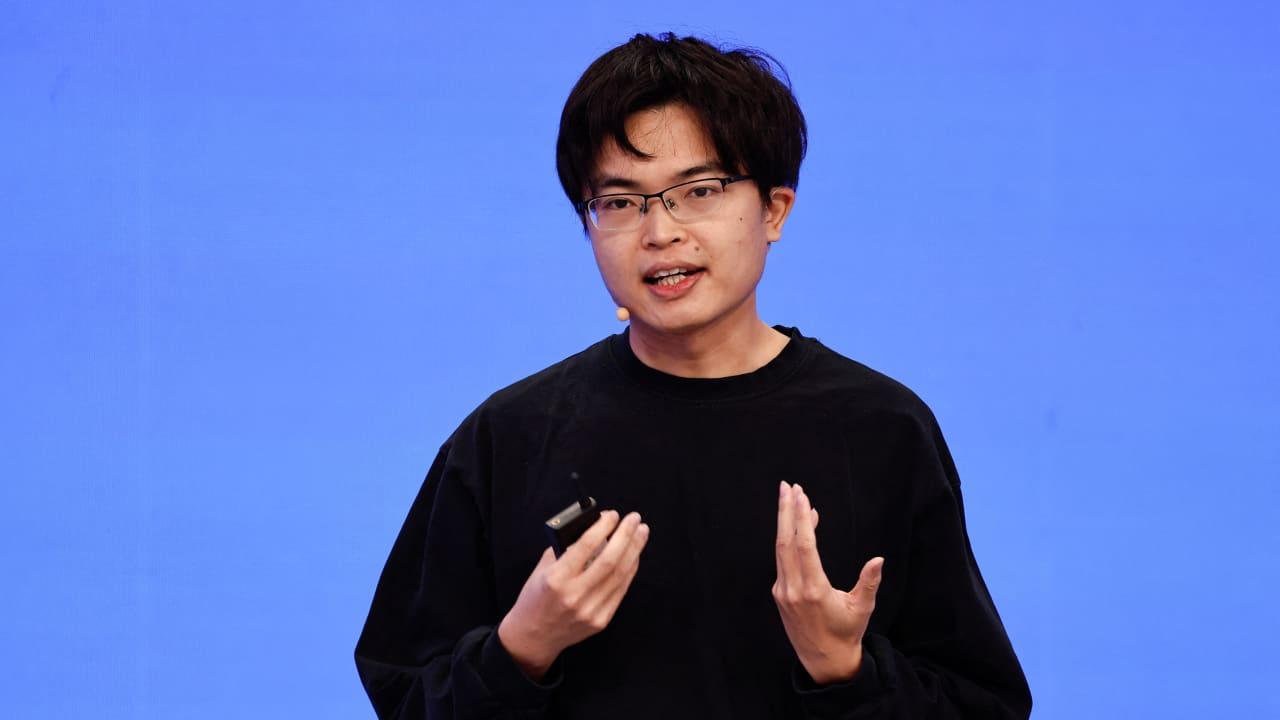
Founded in 2023 by Carnegie Mellon-trained AI researcher Yang Zhilin, Moonshot AI is backed by Chinese tech giants including Alibaba
1
4
. The startup raised more than $2 billion in May and is preparing for a potential Hong Kong IPO at a $30 billion valuation1
2
. International distribution through Azure, AWS, and Google Cloud would materially transform the revenue story Moonshot AI presents to investors, especially given its valuation jumped sevenfold in six months from roughly $20 billion2
. Moonshot AI has already signed similar agreements with smaller cloud platforms, including a July deal with Chinese IT services provider Chinasoft International, though revenue split details were not disclosed1
4
. Alibaba is also pursuing revenue-sharing agreements with major users of its new open-source AI model, suggesting this approach represents a broader trend in Chinese AI commercialization1
5
. Whether these talks conclude may depend less on commercial terms than on whether Washington decides such arrangements are permissible, making this a test case for how Chinese AI models access Western markets amid intensifying geopolitical tensions2
.Summarized by
Navi
[2]
19 Jul 2026â¢Business and Economy

29 Jul 2026â¢Startups

20 Jan 2026â¢Startups

1
Technology

2
Policy and Regulation

3
Technology