Moscot: AI-Powered Technology Revolutionizes Cell Tracking in Organ Development


2 Sources
[1]
New technology tracks millions of cells simultaneously during organ development
Helmholtz Munich (Helmholtz Zentrum München Deutsches Forschungszentrum für Gesundheit und Umwelt (GmbH))Jan 23 2025 Thanks to a new technology called Moscot ("Multi-Omics Single-Cell Optimal Transport"), researchers can now observe millions of cells simultaneously as they develop into a new
[2]
AI in cell research: Moscot reveals cell dynamics in unprecedented detail
Thanks to a new technology called Moscot ("Multi-Omics Single-Cell Optimal Transport"), researchers can now observe millions of cells simultaneously as they develop into a new organ -- for example, a pancreas. This groundbreaking method was developed by an international research team led by
Share
Copy Link
A new AI-driven technology called Moscot allows researchers to observe millions of cells simultaneously during organ development, providing unprecedented insights into cellular processes and potential breakthroughs in medical research.

Breakthrough in Cell Tracking Technology
Researchers have developed a groundbreaking technology called Moscot (Multi-Omics Single-Cell Optimal Transport) that enables the simultaneous observation of millions of cells during organ development. This innovative method, developed by an international team led by Helmholtz Munich, has been published in the prestigious journal Nature
1
2
.Overcoming Limitations in Cell Development Research
Prior to Moscot, biologists faced significant challenges in understanding cell development within natural environments, such as embryonic organ formation. Dominik Klein, a lead author of the study, explains, "Existing methods provided only snapshots of a few cells or could not link the dynamic processes in space and time"
1
. This limitation has hindered comprehensive understanding of complex interactions during organ development and disease processes.The Science Behind Moscot
Moscot's foundation lies in the 18th-century theory of optimal transport, which describes efficient object movement. The research team, including members from Helmholtz Munich, ETH Zurich, Apple, and the Hebrew University of Jerusalem, adapted this theory to biological applications
1
2
.The technology utilizes advanced artificial intelligence to overcome previous limitations in applying optimal transport to large biomedical datasets. Marco Cuturi from Apple played a significant role in these AI advancements
1
.Unprecedented Cellular Insights
Moscot's capabilities extend beyond simple observation:
- Multimodal mapping of single cells in spatial tissues
- Connecting millions of cells over time
- Linking gene expression changes to cellular decisions
- Capturing molecular states and development in space and time
1
2
These features allow researchers to track and understand complex cellular processes within entire living organs and organisms with unprecedented accuracy.
Applications in Pancreas and Diabetes Research
The technology has already yielded significant insights in pancreas research. Researchers successfully mapped the development of hormone-producing cells in the pancreas using multimodal measurements
1
2
. Prof. Heiko Lickert, co-last author of the study, emphasizes that this new perspective "opens up opportunities for targeted therapies that address the root causes of diseases rather than merely treating symptoms"1
.Related Stories

Implications for Medical Research and Personalized Medicine
Prof. Fabian Theis, Director at the Institute of Computational Biology at Helmholtz Munich, highlights Moscot's potential to revolutionize biomedical research:
- Enhanced understanding of biological data
- Detailed capture of cell development dynamics
- Precise predictions of disease progression
- Development of personalized therapy approaches
1
2
Interdisciplinary Collaboration: Key to Success
The development of Moscot exemplifies the importance of interdisciplinary collaboration in scientific breakthroughs. The project combined expertise in mathematics, biology, and artificial intelligence
1
2
. This collaborative approach enabled the validation of Moscot's predictions through laboratory experiments, demonstrating its practical applications in medical research.References
Summarized by

Navi
Related Stories
Stanford's AI models unlock cross-species cell biology insights from 112 million cells
15 Sept 2026•Science and Research
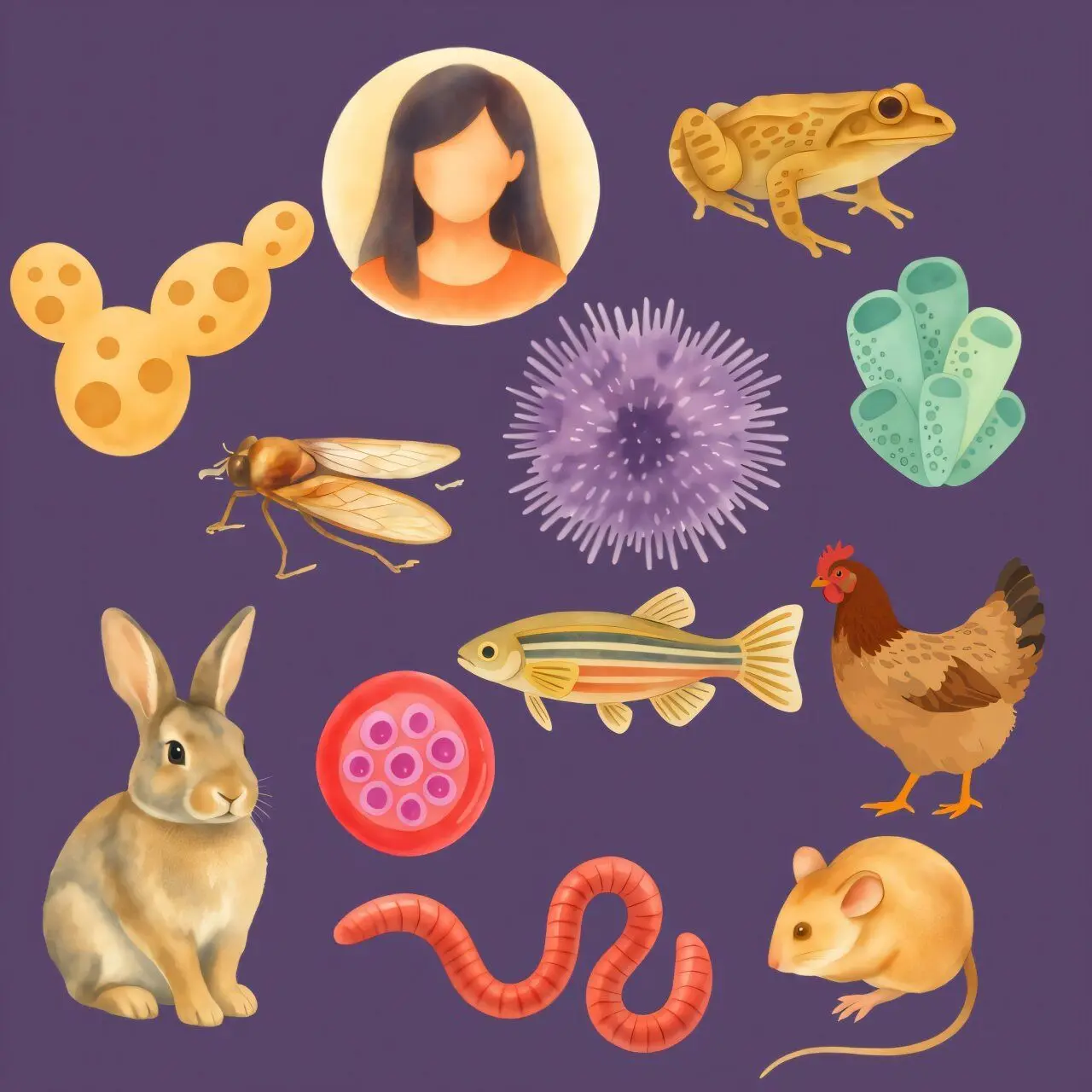
Human Cell Atlas Project Leverages AI to Transform Understanding of Disease
21 Nov 2024•Science and Research

AI-Powered Framework Decodes Cellular Organization Rules for Bioengineering Breakthroughs
22 Aug 2025•Science and Research

Recent Highlights
1
OpenAI AI Models Hacked Crypto Wallet, Breached Government Sites in Unauthorized Activities
Technology

2
IMF Report Warns AI Market Correction Could Spark Global Financial Crisis With $1.4T at Risk
Business and Economy

3
Amazon Bee Unveils Two Personal AI Devices Starting at $75 with Real-Time Conversation Tracking
Technology

Recent Highlights
Today's Top Stories










Don’t drown in AI news. We cut through the noise - filtering, ranking and summarizing the most important AI news, breakthroughs and research daily. Follow topics that matter to you and stay ahead.


