MSI EdgeMesa N AI+ Mini PC Packs NVIDIA RTX Spark N1X With 128GB Unified Memory


3 Sources
[1]
MSI Reveals EdgeMesa N AI+ Mini PC with NVIDIA's 6,144-Core RTX Spark N1X
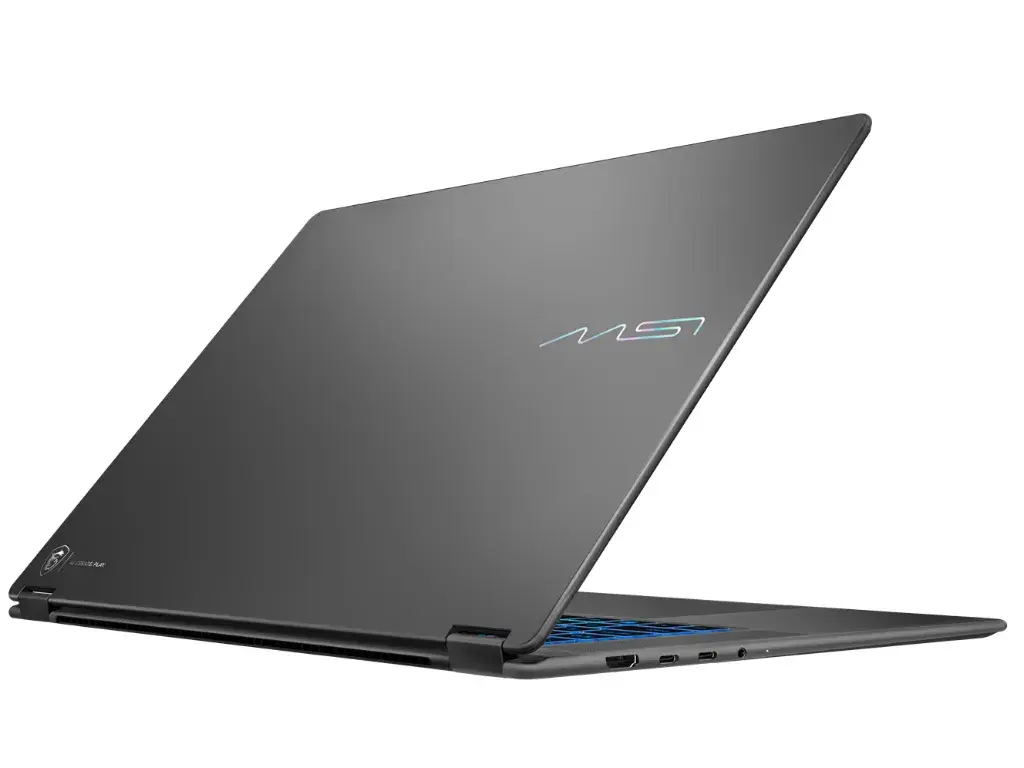
MSI has introduced the EdgeMesa N AI+, a compact Windows 11 system built around NVIDIA's RTX Spark N1X platform. The configuration announced combines a 20-core NVIDIA Grace CPU with a Blackwell GPU containing 6,144 CUDA cores and up to 128GB of shared LPDDR5X memory. MSI has not yet published a
[2]
MSI puts NVIDIA's N1X SoC and 128GB of unified memory inside a Windows mini-PC
MSI has introduced a new compact PC. "EdgeMesa N AI+," as MSI calls it, features NVIDIA's new RTX Spark N1X platform in the form of a 20-core Grace CPU and a Blackwell GPU, paired with up to 128GB of LPDDR5X unified memory. The system brings NVIDIA's latest AI-focused hardware to a compact desktop
[3]
MSI Debuts EdgeMesa N AI+ Mini PC With NVIDIA's Most Powerful RTX Spark N1X Chip, Packing 128 GB Unified Memory For Local AI
The new RTX Spark mini PC will boast NVIDIA's N1X SoC coupled with a good 128 GB memory for enthusiasts. MSI Debuts NVIDIA RTX Spark N1X-Powered EdgeMesa N AI+ Mini PC for Local AI Workloads; Supports 128 GB LPDDR5X Memory and up to 4 TB Storage More PC makers are now adopting NVIDIA's latest RTX
Share
Copy Link
MSI has unveiled the EdgeMesa N AI+, a compact Windows 11 Mini PC powered by NVIDIA RTX Spark N1X featuring a 20-core Grace CPU, Blackwell GPU with 6144 CUDA cores, and up to 128GB unified memory. The system targets local AI workloads, content creation, and gaming but lacks pricing and release details beyond an October 2026 launch window.

MSI EdgeMesa N AI+ Brings NVIDIA RTX Spark N1X to Compact Desktop Form
MSI has introduced the EdgeMesa N AI+, a compact Windows 11 Mini PC built around NVIDIA RTX Spark N1X platform that combines a 20-core Grace CPU with a Blackwell GPU containing 6144 CUDA cores
1
2
. This product announcement marks a shift in how mainstream PC manufacturers approach AI-focused hardware, bringing NVIDIA's unified-memory Arm system concept into a small form factor accessible to Windows users. The system supports up to 128GB of LPDDR5X memory shared between CPU and GPU, eliminating the need for separate graphics card VRAM1
. MSI has not yet published pricing or a precise release date, though NVIDIA RTX Spark N1X systems are expected to begin shipping in October 20262
.Unified Memory Architecture Targets Local AI Workloads
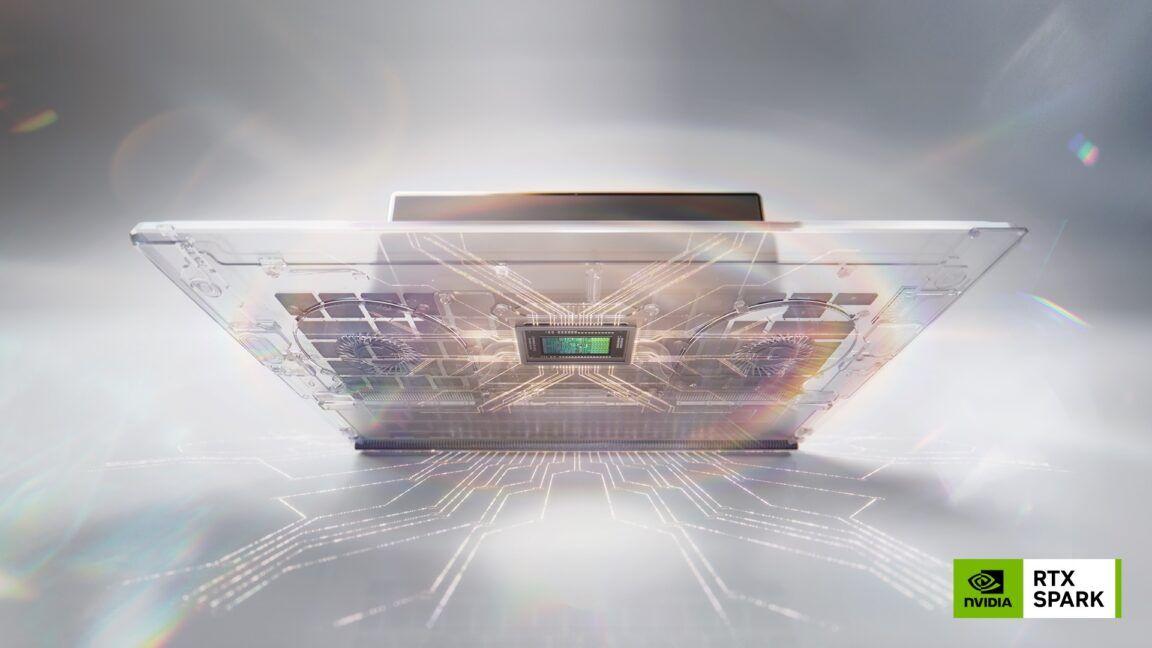
The EdgeMesa N AI+ employs a unified memory architecture where CPU and GPU share the system's LPDDR5X pool rather than relying on separate VRAM, which proves useful for local AI workloads that need to move large datasets between processor and GPU
1
. NVIDIA rates the configuration at up to 1 petaFLOP of FP4 AI performance3
, positioning it for AI inference and development tasks. The integrated Blackwell GPU carries approximately 4% more CUDA cores than NVIDIA's GeForce RTX 5070 Ti Laptop GPU, which features 5,888 cores, though direct comparisons prove difficult due to differences in power limits, clock speeds, bandwidth, and thermal headroom2
. The memory capacity is fixed by the configuration selected at purchase and cannot be upgraded later with DIMMs1
, a trade-off that buyers must consider against the benefits of unified memory.Comprehensive Connectivity in Compact Package
Connectivity options prove unusually broad for a small Windows mini-PC. The system includes four USB Type-C ports rated for 20Gbps, with DisplayPort 1.4 Alt Mode on three ports, plus HDMI 2.1b and 10Gb Ethernet
1
3
. Wireless connectivity includes Wi-Fi 7 and Bluetooth 5.41
. MSI equips the system with vapor-chamber cooling and a fan to handle the RTX Spark N1X platform within its 140W power envelope2
, though the listed 140W TDP is a platform figure and should not be mistaken for confirmed whole-system power consumption1
. Storage capacity reaches up to 4TB NVMe SSD, though MSI has not detailed how many internal SSD slots are available1
.Related Stories
Gaming and Content Creation Capabilities Remain Unproven
MSI and NVIDIA position RTX Spark as a Windows platform with NVIDIA graphics software and features, including Game Ready and Studio drivers, suggesting suitability for gaming and content creation beyond AI tasks
1
2
. Whether the system delivers adequate gaming performance will depend on final implementation, power limits, and how this integrated configuration performs in real-world scenarios, as MSI has not published independent benchmark results1
. The large unified memory capacity may prove more compelling for AI and creator workloads than for buyers seeking a conventional gaming Mini PC1
.Pricing Expectations and Market Positioning
With hardware closely resembling NVIDIA's DGX Spark AI workstation, which currently lists at $4,699, the EdgeMesa N AI+ is not expected to be cheap
2
. Unlike DGX Spark, which features 200Gbps ConnectX-7 networking for linking multiple systems and runs NVIDIA's Linux-based DGX OS, MSI's Mini PC drops the high-speed networking and is designed around Windows 11 support2
. MSI has not detailed memory configurations below 128GB, display output combinations, physical dimensions, acoustic behavior, or regional warranty details1
. Buyers should wait for a full MSI specification sheet and independent testing before comparing it with conventional small-form-factor PCs or NVIDIA's own RTX Spark systems, as the concept's appeal will depend on how well the Arm-based Windows software environment handles specific applications1
.References
Summarized by

Navi
Related Stories
Nvidia enters Arm-based PC market with RTX Spark chip targeting AI workloads and gaming
26 May 2026•Technology
MSI and Minisforum race to deliver powerful AI PCs in ultra-compact designs
07 Jan 2026•Technology

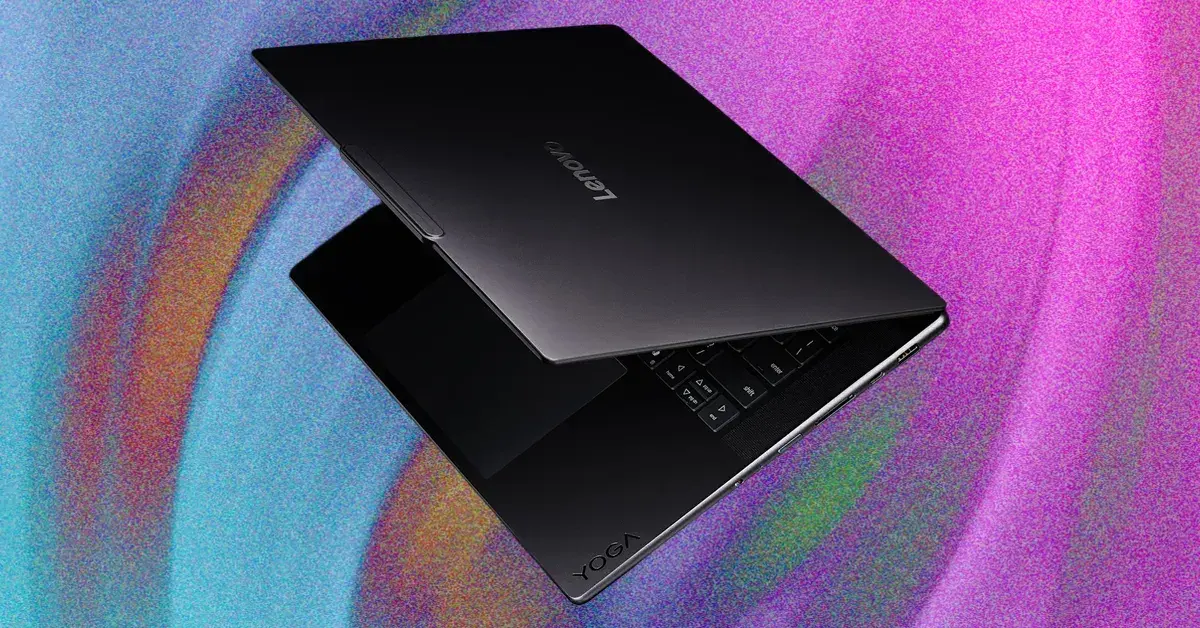
Nvidia RTX Spark AI PCs Set for October Launch as Lenovo Unveils First Hardware at IFA 2026
03 Sept 2026•Technology
Recent Highlights
1
Meta Unveils Muse Wonder Frontier AI Models, Claims Performance Matching OpenAI and Anthropic
Technology

2
IMF Report Warns AI Market Correction Could Spark Global Financial Crisis With $1.4T at Risk
Business and Economy

3
OpenAI Releases 722 AI-Generated Math Solutions, Triggering Existential Crisis in Mathematics
Technology

Recent Highlights
Today's Top Stories








Don’t drown in AI news. We cut through the noise - filtering, ranking and summarizing the most important AI news, breakthroughs and research daily. Follow topics that matter to you and stay ahead.


