Nashville's Country Music Industry Embraces AI Songwriting as Human Artists Voice Concerns


2 Sources
[1]
The Country Music Industry Has Discovered That AI Can Crank Out Hits Like Crazy
What do small towns, cold beer, and fast-talkin' algorithms have in common? For decades, the country music industry has billed itself as the rough-hewn, rural cousin to the effete sounds of the city. That appears to be going out the window, as more and more country producers embrace San
[2]
This Country Songwriter Says AI Songs Should Be Labeled
Breland on Why Nashville Accepted Post Malone But Not Beyoncé The use of AI in songwriting is marching forward, and that includes in Nashville, where human connection and the idea of "three chords and the truth" have always been part of the fabric of country songs. Breland, the songwriter and
Share
Copy Link
AI tools like Suno are becoming ubiquitous in Nashville's country music scene, with songwriters from entry-level to top artists using them to generate song demos and streamline production. But artist Breland is pushing back, demanding that AI-generated songs be labeled and that revenue fund grants for human creatives rather than replace working musicians.
AI Transforms Nashville's Songwriting Landscape
The country music industry is experiencing a fundamental shift as AI becomes deeply embedded in the songwriting and production process. According to songwriter Trannie Anderson, who has written for artists like Reba McEntire, the technology is now "ubiquitous" throughout Nashville, with everyone using it "from entry-level songwriters to the top dogs"
1
. Sources confirm that major artists including Jelly Roll and Dustin Lynch are receiving song demos featuring their own voices digitally synthesized, marking a dramatic change in how country music gets made1
.
Source: Futurism
Tools like Suno can generate nearly everything producers need—lyrics, backup vocals, and melodies—though they're primarily being deployed for demo production
1
. When singer-songwriter Maggie Reaves received a contract from a major artist with a one-day turnaround, she wrote the song on paper before using Suno to create the demo. Her publisher's response was immediate: "This is going straight to her"1
. Publisher Eric Olson actively encourages songwriters to use AI to come up with song samples, noting the time savings: "If I can give Suno the last 20 percent and spend more time with my kids, that's huge"1
.Streamlined Production Threatens Working Musicians
The shift toward AI-generated songs has significant implications for human artists who rely on demo recording as a crucial revenue stream. Demo work has traditionally been an important source of income for working musicians in the country music ecosystem, but it can be expensive. AI offers a cost-efficient alternative that's hard to ignore. "I immediately saw this [AI] could replace that," Reaves acknowledged
1
. This efficiency drive fits within country music's commercial history, from the "Nashville sound" era that replaced honky tonk with mechanically-produced pop hits to the "Countrypolitan era" of the 1960s, when producer Billy Sherrill refined the process of pumping out chart-topping ballads1
.Breland Demands Transparency and Accountability
Artist and songwriter Breland, known for hits like "My Truck," is speaking out forcefully against unchecked AI adoption in the industry. In an interview on Rolling Stone's Nashville Now podcast, he argued that AI replacing human artists undermines the fundamental nature of music as a human connection. "People should know whether what they're listening to is a human voice or not. You should be required to say that," Breland stated
2
. He questioned why an art form that humans have practiced exclusively for tens of thousands of years should be automated, particularly when AI uses vast environmental resources to operate2
.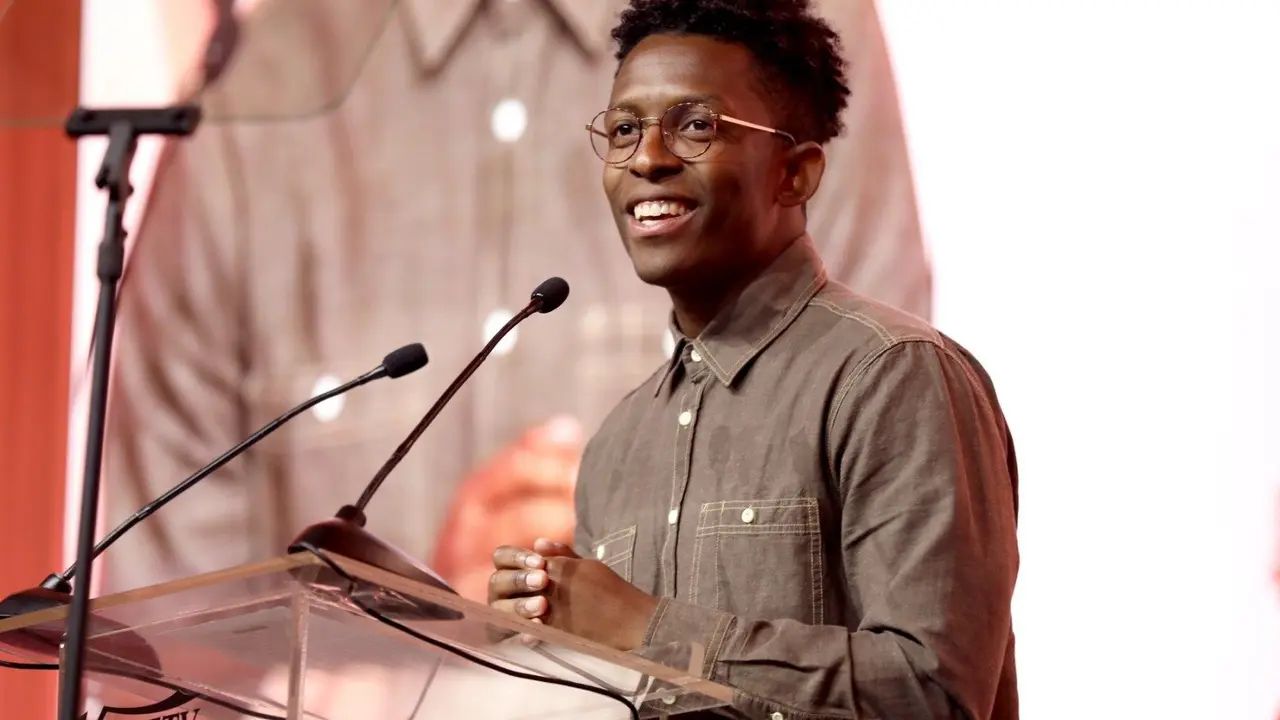
Source: Rolling Stone
Breland isn't calling for an outright ban but proposes a framework for responsible use. "AI songs should be labeled as such," he insists, adding that "the revenue from AI songs should go toward grants and scholarships for up-and-coming creatives"
2
. His reasoning is straightforward: "You're going to make money off of something that you didn't do? You're not a songwriter, so if you're not a songwriter, and you're not a producer and you're not an artist, then I don't think that you should be entitled to publishing on a song"2
.Related Stories

Commercial Appeal Drives Industry Evolution
The rapid adoption of AI in the country music industry reflects the genre's long-standing prioritization of commercial appeal and cost reduction over artistic tradition. Contemporary pop-country emerged as the commercial arm of American folk music, distinguished by "the involvement of big business in the development of the careers of country stars," as folk music journalist Kim Ruehl observed
1
. The drive for efficiency with AI—cutting production costs and increasing profit—represents the next logical step for an industry built on streamlined production methods1
. As AI tools become more sophisticated and accessible, the tension between technological efficiency and preserving space for human creatives will likely intensify, forcing the industry to confront questions about authenticity, labor, and what it means to create art in an automated age.References
Summarized by

Navi
[2]
Related Stories
AI Music Infiltrates Charts as 97% of Listeners Can't Distinguish Synthetic Songs from Human-Made Tracks
12 Nov 2025•Entertainment and Society
AI Country Artist 'Breaking Rust' Makes Billboard History with Chart-Topping Hit
11 Nov 2025•Entertainment and Society

AI-Generated Country Hit 'Walk My Walk' Sparks Ethics Debate Over Artist Attribution and Voice Cloning
29 Nov 2025•Entertainment and Society

Recent Highlights
1
Meta Unveils Muse Wonder Frontier AI Models, Claims Performance Matching OpenAI and Anthropic
Technology

2
IMF Report Warns AI Market Correction Could Spark Global Financial Crisis With $1.4T at Risk
Business and Economy

3
OpenAI Releases 722 AI-Generated Math Solutions, Triggering Existential Crisis in Mathematics
Technology

Recent Highlights
Today's Top Stories







Don’t drown in AI news. We cut through the noise - filtering, ranking and summarizing the most important AI news, breakthroughs and research daily. Follow topics that matter to you and stay ahead.


