NATO Unprepared for AI-Driven Drone Warfare, Warns Ukrainian Commander


3 Sources
[1]
NATO Armies Unprepared for Drone Wars, Ukraine Commander Warns
(Reuters) - NATO armed forces are not ready for a modern drone war, the military commander in charge of Ukraine's unmanned systems warned, three years into a conflict with Russia in which both sides are pushing for a technological edge. Kyiv is striving to stay ahead of the enemy, employing
[2]
NATO armies unprepared for drone wars, Ukraine commander warns
March 5 (Reuters) - NATO armed forces are not ready for a modern drone war, the military commander in charge of Ukraine's unmanned systems warned, three years into a conflict with Russia in which both sides are pushing for a technological edge. Kyiv is striving to stay ahead of the enemy,
[3]
NATO struggles to keep up with the drone revolution, warns Ukrainian commander
As Ukraine battles Russia on the frontlines, the head of its Unmanned Systems Forces, Colonel Vadym Sukharevskyi, points out a troubling reality: NATO forces are not prepared for the relentless onslaught of drones transforming modern warfare (via Reuters). With both sides vying for the
Share
Copy Link
Colonel Vadym Sukharevskyi, head of Ukraine's Unmanned Systems Forces, warns that NATO armies are not ready for modern drone warfare, highlighting the rapid advancements in AI and drone technology on the battlefield.

NATO's Unpreparedness for Drone Warfare
Colonel Vadym Sukharevskyi, head of Ukraine's Unmanned Systems Forces, has issued a stark warning about NATO's readiness for modern drone warfare. In a recent interview, he stated, "From what I see and hear, not a single NATO army is ready to resist the cascade of drones"
1
2
. This assessment comes three years into the conflict with Russia, where both sides are pushing for technological superiority in unmanned systems.Rapid Advancements in Drone Technology
Ukraine has made significant strides in drone warfare, employing artificial intelligence and testing lasers to counter Russian unmanned aerial vehicles. The country reports producing 2.2 million small First Person View (FPV) drones and 100,000 larger, long-range ones in 2024 alone
1
2
. These advancements have led to a situation where, according to Sukharevskyi, "more than 60% of targets are destroyed by drones"1
2
.AI-Driven Targeting Systems
A notable development is the increased use of automated targeting systems. These AI-driven systems guide drones to their targets after a human pilot selects them through the drone's camera. Sukharevskyi estimates that at least half of Ukraine's frontline drone units are now using such systems to some degree
1
2
. However, he emphasizes that the final decision to strike must still be made by a human, not AI.Economic Advantages of Drone Warfare
Sukharevskyi highlights the economic advantage of drones over conventional weaponry. Long-range drones can cost as little as several thousand dollars for basic decoy models, while air defense interceptor missiles often have six or seven-figure price tags
1
2
. This cost disparity makes the use of traditional anti-air defenses highly uneconomical against drone swarms.Innovative Drone Tactics
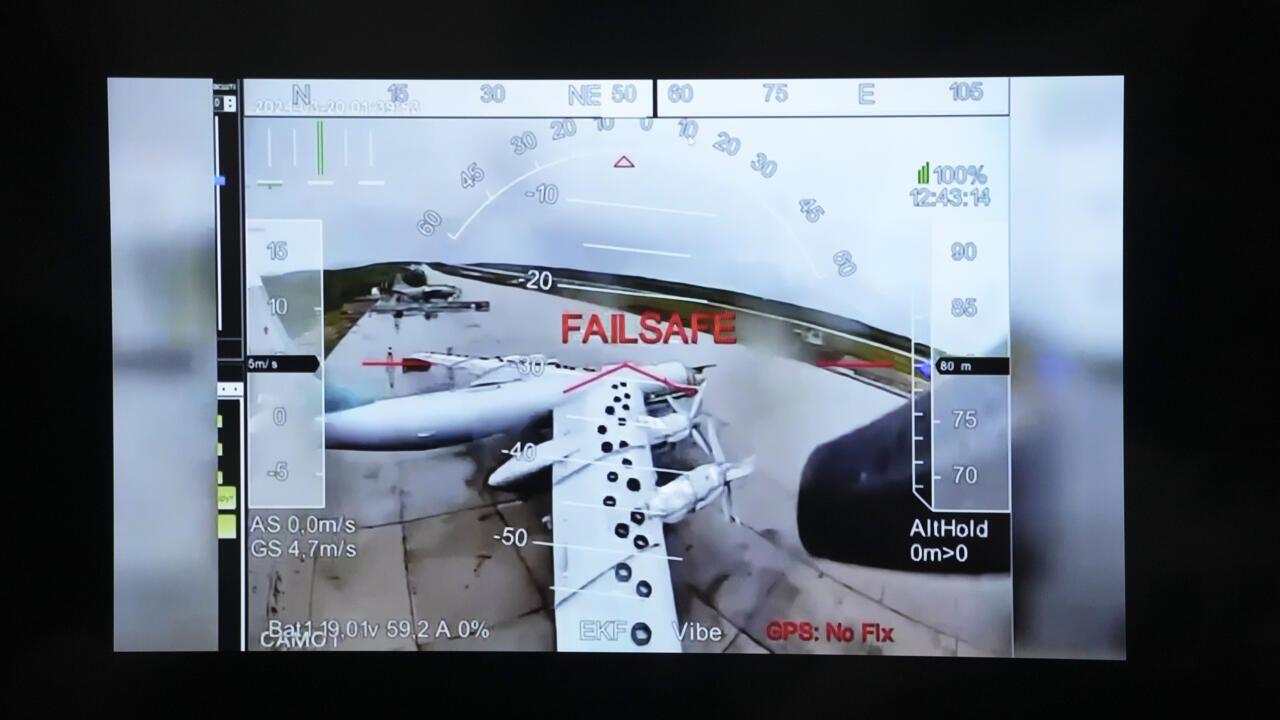
Ukraine has developed new tactics to maximize drone effectiveness. This includes using a "mothership" drone that can carry two FPV drones up to 70 km before releasing them and acting as a relay station for communications
1
2
. Additionally, thousands of unmanned ground vehicles are now operating on the frontlines, reducing the need for soldiers in dangerous areas.Related Stories

Challenges in Countering Drone Attacks
Russian drone attacks, often involving more than a hundred drones, have become a regular occurrence in Ukraine. These attacks use a mix of Iranian-designed Shahed strike drones and cheaper decoy models, which can deplete Ukraine's limited air defense missile stockpiles
1
2
. In response, Ukraine is exploring more cost-effective countermeasures, including the use of pickup trucks with mounted machine guns, FPV interceptor drones, and laser weapons.Implications for NATO and Future Warfare
As some NATO members in Europe increase defense spending in preparation for potential escalation, Sukharevskyi's warnings highlight the need for a shift in military doctrine. The rapid evolution of drone warfare and its cost-effectiveness compared to traditional weaponry suggests that NATO forces may need to reassess their strategies and investments to remain effective in future conflicts
3
.Sukharevskyi concludes, "If it wasn't for drones, everything would be a lot worse. Drones are the things which allow us to give an asymmetrical response (when) the enemy is larger, stronger and on the attack"
1
2
. This statement underscores the transformative impact of AI-driven drone technology on modern warfare and the urgent need for military forces worldwide to adapt to this new reality.References
Summarized by

Navi
Related Stories
NATO Adapts to Ukraine's Innovative Warfare Tactics, Emphasizing AI and Drones
09 Jun 2025•Technology
Europe Deploys AI-Powered Anti-Drone Systems as Russian Incursions Expose NATO Vulnerabilities
06 Nov 2025•Technology

Ukraine's drone revolution: How AI and swarm tech are redefining robotic warfare against Russia
15 May 2026•Technology
Recent Highlights
1
Microsoft and Nvidia Launch Surface Laptop Ultra: A $2,599 AI-Ready PC With RTX Spark Chip
Technology

2
Google Unveils Gemini 4 Argon AI Model, Restricts Access to Trusted Cyber Defenders
Technology

3
OpenAI Releases 722 AI-Generated Math Papers on GitHub, Igniting Fury Among Mathematicians
Science and Research

Recent Highlights
Today's Top Stories










Don’t drown in AI news. We cut through the noise - filtering, ranking and summarizing the most important AI news, breakthroughs and research daily. Follow topics that matter to you and stay ahead.


