Netherlands rejects US bill that would force allies to match China chip curbs


2 Sources
[1]
Netherlands calls US bid to curb ASML exports unacceptable
The MATCH Act would give allies 150 days to match US curbs on chip tool sales to China. The Dutch government has pushed back on a US bill that would tighten curbs on chip tool sales to China. The Dutch foreign ministry told POLITICO that its main worry is that the bill reaches beyond US
[2]
Netherlands rejects US push for tougher China chip export controls
The Netherlands rejected a U.S. congressional proposal that could extend American semiconductor export controls to Dutch equipment sales to China, calling the bill's extraterritorial approach unacceptable. The proposed MATCH Act would give U.S. allies including the Netherlands and Japan 150 days
Share
Copy Link
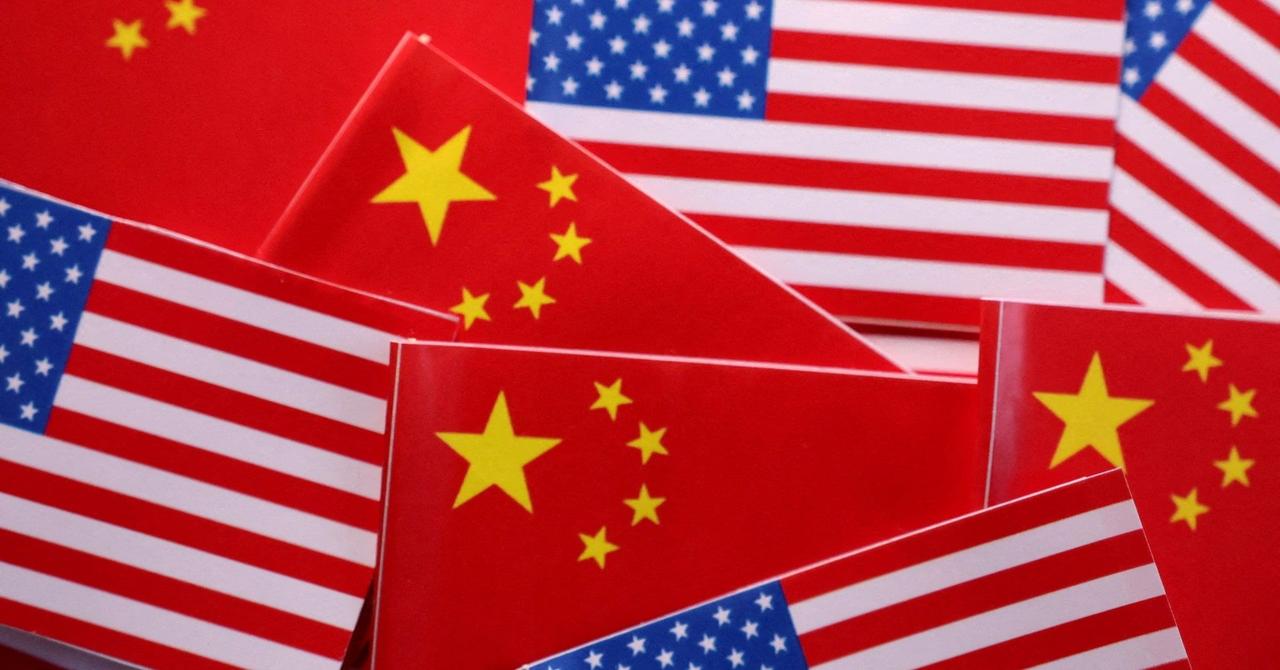
The Dutch government has rejected a US congressional bill that would force allied countries to match American chip export controls on China, calling the bill's extraterritorial approach unacceptable
2
1
. It is an open refusal by a close ally of a core US tool for controlling China's access to chip technology, and it sets up a diplomatic fight over who sets export policy.The MATCH Act would give the Netherlands, Japan and other allies 150 days to match US curbs on selling and servicing advanced chipmaking equipment in China
2
1
. They could instead show progress toward matching them; failing that, the US Commerce Department would have to extend American controls unilaterally to their equipment2
1
. The bipartisan bill was introduced in April1
.The stakes for the Dutch equipment maker
China accounted for nearly one-third of its revenue last year
2
1
. The bill would cover more types of deep-ultraviolet equipment than current rules and tighten servicing of machines the Dutch company already runs in China2
1
.
Source: The Next Web
The stakes run beyond one company. Machinery and parts, largely for chipmaking, were the Netherlands' second-largest goods export category in 2025, one outlet reports
2
.Europe pushes back
A Dutch foreign ministry spokesperson put the objection plainly: "The main concern is the bill's extraterritorial character... Extraterritorial measures run counter to this principle and are unacceptable between partners."
2
1
The Dutch ministry argues that each country should set its own national security and export control policy2
1
.The objection predates the current push. Foreign Trade Minister Sjoerd Sjoerdsma later took the matter up with Commerce Secretary Howard Lutnick and US lawmakers in June
2
.The Netherlands is not arguing against controls as such. It restricted some deep-ultraviolet machine exports by the Dutch equipment maker in 2023, and its most advanced extreme-ultraviolet systems have never been shipped there
2
1
. The Dutch case is about who decides. Dutch MEP Bart Groothuis asked why Washington would block sales of European machines while American firms keep selling AI chips to China: "It's not right, it doesn't make any sense."1
The concern reaches across Europe. Germany is worried too, since Zeiss, a German maker of high-precision lenses and mirrors used inside ASML machines, sits in the supply chain
2
1
. Bernd Lange, who chairs the European Parliament's trade committee, called Washington's approach "totally unacceptable"2
. Talks, he said, should happen "on equal footing"2
.The Dutch face a bill with momentum behind it in Washington. The claims remain unproven, and Nvidia has pushed back on the report
2
1
.Meanwhile, apart from the fight with the Netherlands, the US is tightening chip access on other fronts. Per the Bureau of Industry and Security, the Treasury Department and the National Security Council directed the rule
2
.Related Stories
References
Summarized by

Navi
[1]
Related Stories
Dutch Government Aligns with US on Semiconductor Export Controls, Impacting ASML
06 Sept 2024

Netherlands joins Pax Silica alliance as US tech diplomacy scores win amid ASML export disputes
23 Jun 2026•Policy and Regulation
US claims ASML's EUV lithography machines reached China, company denies export breach
19 Jun 2026•Business and Economy

Recent Highlights


Recent Highlights
Today's Top Stories











Don’t drown in AI news. We cut through the noise - filtering, ranking and summarizing the most important AI news, breakthroughs and research daily. Follow topics that matter to you and stay ahead.


