China threatens countermeasures as US chip equipment bill targets AI semiconductor production


2 Sources
[1]
China criticizes US chip equipment bill in run-up to Beijing talks
May 13 (Reuters) - China is pushing back against proposed U.S. legislation that would curb its chipmakers in the global AI race, making early moves that underscore Beijing's concerns. The proposal, known as the MATCH Act, is likely to be raised in discussions this week in Beijing alongside a
[2]
China Criticizes US Chip Equipment Bill in Run-Up to Beijing Talks
May 13 (Reuters) - China is pushing back against proposed U.S. legislation that would curb its chipmakers in the global AI race, making early moves that underscore Beijing's concerns. The proposal, known as the MATCH Act, is likely to be raised in discussions this week in Beijing alongside a
Share
Copy Link
China is pushing back hard against the proposed MATCH Act, legislation that would restrict Chinese chipmakers from producing AI semiconductors by limiting access to critical chipmaking equipment. Beijing has summoned U.S. diplomats, unveiled countermeasures, and is expected to raise the issue during high-level talks this week between Presidents Trump and Xi Jinping.
China Escalates Diplomatic Pressure Over MATCH Act
China is mounting an aggressive diplomatic campaign against proposed U.S. legislation that would severely restrict Chinese chipmakers in the global AI race
1
. The US chip equipment bill, known as the MATCH Act, has become a flashpoint ahead of Beijing talks scheduled this week between U.S. President Donald Trump and Chinese President Xi Jinping. Chinese officials have summoned U.S. diplomats in China to lodge formal complaints about the proposed legislation, while China's Ministry of Commerce called U.S. chip industry representatives to its Washington embassy in April to discuss the bill2
. These moves underscore the gravity Beijing assigns to legislation it views as an existential threat to its semiconductor industry.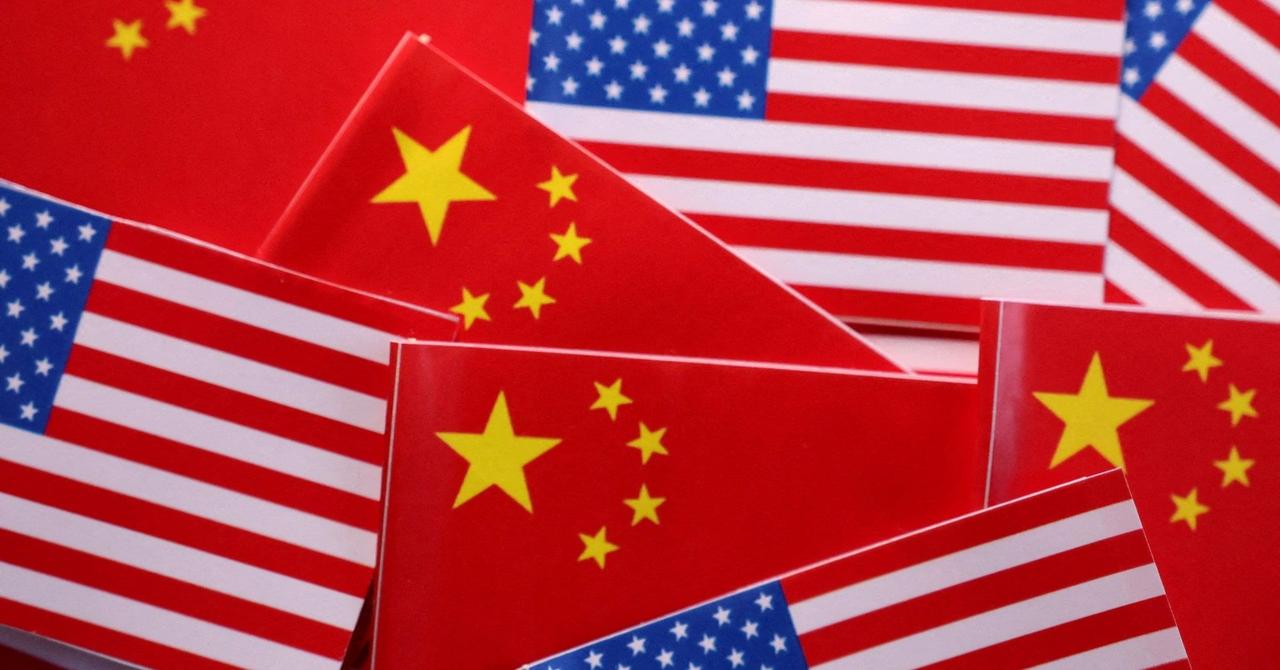
Source: Reuters
The diplomatic offensive reflects China's understanding that its chipmaking capabilities remain vulnerable to American export controls. "Congress understands how important it is for the United States to win the AI race with China -- and Beijing understands its chipmaking industry is extremely vulnerable to American export control," said Ryan Fedasiuk, a former adviser for U.S.-China affairs at the U.S. State Department
1
. The upcoming meeting marks the first between the two leaders since their countries reached a fragile trade truce in South Korea last year, and Chinese officials have already raised the bill in pre-summit meetings.How the MATCH Act Targets AI Semiconductors Production
The MATCH Act aims to close gaps in chipmaking equipment sales to China by targeting critical technology from the United States, Japan, and the Netherlands—the three countries that dominate the market
2
. The legislation would make it harder for Chinese chipmakers to produce AI semiconductors by setting up mechanisms to coerce allied countries into keeping more equipment from China. If foreign countries don't limit exports within months after the regulations go into effect, the draft legislation empowers the U.S. to impose its own controls. The bill also requires licenses to service equipment, creating additional barriers.Netherlands-based ASML, the world's dominant supplier of deep ultraviolet immersion lithography, is viewed as a primary target of the legislation and risks facing new restrictions for the China market. Japanese equipment maker Tokyo Electron is also among companies in the crosshairs. The MATCH Act advanced out of the House Foreign Affairs committee with a 36 to 8 vote late last month, after draft legislation was repeatedly revised following lobbying efforts. Micron, the largest U.S. memory chipmaker, was a driving force behind the bill.
Beijing Unveils Countermeasures and Legal Threats
Chinese officials have been outspoken since the bill was introduced, and the government has unveiled countermeasures it could implement if the legislation becomes law
2
. On April 13, China issued a decree that could be used to combat U.S. regulations such as the MATCH Act, including adding those who promote or implement improper foreign extraterritorial measures to a "Malicious Entity List." The decree also opens the door to legal action against companies and individuals. Liu Pengyu, a Chinese embassy spokesperson, accused the U.S. of "using all sorts of pretexts to coerce other countries into joining its technological blockade against China."After the House Foreign Affairs committee vote on April 22 advancing the proposed legislation along with other bills tied to AI, semiconductors and export controls, China's Ministry of Commerce warned that enacting the bills "would severely undermine the international economic and trade order". The ministry stated China will "decisively take necessary measures to resolutely safeguard the lawful and legitimate rights and interests of Chinese enterprises." The White House has not publicly taken a position on the proposed legislation, with officials declining to comment on pending legislation.
Related Stories

Stakes for the Global Semiconductor Industry
The legislation represents a significant escalation in U.S. efforts to maintain technological superiority over China in artificial intelligence development. For months, the Trump administration held back from imposing new regulations on technology exports to China despite national security concerns, but Congress has moved to fill that gap
2
. The bill's extraterritorial reach, compelling allies to align with U.S. export restrictions, marks a shift in strategy that could reshape the global semiconductor industry. Companies like ASML and Tokyo Electron face difficult choices between access to the lucrative Chinese market and compliance with U.S. demands. As the Beijing talks approach, observers expect the MATCH Act to feature prominently in discussions, with both sides recognizing that control over AI semiconductors and chipmaking equipment will determine which nation leads in artificial intelligence capabilities for decades to come.References
Summarized by

Navi
Related Stories
Senators Push SAFE Chips Act to Block Advanced AI Chips Sales to China for 30 Months
05 Dec 2025•Policy and Regulation
US House advances 20 bipartisan bills to restrict China's access to AI chips and technology
23 Apr 2026•Policy and Regulation

Congress advances AI Overwatch Act, seeking veto power over Trump's AI chip exports to China
21 Jan 2026•Policy and Regulation
Recent Highlights



Recent Highlights
Today's Top Stories












Don’t drown in AI news. We cut through the noise - filtering, ranking and summarizing the most important AI news, breakthroughs and research daily. Follow topics that matter to you and stay ahead.


