New York Times and Major Publishers Sue Brave Over AI Scraping and Paywall Circumvention


4 Sources
[1]
The New York Times and other publications sue Brave web browser for AI scraping and bypassing paywalls
The New York Times and a group of other publications have filed lawsuits against the company that makes the Brave web browser over alleged unlawful scraping to train AI and also letting users bypass their paywalls, as reported by Reuters. According to a complaint filed by the companies that run
[2]
New York Times and three other US papers sue Brave over AI scraping
Separate complaints in Manhattan say Brave sells scraped articles to AI firms and helps readers bypass paywalls. The New York Times sued Brave Software on Monday, accusing the browser maker of scraping its journalism and selling access to it to AI companies. Hours later, the publishers of the New
[3]
New York Times sues Brave over AI scraping and paywall bypass
The New York Times has sued Brave Software, accusing the maker of the Brave browser and search engine of copying its journalism without authorization, selling access to it to artificial intelligence companies and helping users bypass its paywall. The complaint alleges Brave scraped Times content,
[4]
NY Times and Other News Outlets Sue Brave Web Browser for Content Scraping
The publishers are angry more because the scraped content is being sold via API to the likes of Anthropic, Perplexity and others The New York Times has filed a lawsuit against Brave Software, the company that raised over $250 million over a promise to create a privacy-focused web browser and
Share
Copy Link
The New York Times and three major US newspapers filed separate lawsuits against Brave Software in Manhattan federal court, accusing the browser maker of scraping copyrighted content without permission and selling it to AI companies including Anthropic and Perplexity. The complaints also allege Brave's paywall blocker lets users bypass subscription restrictions.

Brave Faces Multiple Lawsuits Over AI Scraping and Copyright Infringement
The New York Times filed a lawsuit against Brave Software on Monday in Manhattan federal court, accusing the privacy-focused browser maker of unlawfully scraping its journalism and selling access to AI companies
1
. Hours later, publishers of the New York Daily News, Chicago Tribune, and Orlando Sentinel filed a separate complaint making similar allegations2
. Both lawsuits target Brave's business model around its search index and the data it provides to AI developers. Graham James, a New York Times spokesperson, stated the publication had repeatedly asked Brave Software to stop its infringing conduct but received no response1
.How Brave Index Powers AI Training at Scale
At the center of these lawsuits against Brave lies the Brave Index, a collection of over 30 billion web pages that powers Brave Search
2
. According to the complaints, Brave Software has monetized this index by providing AI companies with paid access to real-time online content through its Brave Search API3
. The lawsuits identify five major customers: Anthropic, Perplexity, Mistral, xAI, and Cohere2
. Brave's own marketing describes the API's most common uses as training and grounding several of the web's biggest large language models. The newspapers cite a Brave blog post stating that Anthropic used the API to train Claude 2, particularly relevant as the AI company prepares for a major IPO2
.Publishers Challenge Brave's Unidentified Web Crawler
A critical issue in the copyright infringement allegations involves Brave Software's failure to disclose the name of the crawler it uses to collect material from websites
2
. This matters because websites can block automated crawlers by name, leaving publishers unable to identify and exclude a bot whose identity remains unknown. The New York Times said Brave's browser enables users to circumvent its paywall and access restrictions while failing to identify its web crawler or give publishers a way to block scraping copyrighted content3
. The complaints state that Brave has never asked for publishers' permission to access their websites, much less to copy the material and provide it to users or AI companies1
.Ask Brave Reproduces Articles Word-for-Word
Beyond selling scraped data, the lawsuits allege that Ask Brave, the company's AI chat product, reproduces and summarizes copyrighted articles in answers that substitute for visits to publishers' websites
3
. The Chicago Tribune claimed in the lawsuit that Ask Brave reproduced more than 1,200 words of one of its articles on datacenter tax breaks and nearly 600 words of another on Central Park horse carriages4
. The complaints argue that Brave's AI search features return passages word for word and produce detailed summaries of publisher articles without authorization.Paywall Blocker Feature Enables Subscription Bypass
Another target in the lawsuits against Brave is a browser setting called Paywall blocker, which Brave promotes as a way to bypass paywalls
2
. The three newspapers say it allows users to access subscription content without logging in. Their complaint quotes a Reddit user who switched on the feature and found they could read the New York Times without interruption and without needing to set up an account2
. Brave promotes hundreds of top publishers as being accessible through this paywall circumvention feature in its browser1
.Revenue Replacement Through Ad Blocking Raises Concerns
The newspapers also challenge how Brave makes money from advertising in their copyright infringement claims. The Brave web browser blocks publishers' ads by default while allowing Brave to sell advertising of its own
2
. The three Alden-owned publications argue that this lets Brave Software profit from journalism without sharing revenue with the publishers who produce it. Brave allegedly removes New York Times advertising and replaces it with its own advertising, depriving the publisher of revenue while earning money from journalism it did not produce3
.Related Stories

AI Search Traffic Threatens Publisher Business Models
Publishers fear that AI-powered search is taking readers away from their websites, creating long-term threats to their business models. The three newspapers cite a study finding that AI crawlers generate 95.7% less referral traffic than traditional Google search, leaving publishers with fewer opportunities to turn their journalism into advertising and subscription revenue
2
. The lawsuit by the New York Times described Brave's actions as that of both a burglar that takes publishers' content and an AI fence that sells it to those who could pay for it4
.Legal Claims and Damages Sought
The three newspapers have brought five claims: direct, contributory and vicarious copyright infringement, circumvention of technical protections under the Digital Millennium Copyright Act, and unjust enrichment under New York law
2
. The New York Times has filed its own copyright and DMCA violations claims. The Alden-owned papers say more than two million registered articles are affected and are seeking statutory and actual damages, repayment of profits and a permanent injunction2
. The New York Times sent Brave cease-and-desist letters to CEO Brendan Eich in August 2025 and April 2026, but the complaint alleges Brave continued the conduct after those warnings, which supports claims of willful infringement3
.Brave's Financial Stakes and Prior Legal Battles
Brave reported more than $100 million in revenue in 2025 and has around 130 million monthly users, according to the newspapers' complaint
2
. Founded in 2015, Brave has raised roughly $250 million to date4
. The company has already faced a legal fight over its indexing practices. In March 2025, Brave sued News Corp, asking a court to declare its web indexing fair use, and News Corp countersued in July, accusing Brave of theft2
. Steven Lieberman, the attorney for the Tribune group, stated that buying stolen goods second hand doesn't make them legitimate4
. Watch how courts rule on fair use defenses in AI scraping cases, as these decisions will shape how AI companies access training data and whether browser makers can monetize scraped content without publisher consent.References
Summarized by

Navi
[1]
Related Stories
News Corp countersues Brave Software for scraping Wall Street Journal articles for AI training
22 Jul 2026•Policy and Regulation
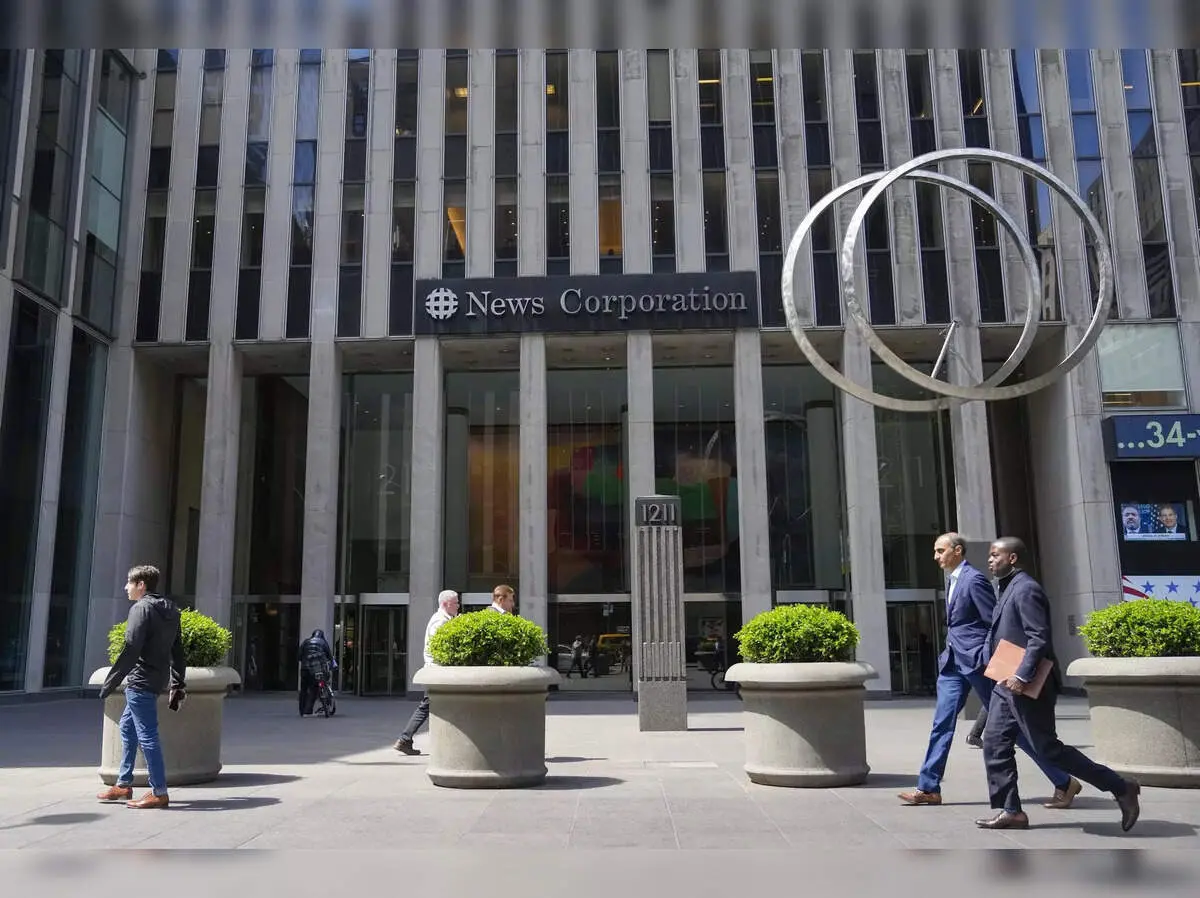
Brave Software Sues News Corp in AI-Driven Copyright Dispute
14 Mar 2025•Technology

New York Times and Chicago Tribune sue Perplexity over alleged copyright infringement
05 Dec 2025•Policy and Regulation

Recent Highlights
1
OpenAI's AI Models Disprove 27-Year Exponential Time Hypothesis, Rendering Decades of Research Obsolete
Science and Research

2
Google DeepMind unveils Genie 4 world model with audio and 2-minute interactive simulations
Technology

3
Apple Releases iOS 27.2 With Siri AI Memory, 5 New Languages & 160+ Security Fixes
Technology

Recent Highlights
Today's Top Stories











Don’t drown in AI news. We cut through the noise - filtering, ranking and summarizing the most important AI news, breakthroughs and research daily. Follow topics that matter to you and stay ahead.


