News Corp countersues Brave Software for scraping Wall Street Journal articles for AI training


2 Sources
[1]
News Corp countersues Brave for allegedly 'scraping' articles for AI
July 21 (Reuters) - News Corp (NWSA.O), opens new tab, facing a lawsuit by search engine Brave Software, has filed a countersuit accusing it of "flagrant theft" in distributing and selling versions of articles from the Wall Street Journal and New York Post to AI companies. Brave had last year
[2]
News Corp countersues Brave for allegedly 'scraping' articles for AI
In a Tuesday filing in the Oakland, California, federal court, News Corp said Brave's unauthorised "covert scraping" and resale of its copyrighted articles fall "nowhere near the bounds" of legally acceptable conduct known as fair use. News Corp is seeking an injunction and unspecified monetary
Share
Copy Link
News Corp has filed a countersuit against search engine Brave Software, accusing it of unauthorized scraping and resale of copyrighted articles from the Wall Street Journal and New York Post to AI companies. The media giant seeks up to $150,000 per infringement, claiming Brave's practices fall outside fair use and threaten journalism's sustainable future.
News Corp Escalates Legal Battle Over Scraping Copyrighted Articles
News Corp has filed a countersuit against Brave Software in Oakland, California federal court, accusing the search engine of "flagrant theft" for distributing and selling versions of articles from the Wall Street Journal and New York Post to AI companies
1
. The countersuit against Brave Software comes after the San Francisco-based company preemptively sued the media giant in March 2025, seeking a court declaration that its practices were legal following a cease-and-desist letter from News Corp, led by the Murdoch family2
.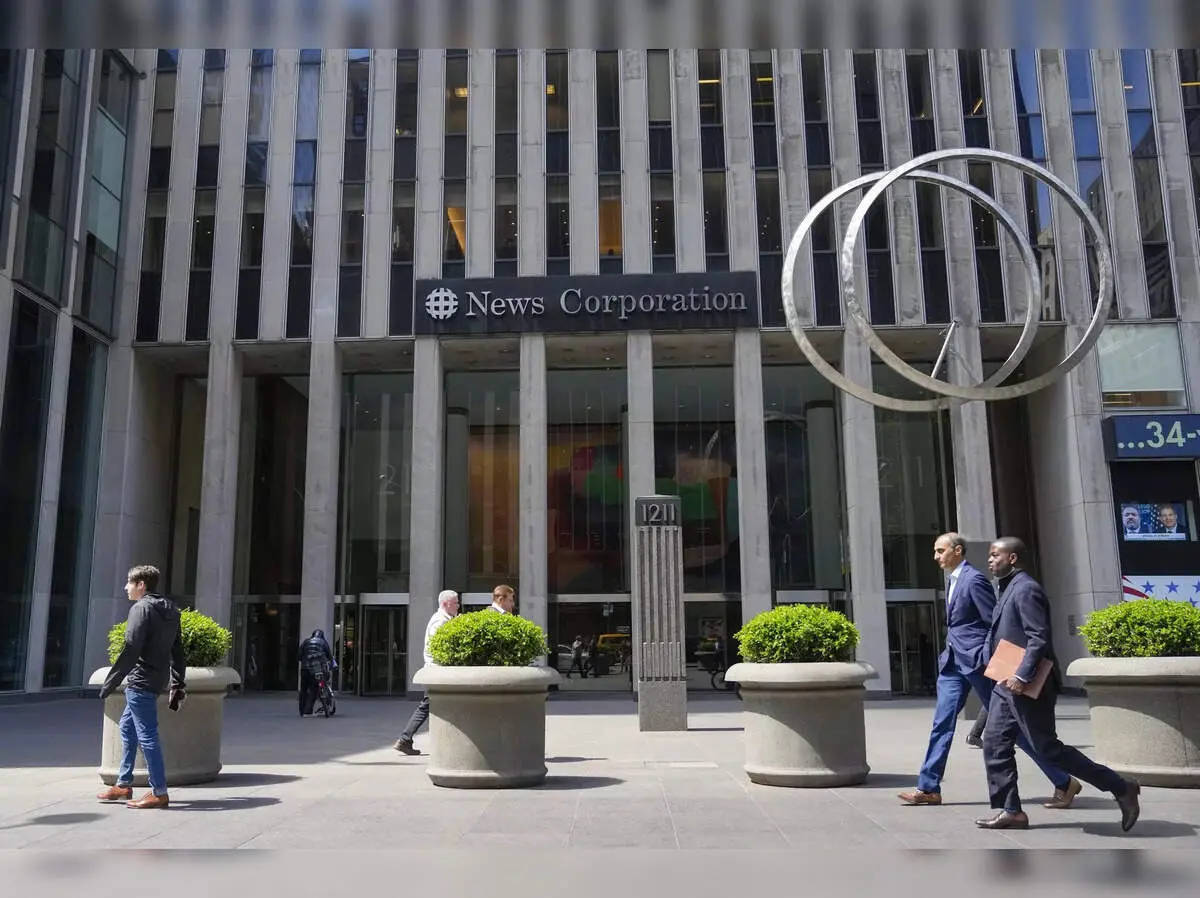
Source: ET
In its Tuesday filing, News Corp alleges that Brave's unauthorized "covert scraping" and resale of its copyrighted articles fall "nowhere near the bounds" of legally acceptable conduct known as fair use
1
. The lawsuit argues that this practice directly undermines AI content licensing negotiations. "The more content Brave copies and sells, the more revenue it generates, and the less incentive AI companies have to negotiate licenses with the publishers who produced the content," the complaint states. "Brave profits while publishers are cut out"2
.Brave Defends Fair Use in AI Training Context
Brave Software revised its complaint in May 2026 following what News Corp characterized as failed negotiations for a "fair, market-based agreement"
1
. The search engine maintains that its indexing of News Corp content to make it searchable, and providing users with snippets and "high-level summaries" of that content, constitutes fair use under copyright law. Brave has positioned itself as the smallest of three U.S.-based companies operating independent search engines "at scale," competing in a market dominated by Google and Microsoft's Bing2
.The company accused News Corp of attempting to disrupt advances in generative AI, describing it as what "many consider the most important innovation so far this century"
1
. This framing suggests Brave views the legal dispute as part of a broader tension between traditional media and emerging AI technologies.Related Stories

Financial Stakes and Industry Implications
News Corp is seeking an injunction to halt Brave's practices, along with unspecified monetary damages and statutory damages of up to $150,000 per infringement
2
. The potential financial exposure could be substantial given the volume of articles allegedly scraped. News Corp Chief Executive Robert Thomson condemned what he termed "tacky tech trafficking," stating that Brave's actions reflect "blatant disregard" for the damage to how information is disseminated. "This era of tacky tech trafficking must come to an end if journalism is to have a sustainable future," Thomson declared1
.The competing lawsuits represent part of a broader wave of litigation pitting publishers against tech companies over the use of copyrighted content for AI development [2](https://economictimes.indiat, ies.com/tech/artificial-intelligence/news-corp-countersues-brave-for-allegedly-scraping-articles-for-ai/articleshow/132549428.cms). Beyond the Wall Street Journal and New York Post, the New York Post, Dow Jones, and News Corp's British and Australian operations are also defendants in Brave's lawsuit
1
. This case threatens the sustainability of journalism by potentially establishing precedents for how AI companies can access and monetize publisher content, affecting revenue models that news organizations depend on to fund reporting operations.References
Summarized by

Navi
Related Stories
Brave Software Sues News Corp in AI-Driven Copyright Dispute
14 Mar 2025•Technology

Perplexity AI Defends Against News Corp's Copyright Lawsuit, Highlighting AI-Media Tensions
23 Oct 2024•Policy and Regulation

News Corp CEO Slams AI Companies as 'Crass Kleptomaniacs' for Pilfering Content at Scale
06 Aug 2026•Business and Economy

Recent Highlights



Recent Highlights
Today's Top Stories



Don’t drown in AI news. We cut through the noise - filtering, ranking and summarizing the most important AI news, breakthroughs and research daily. Follow topics that matter to you and stay ahead.


