14 Sources
[1]
Elon Musk denies Tesla's Autopilot caused crash that killed grandmother
A few days after a Tesla plowed through a Texas home and killed a grandmother, the family sued the carmaker, alleging that the Model 3's automated assist mode was defective. In a complaint filed this week in Harris County District Court, Jennifer Barbour, the daughter of 76-year-old Martha Avila, and Barbour's husband Justin confirmed they were seeking more than $1 million in damages following their sudden and tragic loss. After the crash, the driver, Michael Butler, who is also a named defendant in the lawsuit, told police that the automated driver-assist feature was engaged when he lost control of the car. Cops told Ars on Monday that they're still investigating whether the feature was in use and confirmed that Butler was not intoxicated and has been cooperating with police. Tesla disputes that its "Full Self Driving" feature is to blame for the crash. A doorbell camera video shared by The New York Times showed the car slamming into the house at a high speed, which Tesla CEO Elon Musk claimed in a post on X is a sign that the technology didn't cause the crash. "FSD drives slowly through neighborhood streets, and this was a high-speed crash!" Musk wrote. Tesla's vice president of AI software, Ashok Elluswamy, went further than Musk to cast doubt on the family's claims. Without sharing evidence, he accused Butler of causing the crash. "In this case, the driver manually overrode self-driving by pressing the accelerator all the way to 100 percent of the accel pedal in this residential area," Elluswamy said. "They reached a speed of 73 mph during the crash and had the accelerator pressed even after the crash." However, the family laid out two theories in their lawsuit about how FSD may have malfunctioned, at least in part, to cause the crash. The first focused on a defect known as "Sudden Unintended Acceleration," or SUA, which the family alleged Tesla knows has caused "numerous fatalities and injuries" but has not fixed. SUA occurs when "components of the vehicle require additional power" and the draw on the battery causes "significant spikes in the system," their lawsuit explained. These voltage surges from the battery can be dangerous, causing the inverter to "incorrectly interpret that the accelerator pedal has been pressed" and causing the car to rapidly accelerate to an "extremely dangerous speed," the family said. The second theory suggests that because Tesla stripped its "vehicles of critical obstacle-detection hardware" during a global chip shortage, Butler's Model 3 simply didn't register the home "directly in its path" at the end of the street. "Defendant Butler was operating the Vehicle in a reasonably foreseeable manner, with Tesla's Autopilot and/or Full Self-Driving system engaged, when the Vehicle failed to detect the end of the street and crashed directly into Plaintiffs' home and/or experienced Sudden Unintended Acceleration causing it to launch into Plaintiffs' home," the lawsuit said. The Barbours hope a jury will find Tesla guilty of putting defective cars on the road without adequately ensuring public safety. If Tesla and Butler lose, they could be ordered to help the family pay for Avila's medical expenses and funeral costs, as well as other damages the family suffered, including mental anguish and loss of inheritance. Family demands Tesla preserve all evidence On Monday, the National Highway Traffic Safety Administration (NHTSA) confirmed to Ars that it is also investigating the crash. That extra scrutiny could help the Barbours support their claims that Tesla failed to properly design Autopilot and FSD features, test for proper obstacle detection, eliminate SUA, or "implement adequate driver-engagement monitoring." So far, cops have "found no evidence of a mechanical malfunction," a Houston area news outlet reported. But the family's attorney, Chris Adkins, told the outlet that the family is determined to hold Tesla accountable to ensure no other families endure a similar loss. "They're really focused on getting to the truth and figuring out what happened and how it happens so they can prevent it from happening to anyone else again," Adkins said. In the past, NHTSA "has received more than a dozen reports of Teslas slamming into parked emergency vehicles while Autopilot was active," the lawsuit noted. Pointing to that track record, the family alleged that Tesla's FSD and Autopilot have "a well-established inability to properly detect stationary objects." The lawsuit also cited a 2023 Washington Post analysis of government data that "identified at least 17 fatal incidents linked to Tesla's Autopilot," as well as a Post report saying that: Tesla has a documented history of losing, withholding, or making it difficult for attorneys and other interested parties to obtain the comprehensive electronic data generated and stored in its vehicles when they are involved in severe collisions -- a practice that compounds the danger Tesla's defective systems create by obstructing accountability after crashes occur. To ensure that Tesla maintains evidence the family believes will prove their claims, they've demanded that Tesla preserve all the Model 3's component parts, its "black box" data, and its Autopilot and FSD system data, logs, and telemetry. Additionally, they want all sensor and camera data maintained, as well as any other related electronically stored information. Perhaps most importantly, the family demanded that "as critical evidence," the car itself must be "securely maintained and preserved in its post-collision condition for inspection and use in this litigation." Family thanks first responders Still in mourning, the family took time this week to thank the first responders who tried to save Avila's life. After the crash, the grandmother was "pinned to the wreckage," the lawsuit said. First responders managed to extract her and transport her to a nearby hospital, where she later died from her injuries. Justin Barbour, a co-plaintiff, was in the house when the car crashed and "sustained severe and grievous bodily injuries, including injuries to his neck, back, and shoulders," the lawsuit said. "We would like to recognize the efforts of the first responders and the medical professionals who were there to help us during this tragedy. From the men and women with EMS and Life Flight to the fire crews who had drinks for our family and stuffed animals for the children, your quick response, professionalism, and kindness have been a significant reason that we have been able to deal with this unimaginable situation," the Barbours said. "Thank you for all that you do to help families like ours during the hardest moments of our lives." Previously, Jennifer Barbour told the NYT that Avila was on no medications and was expected to have many more years with her grandkids due to her good health. The family feels robbed of their grandmother and unsure what role Tesla played in their sudden loss. "I don't know if it's [the driver's] fault or the car's fault or what really happened," Barbour said. "I've never seen a car go that fast."
[2]
Tesla claims driver 'manually overrode self-driving' in deadly Texas crash
Tesla is pushing back on claims that its Full Self-Driving (FSD) system caused a fatal Texas crash, where a speeding Model 3 barreled into a home, killing a 76-year-old woman inside. In a reply on X, Tesla AI head Ashok Elluswamy says the driver "manually overrode self-driving by pressing the accelerator all the way to 100%." The crash occurred in a residential neighborhood in Katy, Texas, last Friday, with the Harris County Sheriff's Office telling ABC News that the Model 3 driver was using the vehicle "with an automated driving assistance system." However, Elluswamy writes on X that the driver, who has been identified as Michael Butler, "reached a speed of 73 mph during the crash, and had the accelerator pressed even after the crash." In January, Tesla discontinued its Autopilot driver-assist feature in favor of the subscription-based FSD. Tesla's self-driving technology is currently under investigation by the National Highway Traffic Safety Administration, which is looking into whether the system properly alerts drivers when poor conditions prevent it from adequately scanning the roads. NHTSA has also opened an investigation into the Texas crash, according to The Washington Post. Despite Tesla disbanding its public relations team years ago, Elluswamy expressed frustration with the media's coverage of the crash and FSD, saying it plants "FUD [fear, uncertainty, and doubt] in the minds of the general public." Tesla CEO Elon Musk similarly brushed off a link to the company's self-driving tech, saying, "FSD drives slowly through neighborhood streets and this was a high speed crash!"
[3]
NHTSA to Probe Tesla Crash Into Texas Home That Left One Dead
The National Highway Traffic Safety Administration (NHTSA) has opened an investigation into a Texas crash that left a 76-year-old woman dead after a Tesla Model 3 slammed into her residence, Reuters reports. The incident took place on June 19, and the driver told the Harris County Sheriff's Office that he was using Tesla's automated driving assistance system at the time of the crash. Footage from outdoor security cameras on the woman's home shows that the car was moving at a high speed before ramming into the home. The woman was inside when the car crashed. She was taken to a hospital but later died of her injuries. Police are investigating the cause of the crash, but Tesla executives claim that its self-driving systems are not to blame. "This makes no sense. FSD [Full Self-Driving] drives slowly through neighborhood streets and this was a high speed crash," Elon Musk commented under a post critiquing the coverage of the incident. Ashok Elluswamy, Head of Tesla's AI, claims the driver overrode FSD. "In this case, the driver manually overrode self-driving by pressing the accelerator all the way to 100% of the accel pedal in this residential area. They reached a speed of 73 mph during the crash, and had the accelerator pressed even after the crash," he says. Tesla tells drivers that they "must remain attentive and be ready to take over at all times while Full Self-Driving (Supervised) is engaged." Earlier this year, Tesla discontinued its Autopilot driver-assist feature in the US and Canada, and pushed users toward a $99-per-month FSD subscription. That came amid the threat of a potential ban in California because the terms "Autopilot" and "Full Self-Driving" were misleading and violated state law, as well as an NHTSA investigation into the feature.
[4]
Tesla sued over fatal Texas crash linked to Autopilot
June 24 (Reuters) - Tesla (TSLA.O), opens new tab has been sued by the family of a 76-year-old Texas grandmother killed last week when a driver using his Model 3's automated driving assistance system crashed into her suburban Houston home, the family's lawyers said. According to a complaint filed on Tuesday, Elon Musk's electric vehicle maker should be liable for the wrongful death of Martha Avila, reflecting its gross negligence and failure to warn that its Autopilot and Full Self-Driving systems were defective. Avila's daughter, Jennifer Barbour, and her husband, Justin Barbour, said the Model 3's driver, Michael Butler, told law enforcement he engaged Autopilot before plowing through the front wall of Avila's home in Katy, Texas, on June 19, pinning her. She died later at a nearby hospital, the complaint said. Justin Barbour said he was also injured. The lawsuit filed in a Harris County, Texas, state court seeks more than $1 million in damages, and punitive damages reflecting Tesla's alleged "reckless disregard for a substantial risk of severe bodily injury." Tesla and Musk did not immediately respond to requests for comment. Musk, the world's richest person, posted on X on Monday night: "FSD drives slowly through neighborhood streets and this was a high speed crash!" Ashok Elluswamy, vice president of AI software at Tesla, posted separately on X that "the driver manually overrode self-driving by pressing the accelerator all the way to 100% of the accel pedal in this residential area." DOZENS OF TESLA PROBES The National Highway Traffic Safety Administration has been investigating the crash. It has since 2016 opened nearly 50 special investigations of Tesla crashes believed to involve advanced driver assistance systems. About two dozen deaths were reported. In March, the NHTSA escalated its probe into 3.2 million Teslas equipped with Full Self-Driving, on concern the system may fail to detect or warn drivers in poor visibility. And in 2023, Tesla recalled about 2 million vehicles, nearly all of its electric vehicles on U.S. roads, to better ensure that drivers pay attention when using Autopilot. Tesla has said Autopilot enables vehicles to steer, accelerate and brake within their lanes, while Full Self-Driving lets vehicles obey traffic signals and change lanes. The automaker has also said both technologies require "fully attentive" drivers whose hands are on the wheel. Butler is also a defendant in the Barbours' lawsuit. It is unclear whether he has a lawyer. Efforts to reach him were not immediately successful. The Barbours' lawyers did not immediately respond to requests for additional comment. Reporting by Jonathan Stempel in New York; Editing by Matthew Lewis Our Standards: The Thomson Reuters Trust Principles., opens new tab * Suggested Topics: * Disrupted * Product Liability * ADAS, AV & Safety * Software-Defined Vehicle * Sustainable & EV Supply Chain
[5]
Top auto regulator opens special probe after a Tesla slams into a Texas home, killing a 76-year-old
NEW YORK (AP) -- The top U.S. auto regulator opened an investigation Monday after a Tesla using an automated driving feature slammed into a Texas home at high speed and killed a 76-year-old woman standing inside. The National Highway Traffic Safety Administration said it's opening a special investigation into the Tesla Model 3 crash on Friday near Houston, a significant probe because the car was using technology that Elon Musk considers key to the company's future. The Tesla CEO is rolling out robotaxis using automated software in several U.S. cities this year and plans to invite Tesla owners to put their cars into the fleet using the same system across the country. The driver told the Harris County Sheriff's Office that he was using the technology, according to a police report on the crash, but it's not clear what role, if any, it played in the incident. The police report also noted that the driver was not drunk and is cooperating. It identified the woman killed as Martha Avila. Video obtained by KHOU-TV shows the car traveling at top speed over the front lawn of a brick home in Katy, then ramming into a front room. The next shot shows the car encased in the home amid piles of crumbling plaster, split beams and bits of furniture. Tesla did not respond immediately to a request for comment. The auto safety regulator, known as NHTSA, has launched several investigations into Tesla, including one late last year into 58 incidents in which Teslas reportedly violated traffic safety laws while using self-driving technology, leading to more than a dozen crashes and fires and nearly two dozen injuries. A few months earlier, the NHTSA opened an investigation into why Tesla apparently had not been reporting crashes promptly as required. As for special crash investigations, the NHTSA has opened 46 involving Teslas using self-driving or driver-assistance technology over the past decade, according to the agency's records. In more than a dozen of those crashes, at least one person -- a driver, passenger or pedestrian -- was killed. Tesla stock fell sharply early last year as car sales plunged amid a boycott of Musk after he waded into politics, leading President Donald Trump's budget-cutting Department of Government Efficiency initiative and embracing European extremist candidates. Musk has since shifted the Tesla story to one less about car sales and more about AI and robotaxis, and done so successfully. The stock is up 16% in the past year.
[6]
Texas family sues Tesla over fatal crash into home
A Texas woman is suing Tesla and a driver for at least $1m (£759,000) in damages after one of the electric vehicles crashed into her family home, killing her mother Jennifer Barbour filed her lawsuit in a local court on Tuesday, just days after her 76-year-old mother Martha Avila died from injuries she sustained after a Tesla Model 3 sped into their shared home. The Tesla driver told police that he was using the car's autonomous or "full self-driving" technology at the time of the crash. In the lawsuit Barbour accuses Elon Musk's electric vehicle company of defective design and negligence by promoting technology that is unsafe, while Musk on social media denied the technology was to blame. Tesla was approached for comment. Musk took to X, the social media platform he owns, to refute the idea that Tesla's self-driving technology was to blame for the crash because it happened at a high speed. "This makes no sense," Musk wrote on Monday. Tesla's vice president of AI software Ashok Elluswamy followed up on Musk's comment with more apparent detail on the accident. Elluswamy wrote that the driver was going at 73mph (117 km/h) and had overridden the car's self-driving mode "by pressing the accelerator all the way to 100%." He also claimed that the driver "had the accelerator pushed even after the crash". Barbour's complaint, filed with her husband Justin Barbour, puts forward a different explanation. It argues that the driver was operating his Tesla on "in a reasonably foreseeable manner" with full self-driving engaged when the car's technology "failed to detect the end of the street", went into "sudden unintended acceleration" and crashed into the Barbour residence. In addition to the death of her mother, Barbour claims her husband also suffered severe and grievous injuries as a result of the crash. Monetary damages being sought include those for anguish, injury and medical expenses, as well as "exemplary" damages because Tesla's actions have been "grossly negligent." The crash remains under investigation by police in Texas and the National Highway Traffic Safety Administration (NHTSA), the US government's auto safety regulator. Tesla's self-driving technology has come under increased criticism and scrutiny. Last week, Democratic Senators Edward Markey and Richard Blumenthal sent a letter to the NHTSA demanding that the agency investigate Tesla's full self-driving technology for its safety risks.
[7]
US opens second federal investigation of deadly Tesla crash into Texas home
Driver told authorities he had driver-assistance technology engaged before crash that killed 76-year-old Martha Avila The US government has opened a second federal investigation into a recent crash of a Tesla that reportedly had driver-assistance technology engaged, struck a Texas home and killed a resident. Meanwhile, the family of Martha Avila, the 76-year-old resident who was killed, has sued over the wreck. The National Transportation Safety Board (NTSB) said on Wednesday that it was launching an investigation into the 19 June crash that killed Avila in the Houston suburb of Katy. That came two days after the National Highway Traffic Safety Administration (NHTSA) said it was investigating the crash as well. Furthermore, on Tuesday, lawyers for Avila's family said they had filed a civil complaint on Tuesday contending that Elon Musk's electric vehicle manufacturer should be held liable for her wrongful death. The plaintiffs alleged gross negligence and failure to warn that the "autopilot" and "full self-driving" systems of the Tesla Model 3 at the center of the case were defective. Avila's daughter, Jennifer Barbour, and her husband, Justin Barbour, maintained that the Model 3's driver, Michael Butler, told law enforcement he engaged autopilot before plowing through the front wall of Avila's home in Katy, fatally pinning her. She died later at a nearby hospital. Justin said he was also injured. The lawsuit filed in Texas's state court system seeks more than $1m in damages, along with punitive damages reflecting Tesla's alleged "reckless disregard for a substantial risk of severe bodily injury". The Harris county sheriff's department, which responded to the crash, said in a statement that the driver described using a driver-assistance system at the time of the wreck. Tesla and Musk, the world's richest person, did not immediately respond to requests for comment. On Monday night, Musk had gone on X - the social media platform he owns - to defend Tesla. He wrote: "FSD drives slowly through neighborhood streets and this was a high speed crash!" Tesla's vice-president of artificial intelligence software, Ashok Elluswamy, posted separately on X that "the driver manually overrode self-driving by pressing the accelerator all the way to 100% of the accel pedal in this residential area". The NTSB's announcement on Wednesday did not elaborate with respect to which areas the investigation may focus on. It only said it had opened an investigation into the crash that killed Avila "in coordination with the Harris county sheriff's department". Federal regulators for years have been announcing a growing number of inquiries aimed at Tesla. Since 2016, the NHTSA has opened nearly 50 special investigations into Tesla crashes believed to involve advanced driver-assistance systems. About two dozen deaths from those crashes were reported. In March, the NHTSA escalated its investigation into 3.2m Teslas equipped with full self-driving, concerned the system may fail to detect or warn drivers in poor visibility. Tesla in 2023 recalled about 2m cars, or nearly all of its electric vehicles on US roads, to better ensure that drivers pay attention when using autopilot. Tesla has said autopilot enables vehicles to steer, accelerate and brake within their lanes, while full self-driving lets vehicles obey traffic signals and change lanes. The automaker has also said both technologies require "fully attentive" drivers whose hands are on the wheel. Tesla stock fell sharply early in 2025 as its car sales plunged amid a boycott of Musk after he waded into US federal politics. He led the Trump administration's budget-cutting "department of government efficiency" (Doge) initiative, and he also embraced extremist political candidates in Europe. The Barbours' lawsuit also names Butler as a defendant. It is unclear whether he has a lawyer. Efforts to reach him were not immediately successful. The Barbours' lawyers did not immediately respond to requests for additional comment.
[8]
A Tesla on autopilot just killed a woman who was standing in her own living room | Fortune
The top U.S. auto regulator opened an investigation Monday after a Tesla using an automated driving feature slammed into a Texas home at high speed and killed a 76-year-old woman standing inside. The National Highway Traffic Safety Administration said it's opening a special investigation into the Tesla Model 3 crash on Friday near Houston, a significant probe because the car was using technology that Elon Musk considers key to the company's future. The Tesla CEO is rolling out robotaxis using automated software in several U.S. cities this year and plans to invite Tesla owners to put their cars into the fleet using the same system across the country. The driver told the Harris County Sheriff's Office that he was using the technology, according to a police report on the crash, but it's not clear what role, if any, it played in the incident. The police report also noted that the driver was not drunk and is cooperating. It identified the woman killed as Martha Avila. Video obtained by KHOU-TV shows the car traveling at top speed over the front lawn of a brick home in Katy, then ramming into a front room. The next shot shows the car encased in the home amid piles of crumbling plaster, split beams and bits of furniture. Tesla did not respond immediately to a request for comment. The auto safety regulator, known as NHTSA, has launched several investigations into Tesla, including one late last year into 58 incidents in which Teslas reportedly violated traffic safety laws while using self-driving technology, leading to more than a dozen crashes and fires and nearly two dozen injuries. A few months earlier, the NHTSA opened an investigation into why Tesla apparently had not been reporting crashes promptly as required. As for special crash investigations, the NHTSA has opened 46 involving Teslas using self-driving or driver-assistance technology over the past decade, according to the agency's records. In more than a dozen of those crashes, at least one person -- a driver, passenger or pedestrian -- was killed. Tesla stock fell sharply early last year as car sales plunged amid a boycott of Musk after he waded into politics, leading President Donald Trump's budget-cutting Department of Government Efficiency initiative and embracing European extremist candidates. Musk has since shifted the Tesla story to one less about car sales and more about AI and robotaxis, and done so successfully. The stock is up 16% in the past year.
[9]
Victim's family in fatal Texas Tesla 'automated driving assistance' crash files lawsuit
The family of a woman who was killed when a Tesla in an automated assist mode crashed into her Houston area home has filed a lawsuit against the automaker and the person behind the wheel, attorneys said Tuesday. The suit, filed by 76-year-old Martha Avila's daughter Jennifer Barbour and her husband Justin Barbour in Harris County District Court, alleges a "design defect" involving Tesla and a failure to warn. It alleges negligence against both Tesla and the driver, Michael Butler. Avila was in her home in Katy, a Houston suburb, at around 8 p.m. Friday when a Tesla Model 3 crashed into her brick residence, according to officials. She was airlifted to a nearby hospital, where she was pronounced dead, the Harris County Sheriff's Office has said. Butler "stated he was operating with an automated driving assistance system engaged at the time of the crash," according to the sheriff's office. The office said that Butler showed no signs of intoxication and was cooperative. Tesla and its founder, Elon Musk, did not immediately respond to a request for comment Tuesday night, but in a post Monday night on X, he responded to a news story about the crash. "FSD drives slowly through neighborhood streets, and this was a high-speed crash!" he wrote, referring to the vehicle's Full Self-Driving mode. Tesla first rolled out "autopilot" and later "Full Self-Driving" as features on its vehicles. The company says on its website that both are "intended for use with a fully attentive driver, who has their hands on the wheel and is prepared to take over at any moment." Ashok Elluswamy, vice president of AI software at Tesla, on Monday defended the vehicle's systems. "In this case, the driver manually overrode self-driving by pressing the accelerator all the way to 100% of the accel pedal in this residential area," Elluswamy wrote on X, which is also owned by Musk. The lawsuit, a copy of which was provided to NBC News by the Avila family's attorneys, alleges the Tesla was in "autopilot" mode and that that system has "a history of known danger." The suit cites a 2023 Washington Post analysis of government data that "identified at least 17 fatal incidents linked to Tesla's Autopilot." "The actions and inactions of Defendant Butler were done with reckless disregard for a substantial risk of severe bodily injury," the lawsuit alleges. It was not immediately clear if Butler had an attorney who could speak on his behalf, and efforts to reach him Tuesday night were unsuccessful. The Tesla "entered through the brick residence, at a high rate of speed," when it fatally injured Avila at around 8:03 p.m., according to the sheriff's office. The lawsuit says that Avila was standing in the front room of her home when the Tesla crashed through the wall, "causing her to be pinned in the wreckage." A doorbell camera captured the speeding sedan crashing into the building. No criminal charges have been filed in the case, and the crash was under investigation, the sheriff's office said. The National Highway Traffic Safety Administration said Monday that it is launchint a special investigation into the crash. The Barbours thanked first responders Tuesday in a statement released by their attorneys. "Your quick response, professionalism, and kindness have been a significant reason that we have been able to deal with this unimaginable situation," they said in part. "Thank you for all that you do to help families like ours during the hardest moments of our lives." The lawsuit seeks more than $1 million in damages.
[10]
Tesla sued over fatal crash in Texas home that killed 76-year-old woman
The family of a 76-year-old woman killed when a Tesla Model 3 crashed into her Katy, Texas, home has sued Tesla and the driver, alleging the company's "Autopilot" and "Full Self-Driving" systems are defectively designed. The wrongful death suit lands just days after the crash -- and it leans on the same argument that produced last year's landmark $243 million Autopilot verdict against Tesla in Florida. The lawsuit The suit was filed Monday in Harris County District Court by Jennifer and Justin Barbour -- Martha Avila's daughter and son-in-law -- individually and on behalf of Avila's estate. It names Tesla, Inc. and the driver, 44-year-old Michael Butler, as defendants. According to the petition, Butler was driving the Model 3 eastbound on Rose Hollow Lane around 8 p.m. on June 19 when the car crashed through the front wall of the family's home. Avila was standing in the front room and was pinned in the wreckage. She was airlifted to a hospital, where she was pronounced dead. Justin Barbour was also inside and suffered neck, back, and shoulder injuries. The family says the home is now unlivable and they are living in hotels. The lawsuit accuses Tesla of design defect and failure to warn, and the driver of negligence and gross negligence. It alleges the vehicle failed to detect the end of the street and the home in its path, failed to adequately monitor driver engagement, failed to warn owners about the limitations of its driver-assistance systems, and may have experienced "sudden unintended acceleration." The petition argues Autopilot has "a history of known danger," citing a 2023 Washington Post analysis that identified at least 17 fatal incidents linked to the system. It seeks more than $1 million in damages plus punitive damages, and demands Tesla preserve the vehicle, the event data recorder, Autopilot and FSD logs, telemetry, firmware versions, and camera and sensor data. The family is represented by attorney Chris Adkins of Houston firm Zehl & Associates. Tesla is blaming the driver Tesla has already laid out its defense in public. As we reported when Tesla admitted FSD was engaged but blamed the driver for "overriding" it, Head of AI Ashok Elluswamy said vehicle data shows Butler "manually overrode self-driving by pressing the accelerator all the way to 100% of the accel pedal in this residential area," reaching 73 mph with the pedal still pressed after impact. CEO Elon Musk added that "FSD drives slowly through neighborhood streets and this was a high speed crash!" The Harris County Sheriff's Office said it found no evidence of a mechanical malfunction, and that Butler showed no signs of intoxication and was cooperative. That account points to a pedal misapplication -- accelerator instead of brake. But Tesla treats "the driver pressed the accelerator" as a complete defense, and the Florida case is the clearest sign that argument no longer holds up in court. The Florida precedent In August 2025, a Miami federal jury found Tesla 33% responsible for a 2019 Key Largo crash in which driver George McGee, using Autopilot, blew through a T-intersection at roughly 62 mph while reaching for a dropped phone, killing 22-year-old Naibel Benavides Leon and injuring Dillon Angulo. The jury put 67% of the fault on McGee but still held Tesla partly liable, producing a $329 million damages award -- about $243 million of it against Tesla. A federal judge upheld the judgment in February. The driver was plainly misusing the system, just as Butler appears to have. Yet the jury concluded Tesla shared responsibility because its marketing and weak, steering-torque-based driver monitoring fostered a false sense of what the car could do. Misuse by the driver and responsibility on Tesla's part are not mutually exclusive -- and that is exactly the opening this new lawsuit is aiming at. What we still need to see Like Florida, the driver here will likely shoulder most of the blame. But the question Tesla keeps skipping is why an experienced driver would floor his car into a house. The most plausible answer fits Tesla's own timeline: the driver is on FSD, the car does something he doesn't expect approaching the turn, and in the scramble to intervene he hits the accelerator instead of the brake and holds it. That is the complacency problem we've written about candidly -- a Level 2 system good enough to lull drivers out of the loop, and nowhere near good enough to trust when the rare takeover comes. Only the logs and the driver can answer that, and Tesla's version is its own interpretation of its own data. In the Florida case, Tesla told plaintiffs the crash data didn't exist until an independent researcher recovered it. NHTSA has opened a Special Crash Investigation and will pull the event data recorder independently. That's the version that counts. Electrek's Take This lawsuit was predictable, and it's aimed squarely at the soft spot Tesla's own framing creates. Tesla wants the story to end at "the driver pressed the accelerator." The Florida verdict already showed a jury will look past that and ask what conditioned the driver to fail in the first place. To be fair, the facts here may cut differently. A 100% accelerator input is a more aggressive driver action than reaching for a phone, and Tesla's lawyers will argue it breaks the chain of causation. The plaintiffs' "sudden unintended acceleration" theory also runs against the sheriff's preliminary finding of no mechanical fault, and Tesla's pedal data will be hard to dismiss. This is not a clean win for either side. But the broader pattern is now established. Until Tesla takes the complacency problem seriously -- the names, the marketing, the easily-gamed driver monitoring -- these cases will keep landing in court, and juries have shown they're willing to assign Tesla a share of the blame even when the driver clearly misused the system. The independent NHTSA data should tell us what really happened in the seconds before a grandmother was killed in her own living room. We'll hold full judgment until it does. If you're a Tesla owner, powering your EV with home solar is one of the smartest ways to lock in low fuel costs. With electricity rates climbing nearly 10% last year, home solar protects you against future rate increases. And with lease and PPA options, you can go solar with zero upfront cost and start saving immediately. If you want to find the best deal, check out EnergySage. It's a free service with hundreds of pre-vetted installers competing for your business, so you save 20 to 30% compared to going it alone. No sales calls until you pick an installer. Get your free quotes here.
[11]
Tesla Sued Over Fatal Texas Crash Linked to Autopilot
June 24 (Reuters) - Tesla has been sued by the family of a 76-year-old Texas grandmother killed last week when a driver using his Model 3's automated driving assistance system crashed into her suburban Houston home, the family's lawyers said. According to a complaint filed on Tuesday, Elon Musk's electric vehicle maker should be liable for the wrongful death of Martha Avila, reflecting its gross negligence and failure to warn that its Autopilot and Full Self-Driving systems were defective. Avila's daughter, Jennifer Barbour, and her husband, Justin Barbour, said the Model 3's driver, Michael Butler, told law enforcement he engaged Autopilot before plowing through the front wall of Avila's home in Katy, Texas, on June 19, pinning her. She died later at a nearby hospital, the complaint said. Justin Barbour said he was also injured. The lawsuit filed in a Harris County, Texas, state court seeks more than $1 million in damages, and punitive damages reflecting Tesla's alleged "reckless disregard for a substantial risk of severe bodily injury." Tesla and Musk did not immediately respond to requests for comment. Musk, the world's richest person, posted on X on Monday night: "FSD drives slowly through neighborhood streets and this was a high speed crash!" Ashok Elluswamy, vice president of AI software at Tesla, posted separately on X that "the driver manually overrode self-driving by pressing the accelerator all the way to 100% of the accel pedal in this residential area." DOZENS OF TESLA PROBES The National Highway Traffic Safety Administration has been investigating the crash. It has since 2016 opened nearly 50 special investigations of Tesla crashes believed to involve advanced driver assistance systems. About two dozen deaths were reported. In March, the NHTSA escalated its probe into 3.2 million Teslas equipped with Full Self-Driving, on concern the system may fail to detect or warn drivers in poor visibility. And in 2023, Tesla recalled about 2 million vehicles, nearly all of its electric vehicles on U.S. roads, to better ensure that drivers pay attention when using Autopilot. Tesla has said Autopilot enables vehicles to steer, accelerate and brake within their lanes, while Full Self-Driving lets vehicles obey traffic signals and change lanes. The automaker has also said both technologies require "fully attentive" drivers whose hands are on the wheel. Butler is also a defendant in the Barbours' lawsuit. It is unclear whether he has a lawyer. Efforts to reach him were not immediately successful. The Barbours' lawyers did not immediately respond to requests for additional comment. (Reporting by Jonathan Stempel in New York; Editing by Matthew Lewis)
[12]
Top auto regulator opens special probe after a Tesla slams into a Texas home, killing a 76-year-old
NEW YORK (AP) -- The top U.S. auto regulator opened an investigation Monday after a Tesla using an automated driving feature slammed into a Texas home at high speed and killed a 76-year-old woman standing inside. The National Highway Traffic Safety Administration said it's opening a special investigation into the Tesla Model 3 crash on Friday near Houston, a significant probe because the car was using technology that Elon Musk considers key to the company's future. The Tesla CEO is rolling out robotaxis using automated software in several U.S. cities this year and plans to invite Tesla owners to put their cars into the fleet using the same system across the country. The driver told the Harris County Sheriff's Office that he was using the technology, according to a police report on the crash, but it's not clear what role, if any, it played in the incident. The police report also noted that the driver was not drunk and is cooperating. It identified the woman killed as Martha Avila. Video obtained by KHOU-TV shows the car traveling at top speed over the front lawn of a brick home in Katy, then ramming into a front room. The next shot shows the car encased in the home amid piles of crumbling plaster, split beams and bits of furniture. Tesla did not respond immediately to a request for comment. The auto safety regulator, known as NHTSA, has launched several investigations into Tesla, including one late last year into 58 incidents in which Teslas reportedly violated traffic safety laws while using self-driving technology, leading to more than a dozen crashes and fires and nearly two dozen injuries. A few months earlier, the NHTSA opened an investigation into why Tesla apparently had not been reporting crashes promptly as required. As for special crash investigations, the NHTSA has opened 46 involving Teslas using self-driving or driver-assistance technology over the past decade, according to the agency's records. In more than a dozen of those crashes, at least one person -- a driver, passenger or pedestrian -- was killed. Tesla stock fell sharply early last year as car sales plunged amid a boycott of Musk after he waded into politics, leading President Donald Trump's budget-cutting Department of Government Efficiency initiative and embracing European extremist candidates. Musk has since shifted the Tesla story to one less about car sales and more about AI and robotaxis, and done so successfully. The stock is up 16% in the past year.
[13]
Tesla admits FSD was on in fatal Texas crash, blames driver for 'overriding' it
Tesla now confirms that its self-driving system was engaged when a Model 3 left a residential road in Katy, Texas, and killed a 76-year-old woman inside her home -- but the company says the driver overrode it by pressing the accelerator to 100%. Everything points to a pedal misapplication while the car was under "Full Self-Driving." Does that mean Tesla is not at fault? What Tesla is now saying Tesla's Head of AI, Ashok Elluswamy, said the company's vehicle data shows driver Michael Butler "manually overrode self-driving by pressing the accelerator all the way to 100% of the accel pedal in this residential area." According to Tesla, the Model 3 reached 73 mph with the accelerator floored, and the pedal was still pressed even after the car had plowed through the brick home. On Monday, CEO Elon Musk pushed back on the idea that the car was driving itself at all, posting that "FSD drives slowly through neighborhood streets and this was a high speed crash!" Now Tesla's own account places its driver-assistance software in the loop at the moment of the crash, with the driver's pedal input as the override. The driver, 44-year-old Butler, had told Harris County deputies the vehicle was on Autopilot when it left Rose Hollow Lane and struck the front of the two-story house. The victim, Martha Avila Mantilla, was standing in the front room when the car came through the wall. This is what we already said happened When we covered the federal investigation, we laid out the most likely scenario before Tesla released any data. "To me, it looks like a pedal error," we wrote. "However, Tesla's ADAS system, Autopilot or FSD, might still have been involved. It might have screwed up and the driver might have pressed the wrong pedal trying to correct it." Tesla's new statement confirms the first half: a pedal misapplication, accelerator instead of brake. What Tesla wants you to take from its data is that this fully clears the system. It doesn't -- and that's the part Tesla keeps skipping over. The question Tesla isn't answering Here's what the "driver pressed the accelerator" framing leaves out: why. People don't floor the accelerator into a brick house for no reason. A pedal misapplication like this almost always has a trigger, and the most plausible one fits Tesla's own timeline. The driver is on FSD. The car does something he doesn't expect or want approaching the turn. He goes to intervene -- but his feet aren't already over the pedals, because the whole point of the system is that he wasn't actively driving. In the scramble to correct, he hits the accelerator instead of the brake, panics, and keeps pressing. That panic-and-hold pattern is exactly why pedal misapplications so often end in catastrophic, full-speed impacts. If that's what happened, "the driver overrode the system" isn't an exoneration. It's a description of the failure mode that Level 2 systems create. Both Autopilot and FSD (Supervised) require an attentive driver who can take over instantly -- but they're designed to do the driving, which conditions people to disengage exactly when the rare emergency takeover is hardest to execute. This is the complacency problem we've written about candidly with FSD v14: the system is good enough to lull you and nowhere near good enough to trust. A driver who is mentally and physically "out of the loop" is slower and clumsier in the half-second when it matters most. We've seen complacency assign blame to Tesla before This wouldn't be the first time a driver clearly misused the system and Tesla still ended up sharing the blame. Last year's landmark Florida verdict is the precedent that matters here. In August 2025, a Miami federal jury found Tesla 33% responsible for a 2019 Key Largo crash in which driver George McGee, using Autopilot, blew through a T-intersection and killed Naibel Benavides Leon. The jury put 67% of the fault on McGee -- he admitted he'd dropped his phone and taken his eyes off the road -- but still held Tesla partly liable, landing a $243 million judgment that a federal judge upheld in February. The driver was plainly misusing the system, just like Butler appears to have. Yet the jury concluded Tesla shared responsibility because its marketing and weak, steering-torque-based driver monitoring fostered a false sense of what the car could do -- the same complacency dynamic. Misuse and Tesla's responsibility are not mutually exclusive. That's the precedent Tesla's "the driver pressed the accelerator" framing is up against, even if this case adds a pedal misapplication to the mix. Why Tesla's own data deserves scrutiny Tesla's vehicle logs are real data, and they matter. But the company has a history that complicates taking its self-serving readout at face value. Tesla is already under an NHTSA Engineering Analysis covering roughly 3.2 million vehicles -- the last step before the agency can force a recall -- and a separate probe into whether it properly reported crashes involving Autopilot and FSD in the first place. The Florida case is the clearest example of why. In that litigation, Tesla told the plaintiffs the crash data didn't exist -- until an independent researcher recovered the "collision snapshot" the car had automatically uploaded to Tesla's servers, which showed the system had detected the pedestrian. We covered how Tesla withheld data and misdirected police and plaintiffs to avoid blame in that crash. So what Tesla has put out about the Katy crash is its own public interpretation of its own logs. NHTSA has now opened its own Special Crash Investigation and will pull the event data recorder and onboard logs independently. That's the version of the data that counts -- not the one Tesla chooses to post on X. Electrek's Take Tesla confirming FSD was engaged is a bigger admission than the company's framing suggests, and it tracks precisely with what we said on day one: a pedal misapplication with the driver-assistance system in the loop. But Tesla is fighting the wrong battle. It's treating "the driver pressed the accelerator" as a full defense, when the real question is why an experienced driver floored his car into a house. The most likely answer is the one Tesla least wants to discuss -- that its system did something the driver had to urgently correct, and that the design of these Level 2 features makes that correction harder, not easier, by breeding exactly the kind of inattention that turns a recoverable moment into a fatal one. Pinning it entirely on a "100% accelerator" input is technically convenient and substantively hollow. The Florida verdict already showed that a jury will hold Tesla partly responsible even when the driver was clearly misusing the system, precisely because the complacency is a product of Tesla's own marketing and monitoring. To be clear, we should be careful here too. What Tesla has released is its own interpretation of its own logs, and the Florida case -- where Tesla told plaintiffs the data didn't exist until a researcher recovered it -- is a reminder that the company is not always forthcoming with the full picture. The independent NHTSA data recorder should fill in what Tesla left out, and we'll hold full judgment until it does. But the broader pattern is already clear: until Tesla takes the complacency problem seriously -- the names, the marketing, the easily-gamed driver monitoring -- these cases will keep landing on people who never agreed to be part of the experiment, this time a grandmother standing in her own living room. If you're a Tesla owner, powering your EV with home solar is one of the smartest ways to lock in low fuel costs. With electricity rates climbing nearly 10% last year, home solar protects you against future rate increases. And with lease and PPA options, you can go solar with zero upfront cost and start saving immediately. If you want to find the best deal, check out EnergySage. It's a free service with hundreds of pre-vetted installers competing for your business, so you save 20 to 30% compared to going it alone. No sales calls until you pick an installer. Get your free quotes here.
[14]
Elon Musk And Tesla AI Chief Fire Back At Reports Linking FSD To Fatal Texas Crash - Tesla (NASDAQ:TSLA)
This Makes No Sense, Says Elon Musk In a post on X, Musk responded to a post by a user who criticized a report that said a Tesla driver claimed to have engaged driver assistance technology as the Model 3 vehicle crashed into a home in Katy, Texas, on June 19, which resulted in the death of 76-year-old Martha Avila Mantilla. "Yes, this makes no sense," Musk said in his response, adding that the FSD system was designed to "slowly through neighborhood streets" and that this was "a high speed crash!" Ashok Elluswamy Weighs In Elluswamy also weighed in on the incident, responding to Musk's post. The Tesla AI lead said that the driver "manually overrode" the self-driving system by "pressing the accelerator all the way to 100%" in the area. Elluswamy also said that the vehicle reached a speed of 73 mph before the crash. He also criticized the "blatantly irresponsible reporting," reaffirming that the FSD system was "safer than manual driving." Elluswamy then said that such reports about the technology could prevent people from using systems that could make them safer on the road. NHTSA Probes Tesla Crash The National Highway Traffic Safety Administration (NHTSA) announced on Monday that it would be probing the incident, according to a report by CNBC. The driver, identified as 44-year-old Harris Butler, claimed that the Tesla Model 3 was operating on the Autopilot system at the time of the crash. The driver wasn't under the influence at the time of the incident, according to the Harris County Sheriff's Office. Notably, NHTSA is already probing over 3.2 million vehicles over the FSD tech. The probe recently moved its investigation to Engineering Analysis, a stage that usually precedes a recall, according to the law. Check out more of Benzinga's Future Of Mobility coverage by following this link. Photo courtesy: Frederic Legrand - COMEO from Shutterstock Market News and Data brought to you by Benzinga APIs To add Benzinga News as your preferred source on Google, click here.
Share
Copy Link
A Tesla Model 3 slammed into a Texas home at 73 mph, killing 76-year-old Martha Avila. The driver claims the automated driving assistance system was engaged, sparking a wrongful death lawsuit against Tesla seeking over $1 million. Elon Musk and Tesla executives deny the technology caused the crash, alleging the driver manually overrode the system.
The family of Martha Avila, a 76-year-old grandmother killed when a Tesla Model 3 crashed into her suburban Houston home, has filed a wrongful death lawsuit against Tesla seeking more than $1 million in damages
4
. Jennifer Barbour, Avila's daughter, and her husband Justin Barbour filed the complaint in Harris County District Court this week, alleging that Tesla's AI-driven Autopilot and Full Self-Driving systems were defective and that the company demonstrated gross negligence by failing to ensure public safety1
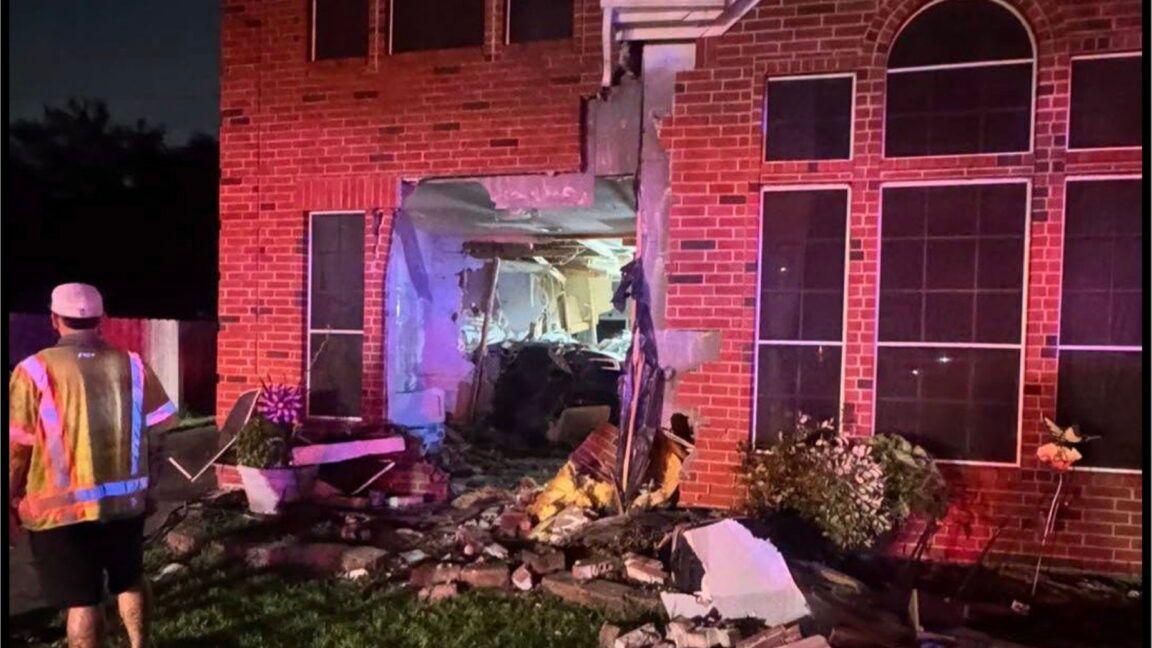
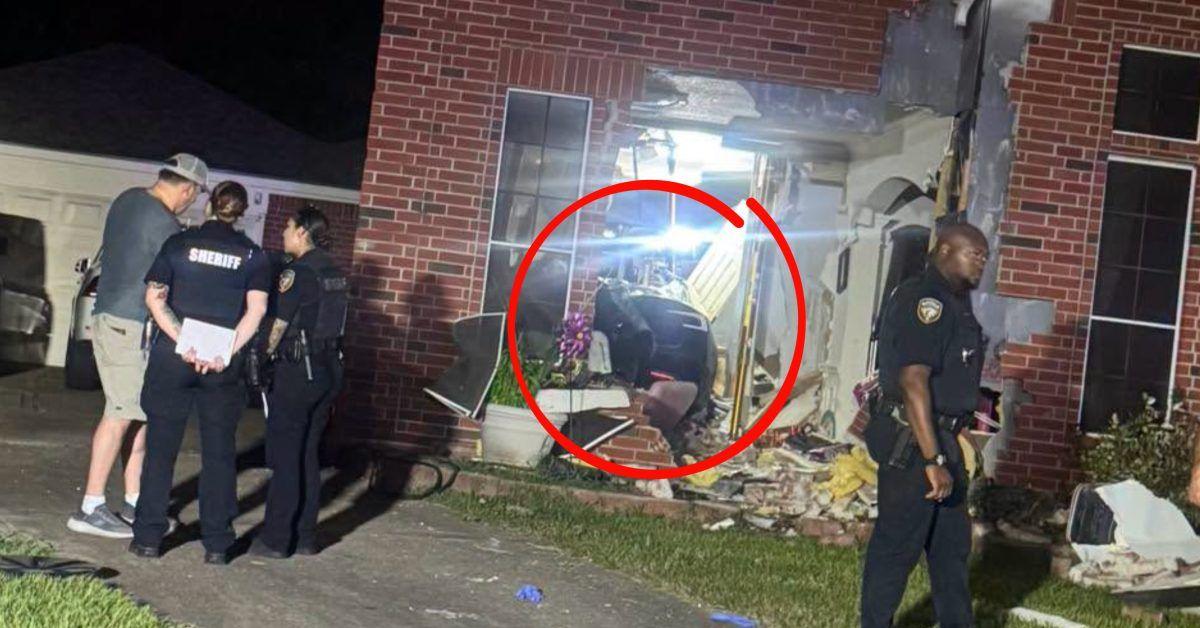
.The fatal crash in Texas occurred on June 19 in Katy, when driver Michael Butler, also named as a defendant, told police his automated driving assistance system was engaged when he lost control of the vehicle
5
. Doorbell camera footage obtained by local media shows the Model 3 traveling at high speed across the front lawn before ramming into the home3
. Avila was inside when the Tesla crash occurred and later died at a nearby hospital from her injuries.
Source: Electrek
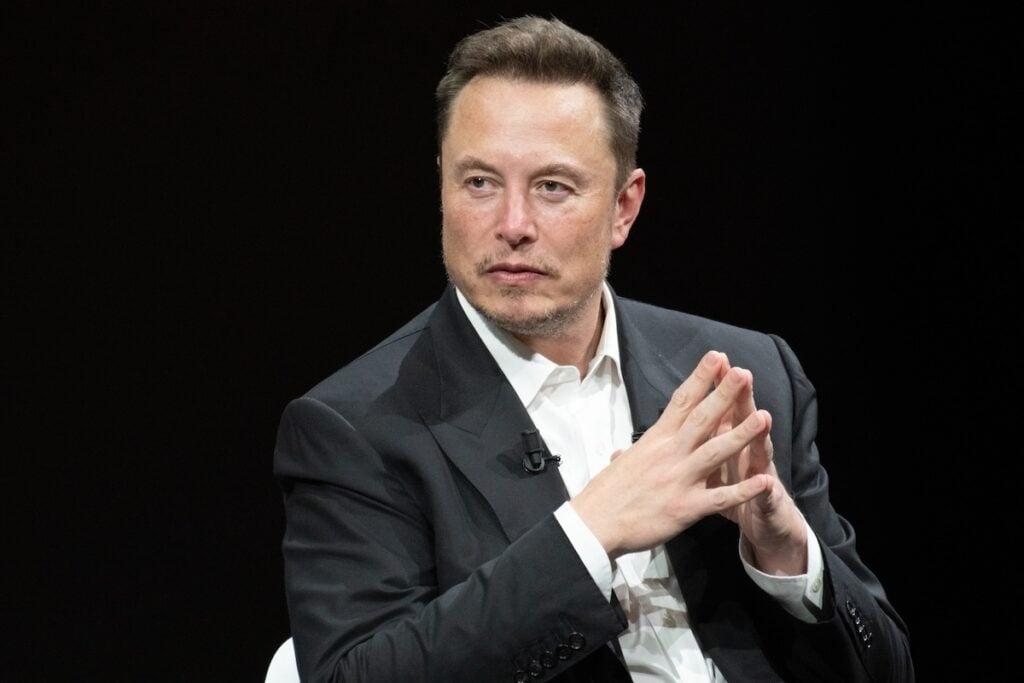
Elon Musk quickly responded to the incident on X, arguing that Full Self-Driving drives slowly through neighborhood streets and that the high-speed nature of the crash indicates the technology wasn't responsible
2
. Ashok Elluswamy, Tesla's vice president of AI software, went further by claiming the driver manually overrode the system by pressing the accelerator to 100 percent, reaching a speed of 73 mph during the crash and keeping the pedal pressed even after impact1
. However, neither executive provided evidence to support these claims.
Source: Benzinga
The family's lawsuit presents two theories about how Tesla's Full Self-Driving may have malfunctioned. The first centers on Sudden Unintended Acceleration, a defect the family alleges Tesla knows has caused numerous fatalities but hasn't fixed
1
. This occurs when voltage surges from the battery cause the inverter to incorrectly interpret that the accelerator pedal has been pressed, causing rapid acceleration to dangerous speeds. The second theory suggests that because Tesla stripped vehicles of critical obstacle-detection hardware during a global chip shortage, Butler's Model 3 failed to detect the home directly in its path at the end of the street.The National Highway Traffic Safety Administration confirmed it has opened an NHTSA investigation into the Texas crash, marking yet another federal probe into Tesla's driver assistance technologies
5
. This is significant as NHTSA has opened 46 special crash investigations involving Teslas using self-driving or driver-assistance technology over the past decade, with more than a dozen resulting in at least one fatality5
.In March, NHTSA escalated its probe into 3.2 million Teslas equipped with Full Self-Driving over concerns the system may fail to detect or warn drivers in poor visibility conditions
4
. The agency has received more than a dozen reports of Teslas slamming into parked emergency vehicles while Tesla's Autopilot was active, highlighting what the family's lawsuit describes as "a well-established inability to properly detect stationary objects"1
.The timing of this Tesla crash carries particular weight as Elon Musk rolls out robotaxis using automated software in several U.S. cities this year, with plans to invite Tesla owners to add their cars to the fleet using the same system nationwide
5
. Earlier this year, Tesla discontinued its Autopilot driver-assist feature in the U.S. and Canada, pushing users toward a $99-per-month Full Self-Driving subscription3
. This move came amid the threat of a potential ban in California because the terms were misleading and violated state law.
Source: The Verge
The family's attorney, Chris Adkins, told media outlets that the Barbours are focused on getting to the truth and preventing similar tragedies
1
. The lawsuit also cited a 2023 Washington Post analysis identifying at least 17 fatal incidents linked to Tesla's Autopilot, and noted Tesla's documented history of losing, withholding, or making it difficult for attorneys to obtain comprehensive electronic data from vehicles involved in severe collisions1
. Police have confirmed that Butler was not intoxicated and is cooperating with the investigation, though they're still examining whether the automated driving assistance system was actually in use at the time of the crash1
.Summarized by
Navi
1
Policy and Regulation

2
Policy and Regulation

3
Policy and Regulation