4 Sources
[1]
Tesla driver who blamed crash on autopilot pressed accelerator 100%, NTSB finds
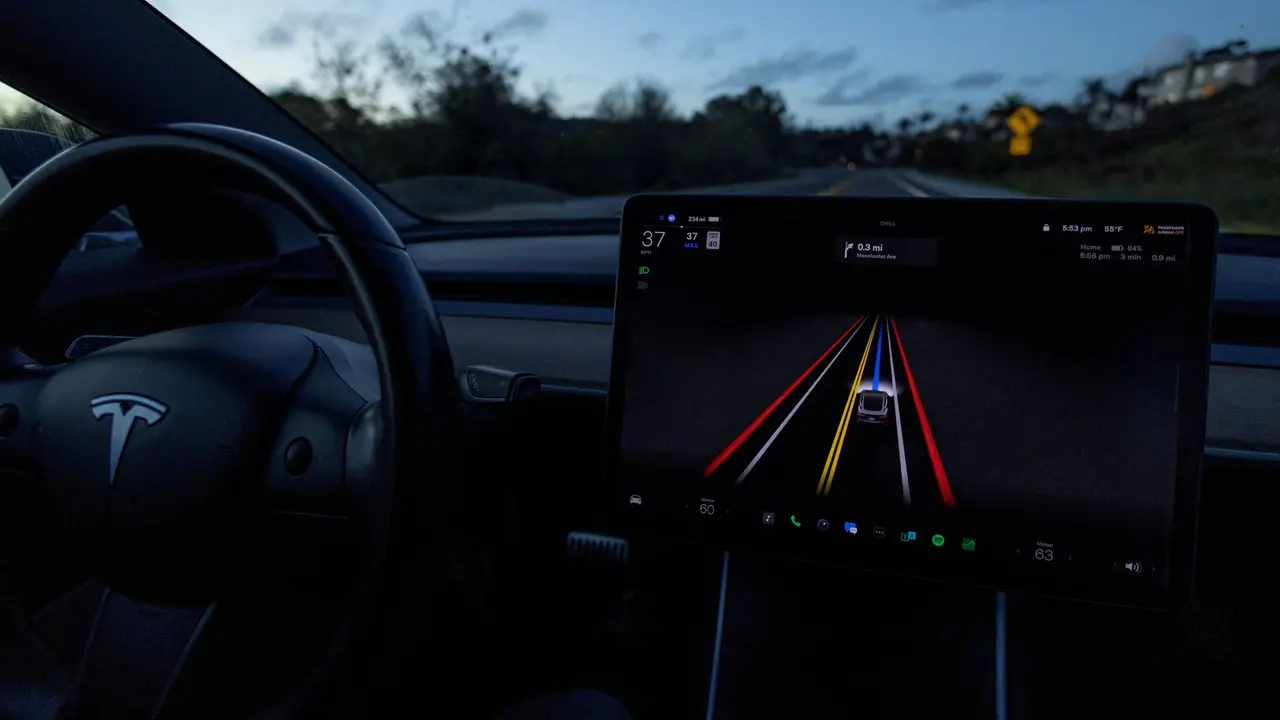
On Wednesday, the National Transportation Safety Board (NTSB) released preliminary findings verifying Elon Musk's and Tesla's claims that a driver involved in a fatal Texas crash that killed a grandmother overrode Full Self Driving in the moments ahead of impact. Last month, 44-year-old Michael Butler told police that the autopilot feature was engaged at the time of the crash. On X, Musk disputed the claim, writing that Butler must have overridden the feature because "FSD drives slowly through neighborhood streets, and this was a high-speed crash!" Moving to back Musk's claim, Tesla's vice president of AI software, Ashok Elluswamy, said that internal data showed "the driver manually overrode self-driving by pressing the accelerator all the way to 100 percent of the accel pedal in this residential area." NTSB's preliminary report, which does not yet determine what caused the crash, confirmed Tesla's claims. Their probe found that FSD was engaged at the time of the crash, but electronic data showed "the driver manually overrode FSD (Supervised) by pressing the accelerator pedal to 100 percent." According to a local ABC News report, Texas cops searched Butler's phone with his permission and found that he was working as a DoorDash driver when the crash occurred. The phone data showed that Butler had no issues with the Tesla making multiple prior delivery stops, but Butler allegedly told police he "passed out" and didn't remember leaving the highway or turning onto the residential streets. It seems that Butler may have wanted more reliability out of the autopilot feature, with Google searches on his phone showing queries like "Tesla FSD not aggressive enough 2026," "Tesla not aggressive enough," and "Tesla FSD too timid," ABC News reported. If the Tesla had successfully navigated that course that Butler set before allegedly losing consciousness, the car would have turned left before smashing into the family home where 76-year-old Martha Avila lost her life. But ABC News reported that in the six seconds before the crash, the Tesla instead exceeded 70 mph speeds and continued straight after the pedal was pressed "all the way down." The NTSB said that "security camera footage showed the car's path of travel as it continued straight through the intersection, departed the roadway, and struck the residence." Butler has been charged with manslaughter and jailed, with a bond set at $150,000, ABC News reported. Alongside Tesla, he also faces a lawsuit where Avila's surviving family has alleged that both he and Tesla were negligent and may be to blame for the crash. Although cops initially found no evidence of a mechanical malfunction, the family has alleged that Butler's car may have been defective. For example, a Tesla defect known as "Sudden Unintended Acceleration" can occur when "components of the vehicle require additional power" and the draw on the battery causes "significant spikes in the system," their lawsuit explained. If that happened to Butler's car, the inverter may "incorrectly interpret that the accelerator pedal has been pressed" and rapidly advance to dangerous speeds. NTSB confirmed that "all aspects of the crash remain under investigation while the NTSB determines the probable cause, with the intent of issuing safety recommendations to prevent similar crashes." Additionally, the National Highway Traffic Safety Administration has opened a special investigation.
[2]
Tesla driver in fatal Texas crash overrode FSD by pressing accelerator '100 percent,' investigators confirm
The Tesla driver who fatally struck a woman after crashing into her home "manually overrode" the vehicle's Full Self-Driving (FSD) technology by pressing the gas pedal to 100 percent, the National Transportation Safety Board (NTSB) confirmed in a preliminary report on Wednesday. After examining the car's electronic data, investigators found that the Tesla Model 3 reached speeds greater than 70mph during the crash. In June, 44-year-old Michael Butler's vehicle plowed into a Katy, Texas home, killing 76-year-old Martha Avila inside. The home is located on a two-lane road with a 30mph speed limit, the NTSB's report says, adding that "the weather was clear, the roadway was dry, and daylight conditions were present" when the crash occurred. The NTSB's findings align with a statement from Tesla AI head Ashok Elluswamy, who said the driver "manually overrode self-driving by pressing the accelerator all the way to 100%." The National Highway Traffic Safety Administration is also investigating the crash. Butler was arrested earlier this month and is facing manslaughter charges. After the crash, Butler told hospital providers that he remembered "putting the car in self driving mode" and that he "passed out," according to an arrest affidavit. The court document also cites data from Butler's phone, which includes several FSD-related Google searches, including "Tesla fsd not aggressive enough 2026 model," "FSD is not aggressive enough for city driving," and and "tesla fsd too timid."
[3]
Tesla driver accelerated into house in fatal Texas crash, NTSB says
WASHINGTON, July 15 (Reuters) - The driver of a Tesla (TSLA.O), opens new tab Model 3 that killed a 76-year-old woman when it ploughed into her home at high speed in Katy, Texas in June had overridden the vehicle's advanced driver assistance system, the National Transportation Safety Board said on Wednesday. The 44-year-old driver had engaged Full Self Driving (FSD) (Supervised) and manually overrode FSD by fully depressing the accelerator pedal and the 2025 model vehicle's speed was greater than 70 mph (113 kph) when the crash occurred, the NTSB said, citing electronic data recovered from the vehicle. The preliminary findings support Tesla's argument that driver action caused the crash. The house is on a residential two-lane road with a 30 mph speed limit. The NTSB has investigated numerous Tesla (TSLA.O), opens new tab crashes where its driver assistance systems were in use. The National Highway Traffic Safety Administration is also investigating the crash. Martha Avila died as a result of her injuries at a nearby hospital. Avila's daughter, Jennifer Barbour, and her husband, Justin Barbour, said the Model 3's driver, Michael Butler, told law enforcement he engaged Autopilot before plowing through the front wall of Avila's home. The NTSB confirmed the statement of Ashok Elluswamy, vice president of AI software at Tesla, who posted on X last month that "the driver manually overrode self-driving by pressing the accelerator all the way to 100%." Since 2016, NHTSA has opened nearly 50 special investigations of Tesla crashes believed to involve advanced driver assistance systems. About two dozen deaths were reported. In March, the NHTSA escalated its probe into 3.2 million Teslas equipped with FSD, concerned the system may fail to detect or warn drivers in poor visibility. Tesla has said Autopilot enables vehicles to steer, accelerate and brake within their lanes, while FSD lets vehicles obey traffic signals and change lanes. The automaker has also said both technologies require "fully attentive" drivers whose hands are on the wheel and neither make the vehicle autonomous. Reporting by David Shepardson; Editing by Stephen Coates Our Standards: The Thomson Reuters Trust Principles., opens new tab * Suggested Topics: * Litigation * Product Liability * ADAS, AV & Safety * Sustainable & EV Supply Chain
[4]
The driver who crashed a Tesla into a Texas home at 70 mph had pressed the accelerator to 100 percent, NTSB finds
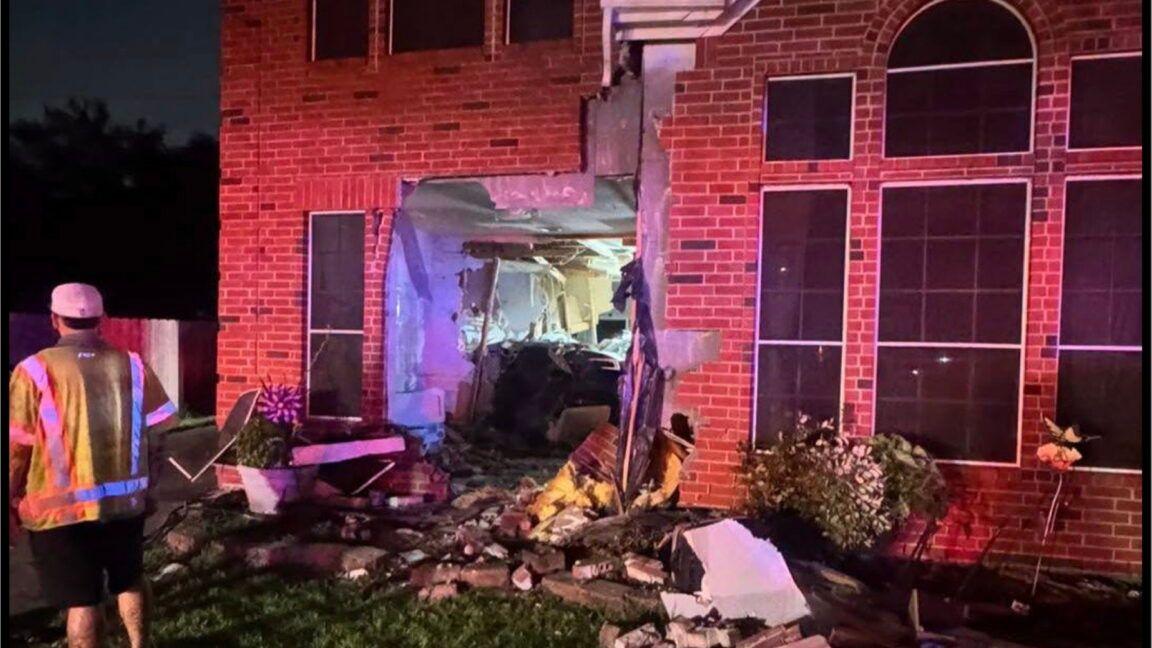
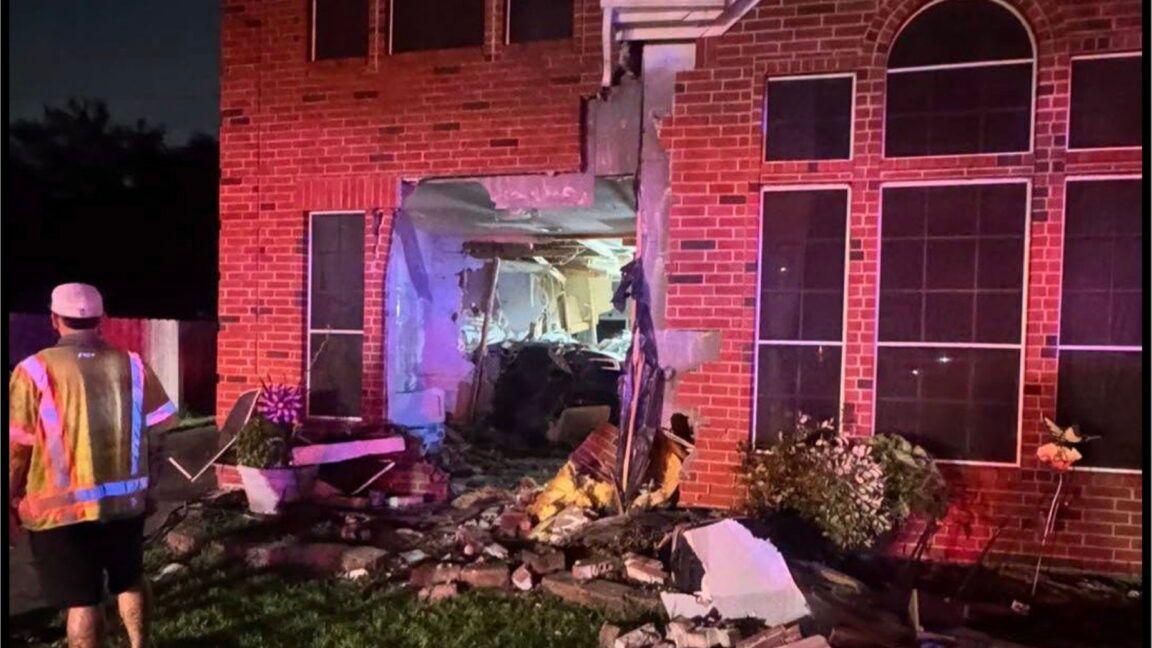
The driver of a Tesla that crashed into a Texas home and killed a 76-year-old woman had manually overrode Full Self-Driving by pressing the accelerator pedal to 100 percent, the National Transportation Safety Board said in a preliminary report released on Wednesday. The 2025 Model 3 was travelling at more than 70 mph on a residential street with a 30 mph speed limit in Katy, west of Houston, when it jumped the curb and tore through a brick wall on June 19. Martha Avila, who was standing in the front room, died from her injuries. The driver, 44-year-old Michael Butler, told police after the crash that he had passed out while using Tesla's driver-assistance system. But investigators found Google searches on his phone including "Tesla FSD not aggressive enough" and "Tesla FSD too timid," raising serious questions about how he was using the system before the collision. Butler has been charged with manslaughter, and Avila's family has filed a wrongful-death lawsuit against both Butler and Tesla. The finding clears Tesla's FSD software in this particular crash but does not resolve the broader scrutiny facing the company's driver-assistance technology. NHTSA elevated its own investigation of FSD to engineering analysis in March, one step short of ordering a recall, covering more than three million vehicles after documenting crashes where the system failed to detect poor visibility conditions until immediately before impact. The agency has opened 46 special crash investigations into Tesla's self-driving or driver-assistance technology over the past decade, with fatalities in more than a dozen cases. The case illustrates a recurring problem with FSD Supervised: the system allows drivers to override it at any time by pressing the accelerator, but Tesla's marketing has historically blurred the line between driver assistance and full autonomy. Tesla renamed the feature from "Full Self-Driving" to "Full Self-Driving (Supervised)" after regulators complained the original name was misleading. The company faces a certified class-action lawsuit in the US over FSD advertising and statements made between October 2016 and August 2024. The NTSB finding aligns with what Tesla's head of AI software, Ashok Elluswamy, posted shortly after the crash, that vehicle data showed the driver manually pressed the accelerator to full throttle. Tesla's broader FSD safety record remains contested: the company claims one major crash per millions of miles under FSD Supervised, but its Austin robotaxi fleet has reported crashes at roughly four times the human average. NHTSA separately opened an investigation last year into 58 incidents where Teslas reportedly violated traffic laws while using self-driving technology, leading to more than a dozen crashes and nearly two dozen injuries. The timing is uncomfortable for Tesla as Musk prepares to turn hundreds of thousands of Teslas into fully driverless vehicles and has begun selling two-seated Cybercabs without steering wheels or pedals. Tesla reports second-quarter earnings next week, with analysts expecting a sixth consecutive quarter of flat or falling profits. The stock trades at 170 times expected earnings, more than eight times the S&P 500 average, reflecting investor confidence in the autonomous driving vision rather than the current business.
Share
Copy Link
The NTSB released preliminary findings showing that a Tesla driver involved in a fatal Texas crash manually overrode Full Self Driving by pressing the accelerator pedal to 100 percent, reaching speeds over 70 mph in a 30 mph residential zone. The crash killed 76-year-old Martha Avila when the vehicle plowed into her home in Katy, Texas. Driver Michael Butler has been charged with manslaughter and faces a wrongful-death lawsuit alongside Tesla.
The National Transportation Safety Board released preliminary findings on Wednesday confirming that a Tesla crash in Katy, Texas occurred after the driver manually overrode FSD by pressing the accelerator pedal to 100 percent
1
. The investigation verified claims made by Tesla's vice president of AI software, Ashok Elluswamy, who stated that internal data showed "the driver manually overrode self-driving by pressing the accelerator all the way to 100 percent of the accel pedal in this residential area"1
. Electronic data recovered from the 2025 Model 3 revealed the vehicle exceeded 70 mph speeds on a residential two-lane road with a 30 mph speed limit when it jumped the curb and crashed into a home3
.
Source: Ars Technica
Martha Avila, 76, died from her injuries after Michael Butler's Tesla plowed through the front wall of her home on June 19
4
. Security camera footage showed the car's path as it continued straight through the intersection, departed the roadway, and struck the residence1
. The NTSB report notes that weather was clear, the roadway was dry, and daylight conditions were present at the time of the crash2
. In the six seconds before impact, the Tesla continued straight instead of turning left as the route would have required, with the pedal pressed all the way down1
.The 44-year-old driver, Michael Butler, has been charged with manslaughter and jailed with bond set at $150,000
1
. Butler told hospital providers after the crash that he remembered "putting the car in self driving mode" and that he "passed out," according to an arrest affidavit2
. Texas police searched Butler's phone with his permission and discovered he was working as a DoorDash driver when the crash occurred1
. Phone data showed Butler had no issues with the Tesla making multiple prior delivery stops before the fatal incident1
.Investigators found revealing Google searches on Butler's phone, including queries like "Tesla FSD not aggressive enough 2026," "Tesla not aggressive enough," and "Tesla FSD too timid"
1
. These searches raise serious questions about how Butler was using the system before the collision and suggest he may have wanted more aggressive behavior from the advanced driver assistance systems4
. The findings illustrate a recurring problem with Full Self Driving Supervised: the system allows driver override at any time by pressing the accelerator, but Tesla's marketing has historically blurred the line between driver assistance and full autonomy4
.
Source: The Verge
Related Stories
While the NTSB finding clears Tesla's FSD software in this particular crash, it does not resolve broader scrutiny facing the company's technology
4
. NHTSA has opened nearly 50 special crash investigations into Tesla crashes believed to involve advanced driver assistance systems since 2016, with about two dozen deaths reported3
. In March, NHTSA escalated its probe into 3.2 million Teslas equipped with FSD, concerned the system may fail to detect or warn drivers in poor visibility3
. The agency also opened an investigation last year into 58 incidents where Teslas reportedly violated traffic laws while using self-driving technology, leading to more than a dozen crashes and nearly two dozen injuries4
.Avila's surviving family has filed a lawsuit alleging that both Butler and Tesla were negligent and may be to blame for the crash
1
. Although police initially found no evidence of mechanical malfunction, the family has alleged that Butler's car may have been defective1
. The lawsuit points to a Tesla defect known as "Sudden Unintended Acceleration" that can occur when components require additional power and the battery draw causes significant spikes in the system, potentially causing the inverter to incorrectly interpret that the accelerator pedal has been pressed1
. Tesla faces a certified class-action lawsuit in the US over FSD advertising and statements made between October 2016 and August 20244
. The NTSB confirmed that all aspects of the crash remain under investigation while determining probable cause, with the intent of issuing safety recommendations to prevent similar crashes1
.
Source: Reuters
Summarized by
Navi
[2]
03 Jul 2026•Technology

23 Jun 2026•Policy and Regulation

31 Jul 2024

1
Policy and Regulation

2
Technology

3
Technology