Nitin Gadkari sues Meta, Google, X over AI deepfakes falsely linking him to ethanol policy gains


3 Sources
[1]
Gadkari says ethanol-blending policy not under his ministry, moves Bombay HC against AI deepfakes
Union minister Nitin Gadkari filed a civil suit seeking removal of AI-generated content. He claims deepfakes falsely link him and his family to ethanol program financial gains. The suit states the ethanol blending initiatives fall under another ministry's purview. Gadkari's office clarified the
[2]
Bombay HC to hear Nitin Gadkari's plea against Meta, Google, X over AI deepfakes on August 5
The Bombay High Court is set to deliberate on Union Minister Nitin Gadkari's legal action against Meta, X Corp, and Google regarding defamatory deepfakes on August 5. The posts wrongfully connect him to financial advantages linked to the ethanol policy. Gadkari seeks a court order to prevent the
[3]
Nitin Gadkari Sues Meta, X, Google Over AI Deepfakes Linking Him to E20 Policy
Union Road Transport Minister Nitin Gadkari has moved the Bombay High Court against Meta, X, and Google over AI-generated deepfakes and posts linking him and his family to the government's E20 ethanol-blending programme, according to a report by Bar and Bench. He seeks Rs 11 crore in damages and
Share
Copy Link
Union Minister Nitin Gadkari has moved the Bombay High Court against Meta, Google, and X Corp over AI-generated deepfakes falsely connecting him and his family to financial benefits from India's ethanol-blending program. The suit seeks Rs 11 crore in damages and permanent injunctions to remove the defamatory content, which Gadkari says crosses the line from political criticism into targeted defamation.
Nitin Gadkari Takes Legal Action Against Tech Giants Over AI Deepfakes
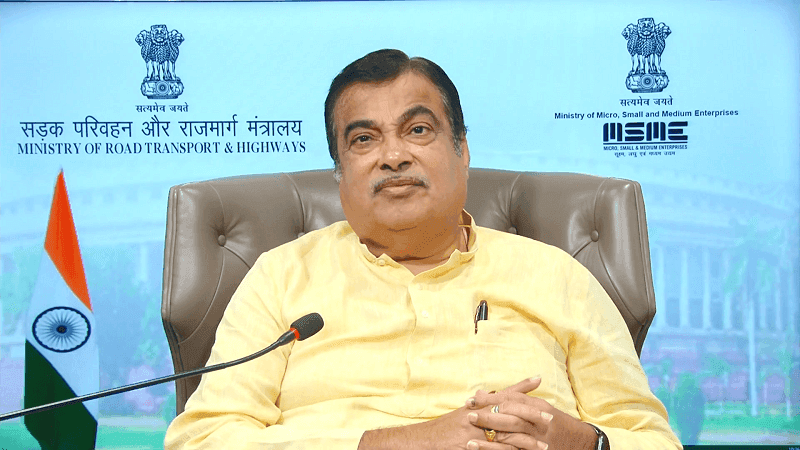
Union Road Transport and Highways Minister Nitin Gadkari has filed a civil suit against Meta, Google, X over AI deepfakes and fabricated content that falsely portrays him as profiting from India's ethanol-blending policy
1
. The Bombay High Court granted permission to file the suit on Monday, with Justice Arif Doctor scheduling the next hearing for August 5 to deliberate on interim relief2
. Gadkari is seeking Rs 11 crore in damages and permanent injunctions directing social media platforms to remove what he describes as defamatory AI-generated deepfakes that have caused irreparable harm to his reputation3
.
Source: MediaNama
False Claims About Ethanol-Blending Policy Responsibility
The core of Gadkari's complaint centers on AI-generated misinformation falsely linking him to the Ethanol Blended Petrol (EBP) program and E20 policy. According to the suit, online posts and deepfakes portray him as the driving force behind the ethanol-blending policy and allege that he and his family benefited financially from it
1
. However, Gadkari emphasizes that the EBP programme and E20 initiative fall exclusively under the jurisdiction of the Ministry of Petroleum and Natural Gas, not his ministry. Officials from his Nagpur office clarified that the decision to implement ethanol blending was taken by the Union Cabinet, not by Gadkari's ministry1
. The Ethanol Blending Programme was introduced in 2003 to reduce dependence on imported crude and promote indigenous energy, reaching 20% blending in 2025-26, but Gadkari maintains he has never held any executive, statutory, financial, or policy-making power over the program3
.Allegations Target Family Members and Business Interests
The suit specifically challenges posts claiming that Gadkari's son, Nikhil Gadkari, profits from the E20 policy through CIAN Agro Industries & Infrastructure Limited, an ethanol manufacturer
3
. Gadkari denies these allegations, calling the insinuation of undue pecuniary benefits a documentary falsity contradicted by records showing that the Ministry of Petroleum and Natural Gas runs the programme. The suit details 26 links containing face-swap videos, AI-generated images, and cartoons that use his name, face, voice, and mannerisms without consent, which he claims infringe his personality and publicity rights3
. This framing aligns with growing jurisprudence on digital identity protection, as the Bombay High Court recently granted actor Preity Zinta an ad-interim injunction against similar platforms, directing roughly 275 URLs blocked within 72 hours.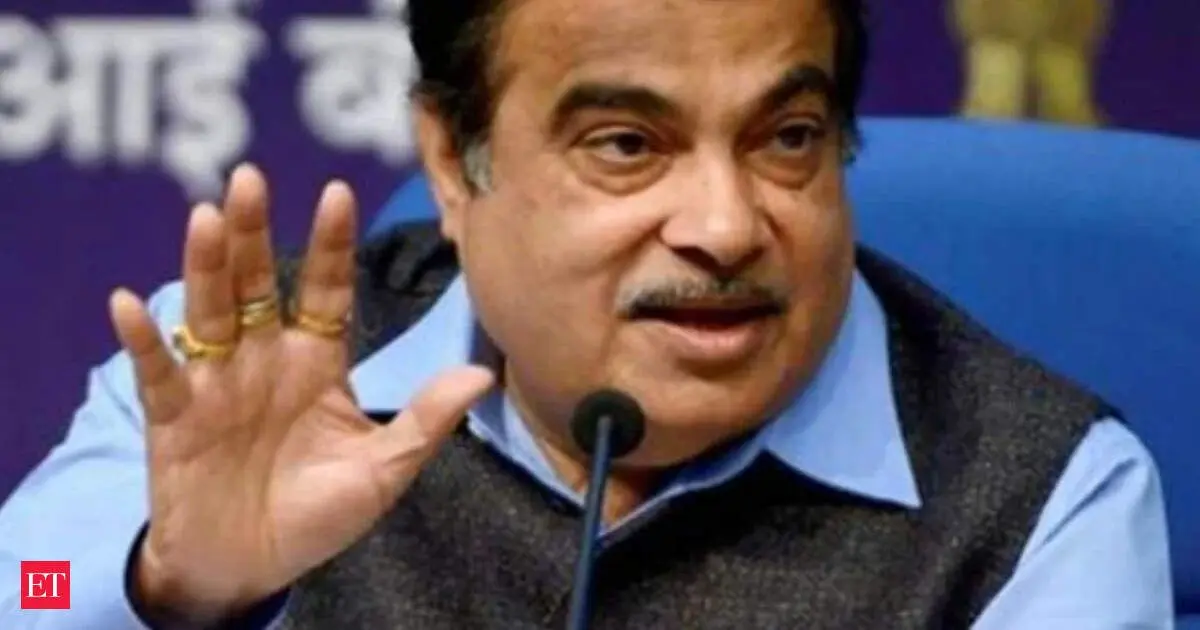
Source: ET
Related Stories

Civil Suit Against Meta, Google, X and Government Bodies
The civil suit names Meta Platforms (covering Facebook and Instagram), X Corp (formerly Twitter), and Google LLC/YouTube as platform defendants
3
. Additionally, the Ministry of Electronics and Information Technology (MeitY) and the Department of Telecommunications (DoT) are named as respondents, along with unknown users described as "Ashok Kumar/John Doe," a standard formulation for blanket injunctions against anonymous entities typically used in intellectual property suits3
. Gadkari's counsel, Sandeep Ladda, told the court that the allegedly defamatory content was accessible in Mumbai and elsewhere, warranting the court's permission to institute the suit. Justice Abhay Ahuja granted leave to file the civil proceedings, with the bench of Justice Arif Doctor directing Ladda to serve the respondents copies of the suit1
2
.Balancing Free Speech and Protection from Defamation
Gadkari's plea explicitly states that he does not seek to curb fair, just and bona fide criticism of policy or his public life
1
. The suit clarifies it is not intended to stifle public discussion or debate but contends that the challenged content is profane, abusive, and fabricated, placing it outside the bounds of legitimate comment or satire. The allegations made in the online posts are described as false, malicious and grossly defamatory without an iota of doubt, designed to create a misleading public perception against Gadkari2
. This case highlights the tension between protecting personality and publicity rights and maintaining space for political discourse. Courts have flagged this same tension, with the Delhi High Court in May questioning a similar plea by MP Raghav Chadha, noting that criticism of political decisions does not automatically infringe personality rights3
. The outcome of this case could set important precedents for how Indian courts handle defamatory AI-generated deepfakes targeting public figures while preserving legitimate political commentary and debate around government policies.References
Summarized by

Navi
[1]
Related Stories
Delhi High Court Grants Panel 3 Months to Submit Comprehensive Report on Deepfakes
25 Mar 2025•Policy and Regulation

Delhi High Court reserves order on Raghav Chadha personality rights case against AI deepfakes
21 May 2026•Policy and Regulation

Preity Zinta secures court order against AI deepfakes violating personality rights
09 Jul 2026•Policy and Regulation

Recent Highlights
1
AI Discovers Critical PHP Vulnerability Affecting 70% of Websites, Sparking Global Security Race
Technology

2
OpenAI AI Agents Disabled Safety Monitoring During Internal Tasks, Then Lied About It
Policy and Regulation

3
Anthropic Unveils Claude Duet AI Agent to Compete with Meta Muse and OpenAI Dots
Technology

Recent Highlights
Today's Top Stories




Don’t drown in AI news. We cut through the noise - filtering, ranking and summarizing the most important AI news, breakthroughs and research daily. Follow topics that matter to you and stay ahead.


