3 Sources
[1]
Delhi HC reserves order in Raghav Chadha personality rights case, says 'line between defamation and criticism is thin'
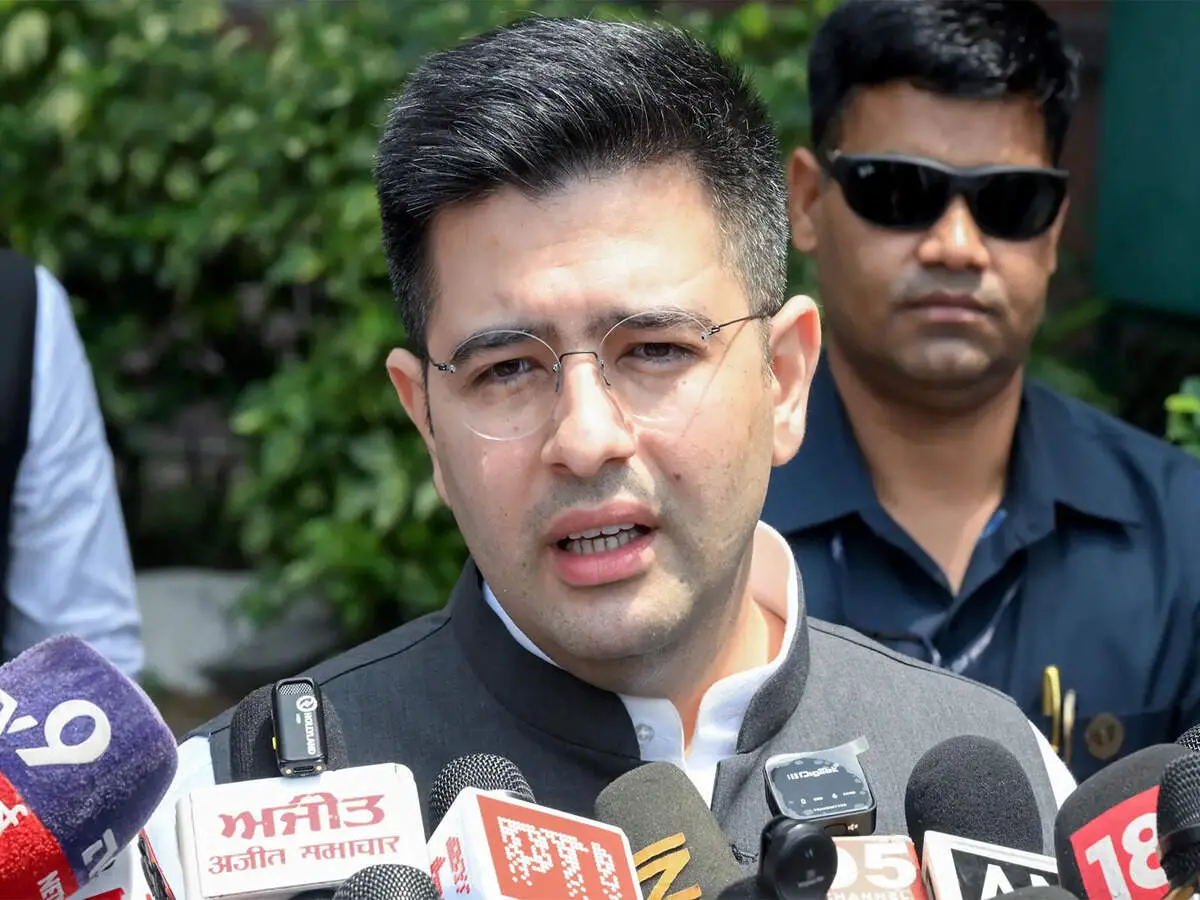
New Delhi, The Delhi High Court on Thursday reserved orders on the interim relief sought by Rajya Sabha MP Raghav Chadha in his suit alleging misuse of his personality rights through AI-generated deepfakes, morphed visuals and manipulated social media content. The matter was heard by Justice Subramonium Prasad, who orally observed during the hearing that the content placed before the Court appeared, prima facie, to be a criticism of a political decision rather than a straightforward case of personality rights violation. The Bench further noted that political leaders have historically been subjected to satire, cartoons and criticism in public life. "From independence, we are seeing RK Laxman cartoons. At that point of time, probably social media had not gone to that extent today it has," Justice Prasad observed. Senior Advocate Rajiv Nayar, appearing for Chadha, argued that several posts circulating online were not merely political criticism but defamatory and profane attacks portraying the MP as someone who had switched political sides for monetary gain. "He is shown in a saree. We are seeing PM distributing, showering money," Nayar submitted while referring to certain images and posts placed before the Court. The Bench, however, repeatedly questioned whether criticism directed at a political leader's public conduct or political choices could be restrained under the framework of personality rights. Nayar also submitted that the matter also involved defamation and reputational injury. "They are saying I have gone for money. This can't be fair criticism," he argued. At one stage, Justice Prasad indicated that the Court may appoint an amicus curiae to assist on the broader legal questions arising from the matter, particularly the balance between free speech and protection of dignity in the age of artificial intelligence and social media. "There are cases and cases. The line between defamation and criticism is quite thin. It's very easy to see it from the other side, which affects your right to live with dignity. At the same time, Article 19 right can't be taken away," the Bench observed. Counsel appearing for Meta submitted that several screenshots relied upon by Chadha were merely newspaper reports and otherwise benign material. After hearing arguments, the Bench reserved orders on the application seeking interim relief. Chadha has approached the Delhi High Court seeking protection against alleged misuse of his image, likeness, voice and identity through artificial intelligence and digitally manipulated material being circulated online. In his plea, he sought directions restraining the creation and dissemination of AI-generated deepfakes, morphed videos, synthetic voice clones, fabricated speeches and other allegedly deceptive content on social media platforms. The petition states that unauthorised use of his persona through AI tools is capable of misleading the public and damaging his reputation. Chadha earlier served as MLA from Delhi's Rajinder Nagar constituency between 2020 and 2022. After being associated with the Aam Aadmi Party for several years, he joined the Bharatiya Janata Party in April 2026. The matter forms part of a growing line of cases before the Delhi High Court concerning personality and publicity rights in the era of artificial intelligence. Public figures, including Anil Kapoor and Amitabh Bachchan, have previously secured protection against unauthorised use of their voices, likenesses and identities through AI-generated content.
[2]
Raghav Chadha moves Delhi High Court against AI-generated deepfakes
Rajya Sabha MP Raghav Chadha has approached the Delhi High Court. He seeks protection for his personality rights. This is against the misuse of artificial intelligence and digitally manipulated content. The court will hear the matter soon. Chadha wants to stop the creation and spread of AI-generated deepfakes and fake speeches. Rajya Sabha MP Raghav Chadha has approached the Delhi High Court seeking protection of his personality rights against alleged misuse through artificial intelligence and digitally manipulated content. The matter is scheduled to be heard by Justice Subramonium Prasad on May 21. In his plea, Chadha has sought directions to restrain the creation and circulation of AI-generated deepfakes, morphed videos, synthetic voice clones, fabricated speeches and other deceptive digital material allegedly being shared on social media platforms. The petition states that unauthorised use of his image, voice, likeness and identity through AI tools could mislead the public and adversely affect his reputation. He has sought protection against misuse of his persona in the digital space. He earlier served as MLA from Delhi's Rajinder Nagar constituency between 2020 and 2022. After being associated with the Aam Aadmi Party for several years, he joined the Bharatiya Janata Party in April 2026. The plea adds to a series of matters before the Delhi High Court concerning personality and publicity rights of public figures in the era of artificial intelligence. Actors including Anil Kapoor and Amitabh Bachchan have previously secured relief against unauthorised use of their voice, image and likeness through AI-generated content. The Delhi High Court has repeatedly observed in earlier cases that the identity, voice and image of well-known personalities possess commercial and reputational value and deserve protection from unauthorised exploitation.
[3]
Delhi HC questions Raghav Chadha's personality rights plea
The Delhi High Court on Thursday reserved its decision on interim relief requested by BJP MP Raghav Chadha, who filed a suit alleging misuse of his personality rights through AI-generated deepfakes, altered visuals, and manipulated social media content. Justice Subramonium Prasad stated that the content identified by Chadha did not, at first glance, show a violation of personality rights and suggested he could amend his suit to a defamation case, according to a Hindu report. Chadha sought an injunction to prevent the circulation of AI-generated deepfakes, manipulated videos, synthetic voice cloning, morphed visuals, fabricated speeches, and other deceptive digital content on social media. According to a Livelaw report, he also requested John Doe relief against unknown parties and other named defendants to stop them from using his personal traits, including photographs, without his consent. "Criticism of a Political Decision, Not Personality Rights Violation": At the start of the hearing, Justice Prasad noted that, unlike previous cases involving the commercial or unauthorised use of a public figure's identity, this case concerns criticism of a political decision. The court remarked, "Unlike other judgments, here it's just criticism taken on decisions taken by you in the political arena...It is a comment by a person criticising a political decision." The court further stated that criticism of political decisions does not automatically constitute an infringement of personality rights and that previous judgments on personality rights may not be relevant to this case. The thin line between defamation and criticism: Justice Prasad recognised the difficulty of distinguishing between the two, noting that the boundary is often hard to define. "The line between defamation and criticism is quite thin, right? It's very easy to slip to the other side, which affects your right to live with dignity, and you cannot infringe on this side at the same time. Your Article 19 (1) (a) right also cannot be taken away," the bench observed. The Bench further observed that political leaders have long faced satire, cartoons, and criticism, referencing the work of R.K. Laxman: "From independence, we are seeing RK Laxman cartoons. At that point of time, probably social media had not gone to that extent today it has," Justice Prasad observed. Justice Prasad also indicated that the court may appoint an amicus curiae to address broader legal questions, particularly the balance between free speech and dignity in the context of artificial intelligence and social media. Chadha's Arguments: Senior Advocate Rajiv Nayar, representing Chadha, argued that allegations claiming Chadha had "sold himself for money" constitute defamation rather than criticism. He clarified that Chadha seeks only interim relief regarding the allegedly defamatory posts. "They are saying I have gone for money. This can't be fair criticism," Nayar submitted. He limited his request for interim relief to the allegedly defamatory content. The court observed that the line between criticism and defamation is narrow and indicated the issue may need further review. Counsel appearing for Meta submitted that several screenshots relied upon by Chadha were merely newspaper reports. Personality Rights vs. Free Speech: This case arises during a broader debate in the Delhi High Court regarding the scope of personality rights claims against online speech, satire, and news reporting. In a recent case involving yoga guru Baba Ramdev, social media platforms argued that personality rights should not be used to suppress parody, satire, political commentary, or factual reporting. X and Meta opposed broad takedown requests, cautioning that indiscriminate removal orders could chill free speech. Justice Jyoti Singh noted then that public figures "can't be so sensitive" to criticism and fact-checking, while also distinguishing between genuinely harmful deepfakes and protected expression. The Ramdev case included allegations of AI-generated deepfakes, manipulated visuals, fake endorsements, and parody accounts using his likeness. The court granted limited protection against unauthorised AI-generated misuse of Ramdev's identity while also closely examining efforts to remove satirical posts, memes, and news reports. This approach highlights the judiciary's effort to balance personality rights with Article 19 free speech protections. A Growing Line of Personality Rights Cases: The Court has protected the personality rights of several public figures, including political leaders, entrepreneurs, actors, spiritual preachers, singers, and athletes. Notable examples include Shashi Tharoor, Pawan Kalyan, Aman Gupta, Allu Arjun, Mohanlal, Aniruddhacharya, Jubin Nautiyal, Sunil Gavaskar, Kajol Devgan, R. Madhavan, and NTR Junior. The Delhi High Court has repeatedly observed in earlier cases that the identity, voice, and image of well-known personalities possess commercial and reputational value and deserve protection from unauthorised exploitation.
Share
Copy Link
Delhi High Court reserved its decision on BJP MP Raghav Chadha's lawsuit against AI-generated deepfakes and manipulated content. Justice Subramonium Prasad questioned whether the case involves personality rights violation or political criticism, noting the thin line between defamation and criticism. The court may appoint an amicus curiae to address broader questions around free speech and protection of dignity in the AI era.
The Delhi High Court on Thursday reserved its order on interim relief sought by Rajya Sabha MP Raghav Chadha in a lawsuit alleging misuse of personality rights through AI-generated deepfakes, morphed visuals, and manipulated social media content. Justice Subramonium Prasad heard the matter and observed that the content presented appeared to be criticism of a political decision rather than a straightforward violation of personality rights
1
. The case adds to a growing number of personality rights disputes in India's courts as public figures grapple with the challenges posed by artificial intelligence and digital manipulation.
Source: ET
Chadha approached the court seeking an injunction to restrain the creation and circulation of AI-generated deepfakes, synthetic voice clones, fabricated speeches, and other deceptive digital material allegedly being shared on social media platforms
2
. His petition states that unauthorized use of image and voice through AI tools could mislead the public and damage his reputation. The political leader also requested John Doe relief against unknown parties to prevent them from using his personal traits, including photographs, without consent3
.During the hearing, Justice Prasad made critical observations that distinguished this case from previous personality rights matters. The Bench noted that unlike earlier cases involving commercial exploitation or unauthorized use of a public figure's identity, this case concerns criticism of a political decision. "Unlike other judgments, here it's just criticism taken on decisions taken by you in the political arena," the court remarked
3
. The judge further observed that political leaders have historically been subjected to satire, cartoons, and criticism in public life, referencing the work of cartoonist R.K. Laxman from India's independence era1
.
Source: ET
Senior Advocate Rajiv Nayar, representing Chadha, argued that several posts circulating online were not merely political criticism but defamatory and profane attacks portraying the MP as someone who had switched political sides for monetary gain. "They are saying I have gone for money. This can't be fair criticism," Nayar submitted
1
. He referred to specific images showing Chadha in a saree and the Prime Minister distributing money, arguing these crossed the line into defamation and reputational injury.Justice Prasad acknowledged the complexity of distinguishing between legitimate criticism and defamatory content. "The line between defamation and criticism is quite thin. It's very easy to see it from the other side, which affects your right to live with dignity. At the same time, Article 19 right can't be taken away," the Bench observed
1
. This observation captures the central tension in the case: balancing protection of dignity against free speech rights guaranteed under Article 19(1)(a) of the Indian Constitution.The court indicated it may appoint an amicus curiae to assist on broader legal questions arising from the matter, particularly the balance between free speech and protection of dignity in the age of artificial intelligence and social media. Counsel appearing for Meta submitted that several screenshots relied upon by Chadha were merely newspaper reports and otherwise benign material
1
.Related Stories
This case emerges during a broader debate in the Delhi High Court regarding the scope of personality rights claims against online speech, satire, and news reporting. In a recent case involving yoga guru Baba Ramdev, social media platforms argued that personality rights should not be used to suppress parody, satire, political commentary, or factual reporting
3
. X and Meta opposed broad takedown requests, cautioning that indiscriminate removal orders could chill free speech. The court in that matter granted limited protection against unauthorized AI-generated misuse while closely examining efforts to remove satirical posts, memes, and news reports.The Delhi High Court has protected the personality rights of several public figures, including political leaders, entrepreneurs, actors, and athletes. Actors including Anil Kapoor and Amitabh Bachchan have previously secured relief against unauthorized use of their voice, image, and likeness through AI-generated content
2
. The court has repeatedly observed that the identity, voice, and image of well-known personalities possess commercial and reputational value and deserve protection from commercial exploitation2
.
Source: MediaNama
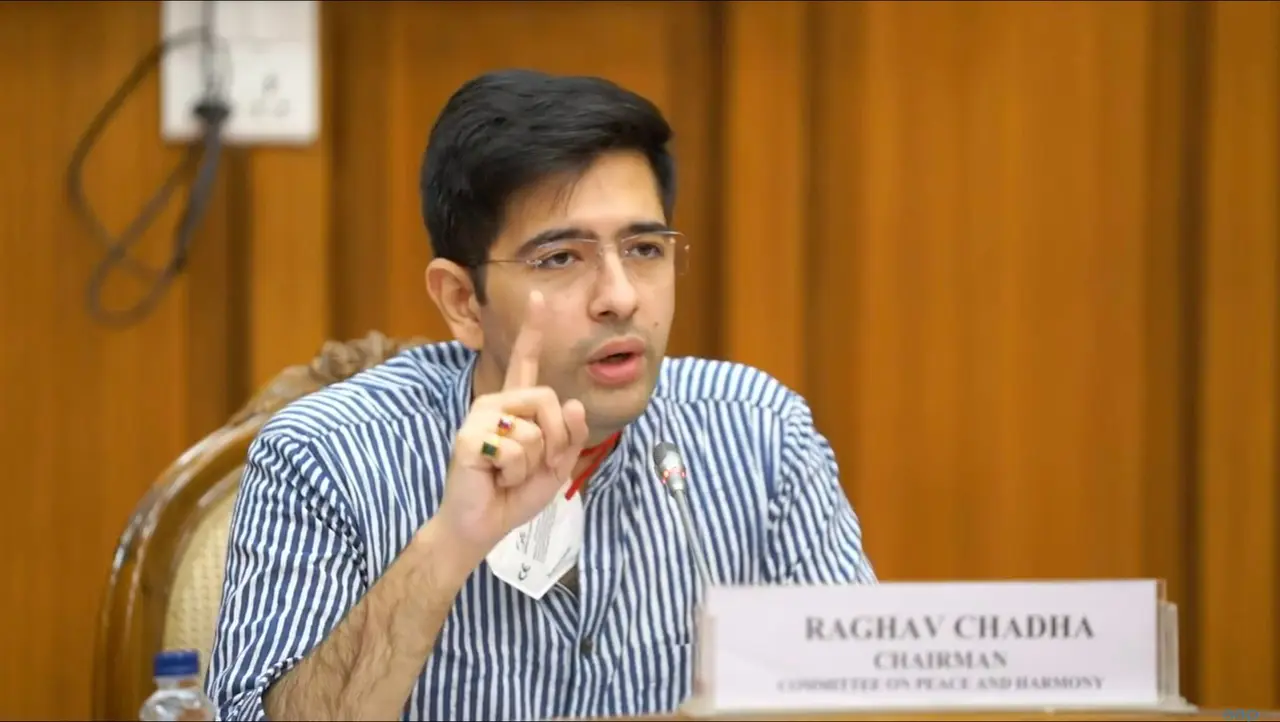
Chadha earlier served as MLA from Delhi's Rajinder Nagar constituency between 2020 and 2022. After being associated with the Aam Aadmi Party for several years, he joined the Bharatiya Janata Party in April 2026
2
. This political transition appears to be central to the content he now challenges, with critics allegedly portraying his party switch as motivated by financial considerations. The outcome of this case could establish important precedents for how courts handle personality rights claims when they intersect with political discourse and criticism in the digital age.Summarized by
Navi
11 May 2026•Policy and Regulation

01 Aug 2024

25 Mar 2025•Policy and Regulation

1
Science and Research

2
Technology

3
Policy and Regulation