Nvidia upgrades Vera Rubin specs with higher power and memory to counter AMD Instinct MI455X


3 Sources
[1]
Nvidia reportedly boosts Vera Rubin performance to ward hyperscalers off AMD Instinct AI accelerators -- increased boost clocks and memory bandwidth pushes power demand by 500 watts to 2300 watts
Recently, Nvidia announced that it had initiated 'full production' of its Vera Rubin platform for AI datacenters, reassuring the partners that it is on track to launch later this year and introducing ahead of its rivals, such as AMD. However, in addition to possibly bringing the release forward,
[2]
NVIDIA upgrades Vera Rubin HBM4 bandwidth by 10% in order to stay ahead of AMD Instinct MI455X
TL;DR: NVIDIA updated its Vera Rubin NVL72 AI server at CES 2026, boosting HBM4 memory bandwidth by 10% to 22.2TB/sec, surpassing AMD's Instinct MI455X. This enhancement, driven by competitive pressure, leverages faster 8-Hi HBM4 stacks to deliver superior AI acceleration performance. NVIDIA
[3]
NVIDIA Is Feeling the Heat From AMD's Instinct MI455X AI Chips, Triggering Unusual Vera Rubin Upgrades to Hold Its Competitive Edge
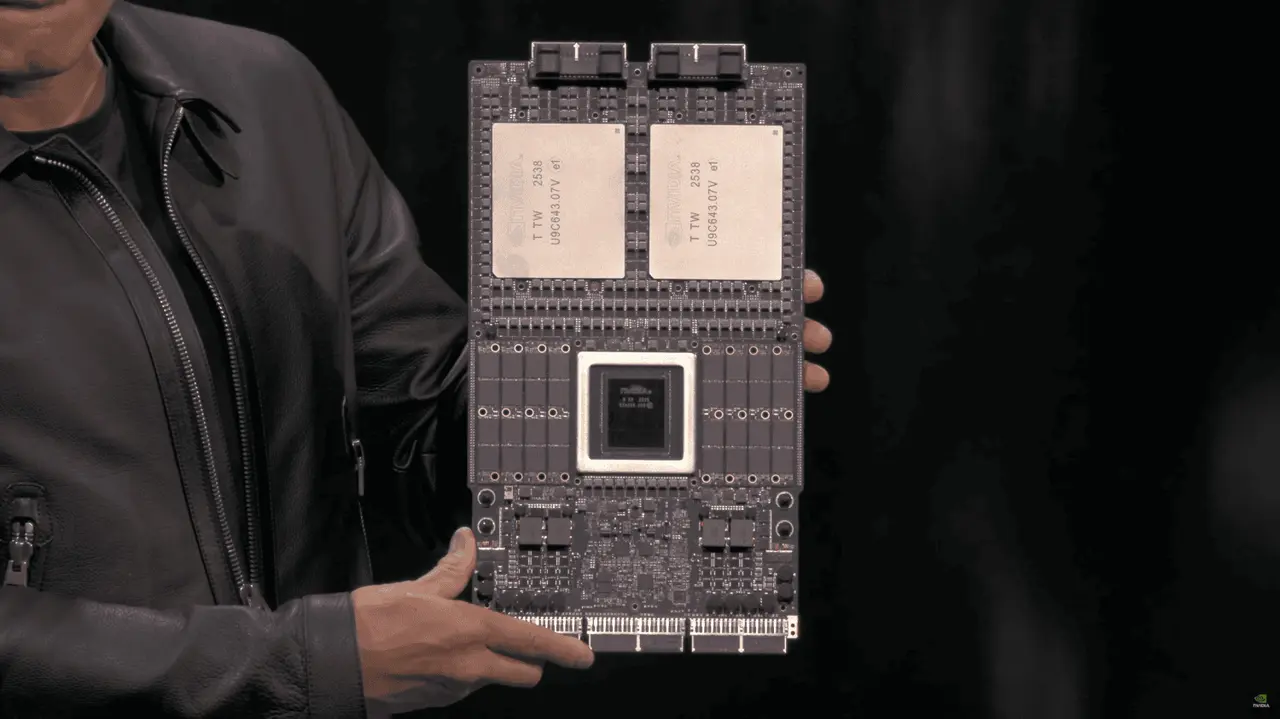
NVIDIA's Vera Rubin AI chips have seen significant upgrades in key specifications over time, as Team Green aims to maintain its competitive lead over AMD's MI455X platform. NVIDIA Plans to Ramp Up Vera Rubin Memory Bandwidth By Bumping HBM4 Specs, Taking a Lead Over AMD's MI455X The Vera Rubin
Share
Copy Link
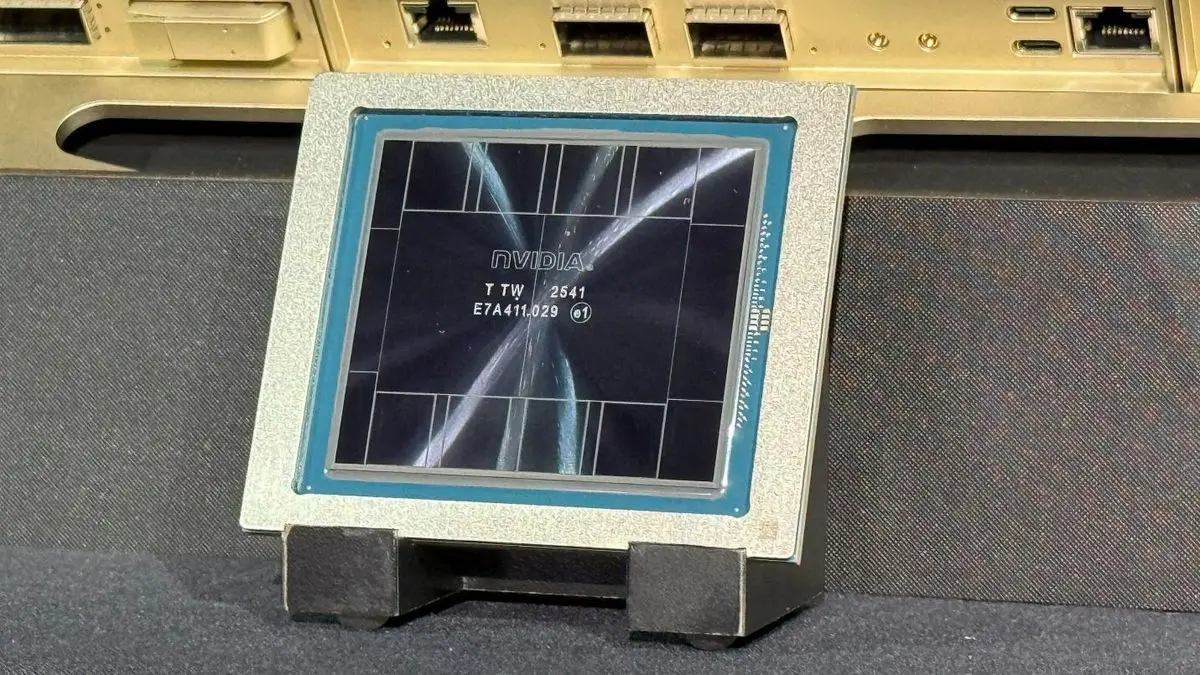
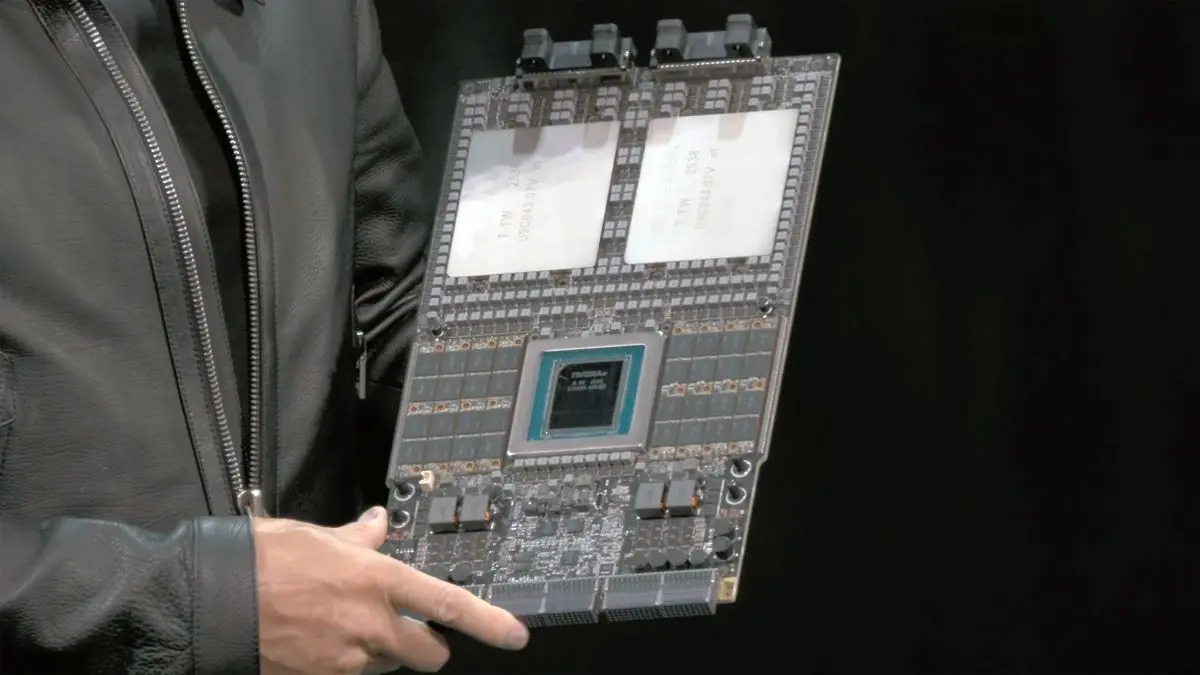
Nvidia has significantly upgraded its Vera Rubin AI accelerator specifications in response to competitive pressure from AMD's Instinct MI455X. The chip now features 22.2TB/s memory bandwidth—a 10% increase—and a 2.3kW TDP, up from the originally announced 1.8kW. These Vera Rubin upgrades aim to secure hyperscaler adoption and maintain Nvidia's dominance in AI datacenter infrastructure.
Nvidia Vera Rubin Gets Major Specification Boost
Nvidia has revised the specifications of its Nvidia Vera Rubin platform ahead of its 2025 launch, introducing substantial performance enhancements that directly respond to competitive threats from AMD Instinct MI455X AI accelerators
1
. The changes include a power consumption increase to 2.3kW per GPU, up from the originally announced 1.8kW, and increased memory bandwidth that pushes HBM4 memory bandwidth to 22.2TB/s2
. According to reports from Keybanc and corroborated by SemiAnalysis, these Vera Rubin upgrades were unveiled at CES 2026 and represent a strategic move to maintain Nvidia's competitive edge in the AI infrastructure market3
.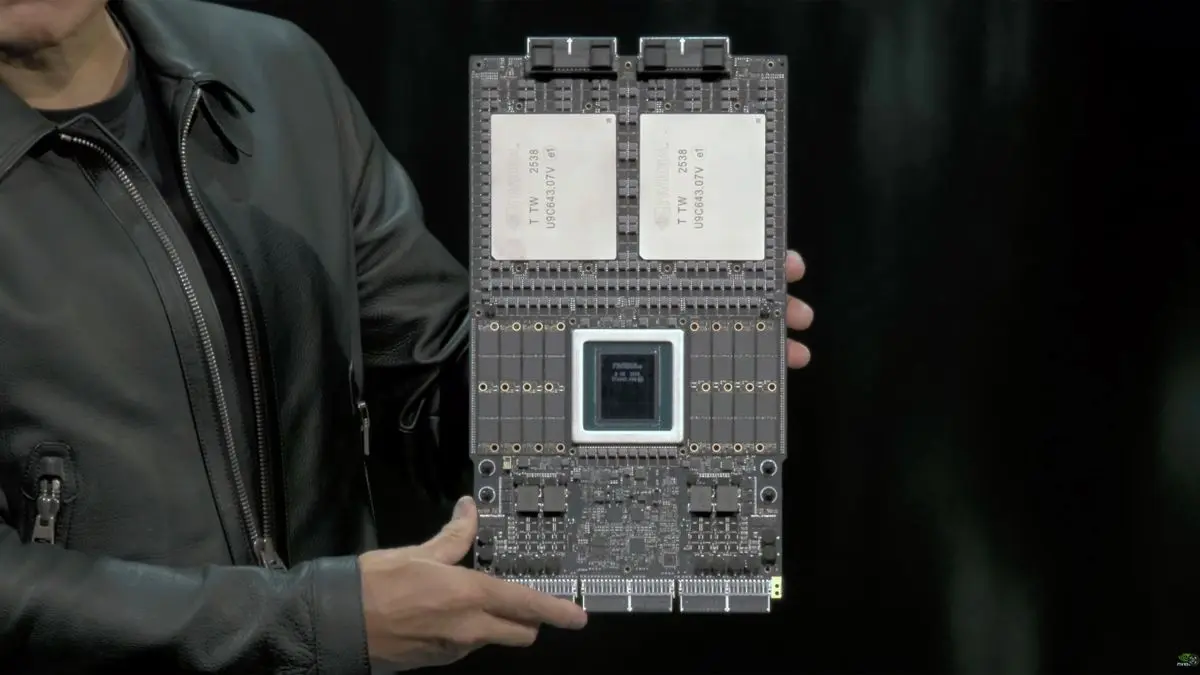
Source: Tom's Hardware
Increased Memory Bandwidth Addresses AMD Competition
The most striking enhancement involves HBM4 specifications that now deliver 22.2TB/s of memory bandwidth per GPU, representing a dramatic increase from the 13TB/s initially disclosed at GTC 2025
2
. This 10% boost in the VR200 NVL72 configuration stems from Nvidia pushing HBM4 pin speeds beyond standard JEDEC ratings, reportedly requesting suppliers to achieve 11Gbps per pin3
. The company employs 8-Hi HBM4 stacks, necessitating higher clock speeds to compete with AMD's approach of using 12-Hi HBM4 stacks that deliver 19.6TB/s on the Instinct MI455X platform2
. This architectural decision reflects the growing importance of memory bandwidth in agentic AI systems and inference workloads that dominate current datacenter deployments3
.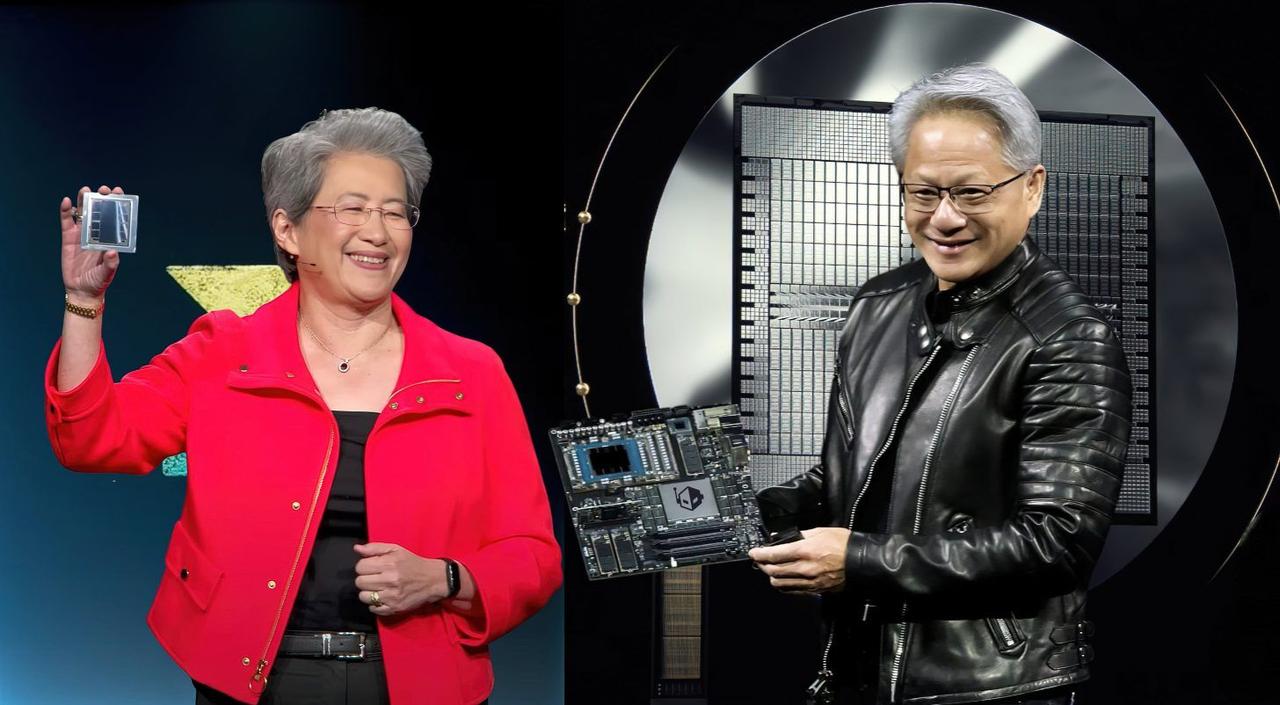
Source: Wccftech
Power Consumption Jump Enables Performance Gains
The TDP increase to 2.3kW, adding approximately 500W of thermal headroom, provides Nvidia multiple avenues to improve AI acceleration performance beyond paper specifications
1
. This additional power budget enables higher sustained clock speeds under continuous training and inference loads, reducing throttling when AI accelerators face full stress1
. The extra wattage also allows more execution units to run simultaneously, boosting throughput in heavy workloads where compute, memory, and NVLink interconnects operate under maximum load. Importantly, the higher power envelope improves the performance of HBM4 memory and PHYs at elevated operating points while maintaining signal integrity—critical as modern AI systems become increasingly constrained by memory bandwidth and fabric performance1
.Related Stories
Strategic Implications for Hyperscalers
The specification changes target hyperscalers specifically, as these customers prioritize system-level performance over per-GPU metrics
1
. Higher performance per node and per rack means fewer GPUs may be needed to complete identical workloads, reducing networking load and improving cluster-level efficiency—assuming datacenter infrastructure can accommodate the elevated power demands. The increased TDP also provides manufacturing advantages through more flexible binning and voltage headroom, improving usable yield without requiring cuts to execution units or reduced clock speeds1
. AMD has demonstrated considerable confidence in its Instinct MI400 series, with the MI455X projected to operate at approximately 1.7kW, making it a formidable alternative for hyperscalers seeking competitive options1
3
. Market observers will watch closely to see whether these aggressive upgrades maintain Nvidia's market share dominance or if AMD gains ground when both platforms reach full production later this year.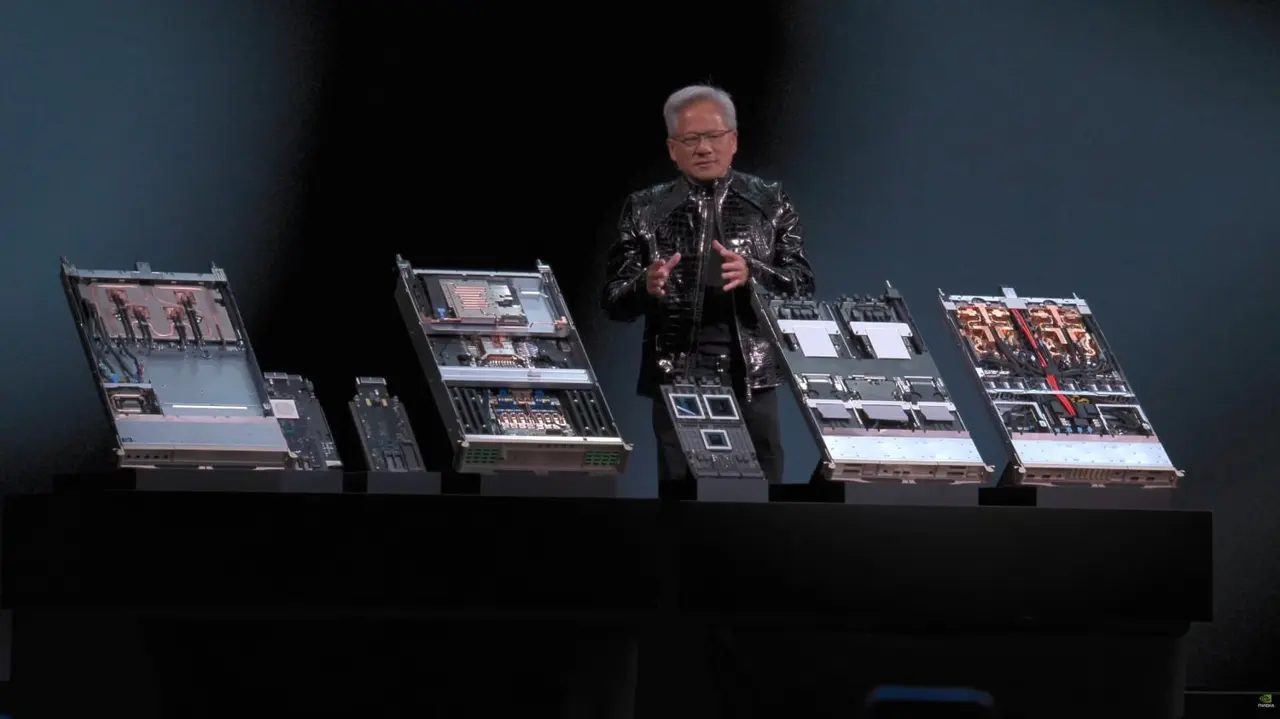
Source: TweakTown
References
Summarized by

Navi
[2]
Related Stories
Nvidia Vera Rubin enters full production with 10x efficiency gains for AI inference workloads
17 Jul 2026•Technology
NVIDIA Unveils Next-Gen AI Powerhouses: Rubin and Rubin Ultra GPUs with Vera CPUs
19 Mar 2025•Technology

Nvidia ships first Vera Rubin AI chips to customers, promising 10x efficiency gains over Blackwell
25 Feb 2026•Technology
Recent Highlights



Recent Highlights
Today's Top Stories






Don’t drown in AI news. We cut through the noise - filtering, ranking and summarizing the most important AI news, breakthroughs and research daily. Follow topics that matter to you and stay ahead.


