NVIDIA CEO Acknowledges Huawei's AI Advancements, Highlighting Competitive Landscape in China


2 Sources
[1]
NVIDIA CEO says Huawei's new CloudMatrix AI cluster competes with Grace Blackwell AI servers
NVIDIA CEO Jensen Huang said during a recent interview that China's Huawei and its new CloudMatrix AI cluster is competes with Grace Blackwell. As an Amazon Associate, we earn from qualifying purchases. TweakTown may also earn commissions from other affiliate partners at no extra cost to
[2]
NVIDIA's CEO Confirms Huawei's "CloudMatrix" AI Cluster Now Competes With Grace Blackwell; Says There's No Stopping Them
NVIDIA acknowledges that Huawei has developed AI solutions far more capable than what the firm is offering to China, forcing them out of the market. NVIDIA managed to get off the initial years of the AI hype without any competition, given that the firm was one of the "pioneers" of AI computation.
Share
Copy Link
NVIDIA CEO Jensen Huang reveals that Huawei's AI technology, including the CloudMatrix cluster and Ascend 910C chip, now competes with NVIDIA's high-end offerings like Grace Blackwell and H200, signaling a shift in the global AI hardware market.
NVIDIA Acknowledges Huawei's AI Advancements
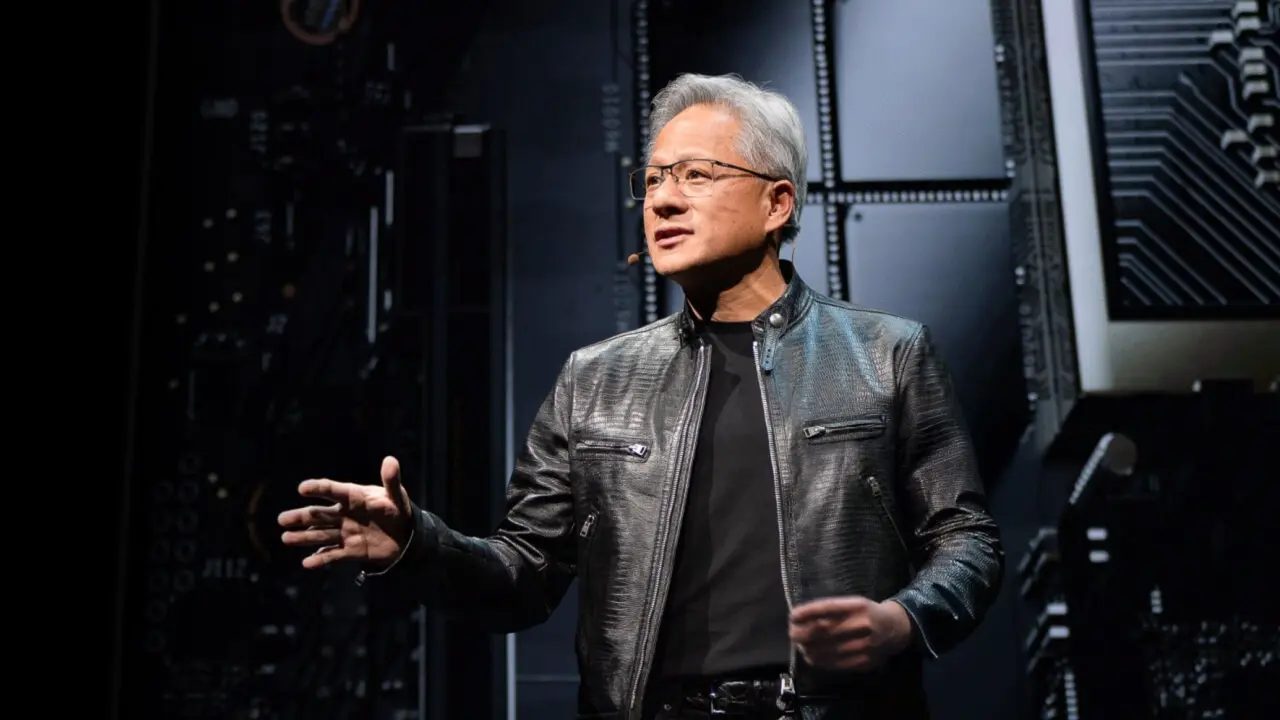
In a surprising turn of events, NVIDIA CEO Jensen Huang has publicly acknowledged the rapid advancements made by Chinese tech giant Huawei in the field of artificial intelligence (AI) hardware. During a recent interview with Bloomberg, Huang revealed that Huawei's AI technology now competes with NVIDIA's high-end offerings, marking a significant shift in the global AI hardware landscape
1
2
.
Source: Wccftech
Huawei's CloudMatrix AI Cluster
One of the most notable revelations from Huang's interview was his assessment of Huawei's new CloudMatrix AI cluster. According to the NVIDIA CEO, this system "scales up to even a larger system than our latest generation, Grace Blackwell"
1
. This statement marks the first time NVIDIA has publicly commented on the performance of Huawei's AI cluster, suggesting that the Chinese company has made substantial progress in a relatively short period.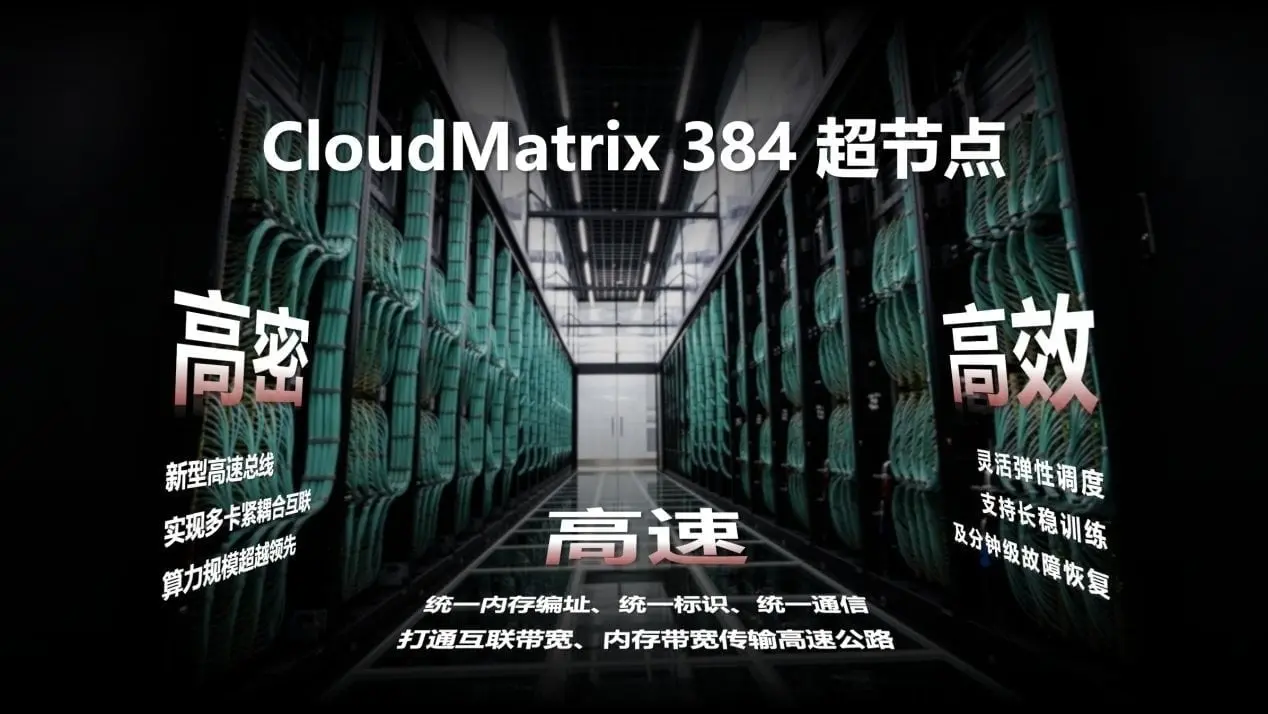
Source: TweakTown
Ascend 910C AI Chip Rivals H200
Huang also disclosed that Huawei's latest AI chip, likely the Ascend 910C, is "probably comparable to an H200"
2
. The H200 is NVIDIA's highest-end offering in the Hopper lineup, indicating that Huawei has managed to close the performance gap with Western technology more quickly than previously thought.Implications for NVIDIA's Business in China
These developments have significant implications for NVIDIA's operations in China. Huang admitted that Huawei's AI solutions are "far more capable than what the firm is offering to China, effectively forcing them out of the market"
1
. This situation is partly due to increasing US export regulations that have limited NVIDIA's ability to sell its most advanced AI chips to Chinese customers.Rapid Advancements and Market Competition
The speed of Huawei's progress has caught many by surprise. Just two years ago, NVIDIA faced little competition in the AI hardware space. However, the landscape has changed dramatically, with Huawei emerging as a "formidable rival"
1
2
. Huang's public acknowledgment of Huawei's capabilities underscores the intensifying competition in the global AI market.Related Stories

US-China Tech Rivalry
This development adds another layer to the ongoing technological rivalry between the United States and China. As US regulations continue to restrict the export of advanced AI chips to China, domestic companies like Huawei have accelerated their efforts to develop competitive alternatives. The success of these efforts, as evidenced by Huang's comments, suggests that the impact of US export controls may be limited in the long term
1
2
.Future Outlook
As Huawei continues to advance its AI technology, the global AI hardware market is likely to become increasingly competitive. NVIDIA, long considered a pioneer in AI computation, now faces the challenge of maintaining its market leadership in the face of rapidly evolving competition, particularly in the crucial Chinese market. The situation also raises questions about the effectiveness of export controls as a means of maintaining technological superiority in critical sectors like AI.
References
Summarized by

Navi
[1]
Related Stories
Recent Highlights



Recent Highlights
Today's Top Stories



Don’t drown in AI news. We cut through the noise - filtering, ranking and summarizing the most important AI news, breakthroughs and research daily. Follow topics that matter to you and stay ahead.


