Nvidia CEO Confirms No Plans to Ship Blackwell GPUs to China Amid Ongoing Trade Restrictions


6 Sources
[1]
Jensen Huang confirms there are no plans to ship Blackwell GPUs to China right now, chipmaker at Beijing's mercy -- Nvidia CEO says shipments haven't been approved by Chinese authorities
Jensen Huang is in Taiwan for TSMC's sports day event right now. Before attending, he spoke to local media, giving insight on various ongoing developments surrounding Nvidia and its relationship with AI constituents -- including the prospect of selling Blackwell chips to China. President Trump and
[2]
Nvidia still can't sell Blackwell chips to China
Xi and Trump haven't gotten to discuss the chips, though they were supposed to Nvidia's latest generation of Blackwell accelerators won't be available in China anytime soon, according to CEO Jensen Huang, who said there were no "active discussions" about selling the coveted chips to the Middle
[3]
Nvidia CEO has no plan to ship chips to China amid standoff
Gift 5 articles to anyone you choose each month when you subscribe. Nvidia chief executive officer Jensen Huang said his company is effectively blocked from selling its AI chips into China for now, as Washington and Beijing each impose restrictions on its sales into the world's largest
[4]
Nvidia CEO says no 'active discussions' on selling Blackwell chip to China
Nvidia CEO Jensen Huang stated there are no active discussions to sell the company's advanced Blackwell AI chips to China. He indicated that Nvidia is not currently planning to ship any products to China, awaiting a policy change from Beijing. The U.S. has restricted sales of these chips due to
[5]

Jensen Huang Says Nvidia Has No Immediate Plans To Sell Blackwell Chips To China, Clarifies Comments On China Winning AI Race - NVIDIA (NASDAQ:NVDA), Taiwan Semiconductor (NYSE:TSM)
NVIDIA Corp. (NASDAQ:NVDA) CEO Jensen Huang has said that the company has no immediate plans to sell its cutting-edge Blackwell chips to China. Huang Says 'It's Up To China' Huang's remarks were reported by Reuters, which cites the executive's remarks on a live broadcast by Taiwan's Formosa TV
[6]

Nvidia CEO says no 'active discussions' on selling Blackwell chip to China
Taipei (Reuters) -Nvidia CEO Jensen Huang said on Friday that there were "no active discussions" about selling the company's state-of-the-art Blackwell chips to China. Blackwell is Nvidia's current flagship artificial intelligence chip that the Trump administration has so far prevented from being
Share
Copy Link
Jensen Huang states there are no active discussions about selling Nvidia's advanced Blackwell AI chips to China, citing both U.S. export restrictions and Beijing's preference for domestic alternatives. The chipmaker remains blocked from the Chinese market despite previous speculation about potential deals.
Nvidia Blocked from Selling Advanced AI Chips to China
Nvidia CEO Jensen Huang confirmed during a visit to Taiwan that the company has no current plans to ship its cutting-edge Blackwell AI chips to China, stating there are "no active discussions" about such sales
1
. The chipmaker finds itself caught between U.S. export restrictions and Beijing's growing preference for domestic semiconductor alternatives.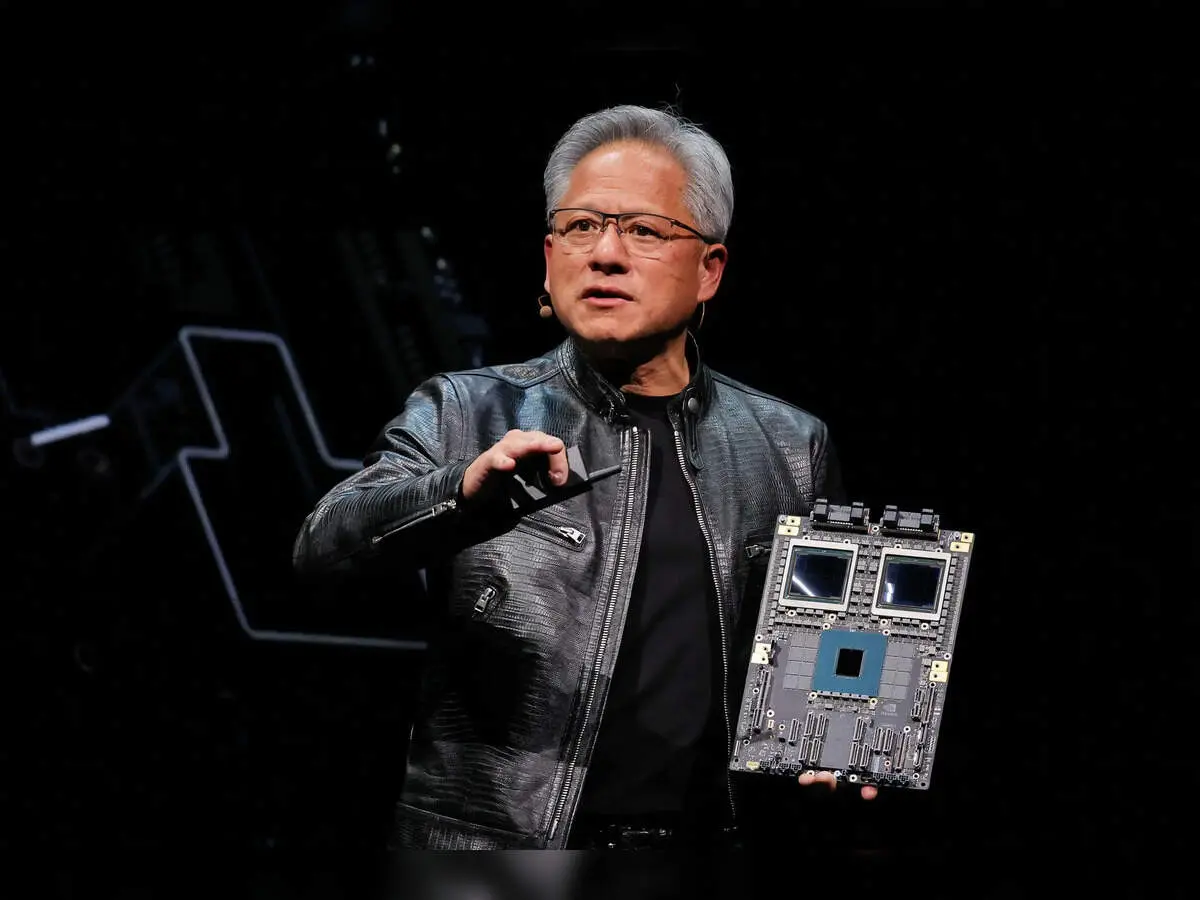
Source: ET
"Currently, we are not planning to ship anything to China," Huang said during his visit to Taiwan for TSMC's sports day event
4
. He emphasized that the decision ultimately rests with Chinese authorities, adding, "It's up to China when they would like Nvidia products to go back to serve the Chinese market. I look forward to them changing their policy."U.S. Export Controls Remain Firm
The Trump administration has maintained strict export controls on Nvidia's most advanced AI chips, citing national security concerns about potential military and industrial advantages for China
2
. President Trump and U.S. Treasury Secretary Scott Bessent have made it clear that Blackwell chips are "reserved for America first," with Bessent hinting that China might only access these chips after they become outdated by a year or two1
.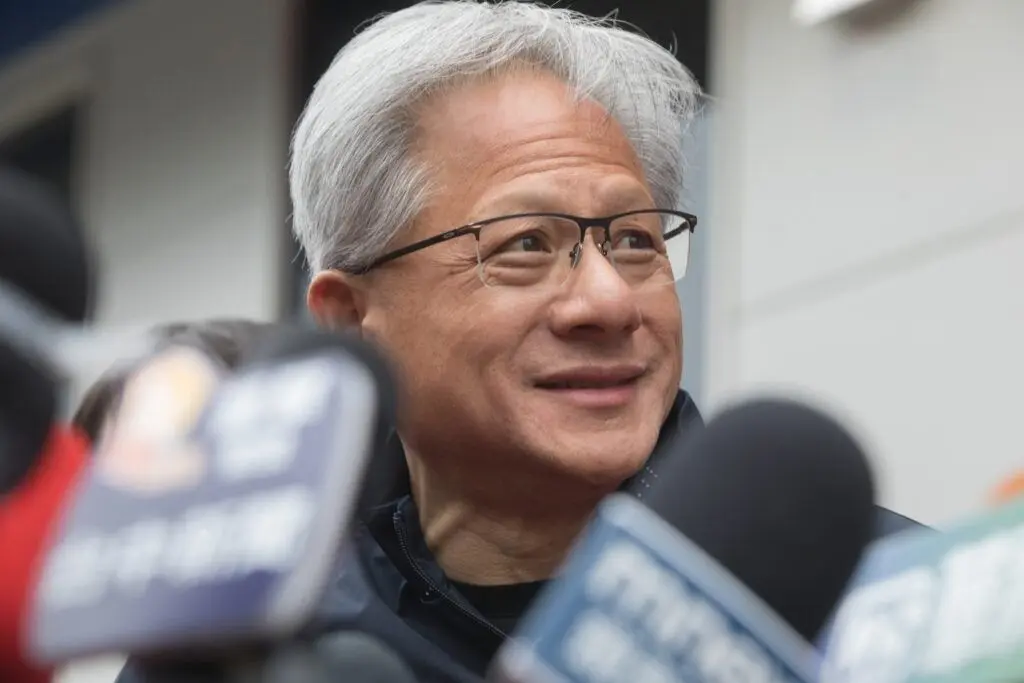
Source: Benzinga
Many had hoped for a breakthrough following speculation about potential discussions between Trump and Chinese President Xi Jinping, but those talks never materialized
2
. Republican senators have praised Trump's decision to maintain these restrictions, viewing them as crucial for ensuring America's leadership in the global AI race.China's Push for Semiconductor Independence
Beyond U.S. restrictions, Beijing has actively moved away from Western AI infrastructure. Chinese officials have reportedly banned state-funded datacenters from deploying foreign AI chips and pressured tech companies to favor domestic alternatives over Western suppliers
2
. This policy shift has effectively left Nvidia with zero market share in China's advanced AI chip market, despite the country representing the world's largest semiconductor market.Huang has repeatedly noted over the past month that "China does not want Nvidia in the country," reflecting Beijing's strategic pivot toward AI independence
4
. The region produces approximately 50% of all AI researchers globally and has developed numerous popular open-source AI models, indicating strong domestic capabilities.Related Stories

Limited Sales Continue Through Restricted Channels
While Blackwell chips remain off-limits, Nvidia can still sell its previous-generation Hopper-based H20 chips in China, which currently represent the top-end AI GPUs available in the Chinese market . Reports suggest a Blackwell-based B30A model may launch soon, though any sales would require Nvidia to share 15% of revenue with the White House after obtaining proper export licenses.
Despite these restrictions, some Blackwell chips still reach China through illicit channels, highlighting the continued demand for advanced AI hardware
1
.Financial Impact and Market Response
The restrictions are unlikely to significantly impact Nvidia's near-term financials, as the company's Q3 forecasts already excluded Chinese sales
2
. However, CFO Colette Kress previously estimated that Chinese market access could have added $2-5 billion to Q3 earnings revenue, representing a substantial opportunity cost.
Source: The Register
Nvidia's stock has remained resilient despite these export restrictions, surging 26.33% over the past year, though it declined 3.65% to close at $188.08 following recent developments
5
. The company is scheduled to hold its Q3 earnings call on November 19, where further details about the impact of Chinese market restrictions may emerge.References
Summarized by

Navi
[2]
[3]
Related Stories
Nvidia loses entire China market as Huawei AI chip sales surge 60% to $12 billion
29 Apr 2026•Business and Economy
Nvidia Set to Resume AI Chip Sales to China Amid Regulatory Shifts
10 Jul 2025•Technology
China blocks Nvidia H200 purchases despite US approval, pushing domestic chip development
12 May 2026•Policy and Regulation
Recent Highlights



Recent Highlights
Today's Top Stories








Don’t drown in AI news. We cut through the noise - filtering, ranking and summarizing the most important AI news, breakthroughs and research daily. Follow topics that matter to you and stay ahead.


