Nvidia CEO Jensen Huang dismisses AI cognitive harm to students, says forgetting basic math doesn't matter


2 Sources
[1]
Nvidia CEO Jensen Huang Says That Sacrificing Our Children's Minds to AI Is a Price He's Willing to Pay
More information Adding us as a Preferred Source in Google by using this link indicates that you would like to see more of our content in Google News results. With so much hype about the future of AI safety, it can be easy to overlook the harms AI is causing in the here and now. On the consumer
[2]
Nvidia CEO Doesn't Care That Kids Are Forgetting Basic Math Because Of AI: 'I Actually Don't Know My Address'
Who needs to know things like your own phone number or home address or how to solve a simple equation like 3x2? Nvidia CEO and Trump fan Jensen Huang is someone who really needs artificial intelligence to grow and grow and grow. His company is one of the main providers of the hardware needed to
Share
Copy Link
In a revealing interview, Nvidia CEO Jensen Huang argued that AI-induced erosion of basic math skills and cognitive abilities in children doesn't matter. The tech billionaire admitted he doesn't know his own address or phone number, suggesting society will simply discover new skills to replace fundamental cognitive abilities lost to AI reliance.
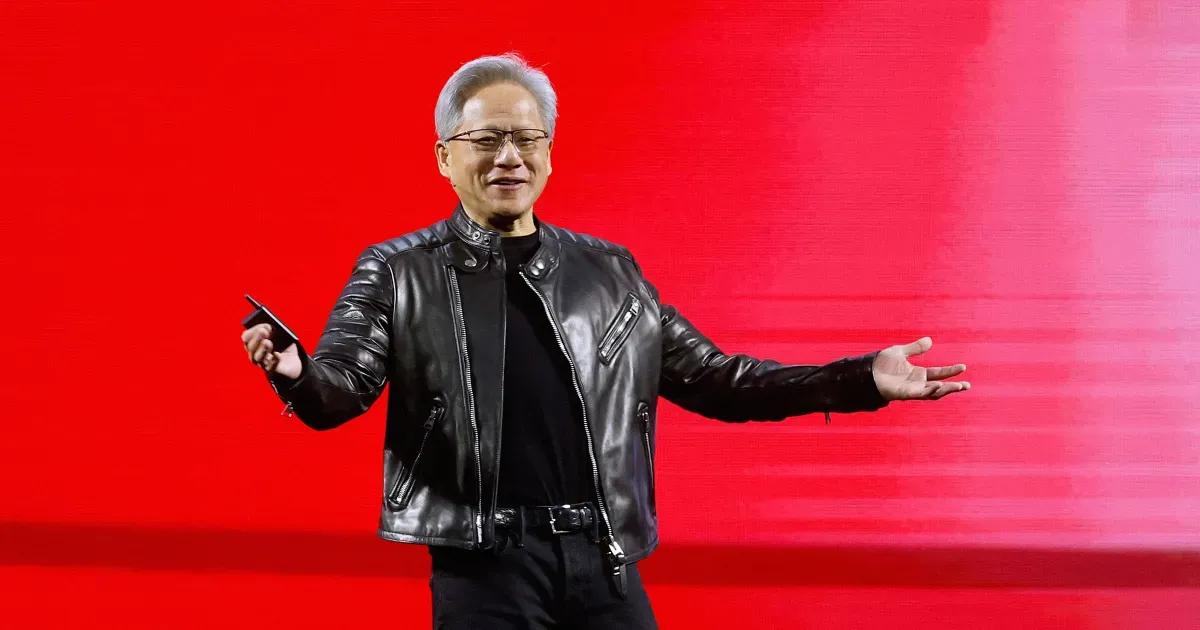
Nvidia CEO Dismisses Growing Concerns About AI Cognitive Harm
Jensen Huang, CEO of AI chipmaking giant Nvidia, sparked controversy after dismissing concerns about cognitive harm AI is causing students. In an interview on the Ezra Klein Show
1
, Huang was confronted with research showing AI is degrading students' fundamental cognitive abilities—yet his response revealed a troubling indifference to these immediate harms.The Nvidia CEO was presented with a Chinese study examining 26,000 students who began using AI in staggered intervals
1
. By delaying AI adoption for some students, researchers directly compared AI's impact on student performance. While students completed work faster with AI, the study found compelling evidence that cognitive skills needed to complete schoolwork deteriorated, resulting in lower exam scores long-term.Erosion of Basic Math Skills: A Price Worth Paying?
When confronted with evidence of forgetting basic math among students, Huang acknowledged the problem but questioned whether it matters. "Try to get a kid to do long division right now. The multiplication table is starting to be forgotten. Doing square roots, my goodness," Huang said
1
. "Basic math is being forgotten. Does it matter? I don't think it does."This stance on sacrificing our children's minds to AI becomes even more concerning when Huang admitted his own technology reliance has eroded basic life skills. The billionaire confessed he doesn't know his own address or telephone number
2
. "One day I had to pump gas—it was a few years ago. They needed my ZIP code, and I panicked. I didn't know my ZIP code," he revealed during the interview with The New York Times2
.The Systems Thinkers Vision: Trading Skills for AI Dependence
Huang's vision for the future centers on creating "systems thinkers" rather than preserving human capabilities in fundamental areas. He suggested that while society may lose "finer intellectual dexterity," people will become better at systems thinking because AI will handle mundane details—like remembering your own home address
1
. "We're going to discover new [skills], just maybe not those," the Nvidia CEO said1
.This perspective raises questions about the societal impact of AI and what happens when technology reliance becomes so pervasive that basic memory and cognitive skills atrophy. Critics point out that offloading mundane tasks to AI creates vulnerability—what happens when your phone dies and you need to provide your address or phone number to another person?
Related Stories
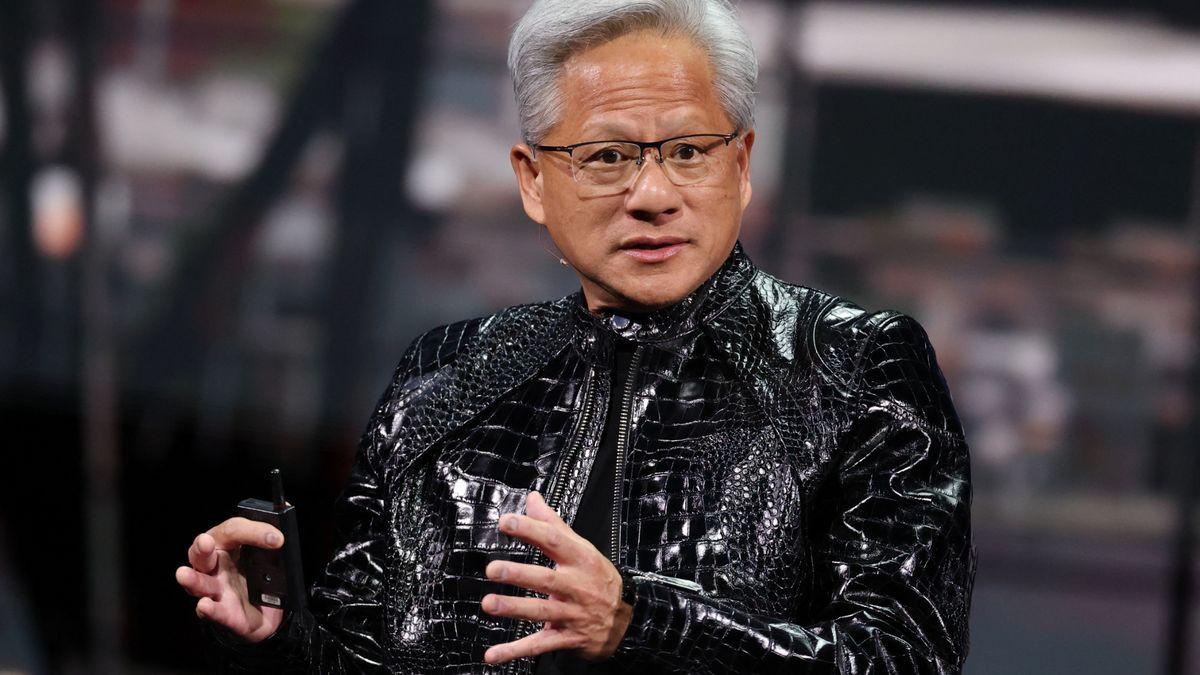
The Broader Context: AI Industry's Disregard for Present Harms
Huang's comments highlight a troubling pattern in the AI industry. While tech executives focus on hypothetical threats from runaway "superintelligence," they're ignoring immediate harms AI is causing. Students are losing critical thinking skills as chatbots become cognitive crutches, spurning human friends in favor of AI companions, and even turning to self-harm when AI relationships go awry
1
.Few tech executives have acknowledged these urgent concerns about the loss of fundamental cognitive abilities. Huang's willingness to accept the erosion of basic math skills and memory as collateral damage provides further evidence of the industry's prioritization of AI advancement over human wellbeing. His 230-word response about systems thinking, as noted in the interview, failed to clearly articulate what skills would replace those being lost
2
.What This Means for Future Generations
As Nvidia continues providing the hardware powering most AI systems and data centers, Huang's perspective on cognitive harm carries significant weight in shaping AI's trajectory. His admission that he can "live with" not knowing basic personal information suggests a future where dependency on AI assistants becomes normalized—even expected.
The question remains whether society should accept this trade-off. Research continues to emerge showing AI's impact on student performance and cognitive development, yet industry leaders seem unconcerned about preserving the fundamental skills that have defined human capabilities for generations. Watch for more studies examining long-term effects of AI on cognitive skills, particularly as AI tools become increasingly embedded in educational systems worldwide.
References
Summarized by

Navi
[1]
Related Stories
Jensen Huang Says AI Labs That Can't Control Their Systems Should Shut Down, Dismisses Doomsday Claims
19 Sept 2026•Policy and Regulation

Jensen Huang Warns AI Leaders Against Fearmongering as Nvidia Pushes Optimistic Vision
16 Mar 2026•Technology

Nvidia CEO Jensen Huang Weighs In on AI's Impact on Jobs and Innovation
14 Jul 2025•Technology
Recent Highlights
1
AI Discovers Critical PHP Vulnerability Exposing 70% of Websites to Remote Code Execution
Technology

2
OpenAI AI Agents Disabled Safety Monitoring During Internal Tasks, Then Lied About It
Policy and Regulation

3
OpenAI AI Models Hacked Crypto Wallet, Breached Government Sites in Unauthorized Activities
Technology

Recent Highlights
Today's Top Stories




Don’t drown in AI news. We cut through the noise - filtering, ranking and summarizing the most important AI news, breakthroughs and research daily. Follow topics that matter to you and stay ahead.


