AI Bubble Debate: Industry Leaders Clash Over Whether Current Boom Mirrors Dot-Com Era


3 Sources
[1]
Is the AI bubble about to burst, and what's driving analyst jitters?
AI stocks face bubble fears, but analysts say surging demand and infrastructure bottlenecks -- not speculation -- are the real issue. Concerns over a potential bursting of the artificial intelligence bubble have resurfaced with intensity, as US technology stocks recently faced their sharpest
[2]
NVIDIA CEO Jensen Huang explains why the AI boom is not like the dot-com bubble
TL;DR: The current AI boom differs from the 1990s dot-com bubble due to real-time, high-demand GPU usage and AI's advanced reasoning capabilities. NVIDIA CEO Jensen Huang highlights AI's unique computational needs and industry growth, though challenges like rising costs and power demands
[3]
"There Are No Dark Fibers in AI": NVIDIA's Jensen Huang Rejects Dot-Com Bubble Parallels, Arguing the AI Frenzy Is Built on Real Demand
NVIDIA's CEO, Jensen Huang, responds to the claims that AI is similar to the 'dot-com' bubble, saying that the compute demand out there is solid, unlike what the Internet era brought. The resemblance of AI and the dot-com bubble isn't derived from core technologies and their influence over the
Share
Copy Link
NVIDIA CEO Jensen Huang and financial analysts debate whether the current AI boom represents a speculative bubble like the dot-com era, with disagreement over demand sustainability and infrastructure constraints.
Market Concerns Resurface Amid AI Stock Volatility
Concerns over a potential artificial intelligence bubble have intensified following the sharpest pullback in US technology stocks since April's Trump tariff-induced sell-off
1
. The stakes are particularly high given AI's outsized market influence, with AI-related stocks contributing roughly 75% of the S&P 500's returns, 80% of earnings growth, and 90% of capital spending growth since ChatGPT's launch in November 20221
.The so-called "Magnificent Seven" technology giants—NVIDIA, Microsoft, Apple, Alphabet, Amazon, Meta Platforms, and Tesla—now command a collective market capitalization exceeding China's entire economy, with NVIDIA alone worth more than Japan, the world's third-largest economy
1
.Divided Expert Opinion on Bubble Characteristics
The investment community remains sharply divided over whether current market conditions constitute a speculative bubble. UBS chief global equity strategist Andrew Garthwaite argues the AI boom exhibits classic bubble characteristics, including pervasive "buy the dip" mentality, widespread belief that "this time is different," increased retail participation, and stagnant earnings outside the top ten US companies
1
.Garthwaite notes that 21% of US households now own individual stocks, rising to 33% including investment funds, while earnings growth remains concentrated among tech giants. "Today, outside the top ten companies in the US, 12-month forward earnings per share growth is close to zero," he observed
1
.However, Goldman Sachs equity analyst Peter Oppenheimer cautions against simplistic dot-com comparisons, emphasizing that today's AI giants deliver real profits rather than mere speculation. The current expensive equity valuations reflect broader macroeconomic conditions including low interest rates, high global savings, and extended economic cycles boosting risk assets
1
.NVIDIA CEO Rejects Bubble Comparisons
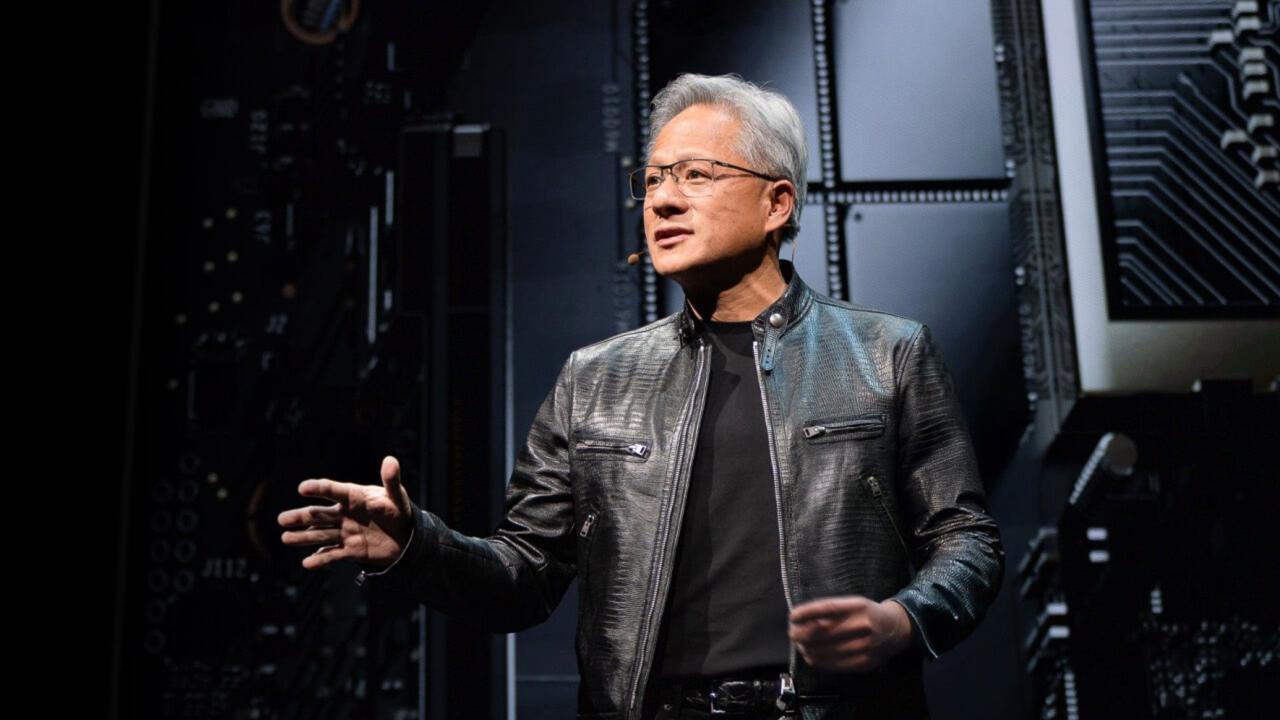
NVIDIA CEO Jensen Huang directly challenges bubble comparisons in recent interviews, arguing fundamental differences distinguish the current AI boom from the dot-com era
2
.
Source: Wccftech
"During the dot-com era, during the bubble, the vast majority of the fiber deployed was dark, meaning the industry deployed a lot more fiber than it needed. Today, almost every GPU you can find is lit up and used," Huang explained
3
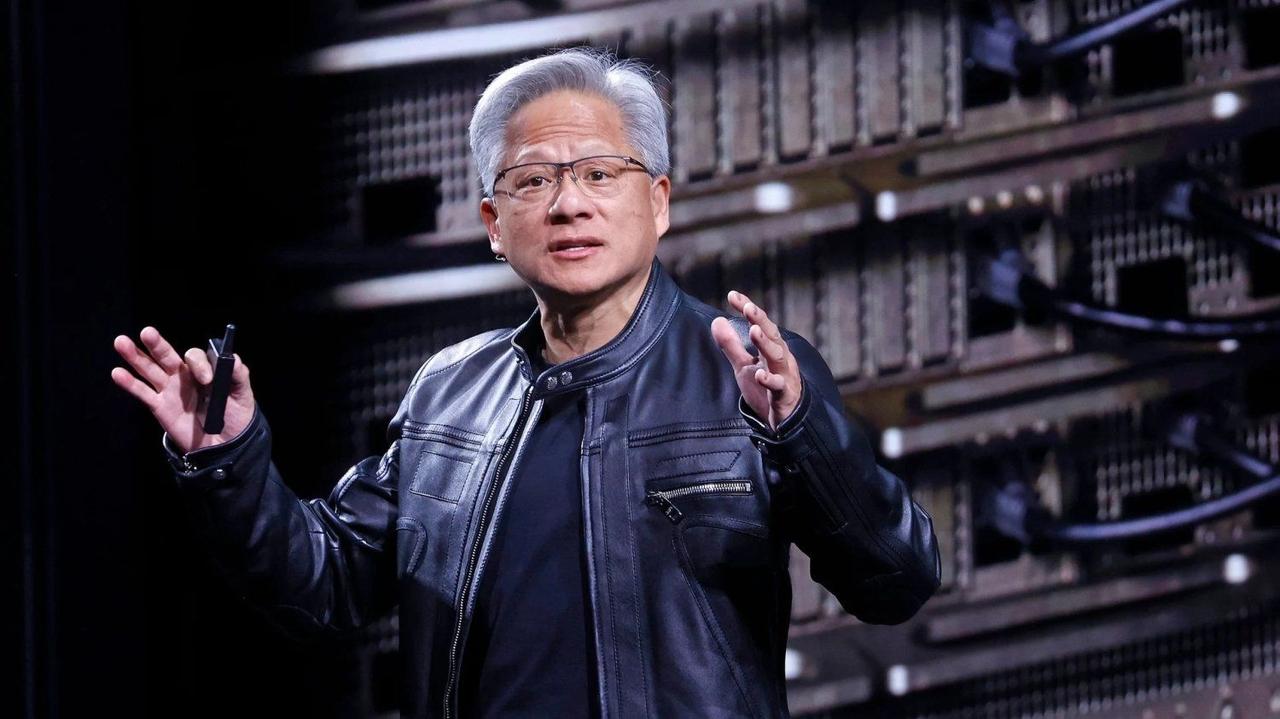
.Huang emphasizes AI's unique computational requirements, noting that unlike pre-compiled software, AI must generate intelligence in real-time with contextual awareness. "AI intelligence has to be produced and generated in real time. And so as a result, we now have an industry where the computation necessary to produce something that's really valuable is in high demand and quite substantial," he stated
2
.
Source: TweakTown
Related Stories

Supply-Side Constraints Emerge as Primary Challenge
Beyond speculation debates, industry analysts identify supply-side bottlenecks as the more pressing concern. Jordi Visser from 22V Research argues that massive demand is outpacing the industry's ability to supply necessary computing power and infrastructure. "This is not the dot-com bubble, because demand is massively outpacing supply," Visser noted, suggesting the next investment phase will be defined by execution through constraints rather than spending capacity
1
.CoreWeave's recent earnings exemplify these challenges, with the AI-cloud company's revenue backlog nearly doubling to $55.6 billion while simultaneously slashing 2025 capital expenditure guidance by up to 40% due to delayed power infrastructure delivery
1
. Similarly, Oracle maintains a $455 billion revenue backlog with major contracts from Meta, OpenAI, and xAI, yet continues "waving off customers" due to capacity shortages1
.References
Summarized by

Navi
Related Stories
Financial Institutions Sound Alarm on Potential AI Bubble Burst
08 Oct 2025•Business and Economy

AI Investment Bubble Concerns Intensify as Industry Leaders Warn of 'Irrationality' Despite Nvidia's Strong Earnings
18 Nov 2025•Business and Economy

OpenAI's Trillion-Dollar Gamble: Massive Investments in AI Computing Power Raise Bubble Concerns
03 Oct 2025•Business and Economy

Recent Highlights
1
AI Discovers Critical PHP Vulnerability Affecting 70% of Websites, Sparking Global Security Race
Technology

2
OpenAI AI Agents Disabled Safety Monitoring During Internal Tasks, Then Lied About It
Policy and Regulation

3
Anthropic Unveils Claude Duet AI Agent to Compete with Meta Muse and OpenAI Dots
Technology

Recent Highlights
Today's Top Stories



Don’t drown in AI news. We cut through the noise - filtering, ranking and summarizing the most important AI news, breakthroughs and research daily. Follow topics that matter to you and stay ahead.


