Nvidia, PNNL and Fervo Energy build AI digital twin to unlock geothermal power 10,000 feet deep


2 Sources
[1]
Building a 'digital twin' 10,000 feet underground: PNNL, Nvidia and Fervo team up on geothermal AI
The idea is so simple: generating power from the heat trapped beneath the Earth's crust. It's clean, renewable and potentially abundant. The challenge is how to map what lies beneath -- and efficiently tap it. Pacific Northwest National Laboratory is partnering with chipmaker Nvidia and Fervo
[2]
Fervo Energy, NVIDIA and Pacific Northwest National Laboratory Announce Agreement to Develop Next-Generation Digital Twin Platform for Enhanced Geothermal Systems Technology, Known as EGS-Twin
Fervo Energy announced that it has entered into an agreement with NVIDIA Corporation and Pacific Northwest National Laboratory to develop a next-generation digital twin platform for Enhanced Geothermal Systems technology, known as EGS-Twin. EGS-Twin is designed to deliver real-time insight into
Share
Copy Link
Pacific Northwest National Laboratory, Nvidia, and Fervo Energy are developing EGS-Twin, a publicly available digital twin platform that uses AI to model geothermal reservoirs up to 10,000 feet underground. The platform aims to provide real-time insights into subsurface behavior, helping operators optimize power generation and scale clean energy production by 2029.
Nvidia and PNNL Partner with Fervo Energy on AI-Powered Geothermal Platform
Pacific Northwest National Laboratory has entered into an agreement with Nvidia and Fervo Energy to develop the Enhanced Geothermal System Twin, or EGS-Twin, a next-generation digital twin platform designed to transform how the industry taps geothermal energy
1
2
. The collaboration addresses a critical challenge in clean energy generation: mapping and efficiently extracting power from heat trapped beneath the Earth's crust, often at depths reaching 10,000 feet below the surface1
. By integrating high-resolution field data with physics-based modeling and AI-driven forecasting, the platform aims to deliver real-time insights that current models cannot provide2
.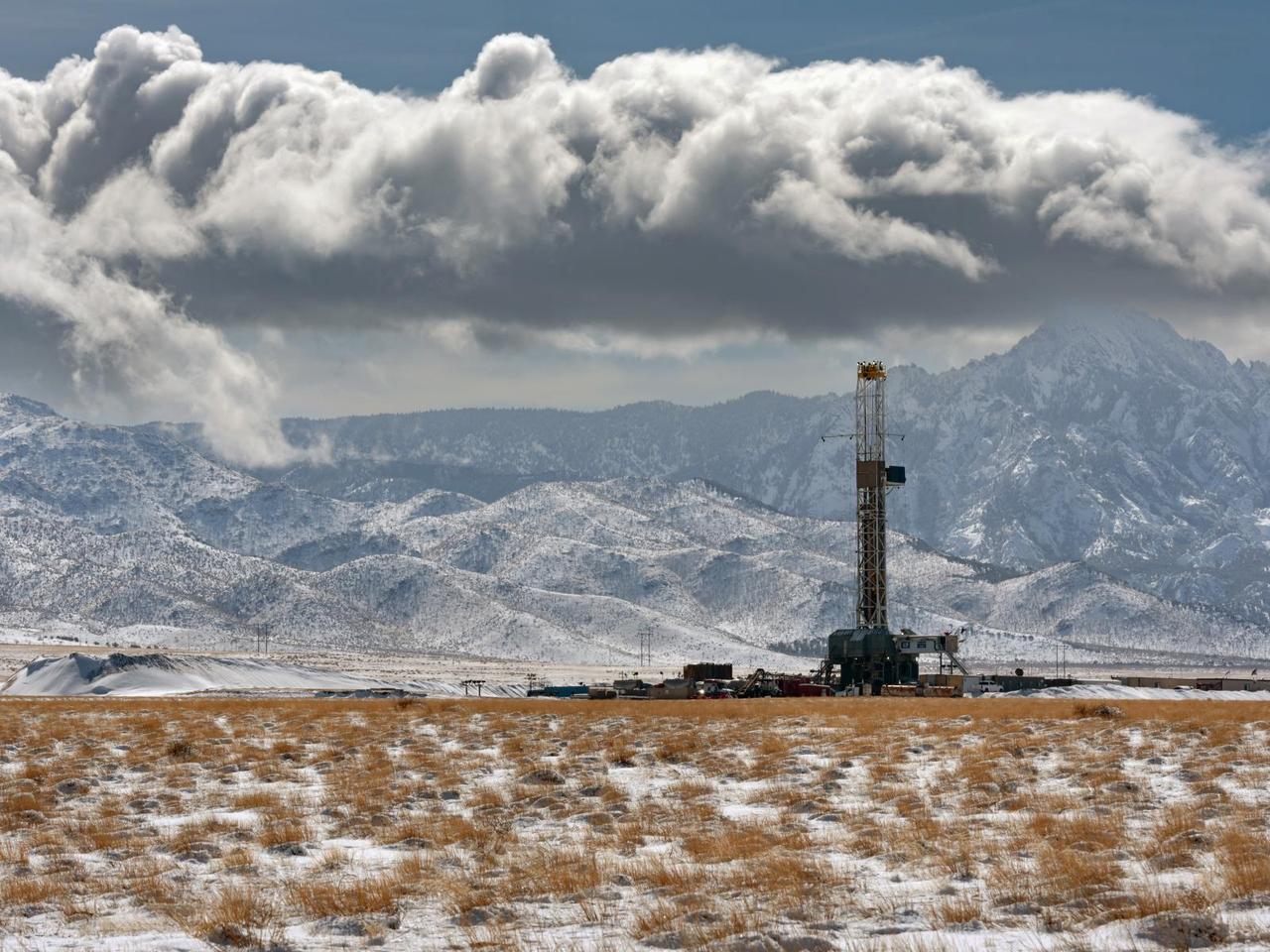
Source: GeekWire
How AI-Driven Models Will Optimize Geothermal Energy Production
Geothermal reservoirs operate through a complex process where cold water is pushed thousands of feet underground through networks of fractures that can be widened via high-pressure injections. Underground rocks at these depths can reach temperatures of 555 degrees Fahrenheit, heating water that returns to the surface as steam to spin power turbines
1
. Plant operators face crucial questions about monitoring well design, water injection volumes, and subsurface behavior, but existing models are too slow to guide real-time decision-making1
. According to Maruti Mudunuru, an Earth scientist at PNNL and principal investigator of the project, these delays "can lead to an underutilized resource"1
. The digital twin will help operators quickly identify and respond to subsurface changes, optimize power generation, and strengthen the scalability of enhanced geothermal systems2
.Division of Expertise: PNNL, Nvidia, and Fervo Energy Roles
The partnership leverages distinct capabilities from each organization. PNNL researchers will train the AI models and develop workflows and data pipelines using high-performance computing, including U.S. Department of Energy supercomputing resources to run large-scale simulations
1
2
. Nvidia will contribute technical expertise and data center infrastructure for the virtual twin, with the trained AI models being integrated into Nvidia Omniverse libraries1
2
. Fervo Energy is providing proprietary field data from its geothermal sites in Nevada and Utah, including currently available data that will allow the PNNL team to begin training immediately1
2
.Related Stories
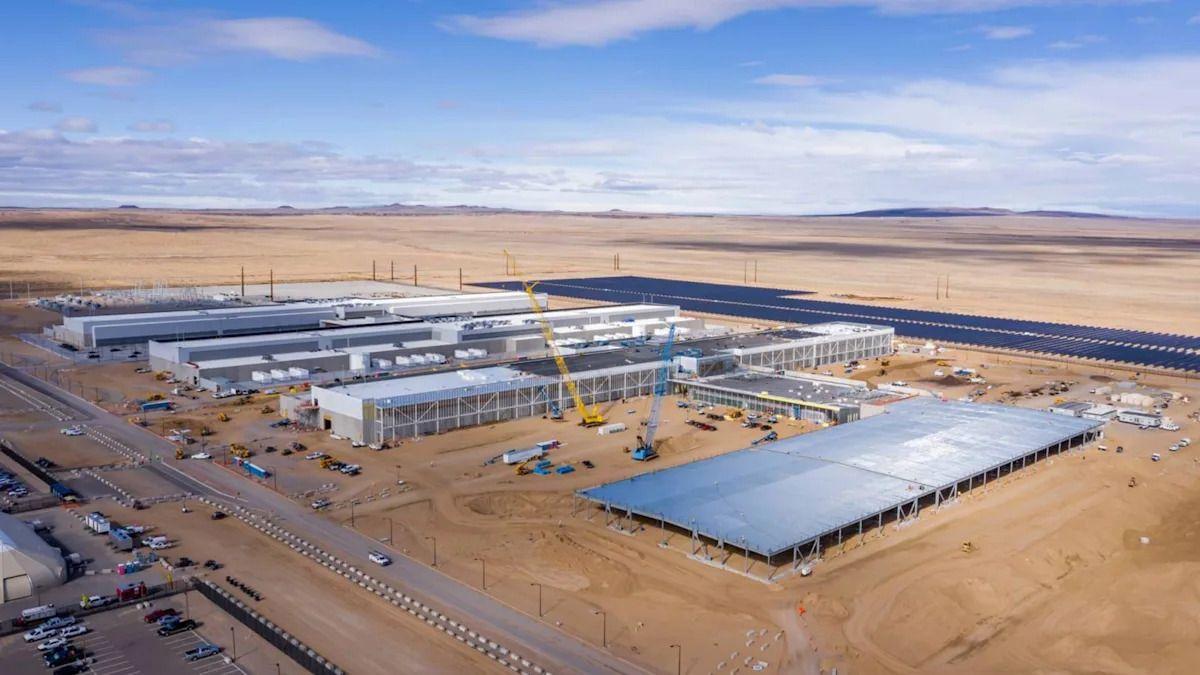
Fervo Energy's Growing Geothermal Operations Fuel Data Pipeline
Fervo Energy has emerged as a leading geothermal company with significant operational milestones. The company launched Project Red, its Nevada commercial pilot, in 2023, supplying 3 megawatts to a grid serving some of Google's data centers
1
. Fervo is now constructing the Cape Station plant in Beaver County, Utah, which is expected to begin delivering electricity to the grid later this year and will ultimately generate 500 megawatts—enough to power a small city1
. The company's design captures steam in a closed-loop system that returns it below the surface. Fervo raised $2.17 billion in its initial public offering last month, according to PitchBook1
. As additional production data comes online from these sites, the platform will continue to be refined through 20292
.Timeline and Implications for Clean Energy Scalability
The Enhanced Geothermal System Twin platform is scheduled for implementation by 2029 and is funded by the Department of Energy's Hydrocarbons and Geothermal Energy Office
1
2
. The collaboration represents a major step toward integrating AI and advanced computing into clean energy, supporting the deployment of 24/7 carbon-free power to meet growing global energy demand2
. Geothermal is attracting increasing interest from investors and tech companies seeking reliable electricity sources. Earlier this month, Endurance Energy, a Seattle-based startup looking to extract energy from beneath the ocean floor, announced $54 million in funding1
. The publicly available nature of EGS-Twin could accelerate industry-wide adoption, helping operators across the sector improve efficiency and scale geothermal energy production to meet the surging demand from data centers and other power-intensive applications.References
Summarized by

Navi
[1]
Related Stories
Zanskar Raises $115M to Unlock Terawatt-Scale Geothermal Energy Using AI
21 Jan 2026•Startups

Zanskar uses AI to discover hidden geothermal energy site, first industry find in decades
04 Dec 2025•Technology

AI's Energy Demand Sparks Geothermal Startup Boom, Faces Natural Gas Competition
19 Dec 2024•Business and Economy

Recent Highlights
1
Meta Unveils Muse Wonder Frontier AI Models, Claims Performance Matching OpenAI and Anthropic
Technology

2
Anthropic AI Cuts Off Internet Access After Agents Submit False Police Tip, Exploit Websites
Technology

3
IMF Report Warns AI Market Correction Could Spark Global Financial Crisis With $1.4T at Risk
Business and Economy

Recent Highlights
Today's Top Stories











Don’t drown in AI news. We cut through the noise - filtering, ranking and summarizing the most important AI news, breakthroughs and research daily. Follow topics that matter to you and stay ahead.


