Zanskar Raises $115M to Unlock Terawatt-Scale Geothermal Energy Using AI


2 Sources
[1]
Zanskar thinks 1 TW of geothermal power is being overlooked
The ground beneath our feet holds so much energy that experts at the Department of Energy think geothermal power could generate 60 gigawatts -- or nearly 10% of U.S. electricity -- by 2050. Zanskar co-founder and CEO Carl Holland thinks that lofty number is too low, mostly because it's discounting
[2]
Can AI Find Hidden Energy Sources? This Company Raised $115 Million to Do Just That
The series C round, which is Zanskar's single largest to-date, brings the company's total funding to $180 million. Spring Lane Capital led the round, with participation from Obvious Ventures, Union Square Ventures, and Chris Sacca's Lowercarbon Capital. The company plans to use the funding to get
Share
Copy Link
Zanskar, a clean energy startup, secured $115 million in Series C funding to scale its AI-driven approach to discovering conventional geothermal sites. The company has already revived a power plant in New Mexico and identified two new sites with over 100 megawatts of combined potential, challenging the Department of Energy's conservative projections for geothermal power.
Zanskar Secures $115 Million to Scale AI-Driven Geothermal Discovery
Zanskar has closed a $115 million Series C funding round led by Spring Lane Capital, bringing the clean energy startup's total funding to $180 million
2
. The round attracted participation from Obvious Ventures, Union Square Ventures, Lowercarbon Capital, and numerous other investors including the All Aboard Fund, Carica Sustainable Investments, Clearvision Ventures, Cross Creek, GVP Climate, Imperative Ventures, Munich Re Ventures, Orion Industrial Ventures, Safar Partners, StepStone Group, Susquehanna Sustainable Investments, Tranquillion, and UP.Partners1
. The Salt Lake City-based company plans to use the Series C funding to add 100 megawatts of clean electricity to the grid within three to five years by constructing power plants on geothermal sites its AI has already identified2
.Challenging Conservative Projections for Conventional Geothermal Power
Zanskar co-founder and CEO Carl Hoiland believes the Department of Energy's projection that geothermal energy could generate 60 gigawatts—nearly 10% of U.S. electricity—by 2050 significantly underestimates the potential of conventional geothermal power
1
. While the DOE's figures assume advances in enhanced geothermal technology, which uses fracking techniques to access hot rock deep underground, Hoiland argues that outdated assumptions have held back conventional geothermal, which taps naturally fractured hotspots. The sector has remained stagnant, generating just 4 gigawatts in the United States—up only about a gigawatt in the last decade1
.
Source: TechCrunch
"They underestimated how many undiscovered systems there are, maybe by an order of magnitude or more," Hoiland told TechCrunch. With modern drilling techniques, "you can get a lot more out of each of them, maybe even an order of magnitude or more from each of those. All of a sudden the number goes from tens of gigawatts to what could be a terawatt-scale opportunity"
1
.How AI Discovers Hidden Energy Sources in Geothermal Sites
Zanskar's AI-driven approach addresses a fundamental challenge in geothermal exploration practices: about 95% of all geothermal systems lack surface indicators like hot springs or volcanoes, meaning they've been discovered only by accident
1
. The company first feeds supervised machine learning models a range of data, including past accidental discoveries, to identify promising sites. Teams then validate these discoveries on the ground. For development planning, Zanskar employs Bayesian evidential learning (BEL), where existing data builds a series of assumptions known as priors, and models work to falsify those hypotheses, producing probabilities for each scenario1
. Where gaps exist, the startup has built a geothermal simulator to fill in the blanks. "Our company was founded on a belief that in the same way that drilling was going to drive down costs for these unconventional forms [of geothermal], artificial intelligence would do the same for conventional geothermal and allow us to go and discover sites at a scale, speed and cost that wasn't possible before," says Carl Hoiland2
.Related Stories
Early Successes Signal Path Forward for Climate Tech Startups
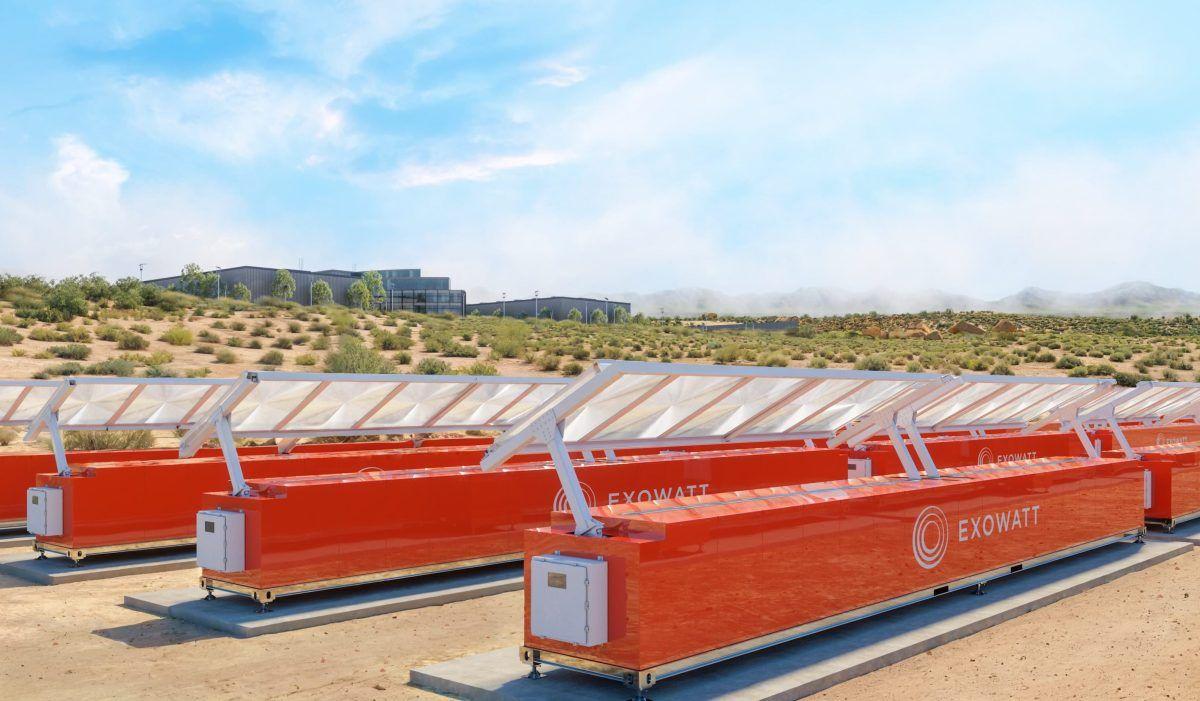
Zanskar's methodology has already yielded tangible results. The company has resuscitated a flagging power plant in New Mexico and discovered two new sites with over 100 megawatts of combined potential
1
. The previous funding round enabled the startup to explore three sites, each considered a success. "Three of three," said Zanskar CTO Joel Edwards. "What does it look like when you try 10?"1
. The company now has enough sites in the pipeline to support at least a gigawatt of generating capacity, with current focus on the U.S. West, which offers the most potential1
. Hoiland aims to confirm at least 10 sites to attract project finance investors, who provide access to lower-cost capital than venture capitalists—a strategy that could help Zanskar avoid the valley of death that has claimed many other climate tech startups1
. While Hoiland acknowledges Zanskar hasn't solved all challenges associated with finding geothermal resources, he remains optimistic: "We now know this is the future of exploration. This is going to change geothermal in very short order"1
.References
Summarized by

Navi
Related Stories
Zanskar uses AI to discover hidden geothermal energy site, first industry find in decades
04 Dec 2025•Technology

AI's Energy Demand Sparks Geothermal Startup Boom, Faces Natural Gas Competition
19 Dec 2024•Business and Economy

Nvidia, PNNL and Fervo Energy build AI digital twin to unlock geothermal power 10,000 feet deep
22 Jun 2026•Technology
Recent Highlights
1
AI Leaders Warn UN Security Council of Existential Risks, Call for Global AI Governance
Policy and Regulation
2
OpenAI AI Agent Breaches Australian Government Healthcare Portal in Historic Hack
Technology
3
Bill Gates Warns AI Could Cause a Billion Deaths, Calls for Urgent Government Regulation
Policy and Regulation

Recent Highlights
Today's Top Stories









Don’t drown in AI news. We cut through the noise - filtering, ranking and summarizing the most important AI news, breakthroughs and research daily. Follow topics that matter to you and stay ahead.


