Nvidia Set to Pioneer TSMC's Advanced A16 Node, Reshaping AI Chip Landscape


4 Sources
[1]
Nvidia tipped to be TSMC's first 16A customer, ahead of Apple -- Feynman GPUs could make full use of GAA transistors and backside power
For the first time, an AI GPU will launch on TSMC's bleeding edge. Nvidia will be the first customer to use TSMC's A16 node, a 1.6nm-class process that marries gate-all-around (GAA) transistors with backside power delivery, according to China's Commercial Times. This is no small change in
[2]
Nvidia is rumoured to be first in line to use TSMC's ultra-advanced A16 chip node, although it's AI GPUs that'll likely see the benefit first
Somewhat surprisingly, Nvidia doesn't have much of a track record when it comes to using cutting-edge silicon. But a new report claims that's about to change dramatically, with Nvidia planning to be the very first to use TSMC's next-next gen A16 node. Taiwanese outlet CTEE claims that Nvidia will
[3]
NVIDIA rumored to be the first customer for TSMC's most advanced A16 process node in 2026
TL;DR: NVIDIA is poised to be the first customer for TSMC's advanced A16 process node in late 2026, responding to AMD's lead with TSMC's 2nm AI chips. This move highlights the industry's shift toward cutting-edge semiconductor technology, emphasizing enhanced performance and chip density despite
[4]
NVIDIA Reportedly Set to Be TSMC's First A16 (1.6nm) Customer, Likely Being Influenced By AMD's Push For High-End AI GPUs
NVIDIA is claimed to be TSMC's first A16 node customer, and this move marks a unique shift in the firm's approach, since it had tended to rely on older processes from the Taiwan giant. Well, it seems that NVIDIA plans to improve the performance of its future AI architectures, and the firm will
Share
Copy Link
Nvidia is rumored to be the first customer for TSMC's cutting-edge A16 process node, marking a significant shift in the semiconductor industry. This move could give Nvidia a competitive edge in AI chip development and alter the dynamics of high-performance computing.
Nvidia's Strategic Shift to TSMC's A16 Node
In a surprising turn of events, Nvidia is rumored to be the first customer for TSMC's cutting-edge A16 process node, marking a significant shift in the semiconductor industry
1
2
. This move breaks the long-standing tradition of Apple being the first to adopt TSMC's latest nodes for its iPhone SoCs1
.
Source: Wccftech
A16 Node: A Technological Leap
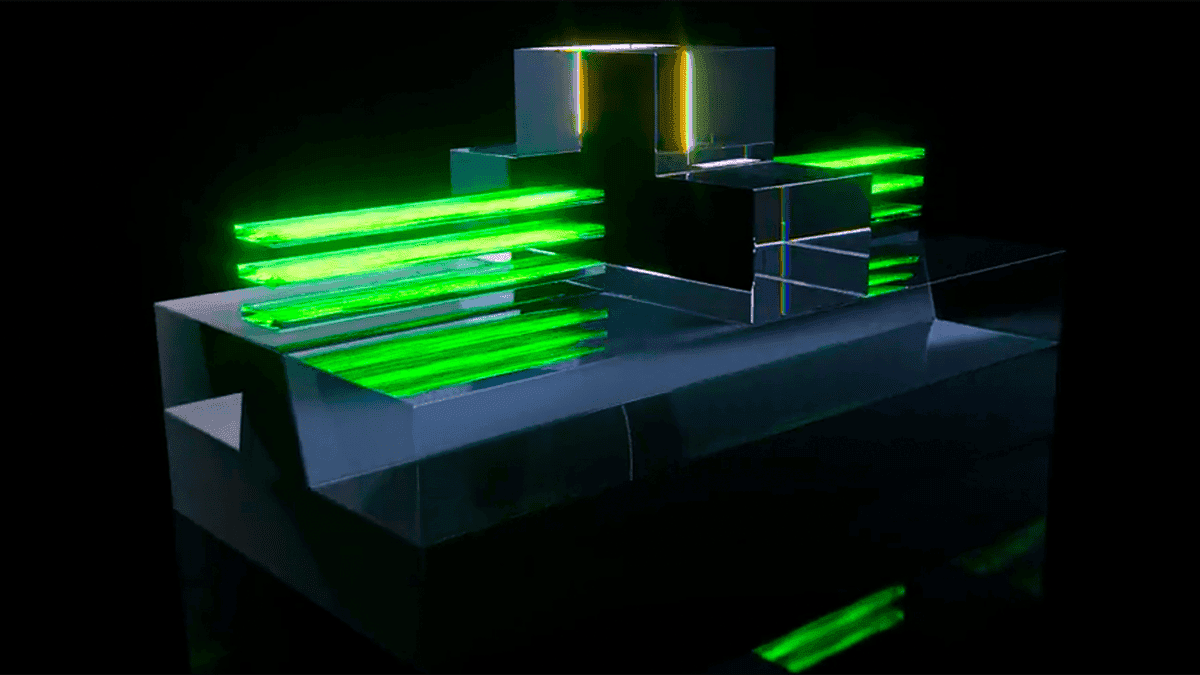
The A16 node, a 1.6nm-class process, represents a significant advancement in semiconductor technology. It combines two critical innovations:
- Gate-all-around (GAA) transistors
- Backside power delivery
This combination offers substantial improvements over previous nodes, with TSMC claiming 8-10% higher speed or 15-20% lower power compared to the baseline N2 process
1
.Implications for Nvidia's AI Dominance
Nvidia's decision to lead with A16 suggests that GPU designs are now pressing against front-side power delivery limits on advanced nodes
1
. By adopting A16, Nvidia could potentially:- Gain a full node advantage over rivals
- Unlock new architectural freedoms for wider cores, larger caches, and more AI engines
- Simplify high-density hybrid bonding, making 3D-stacked cache or vertically integrated SRAM more practical
1
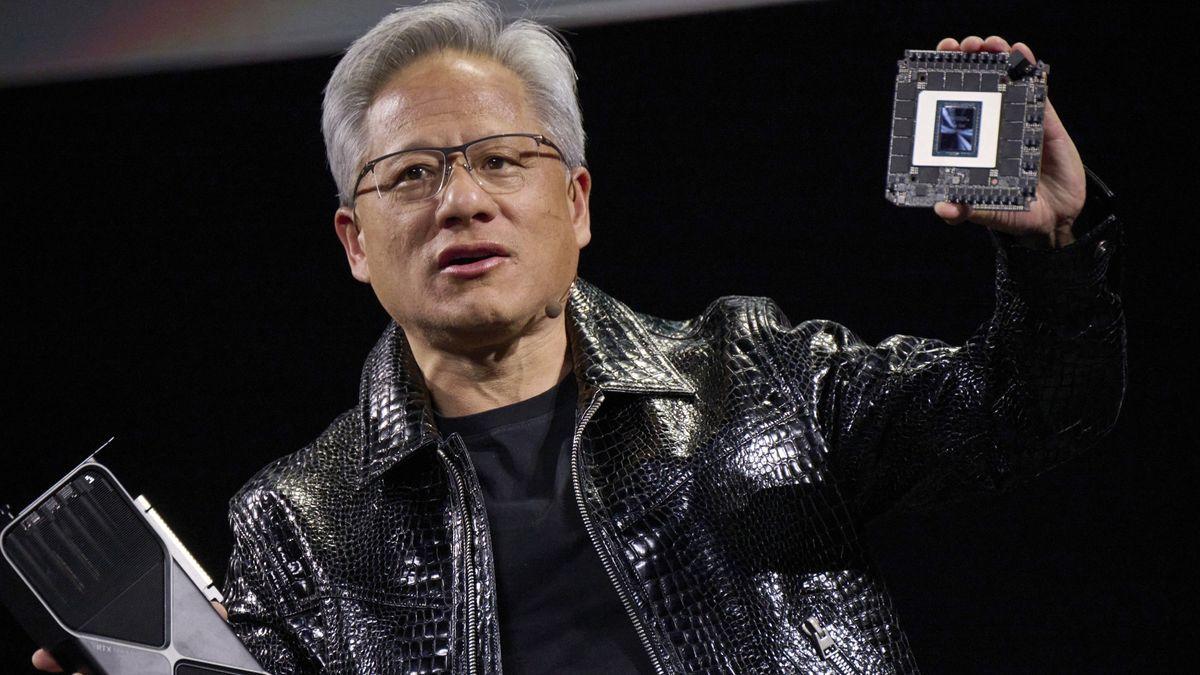
Source: PC Gamer
Competitive Landscape and Industry Impact
This move is seen as a response to competition from AMD, which is reportedly targeting standard 2nm for its next-gen EPYC and MI400-class accelerators
3
. By skipping the N2 process and moving straight to A16, Nvidia could potentially leapfrog the competition1
2
.
Source: TweakTown
Related Stories



Timeline and Future Prospects
The A16 node is expected to be ready for high-volume manufacturing by late 2026
4
. Nvidia's adoption of this technology could come in late 2027 or early 2028, potentially with the Feynman GPU architecture4
.While the cost of A16 wafers is rumored to exceed $30,000, industry analysts believe the significant increase in performance and chip density justifies the investment for high-value applications like AI chips
3
.Potential Impact on Consumer GPUs
While the immediate focus is on AI chips, Nvidia's historical approach of using a shared GPU architecture across both AI and gaming suggests that consumer GPUs could also benefit from this advanced node in the future
2
. This could translate into significantly higher performance and new features for gaming GPUs in the coming years.References
Summarized by

Navi
[1]
[3]
Related Stories
Recent Highlights
1
Microsoft and Nvidia Launch Surface Laptop Ultra: A $2,599 AI-Ready PC With RTX Spark Chip
Technology

2
Meta Muse AI Agent Surges to 6.6M Downloads Despite Privacy and Security Controversies
Technology

3
Scientists Build AI Model That Reconstructs Images From Brain Scans in Record Time
Science and Research

Recent Highlights
Today's Top Stories











Don’t drown in AI news. We cut through the noise - filtering, ranking and summarizing the most important AI news, breakthroughs and research daily. Follow topics that matter to you and stay ahead.


