TSMC's 3nm Process Set for Massive Adoption by AI Tech Giants


2 Sources
[1]
TSMC 3nm Set To Witness Massive Adoption From AI Tech Giants; NVIDIA Rubin, AMD Instinct MI355X & Intel Falcon Shores
TSMC's 3nm process is set to receive massive adoption in the AI sector, as Intel, NVIDIA, & AMD plan on utilizing the technology in their next-gen accelerators. The Taiwan giant's next node is said to be highly demanding in the markets, mainly because mainstream tech companies have revolved their
[2]
TSMC's 3nm project list grows: AMD MI350 series, NVIDIA Rubin AI GPU, expected in 2H 2025
TSMC's list of 3nm customers is growing, with AI added to the 3nm project list with AMD's upcoming Instinct MI350 AI accelerator series, and NVIDIA's next-gen Rubin R100 AI GPU. In a new report from Ctee citing investment bankers, TSMC will fab the new MI350 series and Rubin R100 series AI chips
Share
Copy Link
TSMC's 3nm process is poised for widespread adoption in the AI sector, with major tech companies like NVIDIA, AMD, and Intel planning to use it in their next-generation AI accelerators.

TSMC's 3nm Process Attracts Major AI Players
Taiwan Semiconductor Manufacturing Company (TSMC) is set to witness significant adoption of its 3nm process technology, particularly in the artificial intelligence (AI) sector. Industry giants NVIDIA, AMD, and Intel are planning to leverage this advanced manufacturing process for their upcoming AI accelerators, signaling a new era in chip production for AI applications
1
2
.Key Players and Their 3nm Plans
AMD
AMD is reportedly planning to use TSMC's 3nm process for its next-generation Instinct MI355X AI accelerator. This chip will be based on the CDNA 4 architecture and is expected to deliver substantial performance improvements in the AI market
1
. The MI350 series, as it's also known, is slated for production in the second half of 20252
.NVIDIA
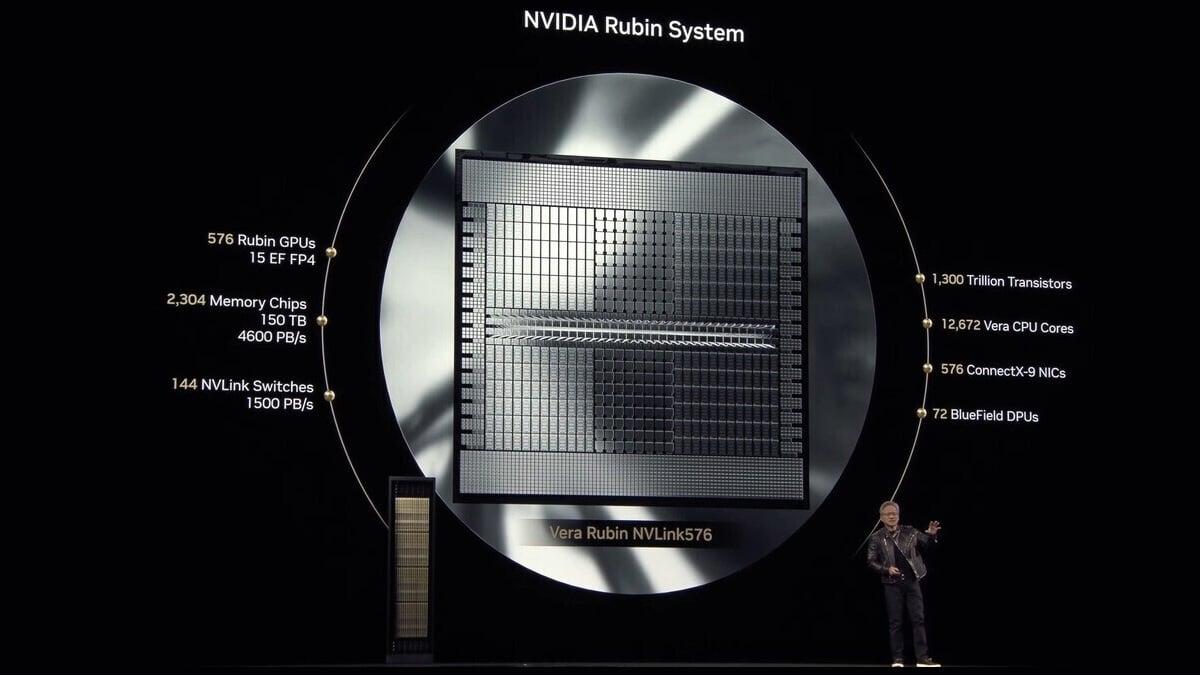
NVIDIA is expected to integrate TSMC's 3nm process and its derivatives into its upcoming "Rubin" architecture, which is projected to debut in 2026
1
. The Rubin R100 AI GPU is part of this next-generation lineup and will reportedly feature future-generation HBM4 memory2
. Additionally, NVIDIA is collaborating with MediaTek on an Arm-based AI PC processor, also to be manufactured on TSMC's 3nm node, with a reveal expected in Q2 2025 and mass production in Q3 20252
.Intel
Intel's highly anticipated Falcon Shores architecture is set to adopt TSMC's 3nm process, marking a significant shift for the company as it moves away from its own foundry services for this product line. This move is seen as crucial for Intel's competitiveness and sustainability in the AI market
1
. Intel's Lunar Lake CPUs are also slated for production on the 3nm node2
.Related Stories
Impact on TSMC and the Industry
The adoption of TSMC's 3nm process by these AI tech giants is expected to generate massive revenue for the Taiwanese manufacturer. The demand extends beyond AI, with companies in mobile and automotive sectors also utilizing the technology
1
. This widespread adoption is likely to stretch TSMC's production capacity, particularly in advanced packaging techniques like CoWoS (Chip on Wafer on Substrate)2
.Advanced Packaging and Future Developments
The shift to more advanced AI chips is driving changes in packaging technology. NVIDIA's Blackwell B200, AMD's Instinct MI300, and Intel's Gaudi 3 AI chips all use CoWoS advanced packaging, which is significantly larger than traditional photomasks. This trend is expected to continue, with package sizes increasing and the number of wafers being cut potentially decreasing
2
.Broader 3nm Adoption
Beyond AI applications, TSMC's 3nm process is also being adopted for various other products. These include Apple's upcoming A19 Pro chip, MediaTek's Dimensity 9400, Google's Tensor G5, and Qualcomm's Snapdragon 8 Gen4 chip
1
2
. This diverse range of applications underscores the versatility and importance of TSMC's 3nm technology in the semiconductor industry.References
Summarized by

Navi
Related Stories
TSMC's 5nm and 3nm Production Lines Fully Booked Until 2025, Driven by AI Chip Demand
13 Nov 2024•Technology

AMD's 2nm Leap: Challenging Nvidia's AI GPU Dominance with Next-Gen Instinct MI450
09 Oct 2025•Technology

Nvidia Set to Pioneer TSMC's Advanced A16 Node, Reshaping AI Chip Landscape
15 Sept 2025•Technology

Recent Highlights
1
Microsoft and Nvidia Launch Surface Laptop Ultra: A $2,599 AI-Ready PC With RTX Spark Chip
Technology

2
Meta Muse AI Agent Surges to 6.6M Downloads Despite Privacy and Security Controversies
Technology

3
Scientists Build AI Model That Reconstructs Images From Brain Scans in Record Time
Science and Research

Recent Highlights
Today's Top Stories











Don’t drown in AI news. We cut through the noise - filtering, ranking and summarizing the most important AI news, breakthroughs and research daily. Follow topics that matter to you and stay ahead.


