Nvidia Pushes for 100M IOPS SSDs to Eliminate AI GPU Bottlenecks


2 Sources
[1]
SMI CEO claims Nvidia wants SSDs with 100M IOPS -- up to 33X performance uplift could eliminate AI GPU bottlenecks
Now that the AI industry has exceptionally high-performance GPUs with high-bandwidth memory (HBM), one of the bottlenecks that AI training and inference systems face is storage performance. To that end, Nvidia is working with partners to build SSDs that can hit random read performance of 100
[2]
Kioxia introduces high-IOPS SSDs and long-term flash strategies for emerging AI and enterprise storage demands
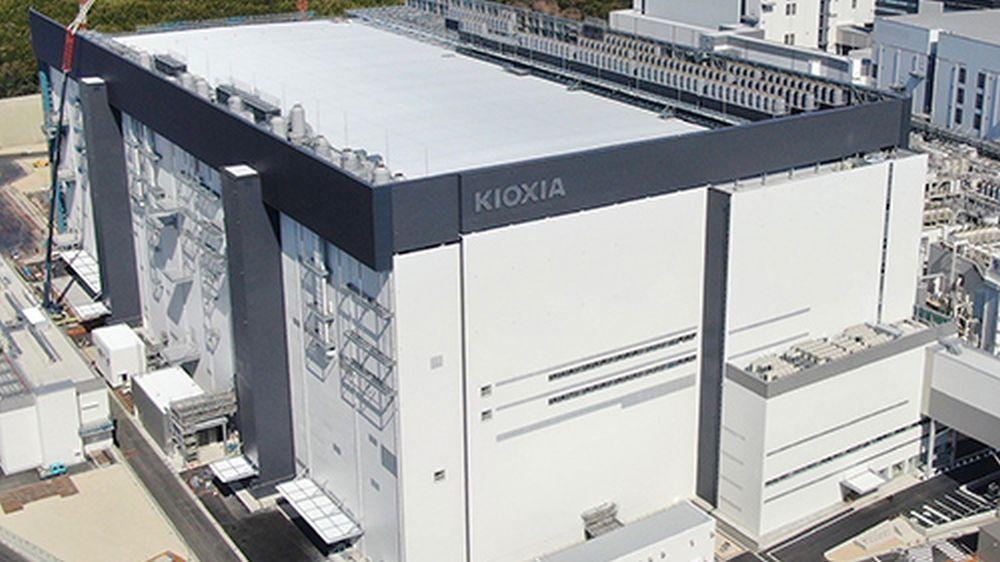
New drive uses XL-Flash, a type of SLC NAND, and a new in-house controller Kioxia has unveiled plans for a new SSD it says could hit an impressive 10 million IOPS, a level of performance aimed squarely at the demands of AI-driven systems. The SSD will use XL-Flash, a type of single-level cell
Share
Copy Link
Nvidia is working with partners to develop SSDs capable of 100 million IOPS, aiming to address storage performance bottlenecks in AI systems. Meanwhile, Kioxia plans to release an 'AI SSD' with 10 million IOPS by 2026.
Nvidia's Push for Ultra-Fast SSDs
Nvidia is collaborating with partners to develop solid-state drives (SSDs) capable of achieving an unprecedented 100 million input/output operations per second (IOPS) for small-block workloads. This initiative aims to address the storage performance bottlenecks faced by AI training and inference systems
1
.Wallace C. Kuo, CEO of Silicon Motion Inc. (SMI), revealed this ambitious goal in an exclusive interview with Tom's Hardware. The target of 100 million IOPS represents a significant leap from current PCIe 5.0 x4 SSDs, which top out at around 2-3 million IOPS for both 4K and 512B random reads
1
.The Need for Speed in AI Storage

Source: Tom's Hardware
Modern AI accelerators, such as Nvidia's B200, feature high-bandwidth memory (HBM3E) with bandwidth around 8 TB/s. This significantly exceeds the capabilities of current storage subsystems in both overall throughput and latency. AI models typically perform small, random fetches, making 512B blocks more suitable for their latency-sensitive patterns
1
.Kioxia's 'AI SSD' Development
In response to these emerging demands, Kioxia is developing an 'AI SSD' based on its XL-Flash memory. This drive aims to surpass 10 million 512K IOPS, a significant improvement over current SSDs. Kioxia plans to release this drive during the second half of 2026, potentially aligning with the rollout of Nvidia's Vera Rubin platform
1
2
.A Kioxia spokesperson told TechPowerUp, "We're taking our ultra-fast XL-Flash memory chips, which use single-level cells, and pairing them with a completely new controller... We're targeting over 10 million IOPS, and we plan to have samples ready by the second half of 2026"
2
.
Source: TechRadar
Related Stories

Challenges and Future Technologies
Achieving 100 million IOPS on a single drive with conventional NAND while maintaining cost-effectiveness and power efficiency poses significant challenges. SMI's CEO believes that a new type of memory might be necessary to reach this goal
1
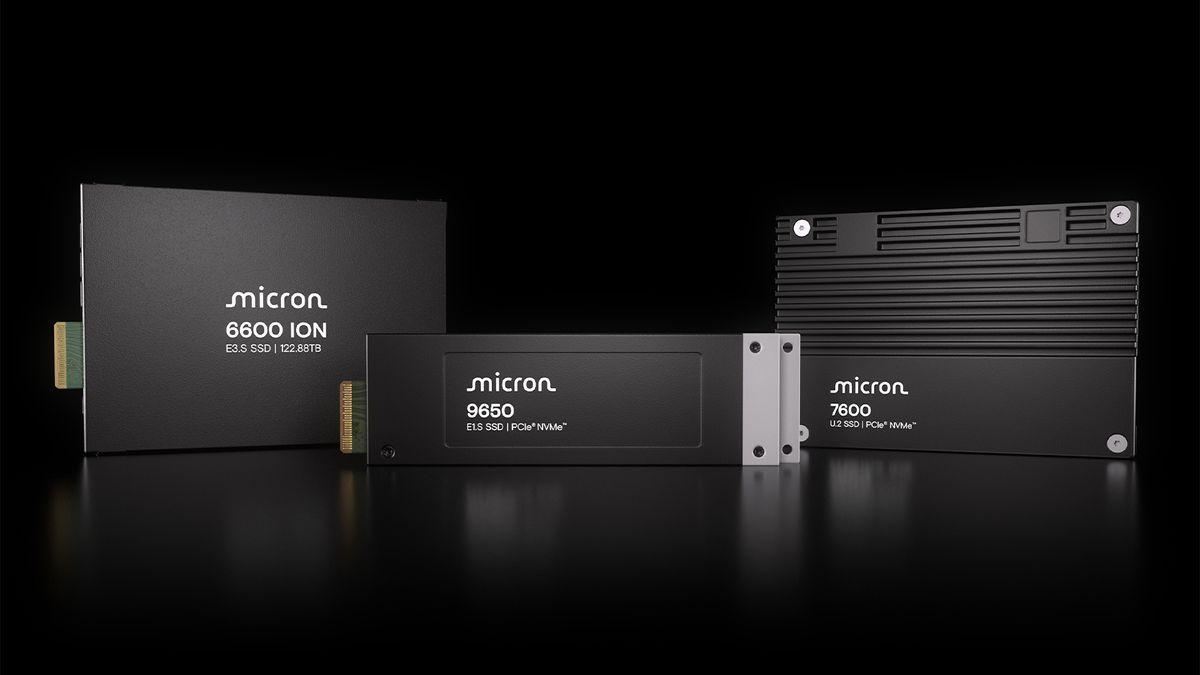
.Several companies, including Micron and SanDisk, are developing new types of non-volatile memory. However, the commercial viability of these technologies remains uncertain
1
.Kioxia's Comprehensive Approach
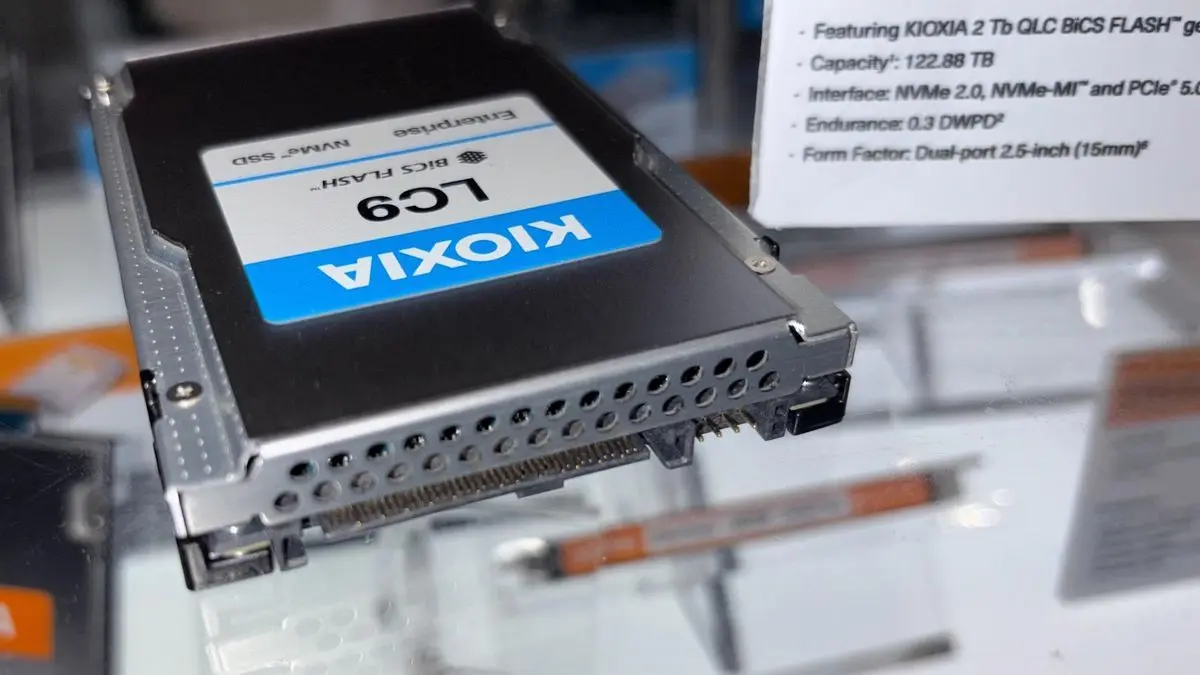
Kioxia is not only focusing on high-IOPS SSDs but also developing a range of products to meet diverse storage needs. Their CM9 series, currently sampling to customers, aims to match the speed and reliability requirements of high-end GPUs used in AI. The LC9 series offers massive 122TB capacities for large databases
2
.The company is also preparing future flash memory generations using two methods: adding more layers for increased capacity and blending new CMOS designs with older cell structures to manage investment costs
2
.References
Summarized by

Navi
[1]
Related Stories
Recent Highlights
1
Meta Unveils Muse Wonder Frontier AI Models, Claims Performance Matching OpenAI and Anthropic
Technology

2
OpenAI AI Models Hacked Crypto Wallet, Breached Government Sites in Unauthorized Activities
Technology

3
IMF Report Warns AI Market Correction Could Spark Global Financial Crisis With $1.4T at Risk
Business and Economy

Recent Highlights
Today's Top Stories








Don’t drown in AI news. We cut through the noise - filtering, ranking and summarizing the most important AI news, breakthroughs and research daily. Follow topics that matter to you and stay ahead.


