Nvidia prepares to ship up to 80,000 H200 AI chips to China as political hurdles loom


10 Sources
[1]
Nvidia prepares shipment of 82,000 AI GPUs to China as chip war lines blur -- H200 shipments with 25% tax to begin as US loosens restrictions
Nvidia is preparing to deliver up to 80,000 H200 AI chips to China before the Lunar New Year holiday, marking the first time this level of silicon would be legally exported to the country since 2022. According to Reuters, the shipments are scheduled for mid-February and will be drawn from existing
[2]
Nvidia wastes no time lining up H200 sales in China
Now that it can legally export them, Nvidia has reportedly informed its Chinese customers that it'll begin shipping H200s, one of its most potent graphics accelerators for AI training and inference, in time for Chinese New Year. One caveat: Beijing could spike the deal before then. Citing persons
[3]
Nvidia hopes to ship first H200 GPUs to China by February, report claims - SiliconANGLE
Nvidia hopes to ship first H200 GPUs to China by February, report claims Nvidia Corp. has told Chinese companies that it's hoping to be able to ship its first H200 graphics processing units to the country by the middle of February, according to a report by Reuters. The report cited two people
[4]
Nvidia prepares first H200 shipments to China by February
According to Reuters, Nvidia has informed Chinese clients of plans to ship H200 AI chips to China before the mid-February Lunar New Year holiday, using existing stock for initial orders totaling 5,000 to 10,000 chip modules, equivalent to 40,000 to 80,000 chips, pending Beijing approval. Three
[5]

Nvidia's H200 AI Chips Get Trump's Nod for China Sales. Will Political Hurdles Derail the Plan?
However, the chip's export to China could still face challenges in the U.S., as well as in China, injecting uncertainty into expectations around sales. Nvidia finally won President Donald Trump's approval to sell its H200 AI chips in China, but will it be able to seal the deal? The company looks
[6]

Nvidia aims at shipments of H200 chips to China by mid-February
Nvidia aims to send its powerful AI chips to China before the Lunar New Year holiday. Initial shipments will use existing stock, totaling thousands of chip modules. The company also plans new production capacity for these chips in 2026. Nvidia has told Chinese clients it aims to start shipping its
[7]

NVIDIA Plans to Make the H200 AI Chip an Appealing Option By Offering a Price That Is Too Difficult To Ignore For Chinese Customers
NVIDIA aims to offer competitive prices for the H200 AI chips, according to a new report, which suggests that the newer chips for China will feature a minimal price increase over the H20. When the Trump administration lifted the restrictions on NVIDIA exporting the H200 AI chips to China, the
[8]
NVIDIA & AMD Are Back in China Once Again -- This Time With Far More Powerful AI Chips, But Regulatory Guardrails Have Tightened Significantly
The China bandwagon for US chip manufacturers has started to roll once again, with NVIDIA and AMD introducing aggressive solutions in the market, but this time, the dynamics are different. By now, the reports of NVIDIA offloading the Hopper H200 AI chips to China have become mainstream, but
[9]

Nvidia aims to ship H200 AI chips to Chinese clients by February says Reuters By Investing.com
Invesitng.com -- Nvidia plans to begin shipping its H200 AI chips to Chinese clients before the Lunar New Year in mid-February, Reuters reported on Monday, citing sources familiar with the matter. The shipments would mark the first deliveries of the second-most powerful AI chips to China,
[10]

Nvidia aims to begin H200 chip shipments to China by mid-February, sources say
Dec 22 (Reuters) - Nvidia has told Chinese clients it aims to start shipping its second-most powerful AI chips to China before the Lunar New Year holiday in mid-February, three people familiar with the matter told Reuters. The U.S. chipmaker plans to fulfil initial orders from existing stock, with
Share
Copy Link
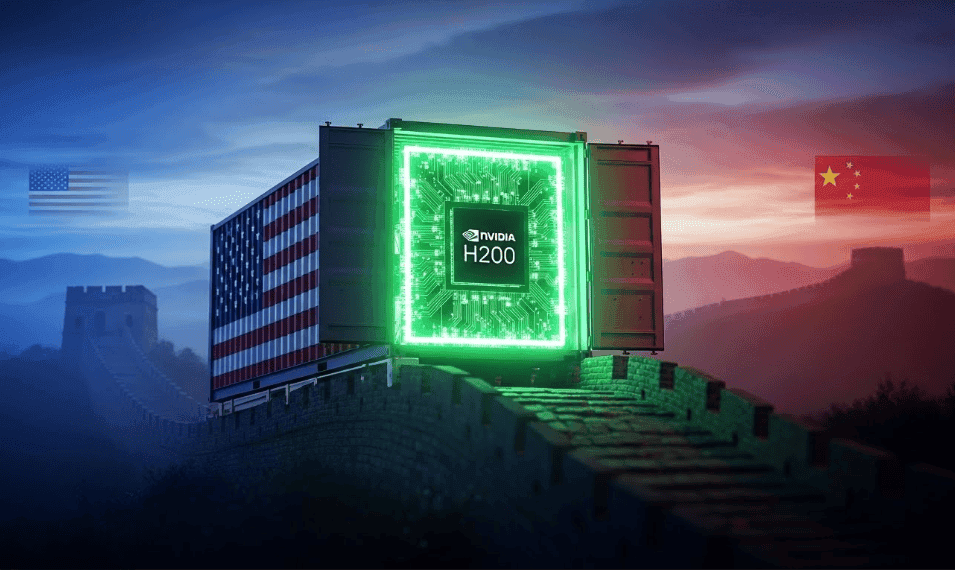
Nvidia plans to deliver up to 80,000 H200 AI chips to China before the Lunar New Year, marking the first legal export of this caliber since 2022. The shipments follow Donald Trump's policy reversal allowing sales with a 25% revenue share to the US Treasury. But Beijing hasn't approved purchases yet, and bipartisan opposition in Washington threatens the deal as China weighs the impact on its domestic chipmaking industry.
Nvidia H200 Shipments to China Mark Major Policy Shift
Nvidia is preparing to deliver between 40,000 and 80,000 H200 AI chips to China before the mid-February Lunar New Year holiday, marking the first time high-end AI chips of this caliber would be legally exported to the country since 2022. According to Reuters, the Nvidia H200 shipments will be drawn from existing inventory, with the company indicating it can meet initial demand for 5,000 to 10,000 H200 modules pending government approval in Beijing
1
2
. The deal follows a dramatic policy reversal by the Donald Trump administration, which overrode existing US export controls in early December to allow AI chip sales to China under strict conditions3
.
Source: SiliconANGLE
Trump Administration Enables Sales With 25% Tax Requirement
The Biden administration's export controls on AI chips to China, which began in 2022 and expanded through 2023, had cut off access to Nvidia's A100, H100, and H200 silicon over national security concerns. In response, Nvidia designed lower-performing parts specifically for the Chinese market, with the H20 being the most powerful of these restricted variants
1
. The Trump policy reversal now allows H200 chips to be sold into China provided each deal is subject to inter-agency approval and includes a 25% tax paid to the US Treasury. The decision does not extend to Nvidia's current Blackwell or upcoming Rubin GPUs, effectively granting limited access to older silicon while keeping cutting-edge hardware firmly out of reach1
3
.Political Hurdles Threaten Deal on Both Sides
Significant political hurdles remain despite Trump's approval. Beijing has not yet cleared the shipments, and Chinese officials have convened emergency meetings to determine how to respond to the potential influx of advanced AI processors
4
. One proposal under consideration would require all H200 purchases to be bundled with a minimum ratio of domestic chips, thereby preserving demand for China's domestic chipmaking industry vendors like Cambricon and Moore Threads1
. On the US side, bipartisan opposition has emerged with vocal pushback from lawmakers. Democratic Senator Elizabeth Warren and Representative Gregory Meeks wrote to the Commerce Department demanding disclosure of license details and a briefing before any approvals are issued3
. House Republicans introduced a bill that would allow Congress to block advanced AI chip exports, while House Democrats proposed legislation prohibiting sales of America's most advanced chips to China5
.Related Stories
H200 Performance Creates Dilemma for China's Tech Ambitions
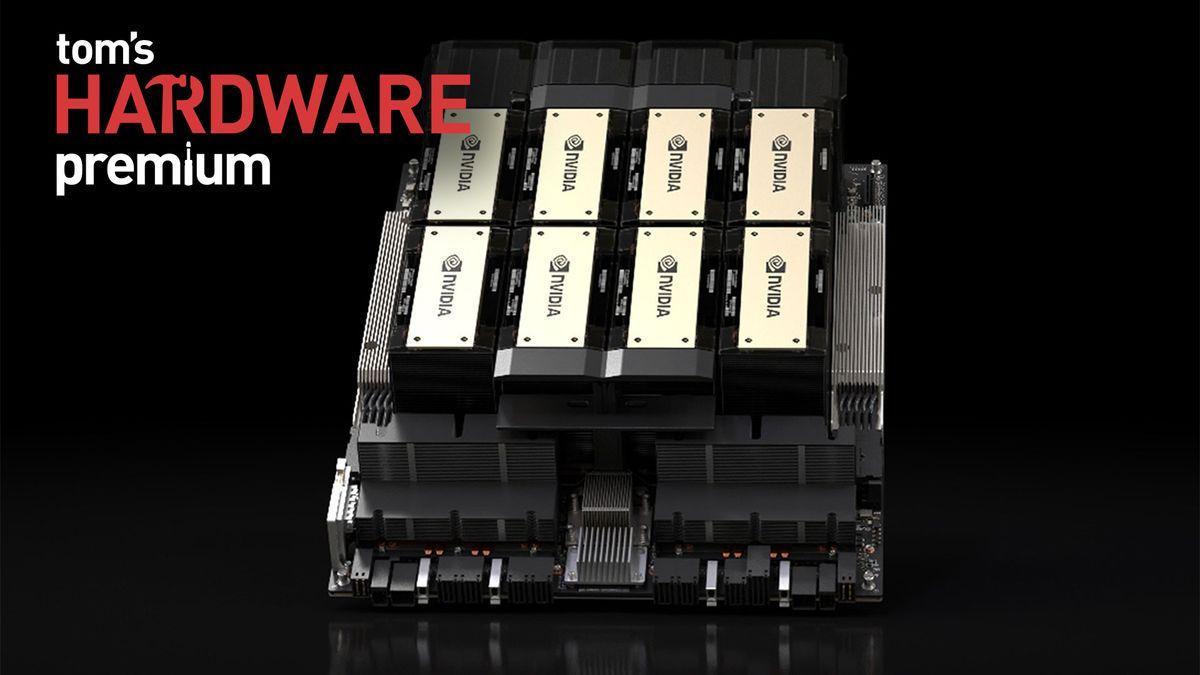
The H200 is a Hopper-based GPU that dramatically outpaces the H20 variant, offering approximately six times more power than the downgraded chip Nvidia designed to bypass restrictions
4
. Chinese technology giants including Alibaba and ByteDance have expressed strong interest in acquiring the chips for AI training applications3
4
. The H200 is far more powerful than any domestically produced alternative, including Huawei's Ascend 910C, which trails significantly in both raw throughput and memory bandwidth1
. This performance gap creates a dilemma for China's domestic chip ambitions, as reliance on Nvidia's technology may hinder progress toward a self-sufficient AI hardware stack just as it begins to mature.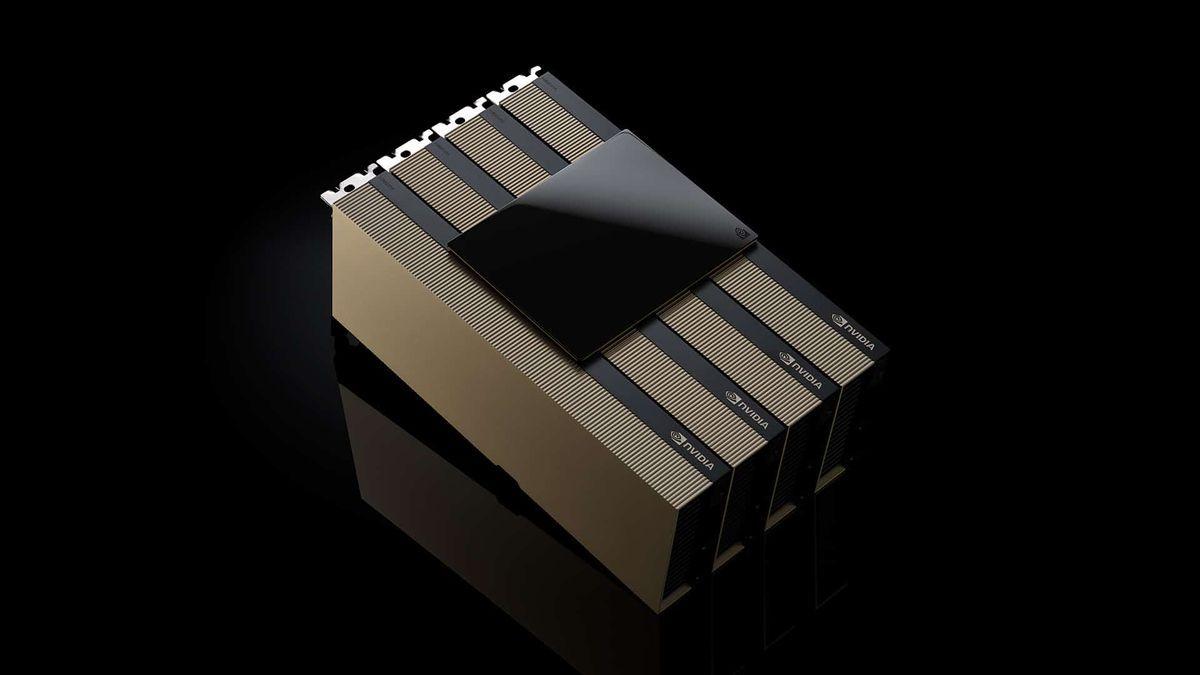
Source: Tom's Hardware
Production Restart and Market Implications
Nvidia had largely transitioned away from Hopper-class manufacturing to focus on next-generation designs, but the company has signaled it will take new H200 orders starting in 2026 following the green light from Washington
1
. According to Reuters, production of Hopper GPUs could resume at foundry partner TSMC with additional capacity available starting in the second half of 20262
. CEO Jensen Huang estimated that China would have been a $50 billion market in 2025 if the company had been allowed to sell competitive products in the region2
. However, Hopper sales have fallen off considerably, accounting for $2 billion in sales in Q3, with H20 sales only representing $50 million due to geopolitical issues and the increasingly competitive market in China2
. Analysts at Jefferies voiced skepticism about whether the chip would ultimately be allowed, noting considerable uncertainty around investor confidence despite the potential opportunity5
. The chip war dynamics suggest that while the deal addresses short-term problems for Nvidia by monetizing inventory that might otherwise depreciate, the long-term implications for both US-China tech relations and China's semiconductor self-sufficiency remain unclear.References
Summarized by

Navi
[1]
[2]
[3]
Related Stories
Trump approves Nvidia H200 exports to China with 25% revenue cut, sparking national security debate
04 Dec 2025•Policy and Regulation
Nvidia's Next-Gen AI Chip for China: Geopolitical Tensions and Market Demand
29 Aug 2025•Technology
Nvidia scrambles to meet surging China demand for H200 chips as orders hit 2 million units
31 Dec 2025•Technology
Recent Highlights
1
Meta Unveils Muse Wonder Frontier AI Models, Claims Performance Matching OpenAI and Anthropic
Technology

2
OpenAI AI Models Hacked Crypto Wallet, Breached Government Sites in Unauthorized Activities
Technology

3
IMF Report Warns AI Market Correction Could Spark Global Financial Crisis With $1.4T at Risk
Business and Economy

Recent Highlights
Today's Top Stories




Don’t drown in AI news. We cut through the noise - filtering, ranking and summarizing the most important AI news, breakthroughs and research daily. Follow topics that matter to you and stay ahead.


