Nvidia RTX Pro 6000 Blackwell GPU pricing soars to $13,250 in just one year


2 Sources
[1]
Nvidia raises RTX Pro 6000 Blackwell GPU pricing to $13,250 -- 55% increase over MSRP in a year's time
No graphics card is safe from surging prices driven by the global memory shortage and the ongoing AI boom, whether it's one of the best graphics cards for gaming or workstations. Nvidia has quietly increased the price of the RTX Pro 6000, the flagship of its Blackwell workstation series, to a
[2]
NVIDIA's 96 GB RTX PRO 6000 Blackwell Is Now Over 50% More Expensive As Price Hits $13,250
NVIDIA's fastest PRO graphics card, the RTX 6000 Blackwell, continues to see price hikes with the latest official listing of $13,250. NVIDIA RTX PRO 6000 Blackwell & RTX 5090 Graphics Cards Continue To Face Price Hikes Due To Memory Shortages & Rising AI Demand Last month, we reported that
Share
Copy Link
Nvidia's flagship workstation GPU, the RTX Pro 6000 Blackwell, now costs $13,250—a staggering 55% increase from its $8,565 launch price in March 2025. The price surge stems from an ongoing memory shortage and relentless AI sector demand for high-capacity VRAM cards. Even the RTX 5090 gaming GPU has crossed $4,000, doubling its original MSRP.
Nvidia RTX Pro 6000 Blackwell GPU Pricing Reaches New Heights
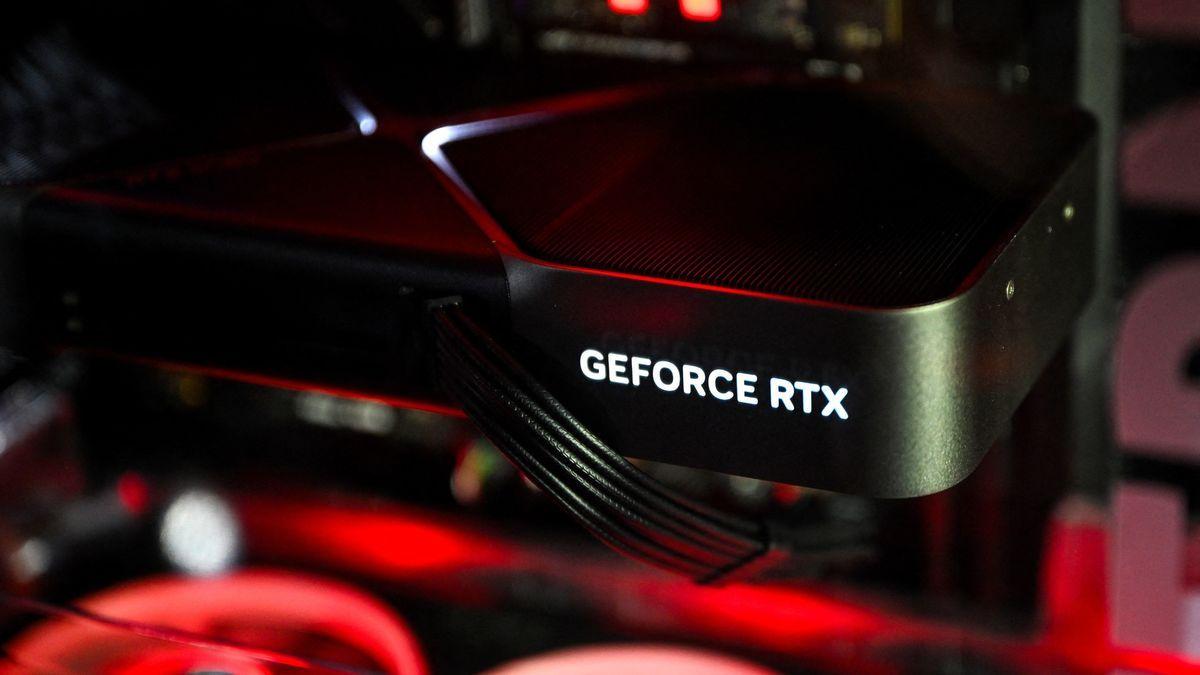
Nvidia has raised the price of its flagship workstation GPU, the RTX Pro 6000 Blackwell, to $13,250 on its official marketplace—a dramatic 55% increase over the original launch price of $8,565 from just one year ago in March 2025
1
. The price increase affects both the standard Workstation Edition and the power-efficient Max-Q Workstation Edition variants, while the data center-oriented Server Edition targets large-scale enterprises1
. This unprecedented GPU pricing escalation reflects broader market pressures that are reshaping access to professional AI and machine learning workloads hardware.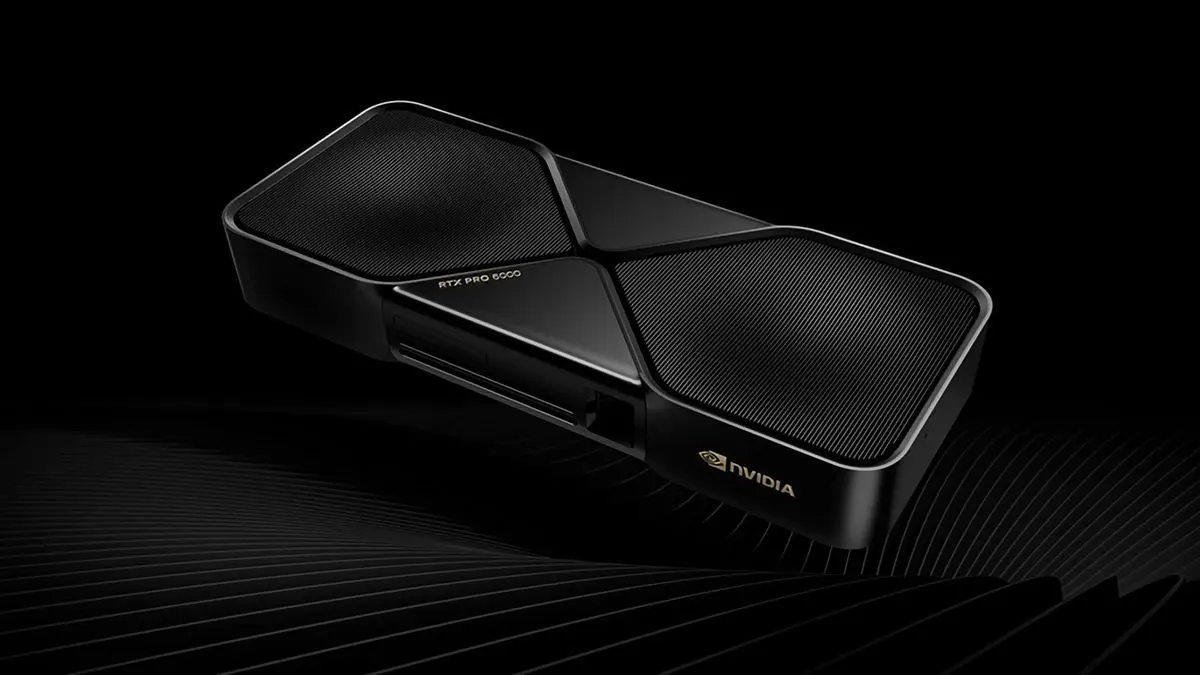
Source: Tom's Hardware
Memory Shortage Drives Graphics Card Pricing Crisis
The primary culprit behind the RTX Pro 6000 Blackwell GPU pricing surge is the ongoing memory shortage, particularly affecting GDDR7 supplies. NVIDIA's 96 GB RTX PRO 6000 features 96 GB VRAM in a clamshell design—the largest VRAM configuration on any discrete graphics card to date
2
. With supply constraints severely limiting availability of both GDDR7 memory and the cards themselves, prices have climbed relentlessly. According to recent reports, the price increase represents over 60% compared to the initial $8,000 pricing, and even a 30% jump from last month's listings alone2
. Retailers are implementing significant markups, though some third-party listings offer marginal savings—Newegg currently sells the RTX Pro 6000 Blackwell for $12,099.99, representing a 9% discount compared to Nvidia's official marketplace price.AI Sector Demand Fuels Workstation GPU Price Escalation
The AI sector continues to drive demand for AI-focused professional GPUs despite eye-watering price increases. Strong demand from professionals working on AI and machine learning applications remains unabated, as these cards deliver unmatched performance and VRAM capacity with no viable alternatives at similar specification levels
2
. The situation extends beyond workstation GPUs—even consumer gaming cards face similar pressures. The RTX 5090, which launched at an MSRP of $1,999, now retails above $4,000, with the cheapest models priced at $4,199.99 on Newegg and $4,179.95 on Amazon2
. This represents more than double its original MSRP, making it increasingly difficult for enthusiasts to access cutting-edge hardware.Related Stories
What Professionals Should Watch For
Experts don't anticipate graphics card pricing improvements anytime soon. The only consistent trend suggests prices will continue climbing until the memory shortage ends
1
. Prices vary significantly across retailers and even official marketplaces like NVIDIA's, making comparison shopping essential before purchasing. For professionals and enterprises relying on the flagship workstation GPU for compute-intensive tasks, budget planning must now account for substantially higher hardware costs. The situation underscores a fundamental shift in the professional GPU market, where AI demand has created sustained pressure on pricing and availability that shows little sign of easing in the near term.References
Summarized by

Navi
[1]
Related Stories
Nvidia RTX Pro 6000 GPU Price Nearly Doubles to $16,000 Amid AI Hardware Demand
13 Aug 2026•Business and Economy
NVIDIA's RTX PRO 6000 Blackwell: A $10,000+ Powerhouse GPU for Professional Workloads
05 May 2025•Technology
Nvidia RTX 5090 Disappears From Shelves as AI Demand Pushes Prices Beyond $9,500
14 Sept 2026•Business and Economy
Recent Highlights
1
Meta Unveils Muse Wonder Frontier AI Models, Claims Performance Matching OpenAI and Anthropic
Technology

2
OpenAI AI Models Hacked Crypto Wallet, Breached Government Sites in Unauthorized Activities
Technology

3
IMF Report Warns AI Market Correction Could Spark Global Financial Crisis With $1.4T at Risk
Business and Economy

Recent Highlights
Today's Top Stories











Don’t drown in AI news. We cut through the noise - filtering, ranking and summarizing the most important AI news, breakthroughs and research daily. Follow topics that matter to you and stay ahead.


