NVIDIA's Thermal Challenge: Innovative Cooling Solutions for Next-Gen AI GPUs


2 Sources
[1]
NVIDIA could change cooling solution for Rubin Ultra AI GPUs for huge 2300W thermal concerns
TL;DR: NVIDIA's next-gen Rubin Ultra AI GPUs will consume up to 2300W, prompting a shift to advanced microchannel cold plate cooling to manage extreme thermals. This innovation responds to rising power demands in AI accelerators, driven by competition with AMD's high-TDP Instinct MI450X, signaling
[2]
NVIDIA Might Switch to Direct-to-Chip Cooling Solutions For Next-Gen Rubin Ultra as It Battles Thermal Constraints
NVIDIA is reportedly planning to switch to an entirely new cooling solution for the next-gen Rubin Ultra AI lineup, as it tries to mitigate the growing power requirements and thermal concerns. For those unaware, having an adequate cooling solution for next-generation systems is one of the top
Share
Copy Link
NVIDIA is exploring advanced cooling technologies, including microchannel cold plates, to manage the extreme thermal output of its upcoming Rubin Ultra AI GPUs, which are expected to consume up to 2300W of power.

NVIDIA's Thermal Dilemma
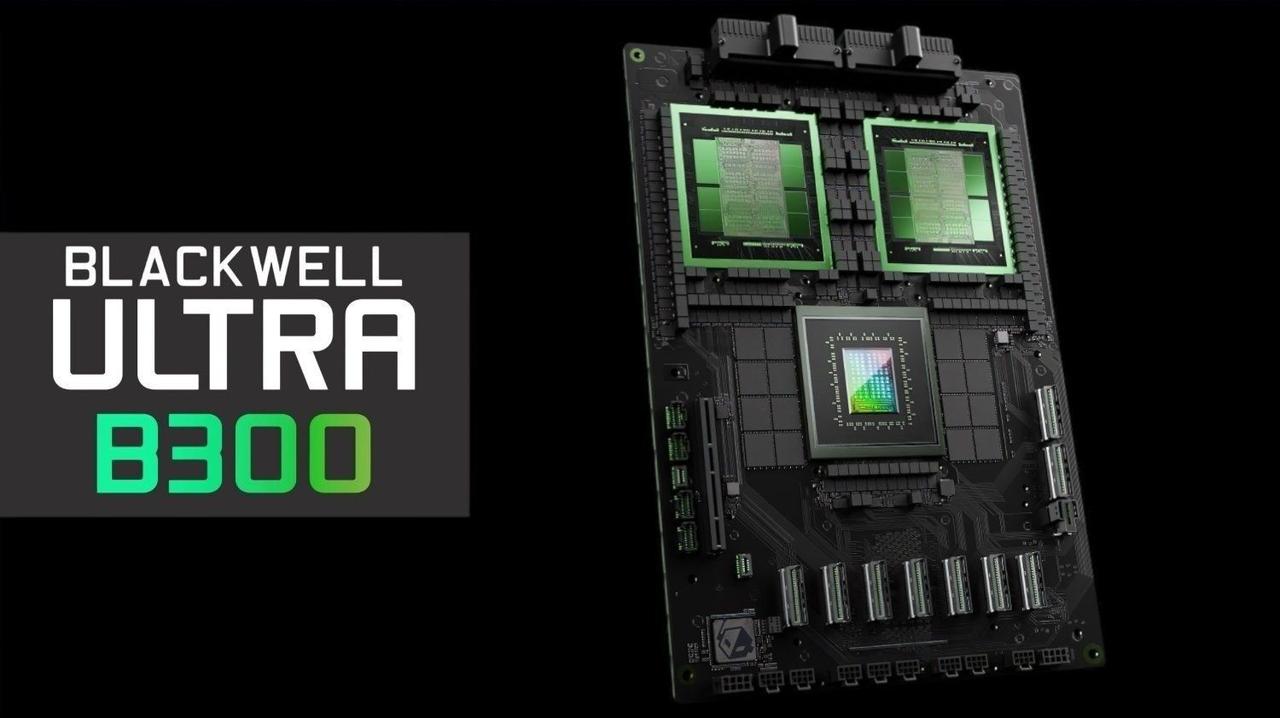
NVIDIA is grappling with a significant challenge as it develops its next-generation Rubin Ultra AI GPUs: managing the extreme thermal output generated by these powerful chips. Reports suggest that these GPUs could consume up to 2300W of power, necessitating a radical shift in cooling technology
1
.Innovative Cooling Solutions
To address this thermal concern, NVIDIA is reportedly exploring advanced cooling technologies. The company is said to be in talks with cooling solution partners to integrate 'direct-to-chip' cooling through microchannel cold plates (MCCP) for its Rubin Ultra AI GPUs
2
. This approach represents a significant departure from conventional liquid cooling solutions.The MCCP technology is similar to direct-die cooling used by overclocking enthusiasts. It involves a copper cold plate with embedded microchannels that allow coolant to flow around the chip, creating local convection and reducing thermal resistance from the die to the fluid
2
.Production Challenges and Timeline
Initially, NVIDIA had considered using microchannel cover plates for its Rubin AI GPUs. However, reports indicate high mass production difficulties with these cover plates
1
. The company has reportedly reached out to Asia Vital Components, a Taiwanese thermal solution provider, to design the MCCP for Rubin Ultra, which is slated for launch in 20271
.Related Stories

Competitive Landscape and Industry Trends
The push for more powerful AI GPUs is partly driven by intense competition in the market. AMD's next-gen Instinct MI450X AI accelerator, with its high TDP, has reportedly forced NVIDIA to increase the TDP of its VR200 Rubin AI GPU from 1800W to 2300W
1
.This trend towards higher power consumption is not unique to NVIDIA. The entire industry is grappling with the need for new cooling options. For instance, Microsoft recently announced microfluidic cooling, an approach similar to MCCP but focused on 'in-chip cooling'
2
.Future Implications
As AI GPUs continue to grow more powerful and energy-intensive, the demand for advanced cooling solutions is expected to rise. The liquid cooling plate market size is projected to expand in the coming years, driven by the needs of these high-performance, power-hungry AI accelerators
1
.NVIDIA's exploration of new cooling technologies underscores the critical role of thermal management in the advancement of AI hardware. As the race for more powerful AI accelerators continues, innovative cooling solutions will be key to unlocking the full potential of these next-generation chips.
References
Summarized by

Navi
[1]
Related Stories
NVIDIA's GB300 'Blackwell Ultra' AI Servers: A Leap Towards Fully Liquid-Cooled AI Clusters
11 Mar 2025•Technology
Nvidia liquid cooling system slashes data center water use, but AI's broader water problem persists
22 Jun 2026•Technology

NVIDIA Unveils Next-Gen AI Powerhouses: Rubin and Rubin Ultra GPUs with Vera CPUs
19 Mar 2025•Technology

Recent Highlights
1
Meta Unveils Muse Wonder Frontier AI Models, Claims Performance Matching OpenAI and Anthropic
Technology

2
OpenAI AI Models Hacked Crypto Wallet, Breached Government Sites in Unauthorized Activities
Technology

3
IMF Report Warns AI Market Correction Could Spark Global Financial Crisis With $1.4T at Risk
Business and Economy

Recent Highlights
Today's Top Stories







Don’t drown in AI news. We cut through the noise - filtering, ranking and summarizing the most important AI news, breakthroughs and research daily. Follow topics that matter to you and stay ahead.


