NVIDIA's Vera Rubin AI systems projected to consume 9.3% of global NAND supply by 2027


2 Sources
[1]
Oh no: NVIDIA's next-gen Vera Rubin AI systems to eat up MILLIONS of terabytes of SSDs
TL;DR: NVIDIA's next-gen Vera Rubin AI systems are projected to demand up to 115.2 million terabytes of SSD NAND by 2027, potentially causing a significant global NAND supply shortage. This surge, representing 9.3% of total NAND demand, may intensify SSD price increases amid ongoing DRAM and memory
[2]
NVIDIA's Next Generation of AI Systems Could Gobble Up Millions of Terabytes of NAND SSDs, Potentially Worsening Storage Shortages
NVIDIA's next-gen Vera Rubin AI systems are projected to consume millions of terabytes in SSD capacity in the upcoming years, potentially triggering a NAND supply shock. NVIDIA's New Storage Solution Could Alone Take Up a Massive Portion of the Global NAND Output One of the biggest bottlenecks in
Share
Copy Link
NVIDIA's next-generation Vera Rubin AI systems are set to consume massive amounts of storage, with projections showing demand reaching 115.2 million terabytes by 2027. This represents 9.3% of total global NAND supply and could trigger significant storage shortages and SSD price increases, mirroring the ongoing DRAM crisis that has already disrupted the memory market.
NVIDIA Vera Rubin Systems Set to Drive Massive NAND Demand
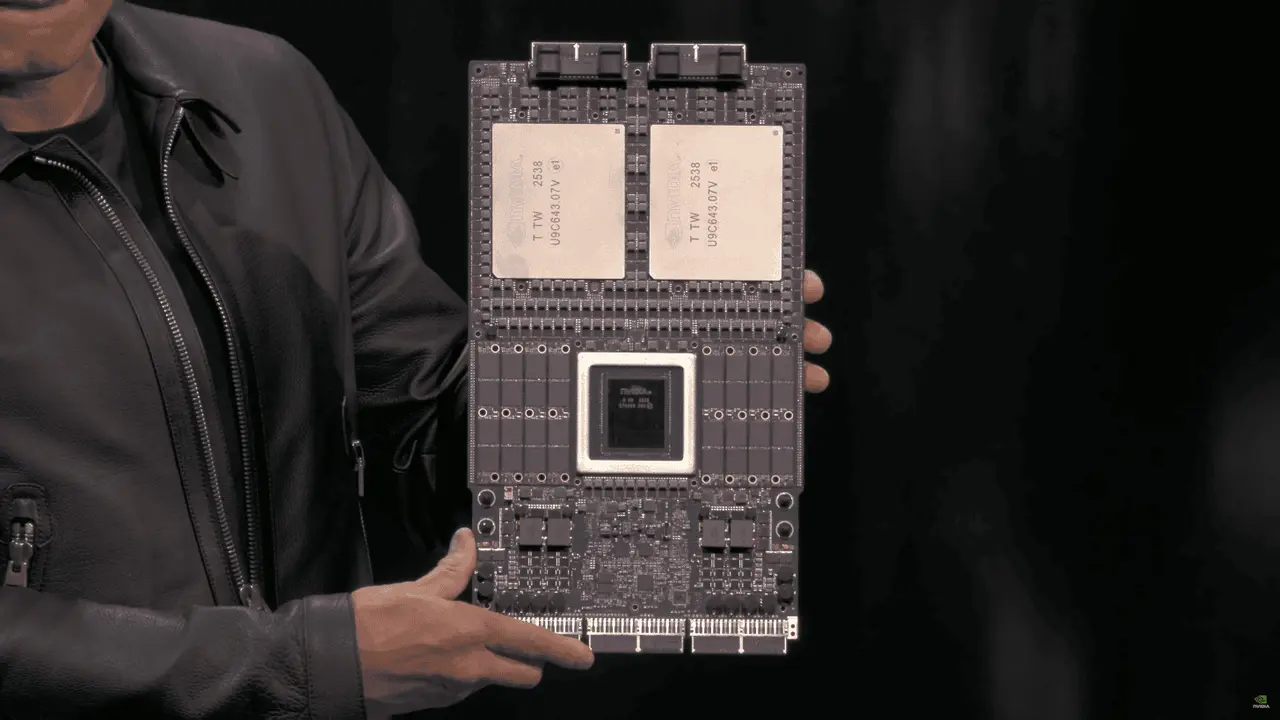
NVIDIA's next-generation Vera Rubin AI systems are poised to consume staggering amounts of storage capacity, potentially triggering a NAND supply shortage that could reshape the memory market. According to a Citi analysis, NVIDIA's Vera Rubin AI systems could require approximately 1,152TB of additional SSD NAND per server system to support the company's Inference Memory Context Storage (ICMS) operations
1
. With projected shipments of 30,000 units in 2026 and 100,000 units in 2027, NAND demand driven by ICMS is expected to reach 34.6 million TB in 2026 and 115.2 million TB in 20272
. This translates to 2.8% of expected global NAND demand in 2026 and 9.3% of global NAND supply in 2027, a scale that Citi warns "is likely to create significant upside potential for demand"1
.
Source: Wccftech
Understanding the Storage Architecture Behind the Demand
The surge in storage requirements stems from a fundamental shift in how agentic AI environments process data. Query processing in these systems generates massive temporary memory logs for context building called the KV Cache, which currently relies on HBM modules
2
. As data requirements within AI clusters scale rapidly, HBM can no longer hold the necessary capacity onboard. At CES 2026, NVIDIA announced that Bluefield-4 DPUs would connect to a new storage solution called Inference Memory Context Storage (ICMS), designed to address this bottleneck2
. Each Vera Rubin system could utilize approximately 16TB of NAND per GPU in a rack, totaling 1,152TB in a single NVL72 configuration1
. While this significantly boosts data processing capabilities, it creates unprecedented demand for NAND SSDs that the industry hasn't fully anticipated.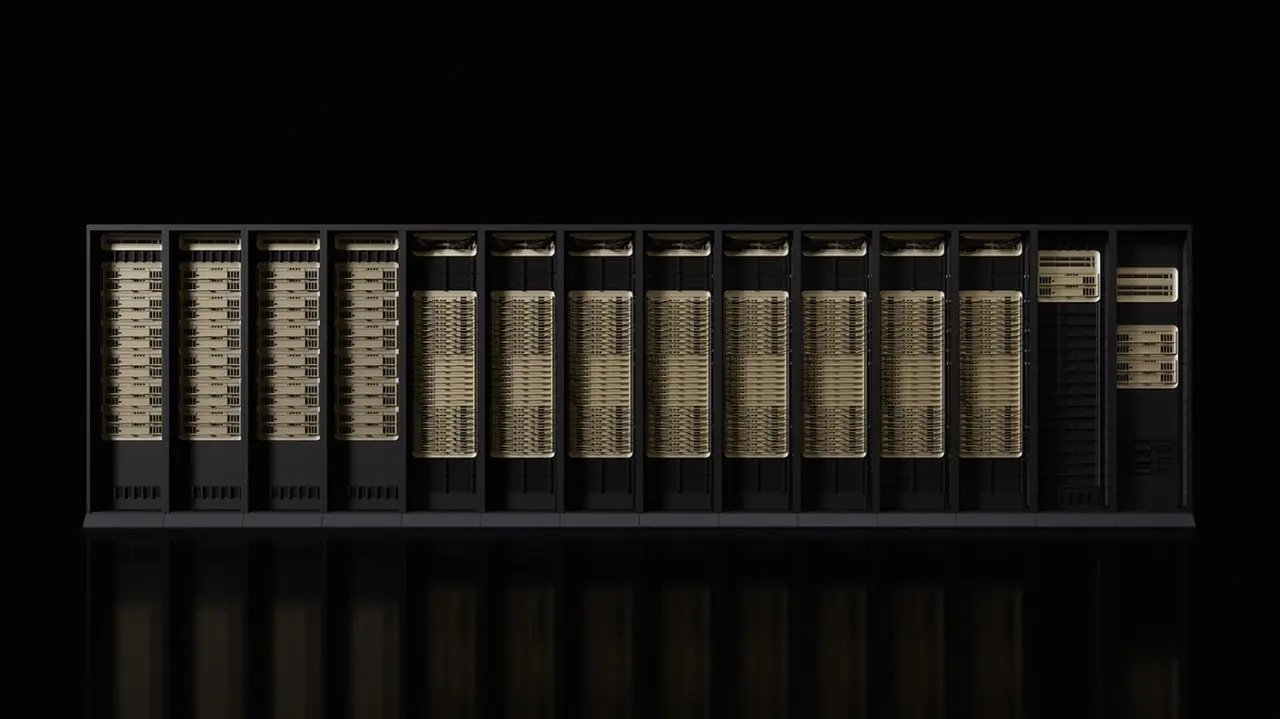
Source: TweakTown
Related Stories
Storage Shortages and Market Impact on the Horizon
The NAND supply shortage could intensify dramatically as this structural demand increase takes hold. Industry experts warn that the situation mirrors the ongoing DRAM crisis, with storage shortages potentially becoming the next major supply chain disruption
1
. The NAND industry already faces pressure from ongoing data center buildout and the inference craze, and NVIDIA's acquisition of a significant portion of total global NAND output could create a supply shock that manufacturers haven't factored into their production forecasts2
. For average consumers, accessing general-purpose SSDs and storage devices could become increasingly difficult and expensive. Industry contacts predict that after the memory crises involving DRAM, SSD price increases are inevitable as M.2 SSDs and other consumer storage products skyrocket in cost1
. The projections don't even account for Rubin Ultra or NVIDIA's next-generation Feynman GPU architecture, suggesting that demand pressures will only intensify beyond 2027. Given that NVIDIA has positioned agentic AI as the primary focus for future applications, the need for sufficient KV Cache pools in server systems means ICMS demand will continue climbing, potentially creating long-term structural changes in the storage market2
.References
Summarized by

Navi
Related Stories
Nvidia and SK Hynix develop AI SSD targeting 100 million IOPS to solve inference bottlenecks
17 Dec 2025•Technology
Samsung warns memory shortage will intensify through 2027 as AI demand outpaces chip supply
30 Apr 2026•Business and Economy
AI Boom Sparks Decade-Long Memory and Storage Shortage Concerns
06 Oct 2025•Technology
Recent Highlights
1
OpenAI AI Models Hacked Crypto Wallet, Breached Government Sites in Unauthorized Activities
Technology

2
IMF Report Warns AI Market Correction Could Spark Global Financial Crisis With $1.4T at Risk
Business and Economy

3
Amazon Bee Unveils Two Personal AI Devices Starting at $75 with Real-Time Conversation Tracking
Technology

Recent Highlights
Today's Top Stories









Don’t drown in AI news. We cut through the noise - filtering, ranking and summarizing the most important AI news, breakthroughs and research daily. Follow topics that matter to you and stay ahead.


