Nvidia Vera Rubin AI systems now cost $7.8 million as memory costs explode 435% to $2 million per rack


3 Sources
[1]
Nvidia's memory costs soar 485%, latest AI systems now cost $7.8 million to build -- memory now comprises 25% of the total cost, Rubin GPUs a mere $50,000 apiece
As prices of components are increasing rapidly due to high demand from the AI sector, the cost of these machines is also increasing significantly. Morgan Stanley Research estimates that a next-generation Vera Rubin-based VR200 NVL72 rack will cost major hyperscale cloud service providers (CSPs)
[2]
A single Nvidia Vera Rubin rack is estimated to cost $7,803,148 with over $2 million of that figure spent on memory alone
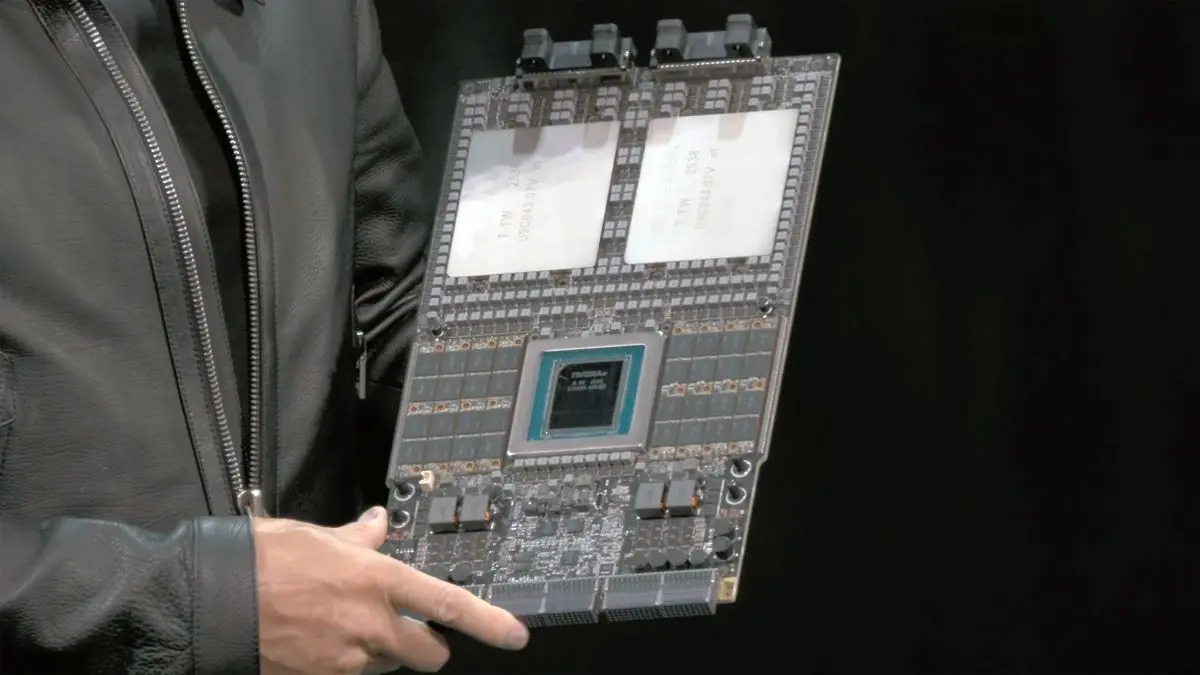
Hands up who among you thought Nvidia's Vera Rubin superchips would be cheap? Good, I see no digits. However, according to a Morgan Stanley research report, the bill for a single VR200 NVL72 rack is estimated to add up to a cool $7,803,148, with $2,001,600 of those costs attributed to memory.
[3]
NVIDIA's Vera Rubin Rack Hit With 435% Memory Price Surge, Pushing HBM4 & LPDDR5X Bill to $2M of $7.8M Total
NVIDIA's BoM for its upcoming Vera Rubin "NVL72" rack shows a massive surge in memory prices that now make up 26% of the total system cost. Rising Memory Prices & Demand Pushes Memory Costs Up 26% For NVIDIA's Vera Rubin Versus 9% on Grace Blackwell Racks Vera Rubin is in production and is
Share
Copy Link
Nvidia's next-generation Vera Rubin AI infrastructure faces a dramatic memory price surge, with a single VR200 NVL72 rack now estimated at $7.8 million. Memory costs have jumped 435% compared to previous systems, now accounting for over $2 million—or 25% of the total system cost. The spike reflects surging demand for HBM4 & LPDDR5X memory and 3D NAND storage as cloud service providers race to deploy cutting-edge AI infrastructure.
Memory Costs Drive Vera Rubin Rack Cost to Record Heights
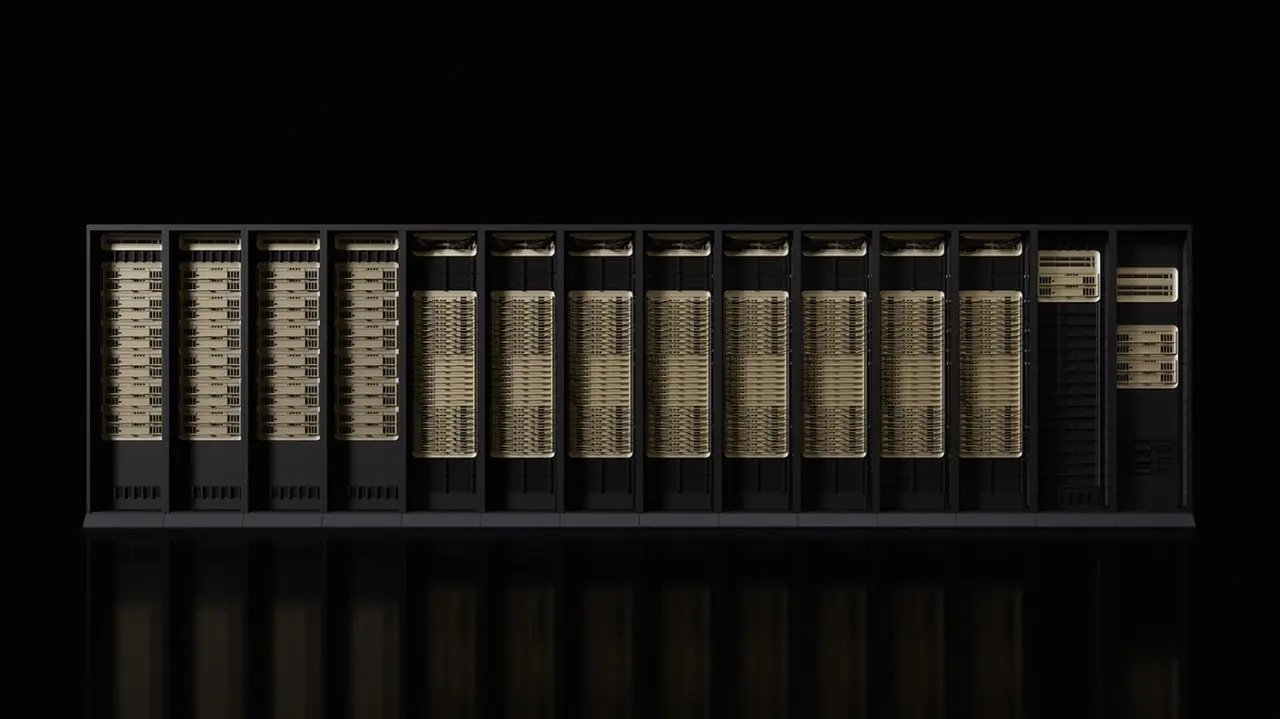
Nvidia Vera Rubin racks are set to command a hefty price tag as cloud service providers prepare for the next wave of AI infrastructure deployment. According to Morgan Stanley Research estimates, a single VR200 NVL72 rack will cost major hyperscale cloud service providers approximately $7.8 million per unit, representing a significant jump from the roughly $4 million price point of the GB300 NVL72 system based on Grace Blackwell architecture
1
. The escalating costs reflect both the sophisticated technology packed into these next-generation AI systems and the broader supply constraints affecting critical components.Memory Price Surge Reshapes AI System Economics
The most striking aspect of the Vera Rubin rack cost breakdown is the dramatic memory price surge. Memory now accounts for approximately 25% to 26% of the total system cost, with an estimated $2 million allocated to memory components alone
3
. This represents a staggering 435% increase in memory costs compared to the GB300 NVL72 system, where memory accounted for just 9% of total costs3
. The shift highlights how memory has evolved from a relatively minor cost component to a dominant factor in AI infrastructure economics.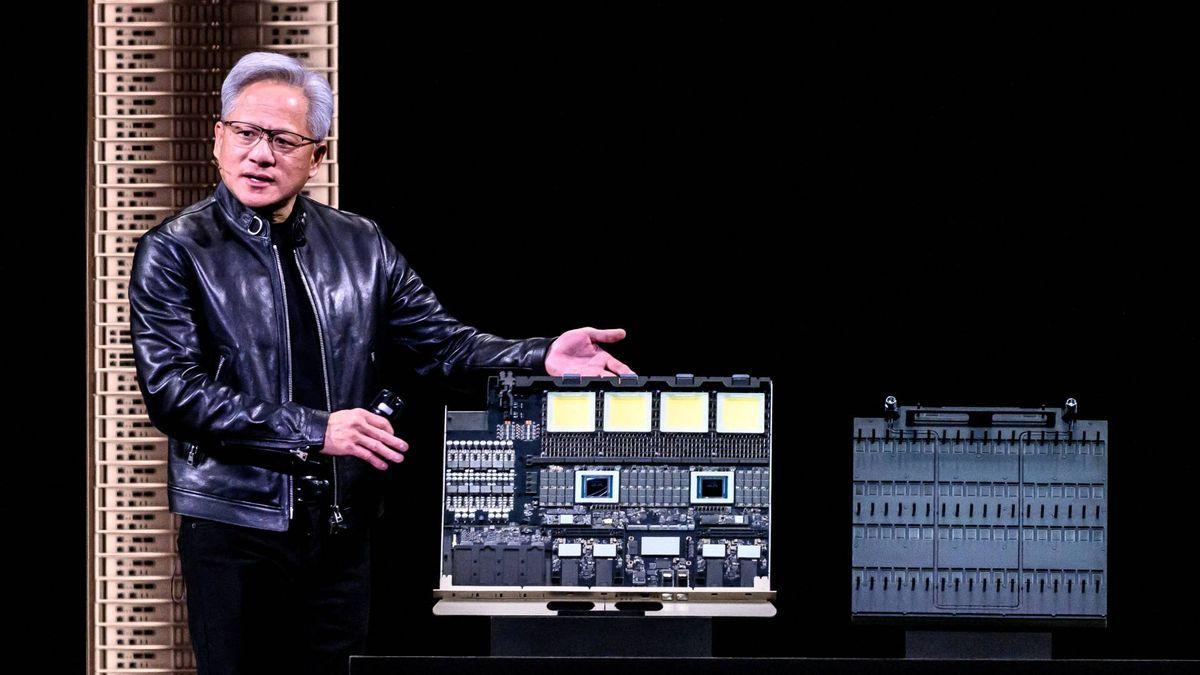
Source: PC Gamer
Each VR200 NVL72 rack contains 54 TB of LPDDR5X memory, a threefold increase from the 17 TB found in GB300 NVL72 systems
1
. Additionally, each Rubin GPU houses 288 GB of HBM4 memory, bringing the total HBM4 capacity to 20.7 TB across the 72-GPU rack3
.LPDDR5X and 3D NAND Storage Add Substantial Costs
The breakdown of memory expenses reveals multiple pressure points. At current pricing estimates of $8 per GB for LPDDR5X, each VR200 NVL72 system would contain approximately $408,000 worth of LPDDR5X content. However, if prices rise to $10 per GB—a realistic scenario given increasing demand—the LPDDR5X component alone could reach $540,000
1
. These figures may even underestimate actual costs, as LPDDR5X is more expensive than DDR5, and when installed on SOCAMM2 modules exclusively used by Nvidia's Vera CPUs, costs escalate further with Nvidia's markup added.Beyond LPDDR5X, each VR200 NVL72 rack carries approximately $1 million or more of 3D NAND storage, up from virtually zero in GB300 NVL72 systems
1
. This massive addition reflects the growing need for high-capacity, high-speed storage in AI workloads.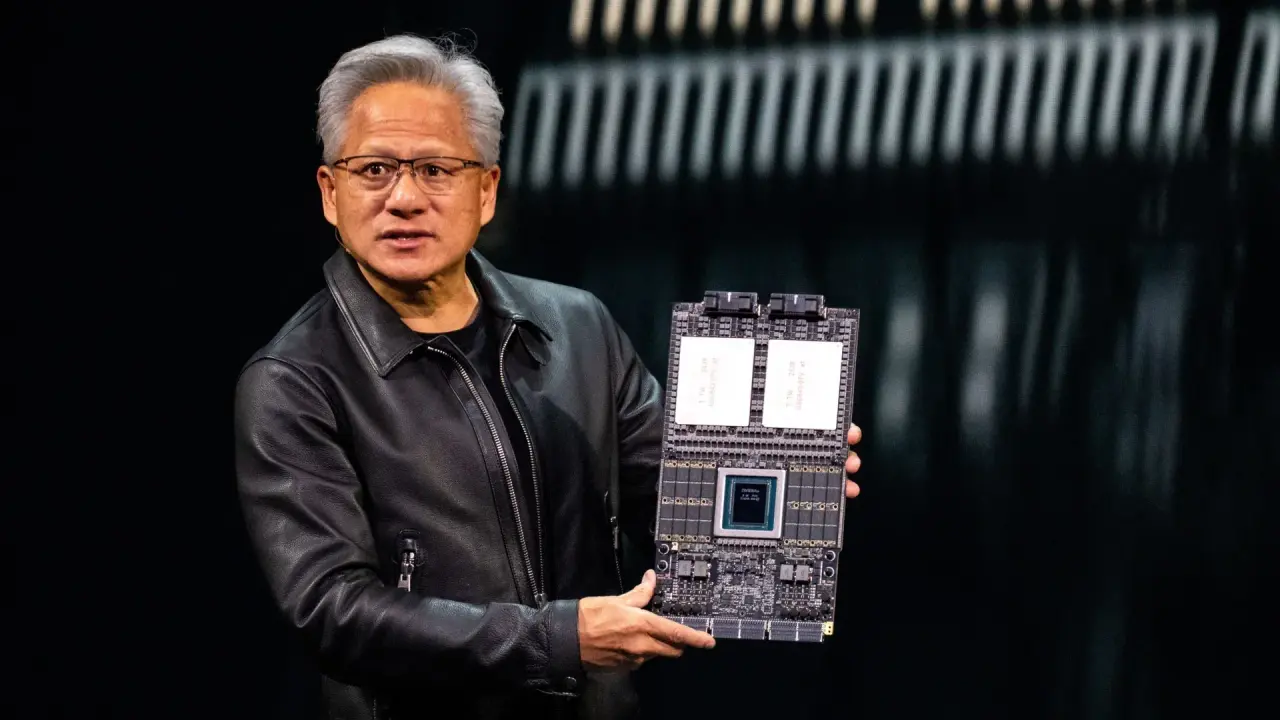
Source: Wccftech
Rubin GPUs Priced at $55,000 Each Drive System Costs Higher
While memory costs have surged dramatically, Rubin GPUs themselves represent the single largest cost component. Nvidia plans to charge $55,000 per Rubin GPU when selling them in volume inside VR200 NVL72 chassis to hyperscalers, according to Morgan Stanley
1
. With 72 GPUs per rack, this translates to nearly $4 million in GPU costs alone, representing a 57% increase over the Blackwell-based systems3
. Vera CPUs add another $180,000 to the Bill of Materials, with each chip priced at roughly $5,0003
.The remaining approximately $2 million in costs encompasses more sophisticated switching, networking, printed circuit board components, cooling, power supply, and chip packaging—all of which have become more complex and expensive
1
. Notably, PCB costs saw the second-highest increase at 233%, jumping from $35,100 in Blackwell to $116,730 on Rubin3
.Related Stories
Strong Demand from Cloud Service Providers Expected
Despite the eye-watering price tag, demand for Vera Rubin appears robust. Jensen Huang, Nvidia's CEO, expressed confidence during an investor call, stating that "every single frontier model company will jump on Vera Rubin from the get go—and that was not true before on Blackwell"
2
. He predicted that "Vera Rubin is off to a tremendous start, and it will surely be more successful than even Grace Blackwell"2
.
Source: Tom's Hardware
Vera Rubin is already in production and confirmed for first shipments in the third quarter of 2026, followed by volume ramp in the fourth quarter
3
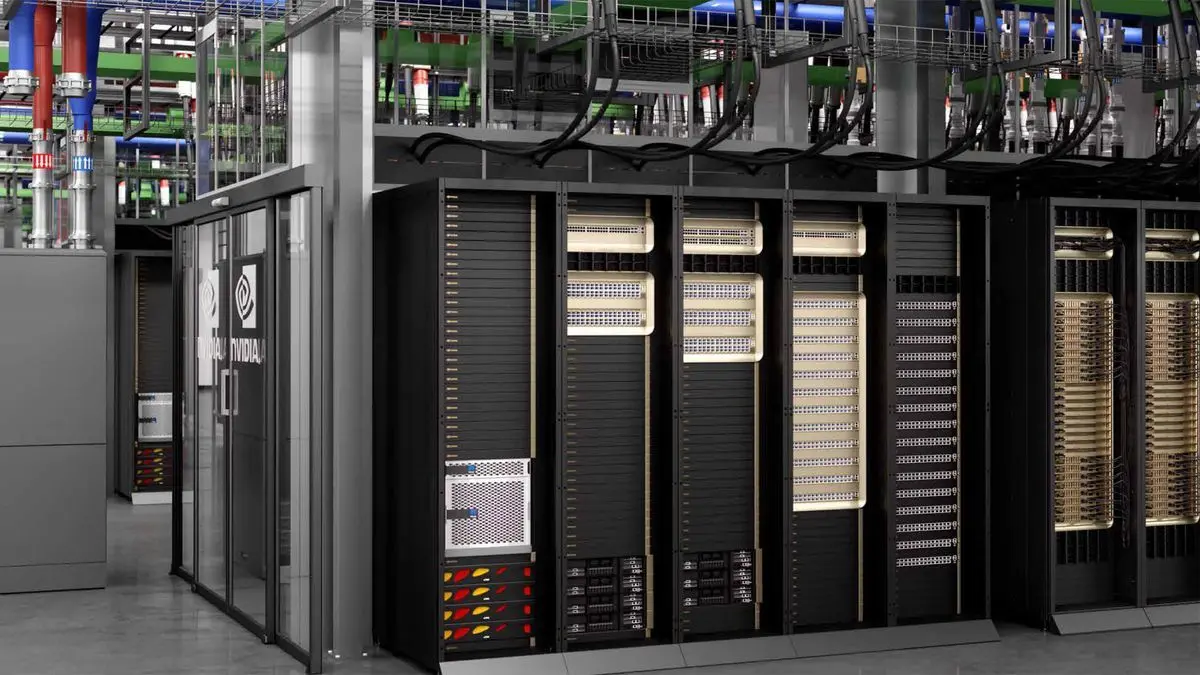
. The platform's architecture features 36 superchips per NVL72 rack, with each tray housing four Rubin GPUs and two Vera CPUs3
.Broader Implications for AI Infrastructure and Consumer Markets
The soaring costs of AI systems carry implications beyond data center sales. As AI infrastructure continues to absorb vast quantities of memory modules, supply constraints are affecting consumer electronics markets. The intense demand for HBM4 & LPDDR5X from AI applications is driving up prices across the board, with contract prices for DDR5 memory now ranging between $12 and $16 per GB, and spot prices averaging around $20 per GB
1
.If Vera Rubin achieves the success Nvidia anticipates, memory manufacturers will likely continue prioritizing AI infrastructure over consumer products, potentially keeping memory prices elevated for the foreseeable future
2
. Nvidia's recent earnings call reported record revenue of $81.6 billion in the first quarter of 2026, with AI infrastructure and data center sales comprising the vast majority2
. This financial success reinforces the company's ability to command premium pricing while maintaining strong demand from cloud service providers racing to deploy next-generation AI systems.References
Summarized by

Navi
[1]
Related Stories
Nvidia ships first Vera Rubin AI chips to customers, promising 10x efficiency gains over Blackwell
25 Feb 2026•Technology
NVIDIA Unveils Next-Gen AI Powerhouses: Rubin and Rubin Ultra GPUs with Vera CPUs
19 Mar 2025•Technology

Nvidia Unveils Vera Rubin Superchip: Six-Trillion Transistor AI Platform Set for 2026 Production
29 Oct 2025•Technology
Recent Highlights
1
OpenAI AI Models Hacked Crypto Wallet, Breached Government Sites in Unauthorized Activities
Technology

2
IMF Report Warns AI Market Correction Could Spark Global Financial Crisis With $1.4T at Risk
Business and Economy

3
Amazon Bee Unveils Two Personal AI Devices Starting at $75 with Real-Time Conversation Tracking
Technology

Recent Highlights
Today's Top Stories









Don’t drown in AI news. We cut through the noise - filtering, ranking and summarizing the most important AI news, breakthroughs and research daily. Follow topics that matter to you and stay ahead.


