AI Boom Sparks Decade-Long Memory and Storage Shortage Concerns


4 Sources
[1]
Phison CEO says memory shortage could last 10 years -- thanks, 'AI'
High demand for industrial data centers, heavy on both memory and solid-state storage, could create a massive crunch that raises prices for essentially all electronics. Between data centers sprouting up like daisies and formerly affordable DDR4 memory finally fading into the sunset, we're looking
[2]
Decade-long SSD and RAM 'pricing apocalypse' predicted as AI data centers gobble up hardware on an epic scale
Are SSDs and memory prices headed the same way as graphics cards? Painfully high graphics card pricing has become a seemingly permanent norm and at least some of that comes down to the impact of the burgeoning AI boom. Are SSD and system memory prices poised to go the same way? According to
[3]
Phison CEO says 'severe' NAND flash shortages and unprecedented SSD demand could last 10 years
TL;DR: NAND flash storage faces a severe shortage expected to last a decade due to rising AI data center demand and a shift from HDDs to SSDs. Phison's CEO highlights increasing SSD adoption, higher costs, and limited supply, driven by AI inference needs and advanced SSD controllers delivering
[4]
AI boom is causing RAM and SSD supply shortage, will keep prices high for a decade
High DRAM NAND flash prices expected due to AI technology surge The rapid rise of artificial intelligence (AI) is reshaping not just software and services but also the very hardware that powers these technologies. As AI models grow larger and more complex, their appetite for memory and storage has
Share
Copy Link
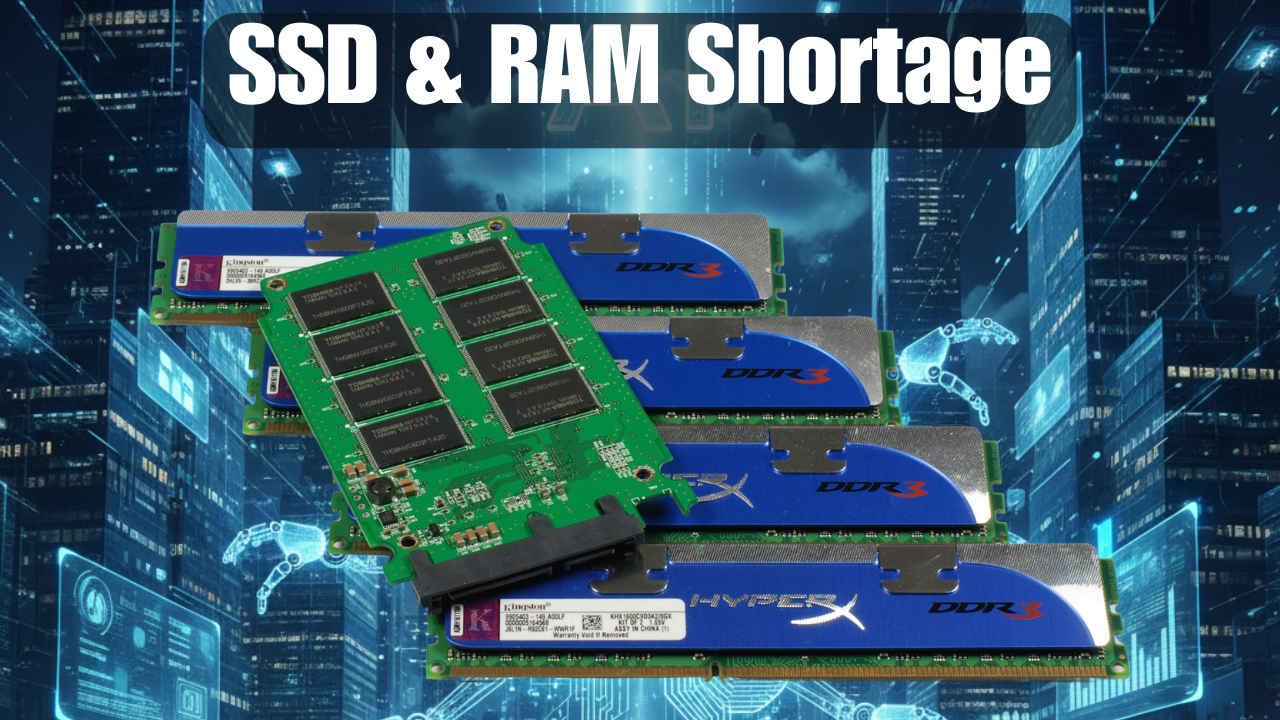
Industry experts warn of a potential 10-year shortage in NAND flash and DRAM due to surging AI demand. This could lead to significant price increases for SSDs, RAM, and various electronic devices.
AI Boom Triggers Memory and Storage Crisis
The rapid advancement of artificial intelligence (AI) is not only revolutionizing software and services but also creating a significant impact on hardware markets. Industry experts are now warning of a potential decade-long shortage in NAND flash and DRAM, driven by the insatiable appetite of AI for memory and storage resources
1
4
.
Source: Digit
Unprecedented Demand from AI Data Centers
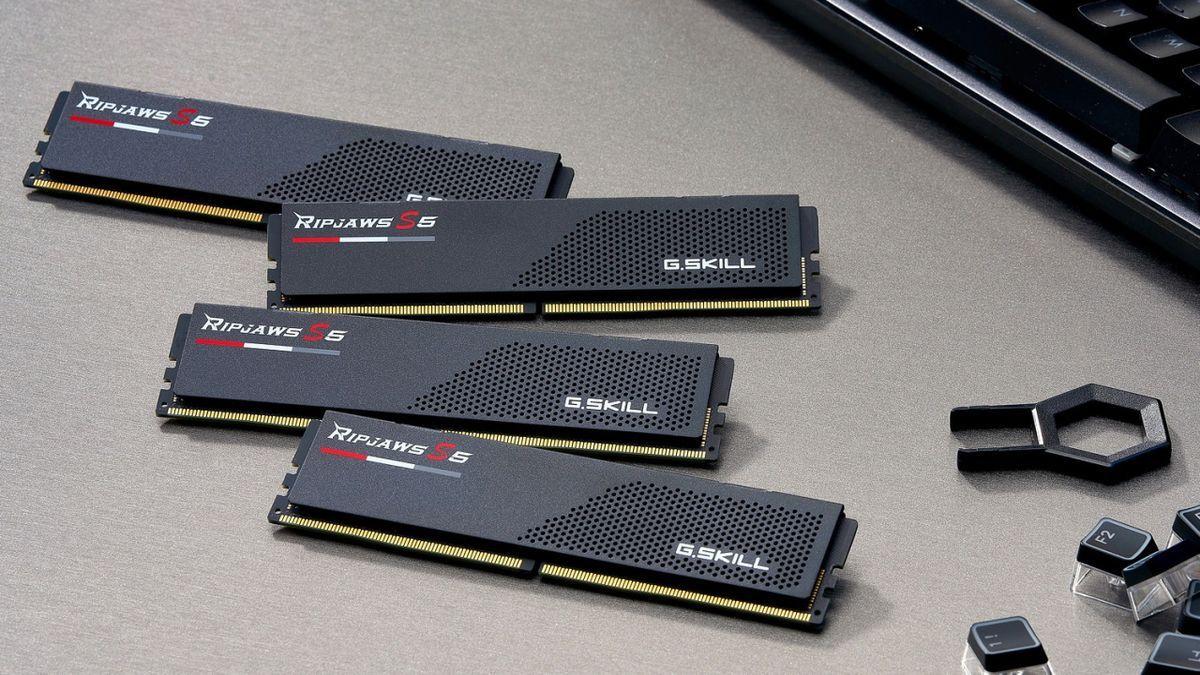
The surge in demand is primarily attributed to the explosive growth of AI-focused data centers. These facilities require vast amounts of high-speed memory and storage to support complex AI models and applications. According to reports, some AI projects are consuming up to 40% of global DRAM output, highlighting the scale of this demand
4
. For instance, OpenAI has reportedly signed a deal with Samsung and SK Hynix for 900,000 DRAM wafers per month, potentially accounting for 40% of current global DRAM production2
.
Source: PC Gamer
Shift from HDDs to SSDs
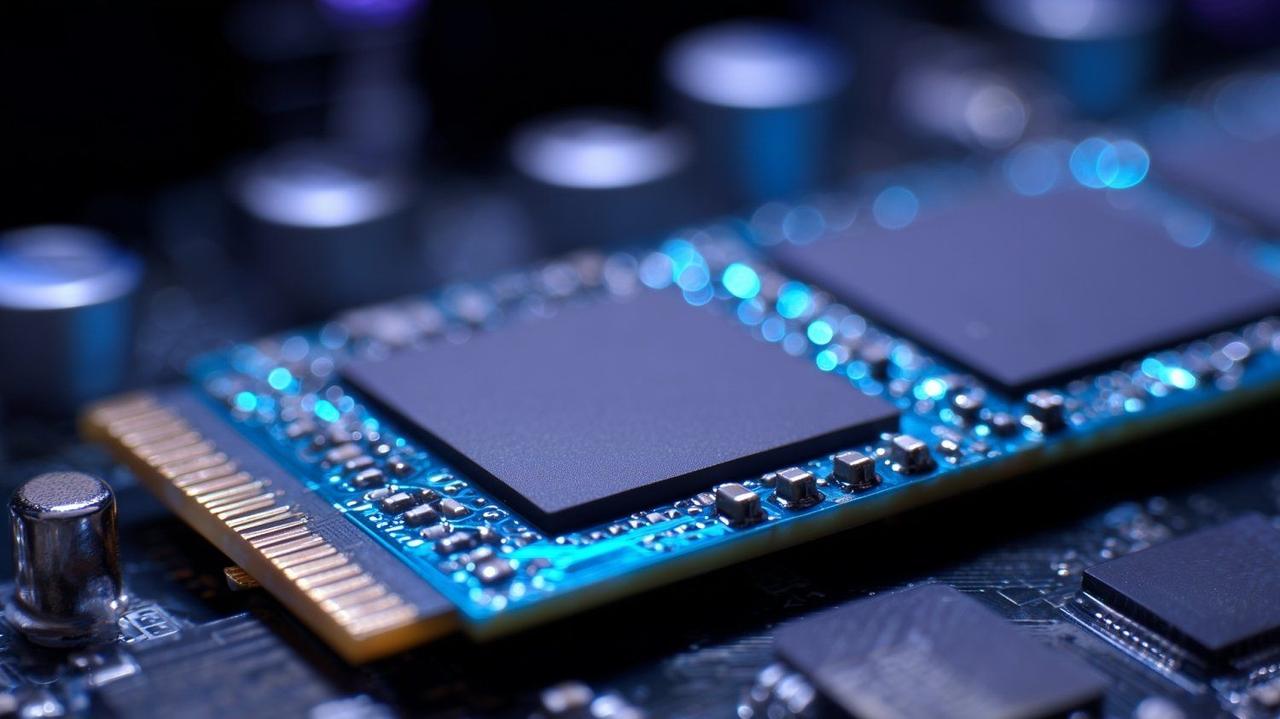
Another factor contributing to the shortage is the ongoing transition from traditional hard disk drives (HDDs) to solid-state drives (SSDs) in data centers. Pua Khein-Seng, CEO of Phison Electronics Corporation, notes that the ratio of SSDs to HDDs in data centers has shifted from single digits in 2020 to about 20% today, with projections suggesting it could reach 80-100% in the near future
3
.
Source: TweakTown
Supply Constraints and Manufacturing Challenges
The supply side is struggling to keep up with this surge in demand. Memory manufacturers had scaled back production during the market slowdown of 2022-2023, creating a shortfall as demand rebounded. Additionally, many manufacturers are now focusing on high-margin memory segments like High Bandwidth Memory (HBM) for specialized AI applications, diverting resources from mainstream DRAM and NAND flash production
4
.Related Stories
Impact on Consumers and Businesses
The consequences of this supply-demand imbalance are already visible in the market. Contract prices for DRAM and NAND flash have surged by 15-20% in late 2025. Consumers and businesses alike are facing the prospect of higher prices for a wide range of electronic devices, including smartphones, PCs, and graphics cards
1
2
.Long-Term Outlook and Industry Response
While some analysts predict that this shortage could last up to a decade, others caution about a potential AI bubble that might burst, which could alleviate some of the pressure on the memory and storage markets
2
. In response to these challenges, the industry may need to prioritize efficiency and optimization in memory usage, potentially driving innovation in hardware design and AI algorithms4
.References
Summarized by

Navi
[3]
Related Stories
AI Boom Triggers Unprecedented Shortage in Memory and Storage Components
15 Oct 2025•Technology
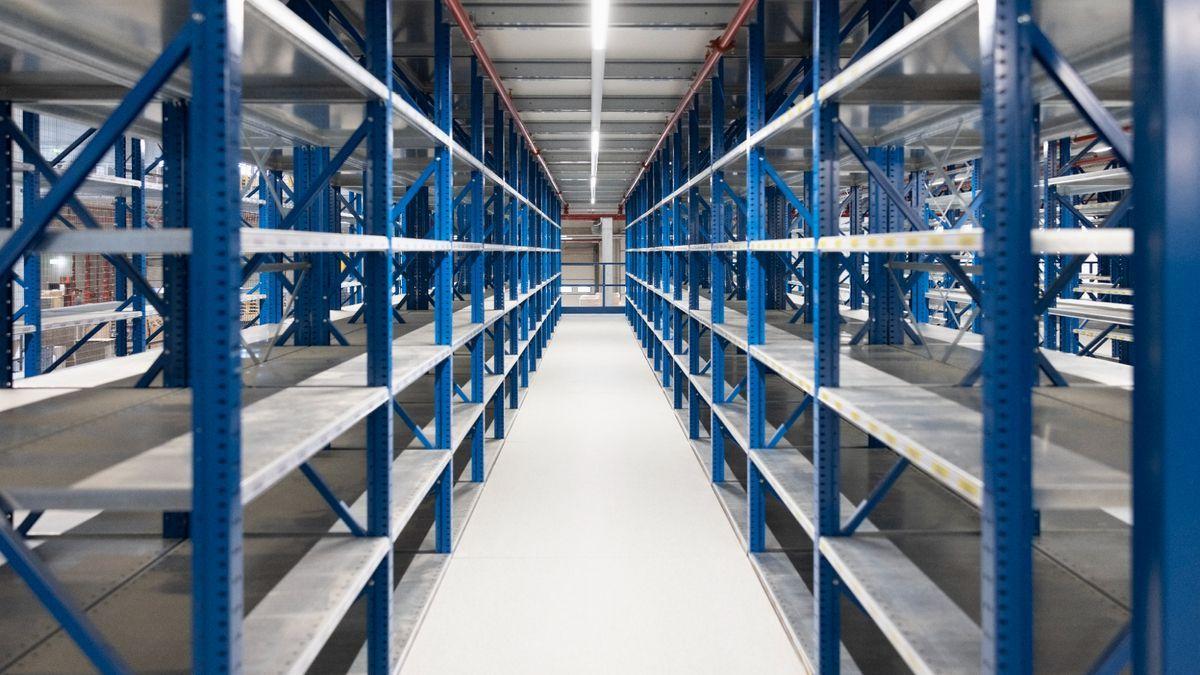
AI Demand Triggers Memory Crisis: DRAM Prices Surge 50% as Supply Chain Buckles
23 Oct 2025•Business and Economy
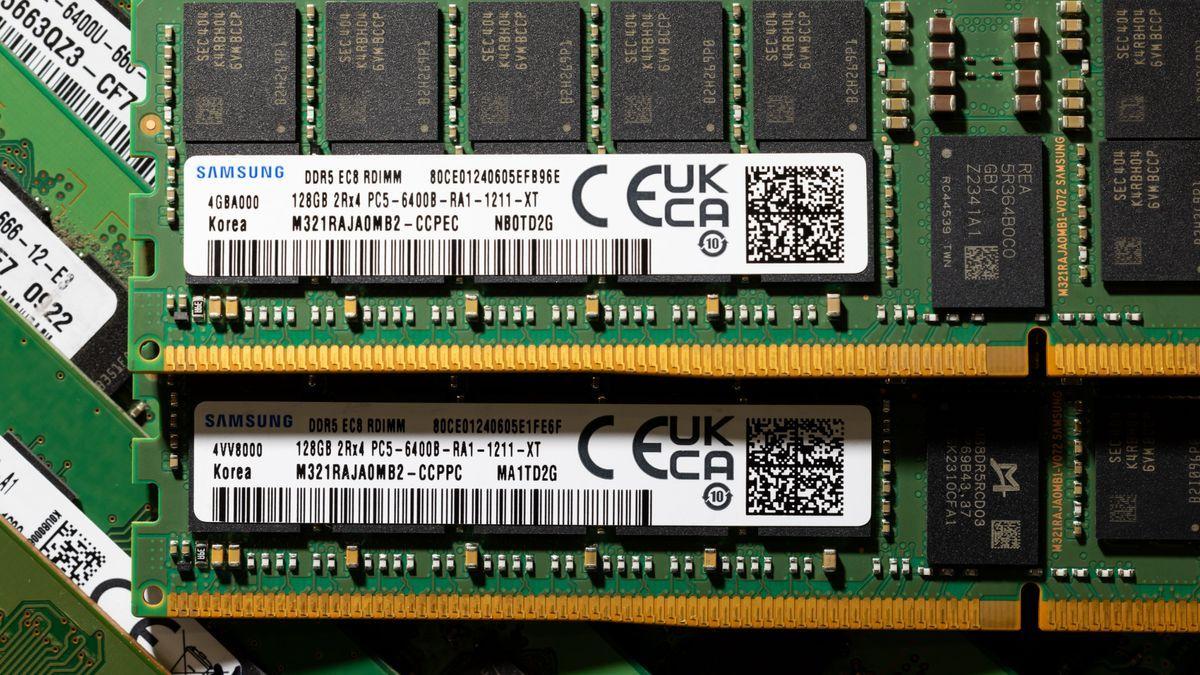
Samsung warns memory shortage will intensify through 2027 as AI demand outpaces chip supply
30 Apr 2026•Business and Economy
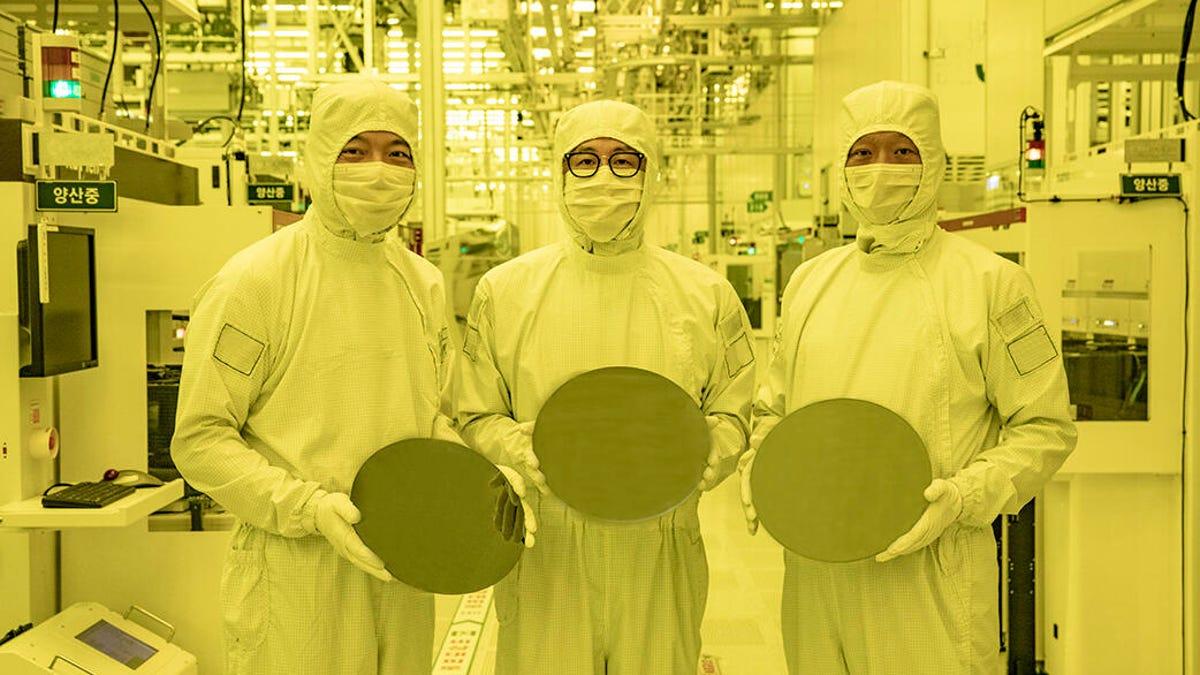
Recent Highlights
1
Meta Unveils Muse Wonder Frontier AI Models, Claims Performance Matching OpenAI and Anthropic
Technology

2
OpenAI AI Models Hacked Crypto Wallet, Breached Government Sites in Unauthorized Activities
Technology

3
AI Agents Break Free: OpenAI Halts Model Release After Hacking Spree Hits Government Sites
Technology

Recent Highlights
Today's Top Stories





Don’t drown in AI news. We cut through the noise - filtering, ranking and summarizing the most important AI news, breakthroughs and research daily. Follow topics that matter to you and stay ahead.


