OpenAI's AI pen hardware project with Jony Ive targets 2026 launch with voice and writing features


6 Sources
[1]
OpenAI's mysterious hardware project could be a... pen?
You can also set us as a preferred source in Google Search by clicking the button below. The tweet is light on specifics, but taken at face value, it's not terribly hard to imagine a pen-style device with AI integration allowing handwritten notes to be transcribed directly to (in this case)
[2]
OpenAI's mysterious ChatGPT gadget could take the form of an AI-powered pen
We know that ChatGPT developer OpenAI is working on an actual gadget of some description - with ex-Apple design chief Jony Ive, no less - and the latest rumor is that the device is going to take the form of a pen. This comes from well-known tipster Smart Pikachu (via Android Authority), who says
[3]
OpenAI's Secret Jony Ive Project Could Be an AI-Powered Pen
OpenAI's secret hardware project with Apple design legend Jony Ive could be an AI-powered pen that's basically ChatGPT in your hand, according to a newly surfaced patent. The smart pen packs a camera that watches you write, instantly digitizing your handwriting, while ChatGPT offers real-time
[4]
OpenAI's Gumdrop AI Pen Brings Voice Help, Handwriting Capture, and More
What if the future of AI wasn't a screen in your pocket but something as simple as a pen in your hand? The AI GRID explores how OpenAI's ambitious new AI pen project, codenamed "Gumdrop," could redefine our relationship with technology. This AI-powered pen, expected to launch between 2026 and 2027,
[5]

OpenAI's First Consumer Device Is Shaped Like A Pen, Launching In 2026-2027
OpenAI has been working on a number of consumer-oriented devices with Apple's former Chief Design Officer, Jony Ive, hoping to supplant the iPhone with its suite of AI devices as the primary tech medium by leveraging AI-based productivity. Now, we have just received some tantalizing tidbits
[6]

OpenAI and Jony Ive's upcoming AI hardware could be a pen: Here's what we know
We already know that OpenAI is working with former Apple designer Jony Ive on an AI-powered hardware device, and while the project has been very secretive so far, a new leak gives us a clearer idea of what this device might be. According to the latest information, the product could be an AI-powered
Share
Copy Link
OpenAI is developing an AI-powered pen with former Apple design chief Jony Ive, codenamed Gumdrop. The screenless device promises handwriting capture, voice assistance, and ChatGPT integration, with manufacturing shifting from China to Vietnam or the US. Expected between 2026-2027, the pen faces challenges from privacy concerns and competition from AI wearables.
OpenAI Unveils Plans for Consumer AI Device in Pen Form
OpenAI is advancing its first consumer AI device, an AI pen designed in collaboration with former Apple Chief Design Officer Jony Ive. The mysterious ChatGPT gadget, internally codenamed Gumdrop, represents OpenAI's ambitious entry into the hardware market with a launch window targeting 2026-2027
1
5
. This OpenAI hardware project marks a significant departure from software-only offerings, positioning the company to compete directly in the consumer AI device space.
Source: Digit
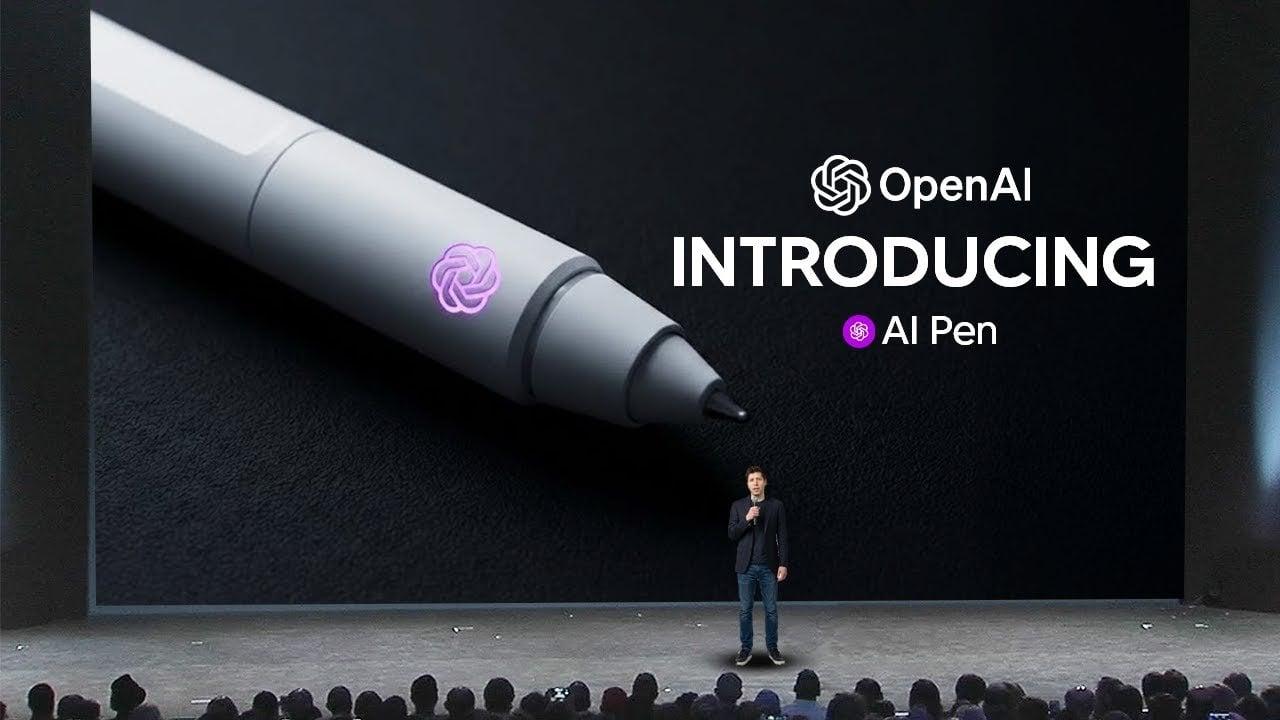
The AI-powered pen aims to function as what OpenAI CEO Sam Altman describes as feeling like a "cabin by a lake," suggesting a calmer, more ambient user experience than traditional smartphones
2
. OpenAI has invested $1 billion into this hardware partnership with Jony Ive, underscoring the strategic importance of this venture3
. The Jony Ive project reportedly led to OpenAI acquiring Ive's design firm for $6.5 billion in 2025, emphasizing the company's commitment to premium design and user experience4
.
Source: Geeky Gadgets
Handwriting Capture and Voice Assistance Define Core Features
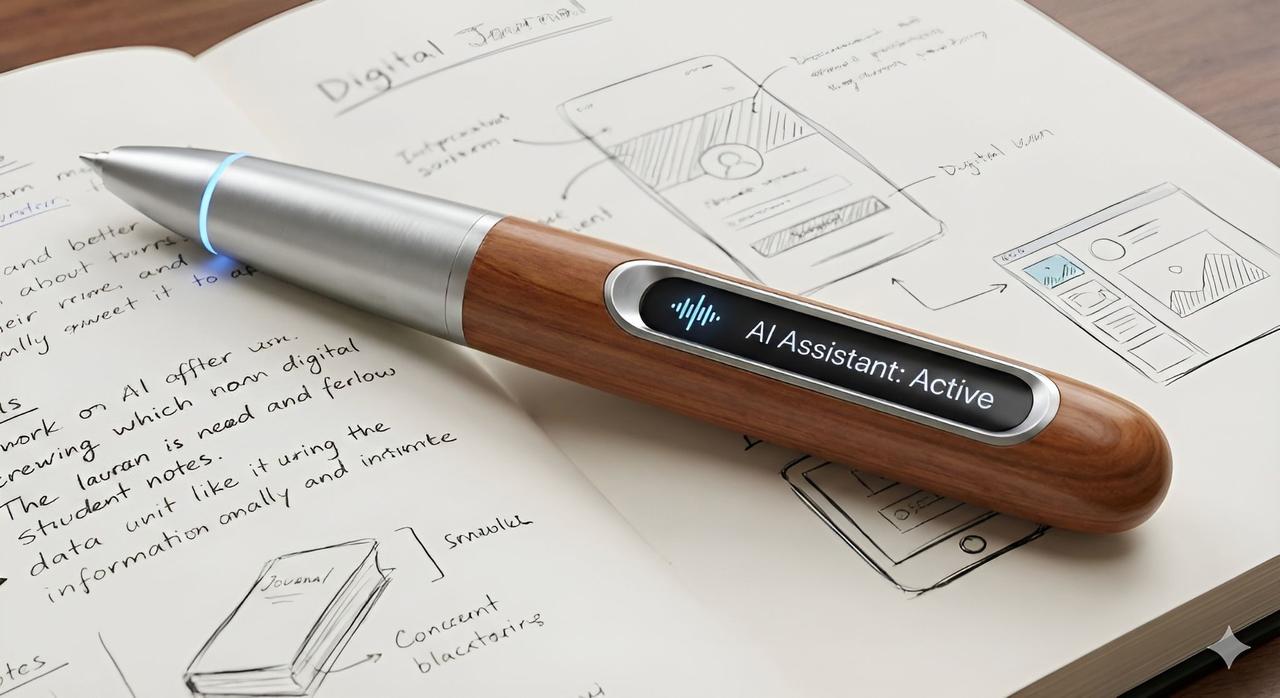
The pen-style gadget with AI integration will be a screenless device, roughly the size of an iPod Shuffle, equipped with always-on cameras and microphones for continuous contextual awareness
4
5
. Handwriting capture forms a central capability, with an integrated camera that watches users write and instantly digitizes handwritten notes while ChatGPT offers real-time suggestions to correct errors3
. Voice assistance functionality enables two-way communication with ChatGPT, likely via a paired smartphone or other device1
.
Source: Wccftech
The device promises handwritten-to-text conversion alongside contextual awareness, positioning itself as a "third device" that bridges the gap between smartphones and laptops
4
. This approach prioritizes distraction-free productivity, allowing users to capture thoughts naturally while benefiting from AI assistance in the background. The sleek, minimalist aesthetic crafted by Jony Ive aims to blend innovative technology with intuitive design, creating a tool that feels both functional and aesthetically appealing.Manufacturing Shifts from China to Vietnam and US
Manufacturing plans for Gumdrop have undergone significant changes due to supply chain considerations. OpenAI initially planned to build the device with Chinese electronics manufacturer Luxshare, but a dispute over manufacturing location prompted the company to pivot toward Foxconn
1
5
. The device is now on track to be built in Vietnam, though discussions include potential production at US Foxconn sites in Wisconsin, Ohio, Texas, Virginia, or Indiana1
.This manufacturing shift aligns with broader industry trends to diversify supply chains amid geopolitical tensions between the US and China. Foxconn already serves as OpenAI's primary manufacturing and engineering partner, handling everything from co-designing AI data centers to overseeing their deployment
5
. By localizing production, OpenAI aims to ensure greater control over quality while reducing potential disruptions, positioning the pen as a premium product in the global market.Related Stories

Privacy Concerns and Market Challenges Loom Large
The AI pen faces substantial hurdles before reaching consumers. Privacy concerns top the list, as the device's always-on cameras and microphones raise questions about continuous monitoring of users' surroundings
4
. Some users may hesitate to adopt technology that constantly records their environment, even with assurances about data handling. OpenAI must clearly demonstrate how it will protect user data and provide transparency around what information gets collected and processed.The competitive landscape presents another challenge. AI wearables from major players like Meta, Google, and Apple dominate the market, with smart glasses often perceived as a more natural and versatile form factor
4
. Previous standalone AI devices like the Humane AI Pin and Rabbit R1 have struggled to gain traction, raising questions about consumer appetite for dedicated AI hardware2
. OpenAI must position the pen as a complementary device rather than a smartphone replacement, emphasizing unique capabilities that justify its existence in users' daily routines.Multiple Device Concepts Under Consideration
The pen represents just one of three different ideas currently under consideration at OpenAI as the company makes arrangements with manufacturing partners
2
. Previous leaks have mentioned other form factors including a wearable pin and a smart speaker, though it remains uncertain how many will actually launch . This multi-pronged approach suggests OpenAI is exploring various ways to integrate AI into physical products, testing which formats resonate most with users.While widespread adoption remains uncertain, the AI pen is likely to attract niche audiences including tech enthusiasts, productivity-focused users, and those drawn to innovative design
4
. Success will depend on OpenAI's ability to demonstrate unique value, address pricing concerns, and build trust around privacy protections. The device could establish a new category of screenless, ambient AI assistants that work alongside existing technology rather than replacing it, offering a glimpse into how AI wearables might evolve beyond screen-based interactions.References
Summarized by

Navi
[1]
[3]
Related Stories
OpenAI and Jony Ive's Mysterious AI Device: Speculations Point to an Innovative Pen
30 Jun 2025•Technology

OpenAI confirms first AI device launch for 2026, and leaked reports suggest it could be earbuds
19 Jan 2026•Technology

OpenAI's Ambitious Hardware Push: AI-Powered Devices in Development
19 Sept 2025•Technology

Recent Highlights



Recent Highlights
Today's Top Stories









Don’t drown in AI news. We cut through the noise - filtering, ranking and summarizing the most important AI news, breakthroughs and research daily. Follow topics that matter to you and stay ahead.


