OpenAI's first hardware device is a screenless AI smart speaker launching in 2027


33 Sources
[1]
OpenAI's first hardware device is reportedly a screenless speaker that can move
OpenAI's first foray into hardware devices is reported to be a mobile smart speaker with integrated AI capabilities that can sync with ChatGPT and provide other home AI services. Bloomberg reported Tuesday that the device -- which is still currently under development -- is designed to be
[2]
OpenAI's Hardware Plans Have a Bigger Problem Than Apple's Lawsuit
OpenAI's plans to build and sell an AI device undeniably hit a bump in the road this month when Apple filed a lawsuit against the ChatGPT maker, alleging that former Apple employees stole trade secrets when they left Apple to join OpenAI. But if OpenAI isn't careful, it's going to have much bigger
[3]
OpenAI may announce a ChatGPT smart speaker this year
The company wants to release the gadget, its first major hardware device, in 2027. OpenAI's first device is set to be a smart speaker that lets you talk with ChatGPT, according to a report from Bloomberg. The device apparently won't have a screen, but will use a camera and additional sensors to
[4]
OpenAI's First Hardware Product Could Be a Portable AI Smart Speaker
OpenAI has been tight-lipped about the AI hardware it's building with former Apple design chief Jony Ive, but a new leak reveals their first product could be a smart home speaker. The speaker is reportedly designed to work as an AI companion at home. In addition to querying, the speaker could be
[5]
OpenAI Reportedly Eyeing Portable Speaker for Debut Device
Expertise I have more than 35 years' experience in journalism in the heart of Silicon Valley. OpenAI's entry into the world of consumer devices is expected to begin with the release of a portable smart speaker that lacks a screen, according to a Bloomberg report on Tuesday. The device is being
[6]

Smart speakers could help OpenAI lose even more money - Engadget
This past spring, former OpenAI executive Fidji Simo warned employees the company was at risk of missing its moment because it was "distracted by side quests," referring to costly software projects like Sora, which OpenAI shut down in April. This week, Bloomberg's Mark Gurman shared an update on
[7]

OpenAI's first Jony Ive device is a screen-free speaker built to feel alive
A camera, a battery, no display, and mechanical parts that move on their own. OpenAI does not call it a speaker. It calls it a home computer. OpenAI's consumer hardware push begins in the living room. The company's first device designed with Jony Ive is a mobile, screen-free smart speaker meant to
[8]

OpenAI's first hardware device sounds half-speaker, half-robot
OpenAI reportedly plans to unveil it this year and release it in 2027, though the timeline could change. OpenAI has been talking up its move into hardware for some time, but the shape of its first device has remained unclear. According to a new report, the company is starting with a movable,
[9]

The OpenAI Mystery Device Will Reportedly Be Basically Just a Smart Speaker
According to an anonymously sourced report from Mark Gurman at Bloomberg, the much hyped and frequently mocked physical doohickey coming soon from OpenAI will be... a smart speaker that moves. In April, another major source of Apple rumors, Ming-Chi Kuo, analyst at TF International Securities
[10]
OpenAI's first device will reportedly be a 'humanlike' rechargeable speaker - Engadget
It will be powered by a more advanced version of the model used by ChatGPT's new voice mode, Bloomberg says. It has long been reported that OpenAI's first hardware product will be an AI-powered speaker. Now, a new Bloomberg report reveals more details about the upcoming device, which will
[11]

OpenAI's first device will be a portable speaker with a camera and other sensors
According to Bloomberg, OpenAI's anticipated entry into the hardware market is slated to begin with a portable, screenless smart speaker. Here are the details. One of roughly five products under development Although OpenAI first announced its entry into the hardware market in May 2025 alongside
[12]

OpenAI's First AI Device Will Be a Portable Smart Speaker
OpenAI's first AI hardware product is a mobile smart speaker without a display, reports Bloomberg. The device is at the heart of a new legal dispute with Apple, with Apple accusing OpenAI of stealing trade secrets that have contributed to the development of the product. OpenAI's speaker-like
[13]

Relax, Apple, OpenAI and its rumored AI smart speaker plans are no threat to you, Siri, HomePods, robots, or any other part of your business
OpenAI is building an AI-powered smart speaker nobody wants. That is, if you believe the Bloomberg report from Mark Gurman and you've read his description of said rumored device. According to the report: "OpenAI believes the product's defining feature will be its personality and ability to
[14]

OpenAI's smart speaker sounds like a cross between a HomePod and a Furby
OpenAI is reportedly making a portable, screenless smart speaker intended to act as a household AI companion. It sounds like a cross between an Apple HomePod, a Furby, and spyware. Bloomberg reported on Tuesday that OpenAI is developing a hardware device powered by its generative AI chatbot
[15]

OpenAI wants its speaker to feel alive. Apple says it's a stolen idea | Fortune
Firm details about the device have been scant, but on Tuesday, Bloomberg reported, cited people familiar with the matter, what the device may look like: a "screen-free smart speaker designed to be a new type of home computer for the AI era." The device is meant to be "human-like" with smart
[16]

OpenAI's first hardware product sounds more like a companion than a speaker
The AI company is reportedly building a mobile home device that understands context and proactively helps users. For months, rumors have suggested that OpenAI's first hardware product could be a wearable AI device, or perhaps even the beginning of its long-term smartphone ambitions. As it turns
[17]

OpenAI's first hardware gadget reportedly a mobile smart speaker
Apple sued OpenAI last week over alleged hardware trade secrets theft. OpenAI is pitting its AI capabilities against the likes of Amazon and Google with its very first consumer gadget, a "mobile, screen-free smart speaker". According to Bloomberg, the new device is designed to be the
[18]

OpenAI's first device could be a screenless smart speaker. It has plenty of competition
OpenAI is reportedly developing a screenless smart speaker that could be commercially released as soon as 2027 as its first-ever major hardware device. OpenAI's speaker will be designed for the home. It's battery-powered, so it can carried from room to room, and it will include cameras, sensors,
[19]

OpenAI reportedly plans AI companion speaker for 2027
OpenAI plans to launch an AI-powered rechargeable speaker designed to serve as a "humanlike AI companion" by 2027, according to a report from Bloomberg. This speaker will allow users to carry it easily from room to room while providing assistance with tasks such as cooking and controlling smart
[20]

OpenAI's first device will be a movable, screenless, smart speaker
San Francisco | OpenAI's much-anticipated push into consumer devices is slated to begin with a mobile, screen-free smart speaker designed to be a new type of home computer for the AI era, according to people familiar with the matter. The product -- still under development -- is meant to serve as a
[21]

OpenAI's First Device Will Want to Know Everything About You
Last year, OpenAI announced it would be working with iPhone designer Jony Ive on a range of physical devices. Rumors swirled about various surveillant doodads: a pen, an earbud, a necklace, a pocket shard. Now, a few weeks out from the unveiling of Ive's other big post-Apple design collaboration --
[22]

OpenAI's First AI Device Could Be Screen-Free, Might Support These Features
A rechargeable battery could allow for portability between rooms OpenAI has long been rumoured to foray into the consumer hardware business with an AI-powered device. While the rumour mill previously claimed that the ChatGPT maker could introduce an AI headset as its first-ever hardware device, a
[23]

OpenAI hardware device: OpenAI's first hardware device will be a speaker
Apple's complaint, filed on Friday, accuses OpenAI of orchestrating a broad effort to systematically acquire and exploit Apple's confidential information through its former employees, recruiting practices and supplier relationships to accelerate its push into the consumer hardware
[24]

OpenAI's First Consumer Device Reportedly is a Mobile, Screen-Free Smart Speaker -- Mark Gurman Says Apple
OpenAI's high-stakes foray into consumer devices would reportedly start with a mobile, screen-free smart speaker designed as an AI companion capable of controlling smart home appliances. The device is still under development and would act as a home companion that can not only control appliances
[25]

OpenAI's first device will be movable, screenless speaker built as AI companion
OpenAI's much-anticipated push into consumer devices is slated to begin with a mobile, screen-free smart speaker designed to be a new type of home computer for the artificial intelligence era, according to people familiar with the matter. The product -- still under development -- is meant to serve
[26]

OpenAI Bets On An AI Speaker That Physically Moves Around Your House, Chasing A Gap Apple Left Wide Open
Apple's damning lawsuit against OpenAI appears to have had a profound impact on the latter's product launch cadence, with the latest report indicating that the maker of ChatGPT is now prioritizing a screen-free, mobile smart speaker, which is something that Apple currently does not have. OpenAI's
[27]

OpenAI Plans Portable Smart Speaker With Personality | PYMNTS.com
The device, which is still under development and could be changed, will be able to tap into ChatGPT's capabilities, will become more personalized to the user over time, and will have a personality, according to the report. It will also be able to control smart-home appliances and play media, the
[28]

OpenAI's first device could be a moveable screenless speaker: Report
OpenAI is reportedly preparing to launch its first consumer hardware device with a moveable, screenless speaker designed to serve as an AI companion for the home. According to a report by Bloomberg's Mark Gurman, the device is still under development and is being designed as a new type of "computer
[29]

OpenAI's First AI Device May Be a Screen-Free Smart Speaker: Report
OpenAI is reportedly developing its first AI hardware device, a portable, screen-free smart speaker powered by ChatGPT. Designed as an AI companion, the device could launch in 2027 and mark OpenAI's expansion into consumer hardware. OpenAI's first consumer hardware product may not be a smartphone
[30]

It's not a phone or a watch: we know what OpenAI's first gadget will be
Since May 2025, we've known that OpenAI is about to take its first step into the world of hardware, but we still don't know, at least for now, what kind of device it will be. According to Bloomberg, the company is preparing a device that combines a portable speaker, a camera, and sensors. An
[31]
OpenAI's first device may be a rechargeable speaker: a screenless ChatGPT companion
OpenAI looks to be working on its first hardware device. The reports describe a rechargeable, screenless speaker built around ChatGPT, GPT-Live voice chat, and a home experience that feels more conversational. If the reporting holds, this would be a portable, speaker-like OpenAI device with no
[32]

OpenAI's first hardware device: Why not a wearable speaker tied to a necklace?
OpenAI's hardware plans have been nothing but hearsay, court filing, and vibe check for the better part of a year now. But all that has ended this week, according to Bloomberg's Mark Gurman, who reports the first product from OpenAI's hardware efforts is a screenless, mobile AI-powered speaker that
[33]
OpenAI's first AI device may be a screenless ChatGPT speaker with a camera: What to expect
OpenAI internally describes the product as a new type of computer built for AI. OpenAI may soon take ChatGPT beyond phones and computers. The company's first consumer AI device is expected to be a portable, screenless smart speaker designed to work as a ChatGPT companion for the home. The device
Share
Copy Link
OpenAI is developing a portable AI smart speaker as its debut hardware product, designed to function as a humanlike AI companion in the home. The screenless device will integrate ChatGPT capabilities and feature mechanical elements that can move autonomously. However, the company faces legal challenges from Apple's lawsuit alleging trade secret theft by former Apple employees now working on OpenAI hardware.
OpenAI Hardware Takes Physical Form with Smart Speaker
OpenAI is preparing to enter the consumer hardware market with a portable AI smart speaker that represents a significant departure from traditional voice assistants. According to reports from
Bloomberg
1
, OpenAI's first hardware device is currently under development and is being pitched internally as a "humanlike AI companion that lives in the home." The screenless smart speaker is expected to be unveiled in 2026 with shipments beginning in 20273
.
Source: Digit
The device will integrate ChatGPT and utilize the company's new GPT-Live voice model announced last week
3
. Unlike Amazon Echo or Google Home devices, OpenAI's portable AI smart speaker is designed to have a "personality" and proactively learn about its owner over time, providing increasingly personalized service by accessing a user's digital life, including emails1
.Mechanical Elements Create Living Presence
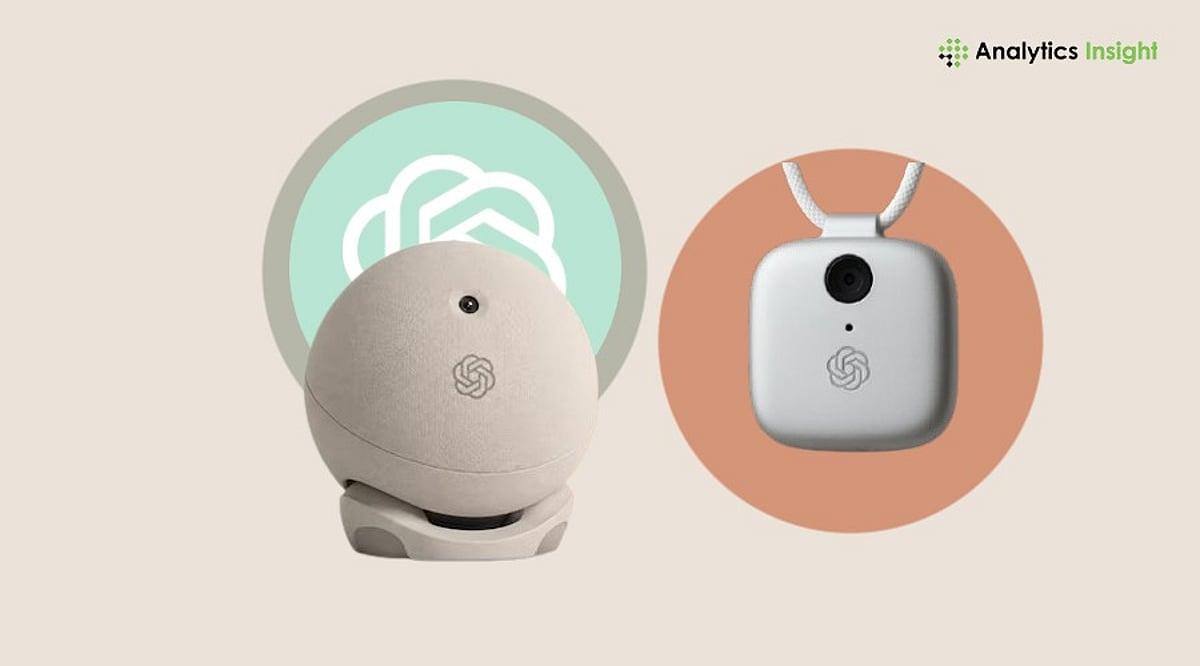
What distinguishes this device from existing smart speakers are the mechanical elements that can move on their own, creating a sense that the device is alive. Sources describe these autonomous movements as designed to help the AI agent "connect on a humanlike level with users"
3
. The device will be equipped with a camera and additional sensors to understand its environment3
, while a rechargeable battery will enable users to carry it with them3
.
Source: Analytics Insight
Beyond voice-based interactions, the device will offer smart home controls, play media, answer questions, and respond to messages
4
. This positions it as a direct competitor to Amazon, Google, and Apple in the smart speaker market4
.Jony Ive Partnership Drives Design Vision
OpenAI accelerated its hardware ambitions in 2025 with the nearly $6.5 billion acquisition of io Products
3
, the design company led by former Apple designer Jony Ive. Known for designing the iPhone, MacBook, and Apple Watch, Jony Ive has reportedly been wary of wearables like pins and smart rings, favoring the screenless approach for OpenAI's debut device2
.
Source: Silicon Republic
The device was developed with help from many former Apple engineers who were instrumental in creating products such as the iPhone and Mac
1
. This expertise has shaped OpenAI's vision of creating what they describe as "a new type of computer for the AI era". The partnership between Ive and OpenAI CEO Sam Altman has focused on creating a "third" gadget that can sit alongside phones and computers2
.Related Stories

Apple's Lawsuit Casts Shadow Over Launch
OpenAI's hardware plans face significant legal challenges following Apple's lawsuit filed last week. The lawsuit accuses OpenAI of trade secret theft, specifically naming former Apple hardware chief Tang Tan and software engineer Chang Liu
2
. Apple claims it "uncovered a pattern of theft of Apple's trade secrets by OpenAI employees who were formerly at Apple" and stated the allegations are merely "the tip of the iceberg"1
.The complaint alleges that after acquiring io Products, OpenAI poached Apple employees or pressured them to divulge their work during job interviews
4
. Tang Tan, now OpenAI's hardware chief, has been accused of conducting these interviews, while Liu has been accused of failing to return an Apple-issued laptop and exploiting a software bug to gain unauthorized access to Apple's systems4
.OpenAI has denied wrongdoing and stated it is "not aware of any evidence that this complaint has merit"
3
. Anonymous sources knowledgeable of OpenAI's plans told Bloomberg that the company believes its new product "veers significantly from anything Apple has on the market today" and that it is "unlikely that it violates trade secrets" belonging to Apple1
.Broader Hardware Lineup and Market Context
The screenless smart speaker is just the beginning of OpenAI's consumer hardware ambitions. Bloomberg reports that the device will launch as part of a bigger hardware lineup that currently includes roughly five devices
3
. OpenAI has also been teasing the Codex Micro, a gadget made in partnership with Work Louder that was scheduled to release on July 15th3
. Other rumored devices include AI earbuds and a smartphone developed in partnership with component-makers MediaTek, Qualcomm, and Luxshare.The push into hardware reflects broader industry excitement about consumer AI hardware. Hark, an AI lab founded by Brett Adcock, raised an oversubscribed $700 million Series A in May at a $6 billion valuation to build "personal intelligence" — proprietary AI models paired with custom hardware
1
. However, OpenAI faces the challenge of proving its device is safe, useful, and worthy of consumer investment, as public reaction to AI devices has ranged from indifference to outrage2
.For OpenAI, which continues to burn through billions of dollars on development, selling devices could bring in much-needed revenue beyond the $20-per-month ChatGPT subscription
2
. The success of OpenAI's first hardware device will depend heavily on the company's positioning around usefulness, safety, and whether it can capture that elusive cool factor in a market already crowded with smart speakers from established players2
.References
Summarized by

Navi
Related Stories
OpenAI confirms family of devices coming soon as it pushes into voice-first hardware
29 Jul 2026•Technology

OpenAI's first Jony Ive device is a $200-$300 smart speaker with a camera, launching in 2027
20 Feb 2026•Technology

Apple lawsuit accuses OpenAI of stealing trade secrets, threatening its AI hardware ambitions
18 Jul 2026•Policy and Regulation

Recent Highlights
1
Microsoft and Nvidia Launch Surface Laptop Ultra: A $2,599 AI-Ready PC With RTX Spark Chip
Technology

2
Google Unveils Gemini 4 Argon AI Model, Restricts Access to Trusted Cyber Defenders
Technology

3
OpenAI Releases 722 AI-Generated Math Papers on GitHub, Igniting Fury Among Mathematicians
Science and Research

Recent Highlights
Today's Top Stories





Don’t drown in AI news. We cut through the noise - filtering, ranking and summarizing the most important AI news, breakthroughs and research daily. Follow topics that matter to you and stay ahead.


