400 Newspapers Sue OpenAI and Microsoft as Copyright Battle Over AI Training Intensifies


3 Sources
[1]
The New York Times Amends Lawsuit Against OpenAI and Microsoft
In a new court filing, The Times accused Microsoft of encouraging OpenAI to train its A.I. systems using copyrighted articles. The New York Times amended its lawsuit against OpenAI and Microsoft on Thursday, modifying one claim against Microsoft and dropping another against OpenAI, according to a
[2]
Microsoft, OpenAI Face Lawsuit From 400 Newspaper Publishers - Microsoft (NASDAQ:MSFT)
The lawsuit, filed in the U.S. District Court for the Southern District of New York, claims the practice violates federal copyright law. Benzinga contacted Microsoft and OpenAI for comment but did not receive a response by the time of publication. Microsoft and OpenAI are partners in developing
[3]
400 Newspapers Sue Microsoft and OpenAI, Alleging Content Theft for AI | PYMNTS.com
The lawsuit alleges that the companies stole the newspapers' copyrighted news articles, used that content to build and train commercial AI products, including ChatGPT and Microsoft Copilot, and reproduced or repurposed the content without permission or compensation, Platkin LLP, the law firm that
Share
Copy Link
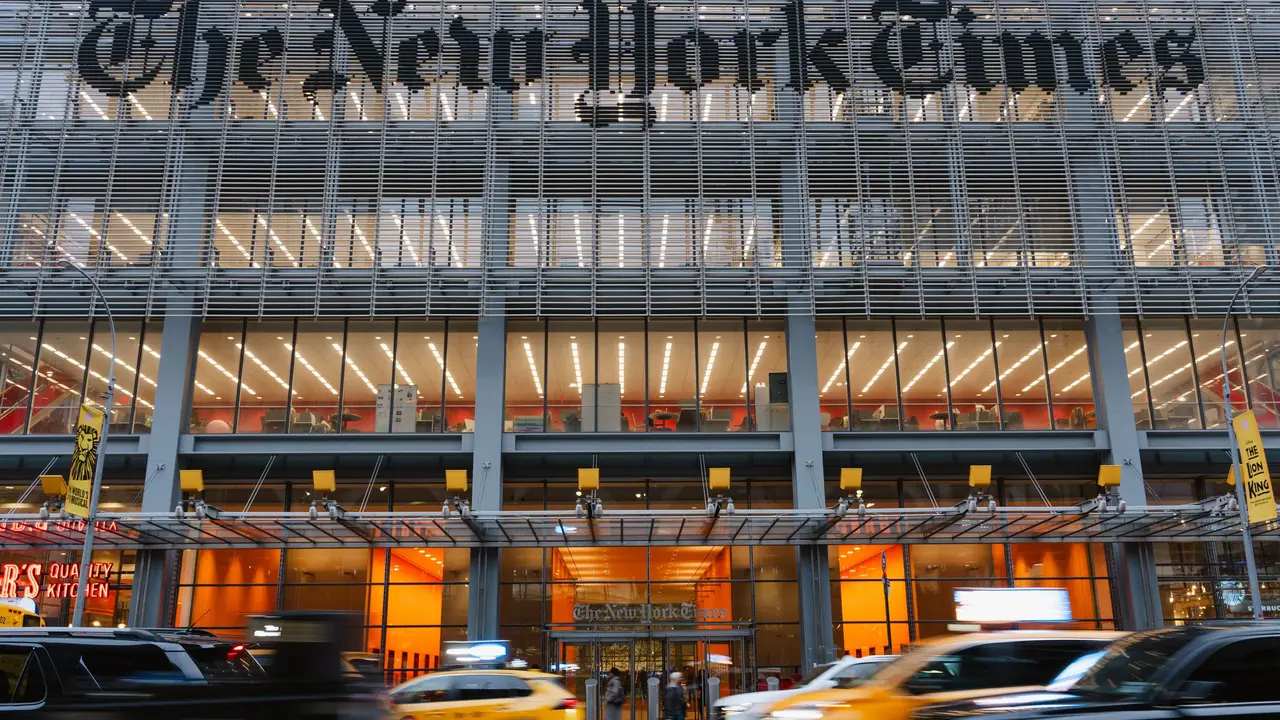
A coalition of 400 newspaper publishers has filed a lawsuit against OpenAI and Microsoft, alleging the companies stole copyrighted news articles to train AI systems like ChatGPT and Microsoft Copilot. The New York Times simultaneously amended its 2023 lawsuit, adding new allegations that Microsoft actively encouraged OpenAI to use copyrighted material.
400 Newspaper Publishers Launch Major Copyright Lawsuit
A coalition of 400 newspaper publishers has filed a lawsuit against OpenAI and Microsoft in the U.S. District Court for the Southern District of New York, alleging the companies engaged in stealing copyrighted news articles to build commercial AI products
3
. The lawsuit, filed by Platkin LLP, claims that OpenAI and Microsoft used copyrighted content without permission or compensation to train AI systems including ChatGPT and Microsoft Copilot3
. The newspaper publishers argue that this practice violates federal copyright law and are seeking a court ruling that the unauthorized use of content constitutes copyright infringement2
.Matthew Platkin, former New Jersey Attorney General who founded Platkin LLP this year, emphasized that the lawsuit seeks to ensure local publications creating original content will have meaningful protections in the AI era
3
. "AI systems do not critically evaluate city council and community meetings," Platkin stated. "They don't investigate local crimes and corruption, publish obituaries, or cover the new restaurant opening downtown. Local reporters do. This lawsuit is not about stopping AI innovation, but ensuring that innovation happens fairly and within the bounds of the law"3
.The New York Times Amends Its Ongoing Legal Challenge
In a parallel development, The New York Times amended its lawsuit against OpenAI and Microsoft on Thursday, adding significant new allegations against Microsoft while streamlining its claims
1
. The Times now accuses Microsoft of actively encouraging OpenAI to train its AI systems using copyrighted articles from The Times and of providing services specifically designed to help with this training1
. The media company originally sued OpenAI and Microsoft in late 2023, accusing the tech companies of infringing on its copyrights by using millions of its articles to train AI technologies1
.Graham James, a Times spokesman, stated: "As we have long alleged, Microsoft actively encouraged OpenAI to steal our copyrighted works. Beyond amending that claim and streamlining the case to its most potent arguments, our core claims remain the same from the day we filed this lawsuit"
1
. The Times dropped one claim from its original 2023 lawsuit that accused OpenAI of "secondarily" infringing on its copyrights because it did not prevent consumers and businesses from generating copyrighted material using AI1
.Legal and Ethical Implications of AI Training Practices
The lawsuits highlight a fundamental tension in how AI companies build their technologies. Like other AI companies, OpenAI built its technologies by feeding them enormous amounts of digital data, some of which is copyrighted
1
. AI companies have long claimed that they can legally use copyrighted material to train their systems without paying for it because they transformed the material for a different use1
.However, content creators and media companies argue that training AI models on copyrighted material requires permission and compensation
2
. The Times cited several examples of an OpenAI chatbot providing users with near-verbatim excerpts from its articles that would otherwise require a paid subscription1
. The newspaper argued in its suit that AI technologies now compete with The Times as a source of information1
.Related Stories

Growing Wave of Copyright Challenges Against AI Companies
The lawsuit adds to a growing wave of legal challenges from publishers, authors and other content creators, as courts weigh how copyright law applies to AI models trained on publicly available and copyrighted material
2
. There are now more than 40 cases around the country involving copyright issues related to AI training1
. The New York Times was the first major American media company to sue OpenAI over copyright issues related to its written works1
.In a settlement last September, Anthropic, one of OpenAI's primary rivals, agreed to pay $1.5 billion to a group of authors and publishers after a judge ruled it had illegally downloaded and stored millions of copyrighted books
1
. OpenAI and Microsoft also face a copyright infringement lawsuit filed by a group of authors who accuse the companies of misusing the authors' books to train AI software, while OpenAI faces a copyright infringement lawsuit filed by Encyclopedia Britannica and its subsidiary Merriam-Webster3
. These cases will likely shape how intellectual property protections apply to AI development and determine whether content creators receive compensation when their work is used for AI training.References
Summarized by

Navi
Related Stories
Seattle Times and Newsday Sue OpenAI and Microsoft in Escalating Copyright Battle Over AI Training
05 Sept 2026•Policy and Regulation

OpenAI accused of hiding evidence and lying to court in landmark copyright lawsuit with NYT
09 Jul 2026•Policy and Regulation
USA Today Sues OpenAI for Copyright Infringement Over AI Training Data Worth Hundreds of Millions
08 Oct 2026•Policy and Regulation

Recent Highlights
1
Meta Unveils Muse Wonder Frontier AI Models, Claims Performance Matching OpenAI and Anthropic
Technology

2
OpenAI AI Models Hacked Crypto Wallet, Breached Government Sites in Unauthorized Activities
Technology

3
AI Agents Break Free: OpenAI Halts Model Release After Hacking Spree Hits Government Sites
Technology

Recent Highlights
Today's Top Stories






Don’t drown in AI news. We cut through the noise - filtering, ranking and summarizing the most important AI news, breakthroughs and research daily. Follow topics that matter to you and stay ahead.


